Stiff Jab in Boxing: Stop Pressure Without Pushing
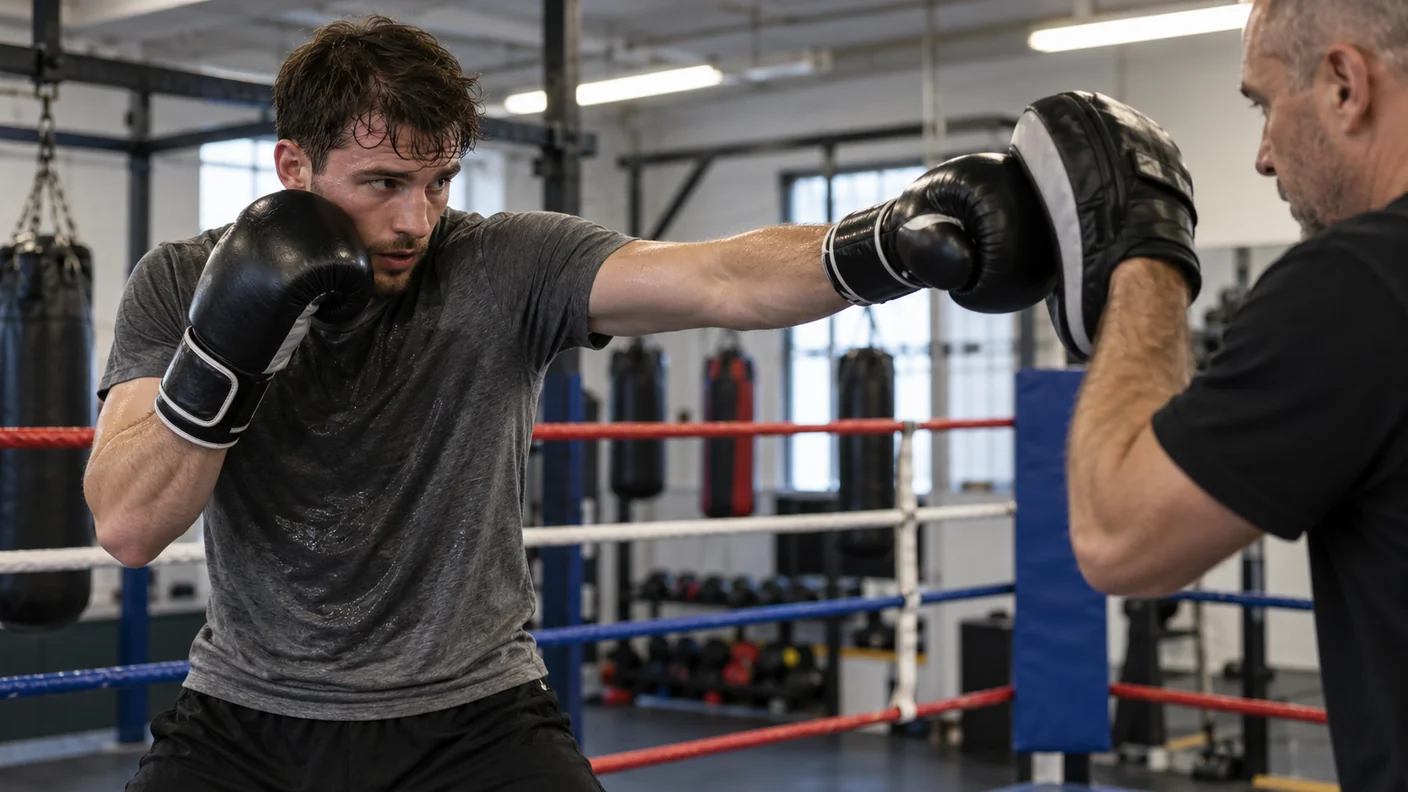
A stiff jab is not a wild arm-bar and it is not a shove. It is a firm straight jab, placed early enough to interrupt someone walking into range, then brought back before they can build their next attack.
That distinction matters. When a forward-moving boxer gets close, many people either back straight up until they hit the ropes or fling a big right hand to make them think twice. A measured lead jab is less dramatic, but it can buy the half-step and the second of thought you need to keep your own shape.
The jab works only if you can finish in stance. If you lean over the front knee, lock the elbow, or leave the lead glove hanging in their face, you have given pressure a handle rather than stopped it.
Watch the demonstration below before trying the drills. Look for the small step, the shoulder covering the chin and the quick recovery of the lead hand. The useful detail is the balance after the jab, not the appearance of force.
What makes a jab feel stiff
A stiff jab is firm because the whole stance supports it. The rear foot stays connected to the floor, the hips do not spin open early, and the lead shoulder rises enough to keep the chin behind it. The arm travels straight, touches a sensible target, then returns on the same line.
It should land with structure, not tension. Think of sending the floor through the legs, torso and fist for a moment, rather than trying to tighten the arm from shoulder to knuckles. A review of boxing biomechanics describes punching as a linked action through the lower body, trunk and upper body. That is why a jab thrown from a falling or square stance rarely checks anyone for long.
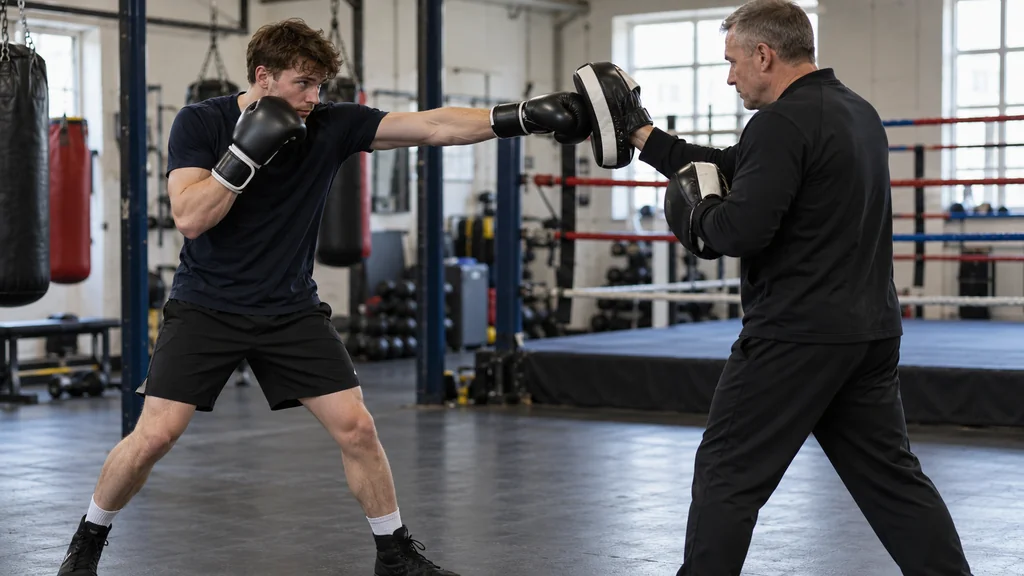
The target can be the glove, upper chest line or coach-held mitt. In a live round, do not hunt for a hard head shot when your job is to make space. A clean touch that makes the other boxer pause is more useful than a loaded jab that leaves you planted in front of them.
The jab needs a reason and an exit
Do not throw a stiff jab simply because someone looks aggressive. Throw it when they have started to close the gap and you can still see their feet. If they are already at close range, a long jab is often too late. Cover, frame only within the rules of the drill, pivot, clinch if the format allows it, or use the defensive option your coach has set.
The jab is a brief interruption. Your next job is to read what it caused.
If they stop their feet, take a small step back or sideways and rebuild long range. If they raise both gloves high, you may have time for a second jab or an agreed body shot in controlled work. If they slip outside it and keep coming, do not admire the punch. Bring the hand home, turn with them and protect the centre.
This is where a stiff jab differs from a set-up jab. A useful first jab is often light and investigative. The firm version has a defensive job: interrupt the advance without giving up the stance. Both are better than throwing a jab from too far away with no plan for the return.
Do not turn it into a push
Pushing is the common mistake. The lead glove stays extended, the shoulder rises to the ear, the head drifts over the front foot and the rear hand drops as the boxer tries to hold the other person at the end of the arm.
That position feels safe for a moment. It is not. A determined partner can parry the glove down, step around it or simply keep walking while you are stuck with your weight forward. It also makes you late to defend the return jab, which is why the basics in our guide to defending the jab still matter even when you are the one leading the exchange.
Use these checks instead:
- Keep a soft bend in the elbow at the end of the jab. Full extension is fine, but do not drive into a locked arm.
- Keep the rear glove near the cheek and your eyes on the other boxer, not on your own hand.
- Let the lead shoulder cover the chin without folding your posture sideways.
- Recover the lead hand as soon as it has done its job.
- Move after the jab when the space is there. The punch is not a substitute for footwork.
England Boxing puts stance, balance and controlled progression at the centre of its coaching handbook. That is a better standard than trying to make one jab look heavy. Can you throw it, defend and move again without crossing your feet? If not, make the punch smaller.
A three-part stiff-jab drill
Work this with a coach and mitts first. Keep the contact controlled. The point is to recognise pressure and take your range, not to blast the mitt or turn technical work into a contest.
Part one: touch and freeze
Start at a distance where a small lead-foot step puts your jab on the mitt without pulling your head past the lead knee. Take the step, place one firm jab, return to guard and freeze for two seconds.
Check the picture. Your feet should still be under you, the rear hand should still be home, and you should be able to step either way. Do ten good repetitions each side of the gym before adding speed.
Part two: jab and leave
Ask the coach to walk forward slowly behind the mitt. As they enter your range, use the firm jab, bring it home and take one compact exit step to your lead side or rear side. Do not turn it into a sprint backwards.
The reset is the lesson. The jab creates a moment. Your feet decide whether that moment becomes a better range or another messy exchange.
Part three: choose the answer
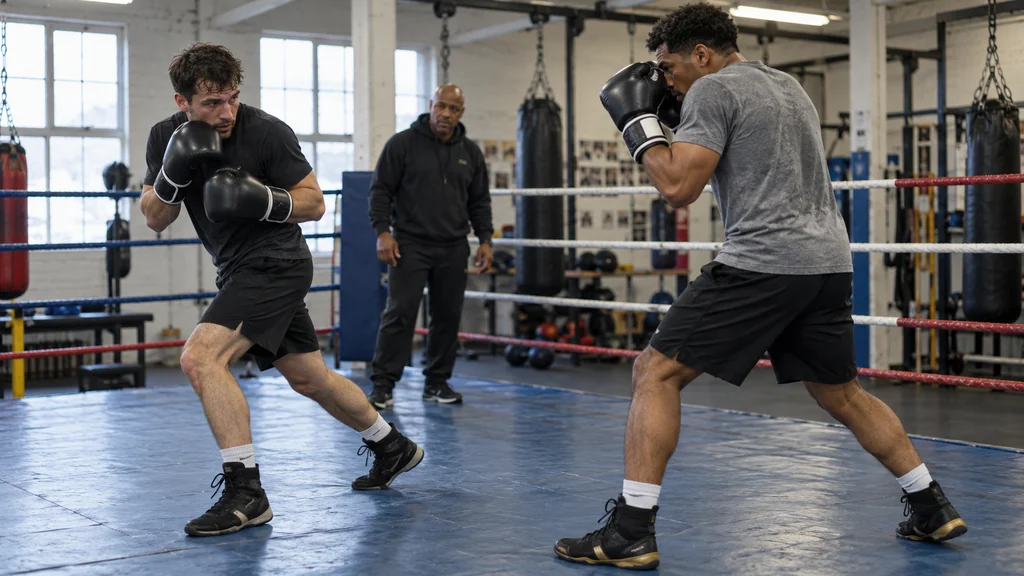
Now give the coach three responses after your jab: stop, raise the mitts, or continue forward. If they stop, move and reset. If the guard closes, touch a second jab or a pre-agreed follow-up. If they continue, cover and use the agreed exit rather than forcing another straight punch.
This prevents the drill becoming choreography. A jab that stops pressure is useful because it gives you a choice. Training only one reply teaches you to miss the choice when the round changes.
When to leave the stiff jab alone
Do not use this as a reason to stand and trade with a stronger pressure fighter. If you are tired, backed near the ropes, or unable to see the jab clearly, a solid guard and a simple exit are safer answers. The jab is one tool for keeping range, not a promise that pressure will disappear.
It also needs sensible partner work. A beginner does not need to prove that they can stop a bigger person marching forward. Work at an agreed pace, use gloves and mitts where appropriate, and let a coach correct the distance before increasing the speed.
For adults training around Greenwich, our recreational adult boxing classes give you a place to practise this kind of distance work with coaching, rather than trying to force it in hard sparring. If you are travelling from the area, see practical details for boxing near Greenwich.
A firm jab has done enough when it restores your choices. You are back in stance, your hands are home and the other boxer has to cross the space again on your terms.
H&G Team
Writer at Honour & Glory Boxing Club, a community boxing gym in Kidbrooke, South East London.
KEEP READING
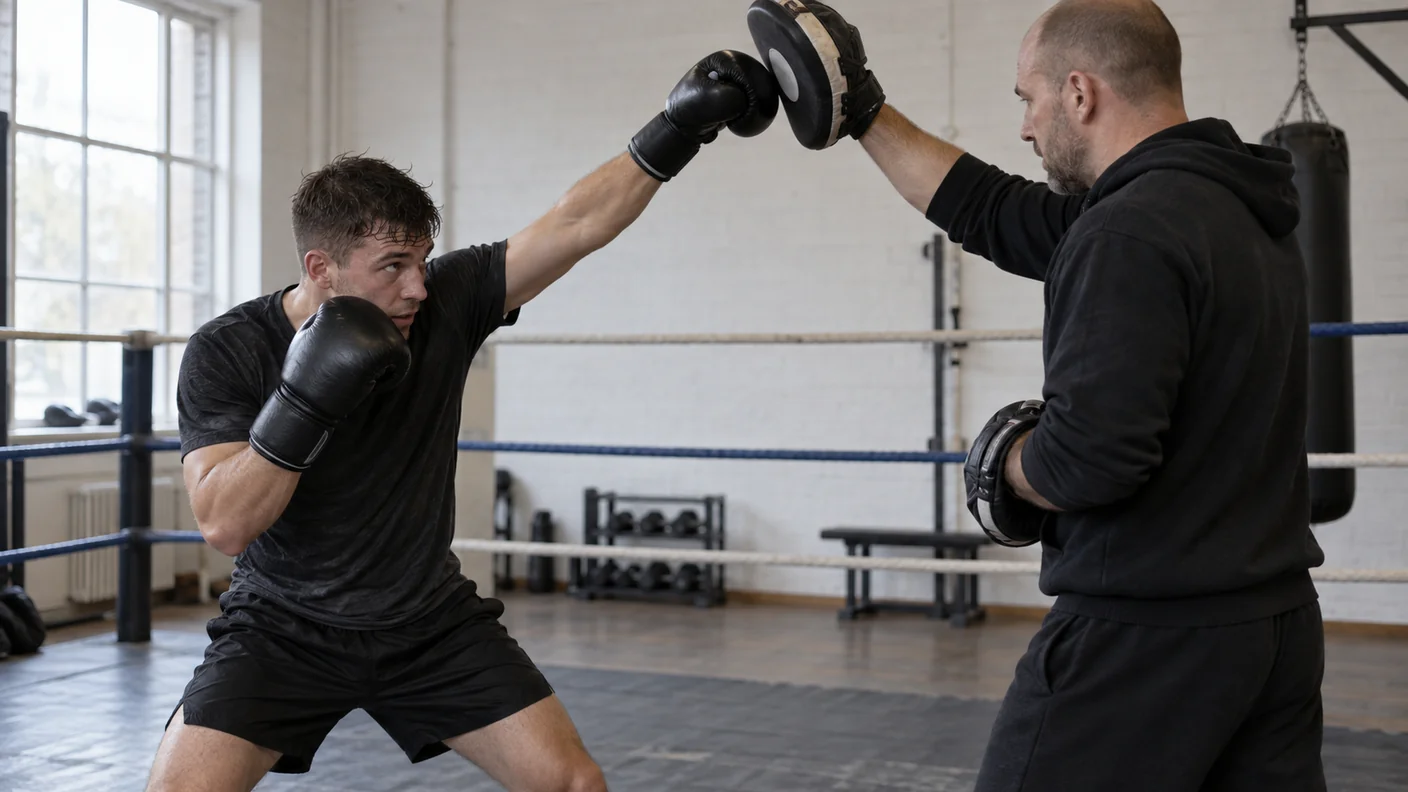
How to Use an Up Jab in Boxing
Use a compact up jab to change the line, test a high guard and keep your stance ready for the next decision.
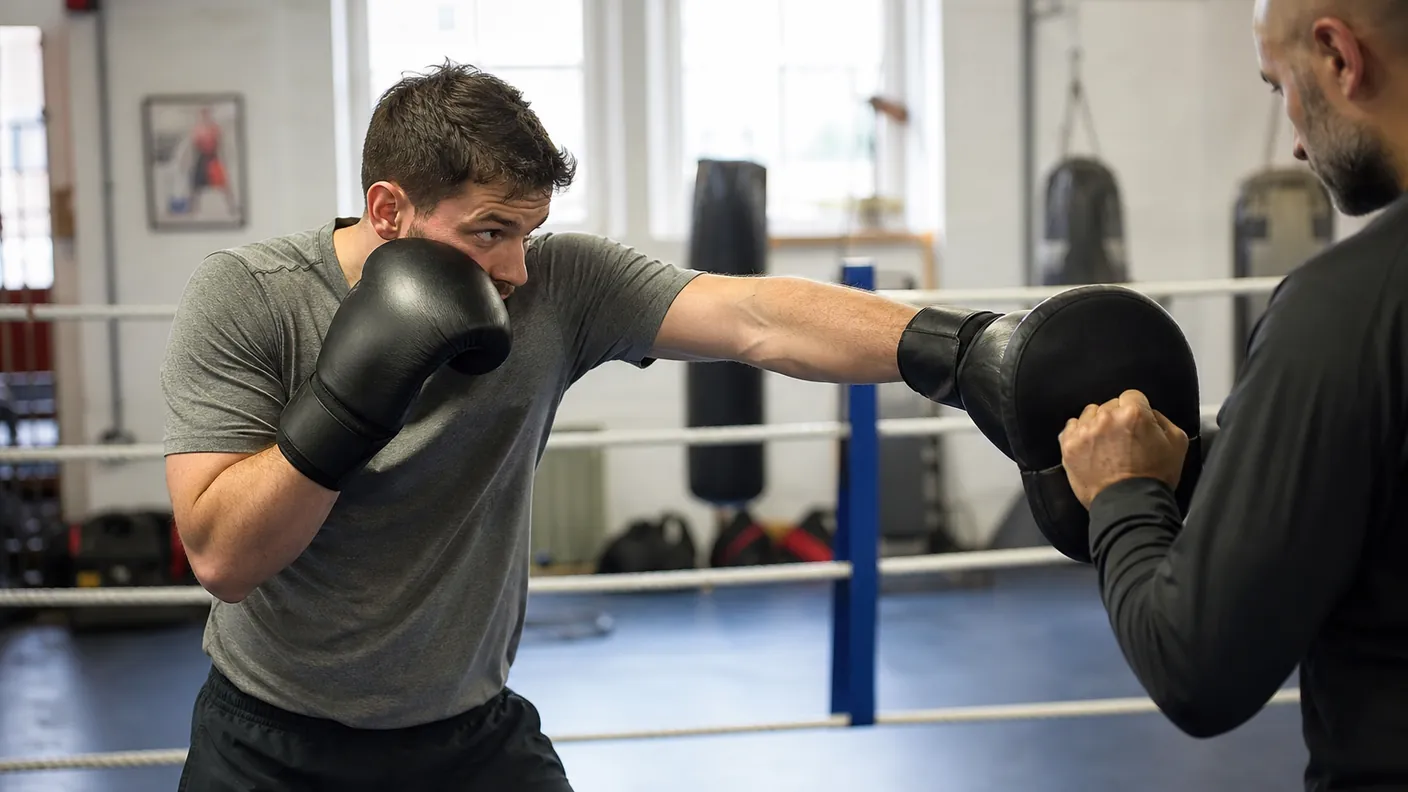
The Body Jab: A Safe Boxing Setup
Use a compact body jab to change the target, check range and set up the next decision without falling over your front foot.
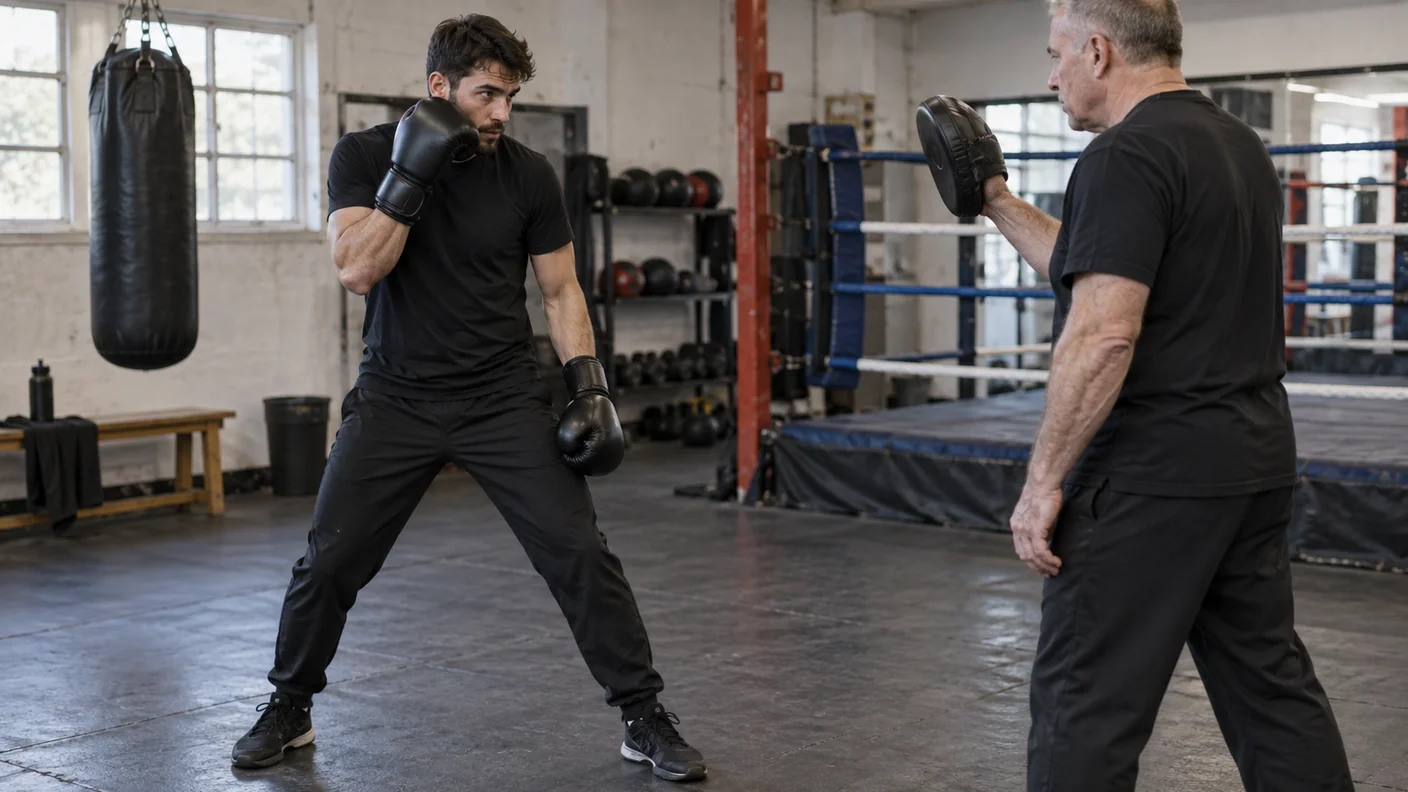
Hip Jab Boxing: An Advanced Range Drill
Use a low-to-high lead-hand jab only when a coach has confirmed that your guard, range and recovery already hold up.
Was this page helpful?
It takes one tap, and it genuinely helps.
Choose your next step
Turn this article into the right action
Some readers are ready to book. Some need the class route first. Pick the route that matches what you actually want.