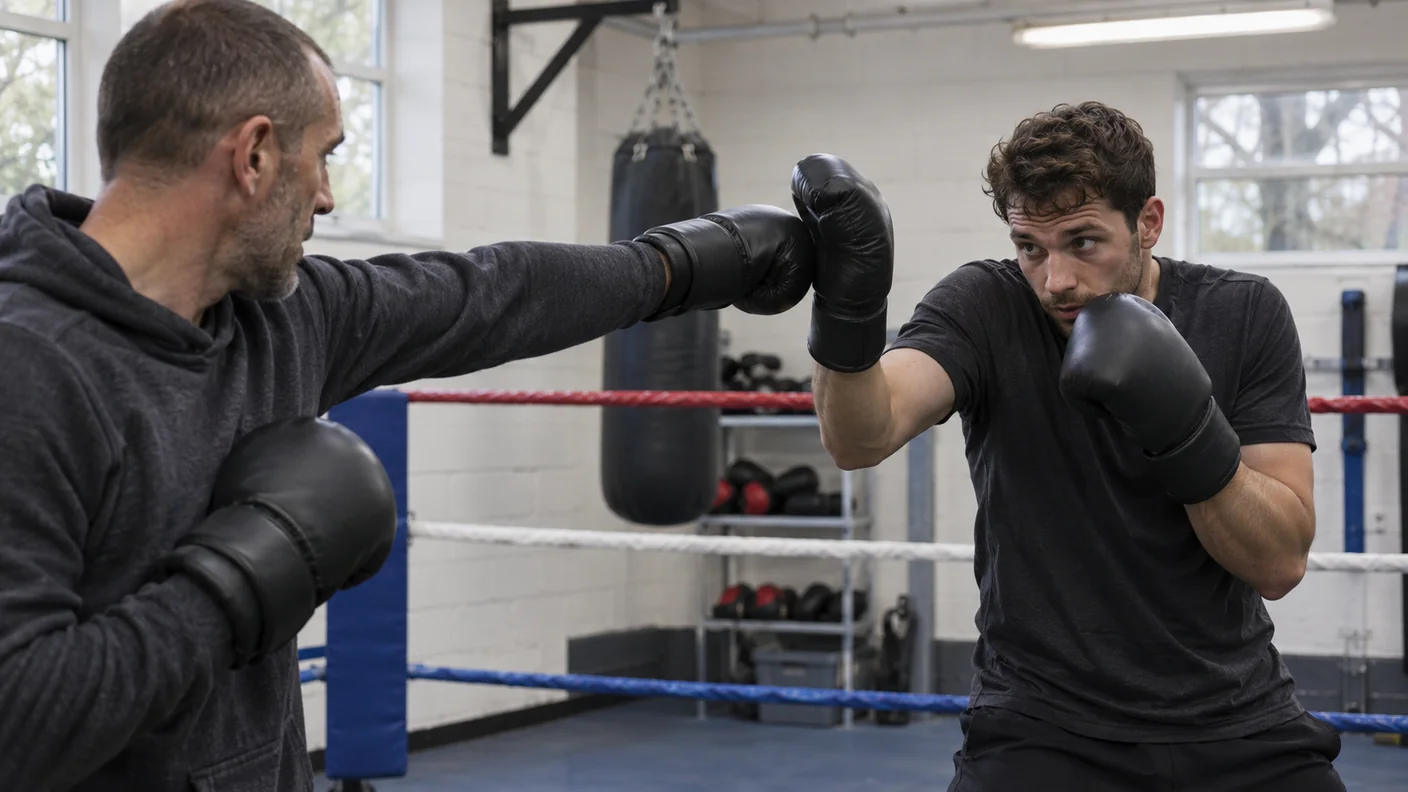
A jab can make you feel trapped without landing cleanly. It touches the guard, interrupts your feet and makes you react as if every lead hand is an emergency. The usual beginner answer is to lean away or swat at the glove. Both can leave you further out of position than the jab has earned.
An outside parry is a smaller answer. You brush the jab away from your centre line, keep the other glove home and make a quiet angle before the opponent can repeat the same shot. It is not a trick for winning a hand fight. It is a way to stop a predictable jab becoming the start of their whole attack.
This needs a basic stance and a reliable guard first. If you are still learning to catch a jab without reaching, start there. The outside parry asks for better timing because the hand leaves the middle for a moment. Use it in a controlled drill before trying to force it into sparring.
What an outside parry is for
For an orthodox boxer facing an orthodox opponent, the lead hands share one side of the space between you. When the jab comes, your lead glove can make a short brushing action to guide it outside your lead shoulder. Southpaws reverse the picture, but the purpose stays the same: move the line just enough that the jab misses without taking your feet out of the exchange.
The parry is not a catch. A catch keeps the glove in front of the face and gives you plenty of cover. An outside parry takes the jab farther off line, which can make it easier to take an angle or see the opponent's lead hand for a moment longer. That extra control comes with a cost. If the parry is late or too wide, your own lead hand can be stranded.
This is why the movement has to be modest. Think brush, not slap. Your glove turns the jab outward by a few inches, then comes back into a working guard as your feet make a small adjustment. If you can feel your shoulder stretching forward or your chest tipping over the front knee, you have reached too far.
England Boxing's coaching handbook puts balance, guard and controlled progression at the centre of good coaching. That is the right standard here. A useful parry leaves you ready to jab, cover, step away or simply reset. A flashy hand movement that leaves you square is not useful defence.
Start from a catch-shaped guard
The safest way to learn an outside parry is to start from the same settled position you would use for a jab catch. The lead glove sits in front of the lead side of the face. The rear glove stays near the other cheek. Your elbows are close enough to protect the ribs, but not squeezed so tightly that neither arm can move.
As a slow jab arrives, let the lead glove meet the outside of the attacking glove or wrist. Turn the hand so the thumb travels down and slightly out. The motion is short and curved. You are guiding the jab past your lead shoulder, not trying to knock the other boxer off balance.
Keep your eyes on the chest and shoulders rather than staring at their glove. The jab may be a single touch, a double jab or the beginning of a rear straight. Your parry should buy you a clearer picture, not make you watch the hand you have just moved.
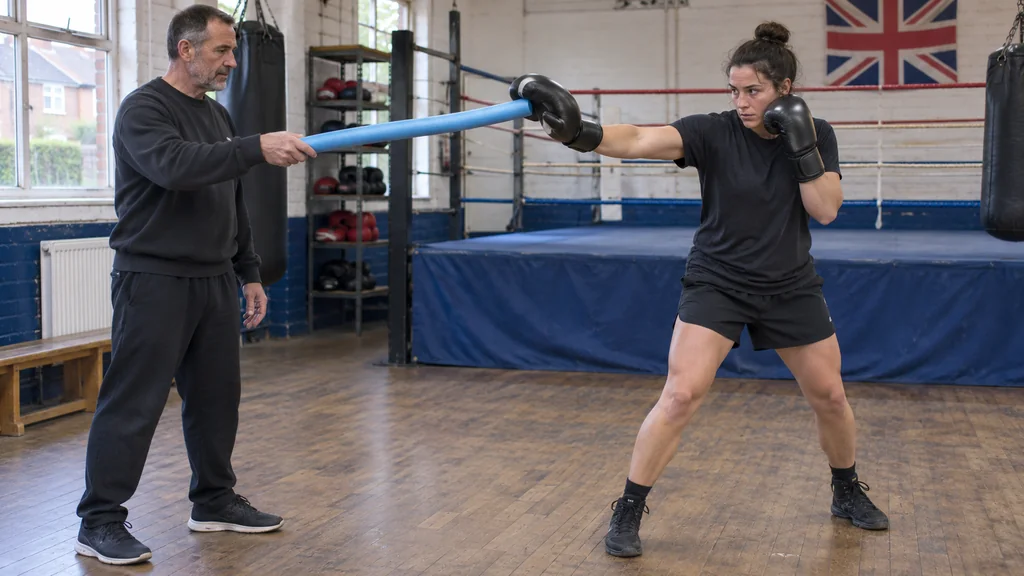
A review of anticipation in combat sports found that more experienced performers make better use of early movement cues. In a boxing gym, the practical lesson is simple: look for the shoulder, front foot and rhythm before the jab is fully extended. You do not need to guess every punch. You need to be calm enough to make a small answer when the line is clear.
Move off the line after the touch
The hand action on its own is not the whole skill. If you parry a jab and remain exactly where you were, the opponent can bring the lead hand back and fire it again. A small angle step gives the parry a finish.
After guiding the jab outward, move a short distance towards your lead-hand side. The lead foot goes first, then the rear foot follows enough to rebuild your usual stance. Keep the step smaller than you think. The goal is not to circle around the other boxer. It is to make them turn before they can line up the next jab.
The change of line should leave you in honest range. Test it with a light jab at a coach-held mitt. If you need to lean or stretch to reach it, the step was too large. If your rear foot crosses behind the lead foot, you have tried to escape instead of making an angle.
Our guide to an angle step that keeps you in punching range explains the footwork in more detail. The outside parry gives that step a reason. You have changed the jab line, then moved while the other boxer has to bring their hand and feet back into place.
Do not force the counter
The parry may reveal a jab, a clear exit or nothing at all. A counter is only one of those options.
A common mistake is parrying the jab and throwing a rear straight automatically. Sometimes that shot will be there. Often, the opponent has already withdrawn, loaded the rear hand or taken a step that makes the counter a bad bet. Throwing because the sequence told you to throw is how a useful defence turns into a trade.
Start with a simpler rule: parry, step, look. If a coach presents a mitt at sensible range, touch it with a jab. If the mitt is not there, bring both gloves home and reset. If a second straight line appears, use your guard or take another small exit. The point is to stay organised, not to prove that every parry deserves a reply.
This is the same discipline that matters in lead-hand control without reaching. A lead hand can touch, redirect or test space. It must still come home in time to defend the next question.
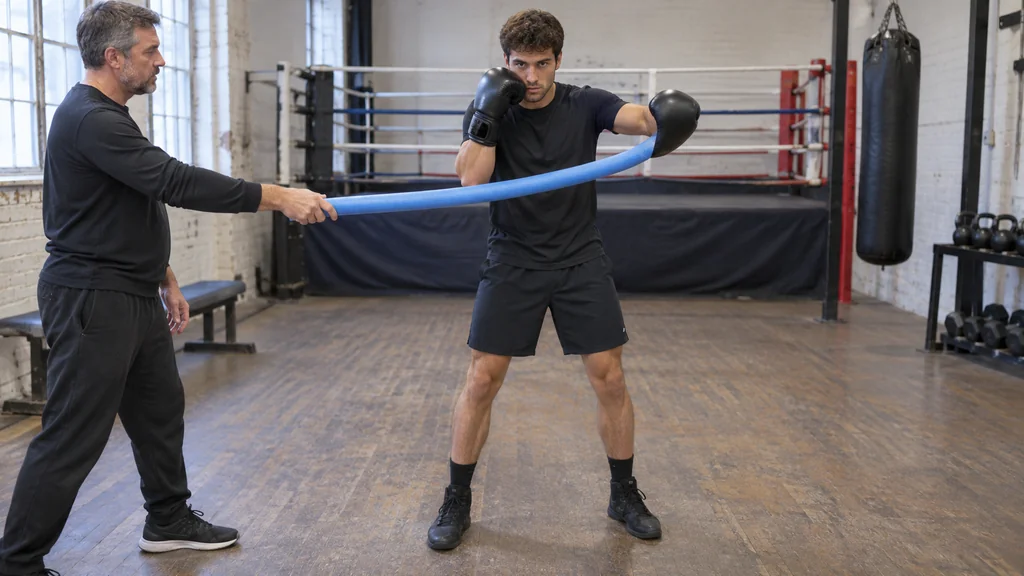
A three-round outside-parry drill
Use a coach, a trusted partner or a soft visual cue. Keep the pace technical. The jab should be readable, with no surprise hook or hard follow-up. This drill is about the shape of the defence and the decision after it.
Round one: touch and return
The feeder shows one slow jab line. Make the small outside parry, bring the lead glove back towards guard and freeze for one count.
Check the finish. Your chin should still be behind the shoulder line, the rear glove should still cover its side, and both feet should remain staggered. There is no counter in this round. The aim is to make the parry compact enough that you can return it home without rearranging yourself.
Round two: parry and make the angle
Use the same slow jab. Parry it outward, then take one short step to the lead-hand side and settle back into stance. The feeder does not follow yet.
After each repetition, throw one light jab at a mitt or into open space. It is a range check, not a power shot. If the jab falls short, reduce the angle step. If your feet have crossed, slow the drill down and rebuild the stance before trying it again.
Round three: choose the ending
The feeder can now show a single jab, a double jab or no punch. Against the single jab, parry and take the small angle if the route is clear. Against the double jab, bring the lead hand home, make the second defence and reset rather than chasing a counter. When no punch comes, do not parry at air.
That final option matters. Good defence is not constant movement. It is seeing the line, making the smallest answer that works and staying balanced for whatever happens next.
Four faults to correct early
The first is reaching across the opponent's jab. If the active glove ends beyond your shoulder line, the movement is too large. Let the jab enter your defensive space before you guide it away.
The second is dropping the rear hand while the lead hand works. The parry does not make the rear straight disappear. Keep the far glove close to the cheek until the whole exchange has finished.
The third is taking a theatrical side step. You only need enough space to make the opponent turn. A dramatic jump often takes you out of range and leaves the feet too wide to punch or leave again.
The fourth is using the parry when the jab is already crowded. At close range, a catch, tight guard or step out may be safer. The outside parry needs room to redirect the line. Do not ask it to solve a problem that has already become an inside exchange.
For adults in Kidbrooke, Greenwich and nearby, our Recreational Adults boxing classes use pads, bags and controlled partner drills to build defensive choices without requiring hard sparring.
The coaching cue is short: brush the jab, take the angle, bring the guard home.
H&G Team
Writer at Honour & Glory Boxing Club, a community boxing gym in Kidbrooke, South East London.
KEEP READING
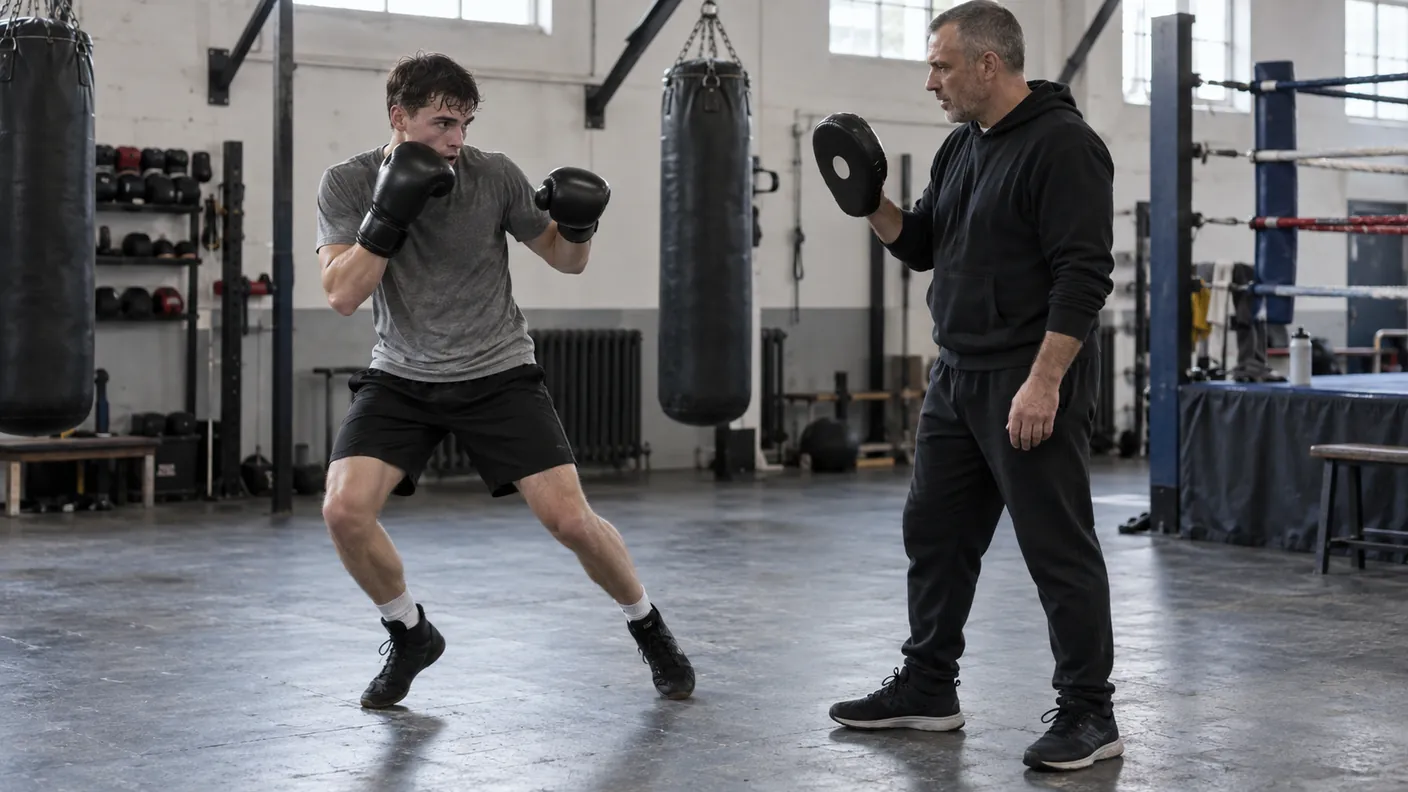
Parry While Moving: A Boxing Pressure Drill
Use a compact parry and small side step to leave pressure behind without reaching, freezing or rushing a counter.
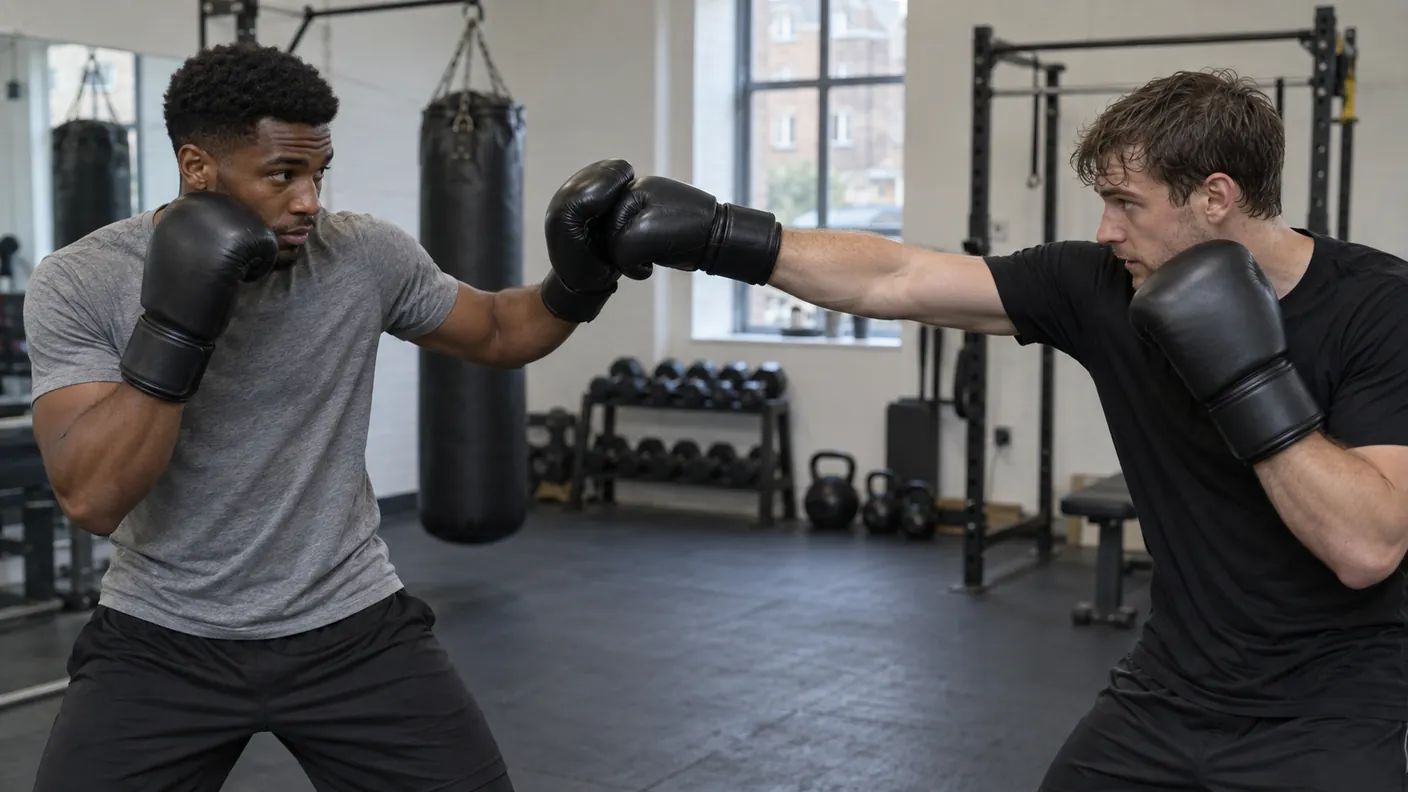
Parry and Return: A Boxing Drill for Straight Punches
Use a compact parry against straight punches, keep your guard in place and return only when the range and stance make sense.
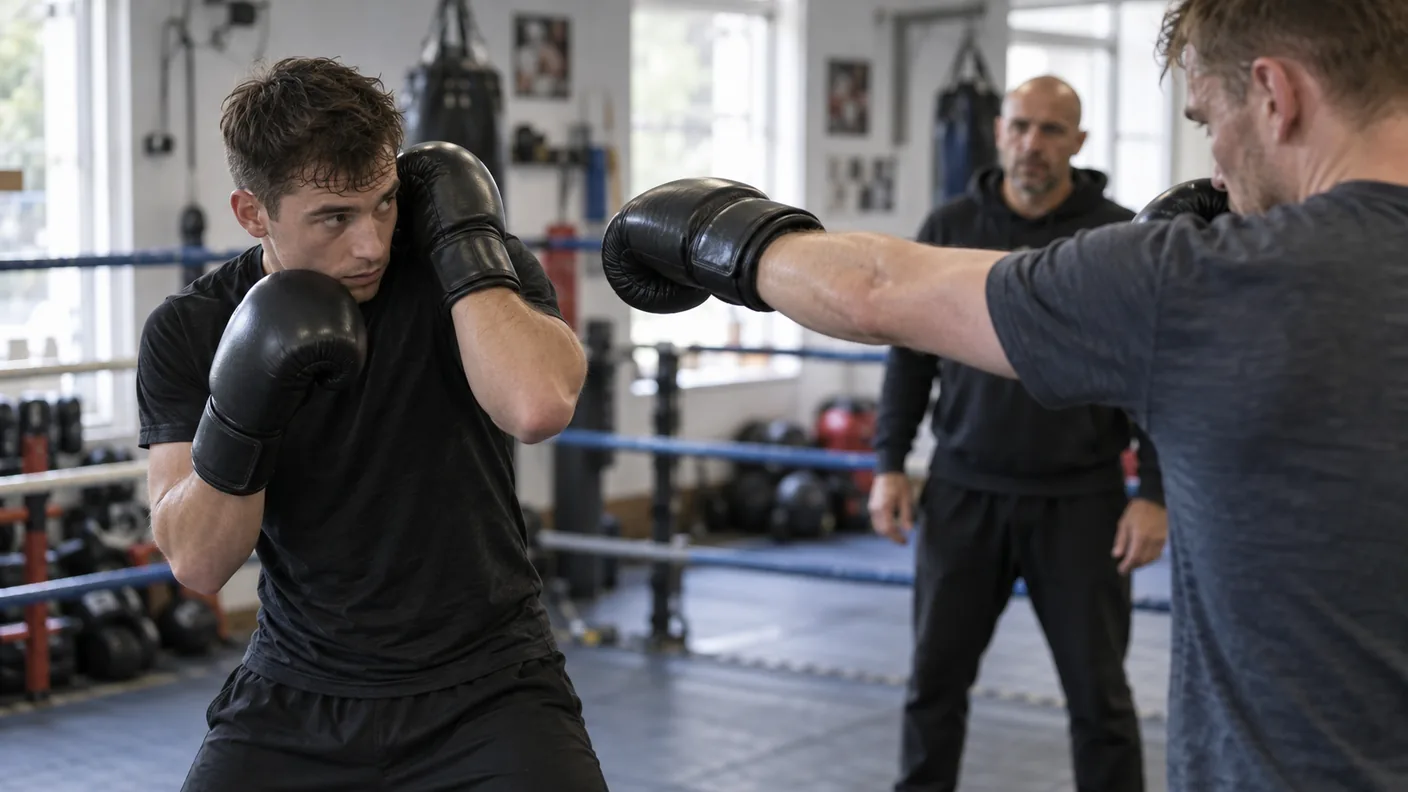
Elbow Parry: A Compact Jab Counter Drill
Use a compact elbow parry to close the jab line without reaching, then return to a balanced boxing stance before choosing a counter.
Was this page helpful?
It takes one tap, and it genuinely helps.
Choose your next step
Turn this article into the right action
Some readers are ready to book. Some need the class route first. Pick the route that matches what you actually want.