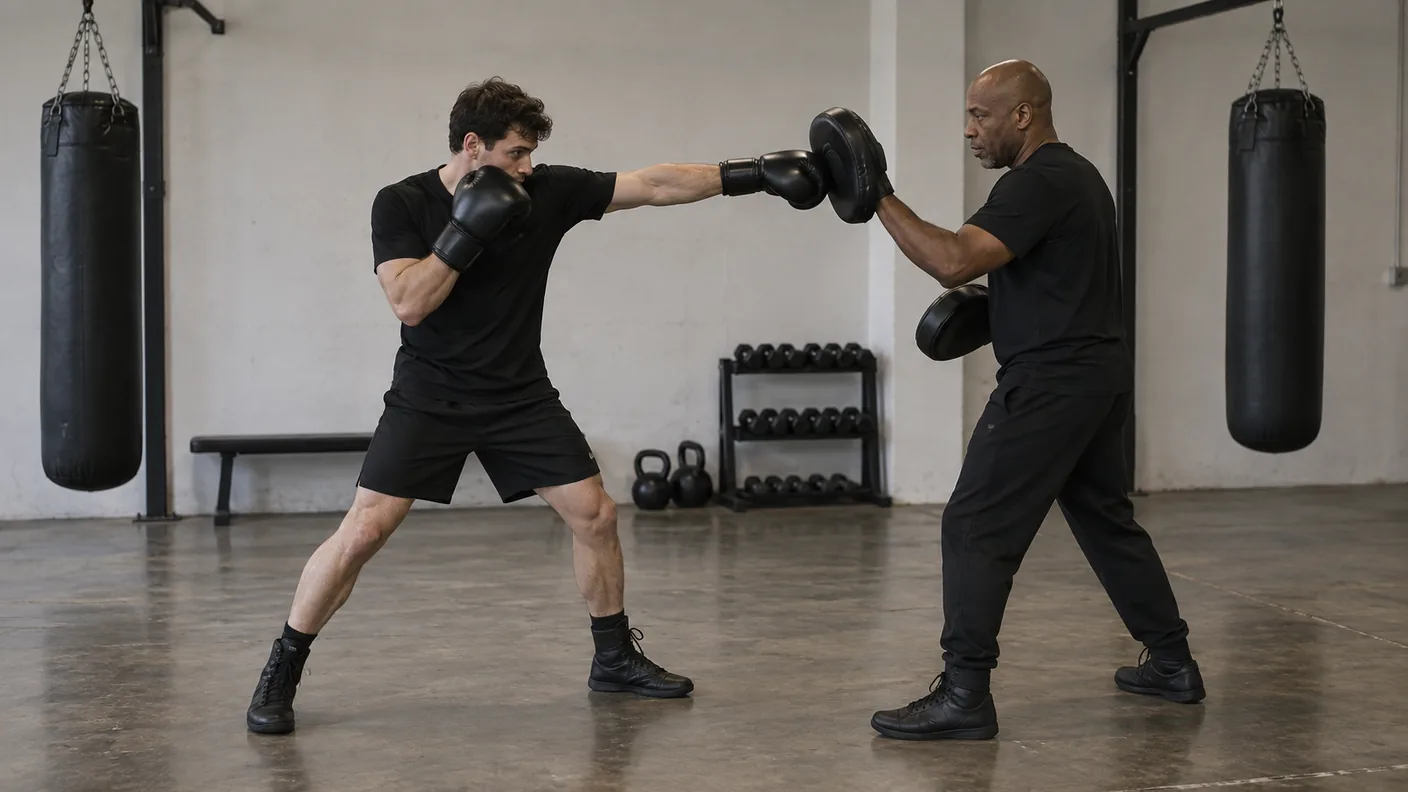
A punch can look busy and still be mostly arm.
You see it when a boxer tries to force the glove at the target. The shoulder tightens, the head follows the hand and the front knee drifts too far forward. The bag moves, but the boxer has landed in a place where the next punch, cover or exit is late.
A useful correction is to give the non-punching side a job. As one hand travels, feel the opposite shoulder make a small, natural turn back into your stance. This is not a big pull or a pose. It is a cue that can stop the arm from trying to do all the work alone.
The demonstration below is worth watching slowly. Notice the idea rather than copying its pace. The useful question is whether the punch leaves your feet, trunk and guard ready for the next job.
The opposite shoulder gives the punch a base
Take an orthodox cross. The rear hand travels forward, the rear hip and shoulder turn through, and the lead side needs to stay organised. If the lead shoulder collapses towards the target with the glove, the torso tends to follow the arm. The boxer reaches, finishes over the front foot and needs time to get the guard back together.
Instead, think about the lead shoulder quietly moving away from the punch as the rear side turns. The movement is small. It does not mean throwing the lead shoulder backwards before you punch, and it does not mean opening the lead hand or pulling your chin up. It simply helps the trunk rotate as one unit while the non-punching glove stays useful.
The same idea can help with a jab. As the lead hand travels out, the rear shoulder does not freeze by the ear. It stays relaxed and gives the torso room to turn without dragging the head forward. On a lead hook, the rear side remains available. On a rear uppercut, the lead side still needs to stop the body folding into the shot.
A review of boxing performance biomechanics describes punching as a linked action involving the lower body, trunk and upper body. That does not make one shoulder cue a shortcut to power. It does explain why an arm-only punch usually feels weak, awkward or slow to recover from.
Do not turn the cue into a wind-up
The correction can go wrong if you make it too large.
Some boxers hear "opposite shoulder back" and pull the shoulder behind them before the hand has moved. Now the punch is announced early. The chest opens, the guard separates and the opponent has a clear warning that something is about to come.
The cue belongs inside the punch, not before it. From a normal stance, let the glove travel and let the shoulders turn as part of the same action. The opposite shoulder is only there to stop you pushing the hand while the rest of the body watches.
Keep the head between the feet. If the turn pulls the head past the front knee, you have traded one mistake for another. If the rear glove disappears during a jab, or the lead glove wanders during a cross, reduce the punch and rebuild the guard first.
England Boxing puts balanced stance, control and gradual technical progressions at the centre of its coaching handbook. That is the right test here. After a single punch, could you still cover, take one small step or throw another measured shot without rearranging your feet? If not, the turn was too big or the range was wrong.
Start without a glove leaving the guard
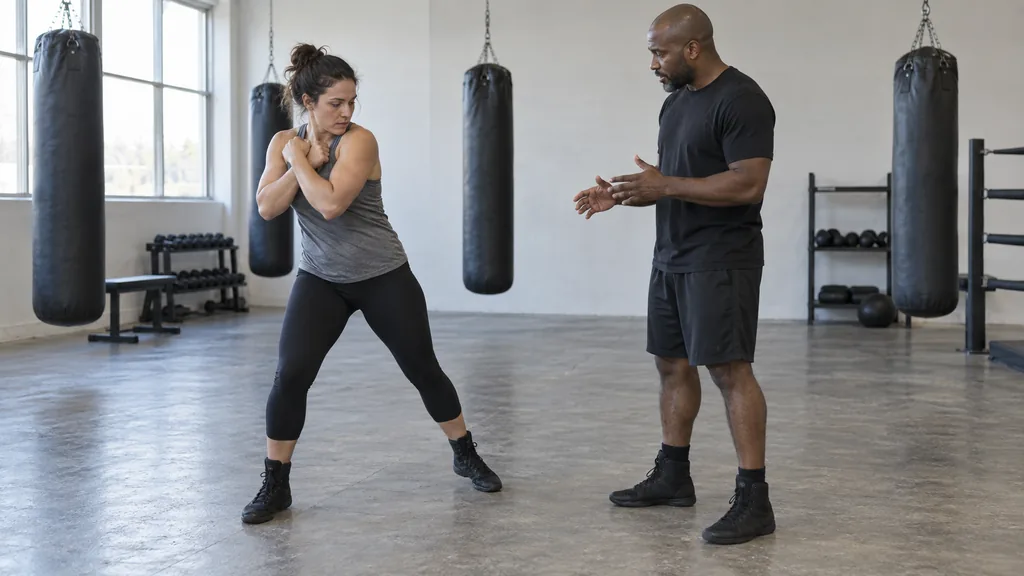
Before you add a punch, teach the body what a small turn feels like.
Stand in your usual boxing stance with the feet underneath you. Fold your forearms lightly across the chest, without squeezing the shoulders up. Turn a few centimetres to the left, return to centre, then turn a few centimetres to the right. The hips and shoulders should move together while the head stays level and the knees remain soft.
This is not a flexibility drill. There is no prize for turning farther. It is a short technical check: can you rotate without leaning, lifting a heel too early or shifting the whole body outside the stance?
If a coach is present, ask them to watch from the side. They should see a quiet turn through the trunk, not a dip of the head or a large twist of one shoulder. Twenty to thirty calm repetitions are enough before you move on.
Build the turn into single punches
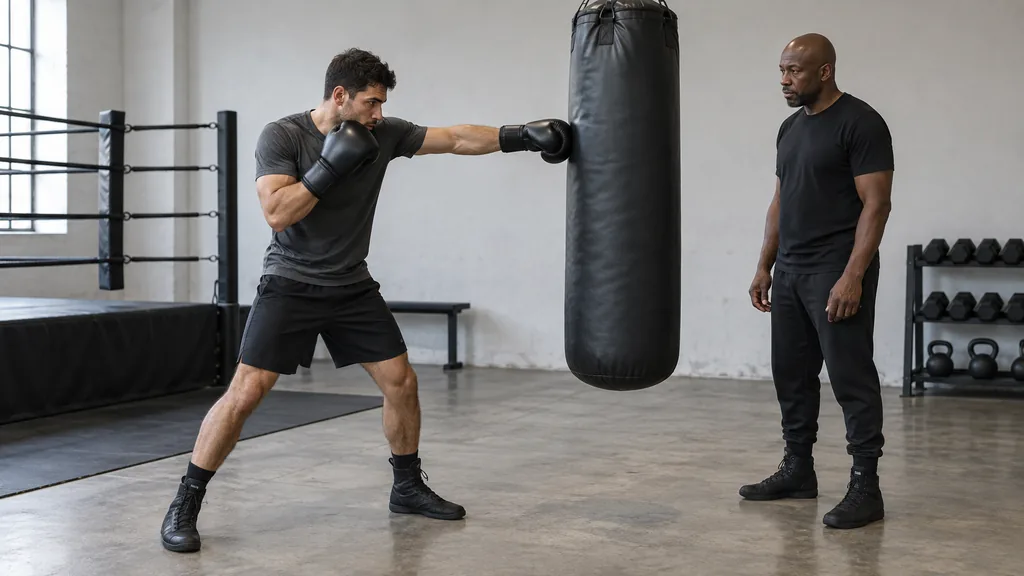
Now put the hands back into guard and work single punches at low effort.
Round one: one jab, one check
Throw a light jab into the air, a focus mitt or a bag. As the lead hand goes, feel the rear shoulder stay loose and allow a small turn through the body. Bring the jab straight home, then pause.
Check three things. Is the rear glove still near the cheek? Is the chin behind the lead shoulder rather than travelling forward? Could you take a step in either direction without untangling your feet?
Do not chase snap on this round. A clean jab that comes home in balance is the standard. Our guide to straight punch shoulder lines is useful if the chin is still appearing above the lead side.
Round two: one cross, one freeze
Start at a range where the cross does not need a lunge. Throw a single measured cross into a mitt or bag. Let the rear hip and shoulder turn through, while the lead shoulder gives the trunk a calm counterbalance. Then freeze for a second.
The freeze makes the answer obvious. If the lead glove has dropped, bring it home. If the chest has fallen over the front knee, take a smaller step into range before the next rep. If the feet have become narrow or square, do not try to fix the position by throwing another punch.
This fits with our guide to setting your feet before a boxing punch. The punch is only useful when the stance still exists after it lands.
Round three: jab-cross, then choose
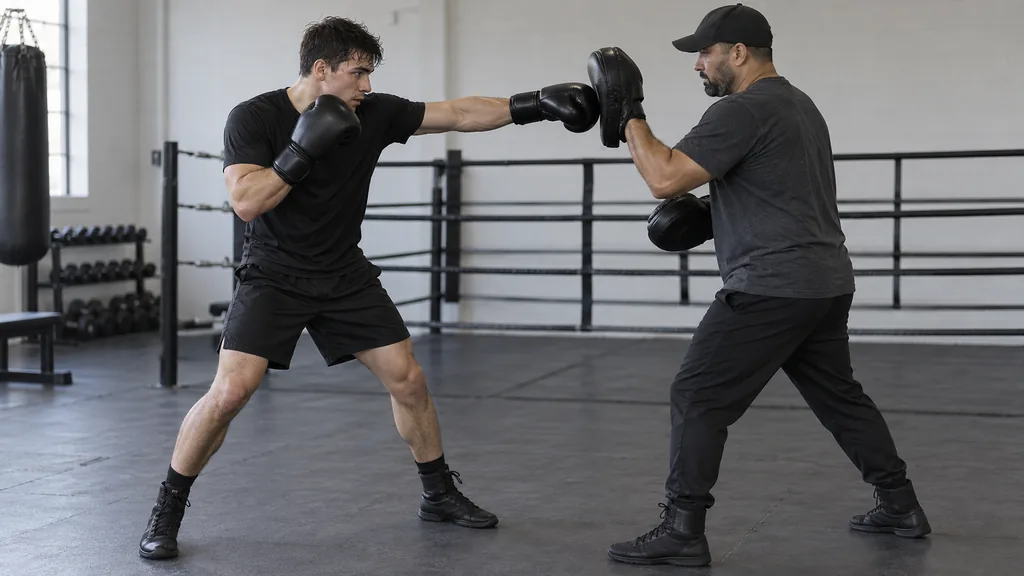
Use a coach with mitts, or shadow box in front of a mirror. Throw a calm jab-cross, but do not add a third shot automatically. At the end of the cross, choose one sensible finish:
- Bring both gloves home and reset.
- Take a small step out if you are close enough to be crowded.
- Re-jab only if the range is still clean.
- Cover if the coach gives a slow return cue.
The point is not to memorise a sequence. The small opposite-shoulder turn should leave you in a place where you can make a choice. If it only works when you throw the next punch exactly on time, it is not yet a useful habit.
Four mistakes that make punches feel heavy
The first is pulling the shoulder back before the punch. That is a wind-up, not a connected turn. Let the hand and shoulders begin together.
The second is leaning backwards to avoid reaching. A straight punch should not make you fall in, but it should not make you tip away either. Keep the head over the base and use the feet to find honest range.
The third is tensing the non-punching side. The rear shoulder does not need to lock during a jab, and the lead shoulder does not need to disappear during a cross. Both sides should remain available for guard, balance and the next decision.
The fourth is treating the bag as proof. A heavy bag does not counter you. Use it to feel the connection, then bring the same calm shape to pads or controlled partner work where a coach can check whether the guard and stance survive.
The coaching cue
Let the hand travel, let the body turn, keep the other side useful.
That is enough to start. Do not chase a dramatic shoulder pull or a harder punch. Build a quiet turn, make sure the guard returns and let the feet decide whether the next action is a punch, a cover or an exit.
For adults in Kidbrooke, our Recreational Adults boxing classes use pads, bag work and controlled partner drills to make mechanics practical. A coach can help you spot whether a punch is coming from the feet and trunk, or whether the arm is trying to rescue a poor position.
H&G Team
Writer at Honour & Glory Boxing Club, a community boxing gym in Kidbrooke, South East London.
KEEP READING
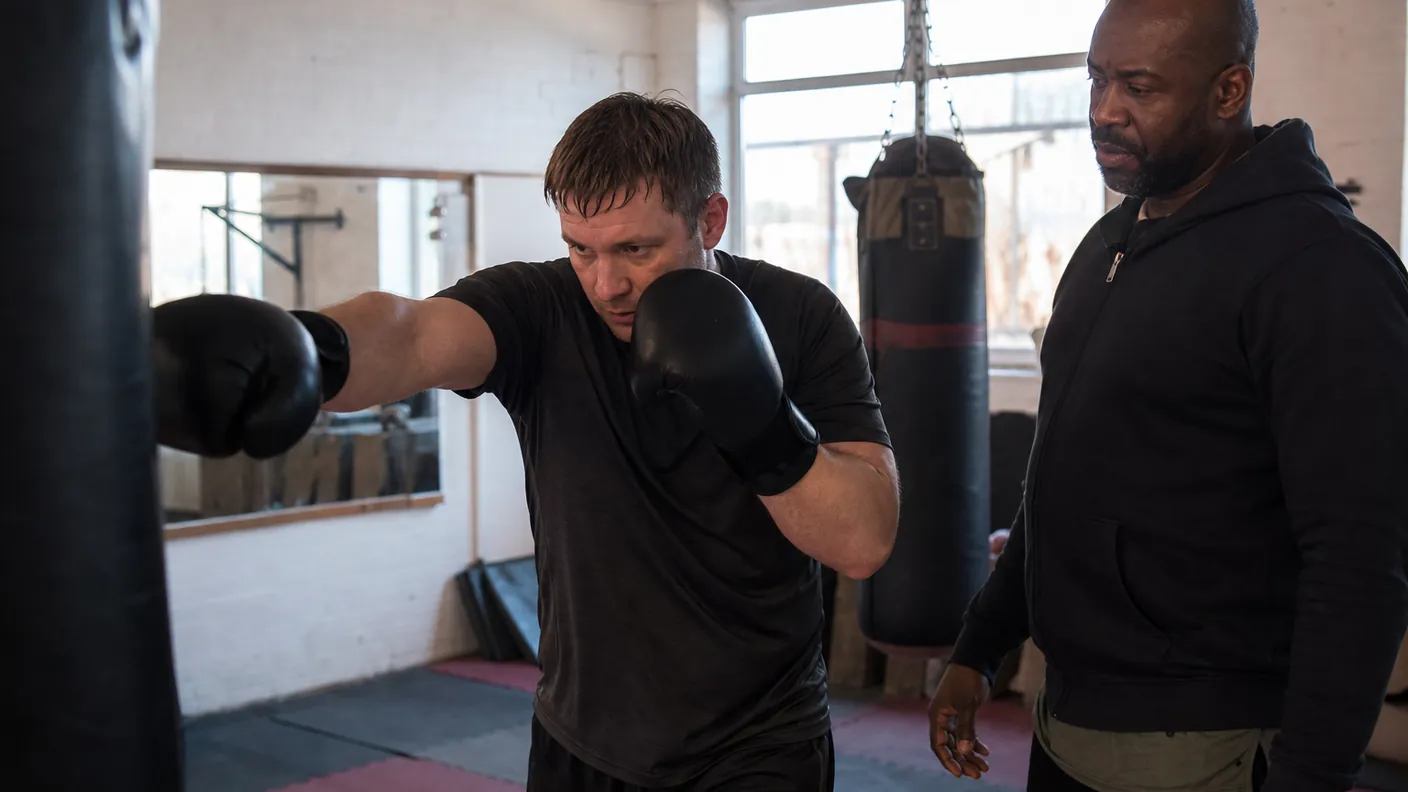
Straight Punch Shoulder Line Drill
A simple straight-punch drill for keeping the shoulder, glove and chin connected instead of reaching with the head.
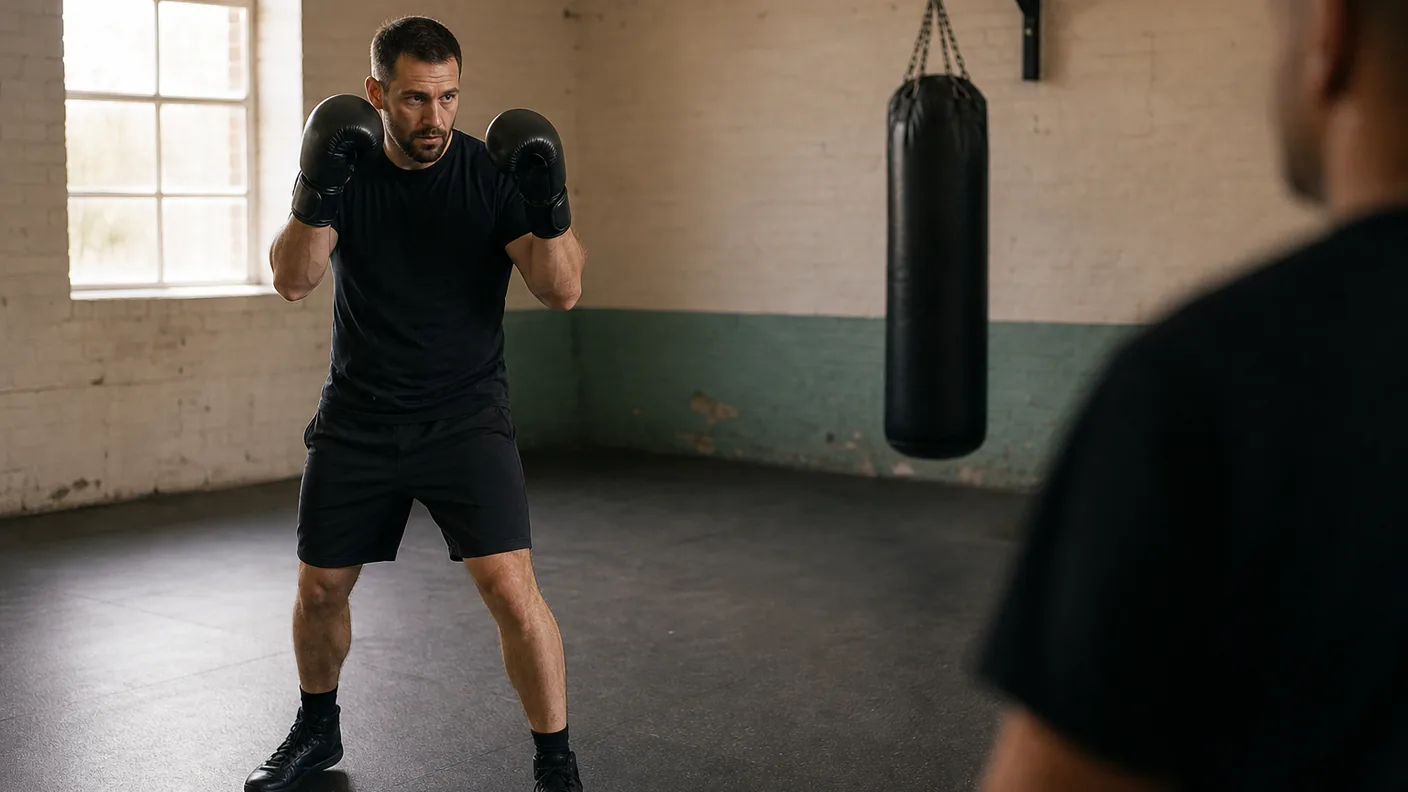
Why a Narrow Boxing Guard Spoils Straight Punches
A cramped boxing guard can turn the shoulders away from clean straight punches. Use this simple check to keep your stance useful.
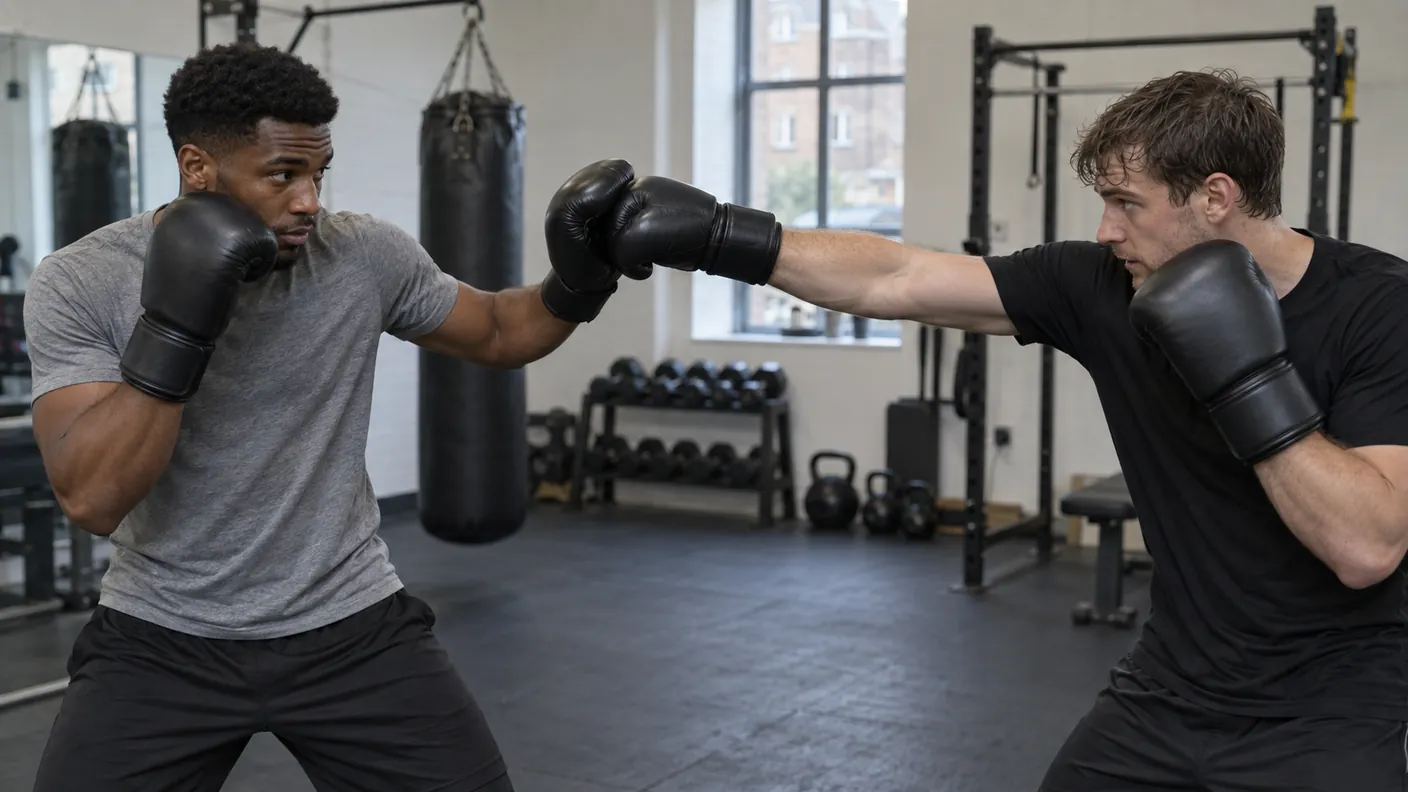
Parry and Return: A Boxing Drill for Straight Punches
Use a compact parry against straight punches, keep your guard in place and return only when the range and stance make sense.
Was this page helpful?
It takes one tap, and it genuinely helps.
Choose your next step
Turn this article into the right action
Some readers are ready to book. Some need the class route first. Pick the route that matches what you actually want.