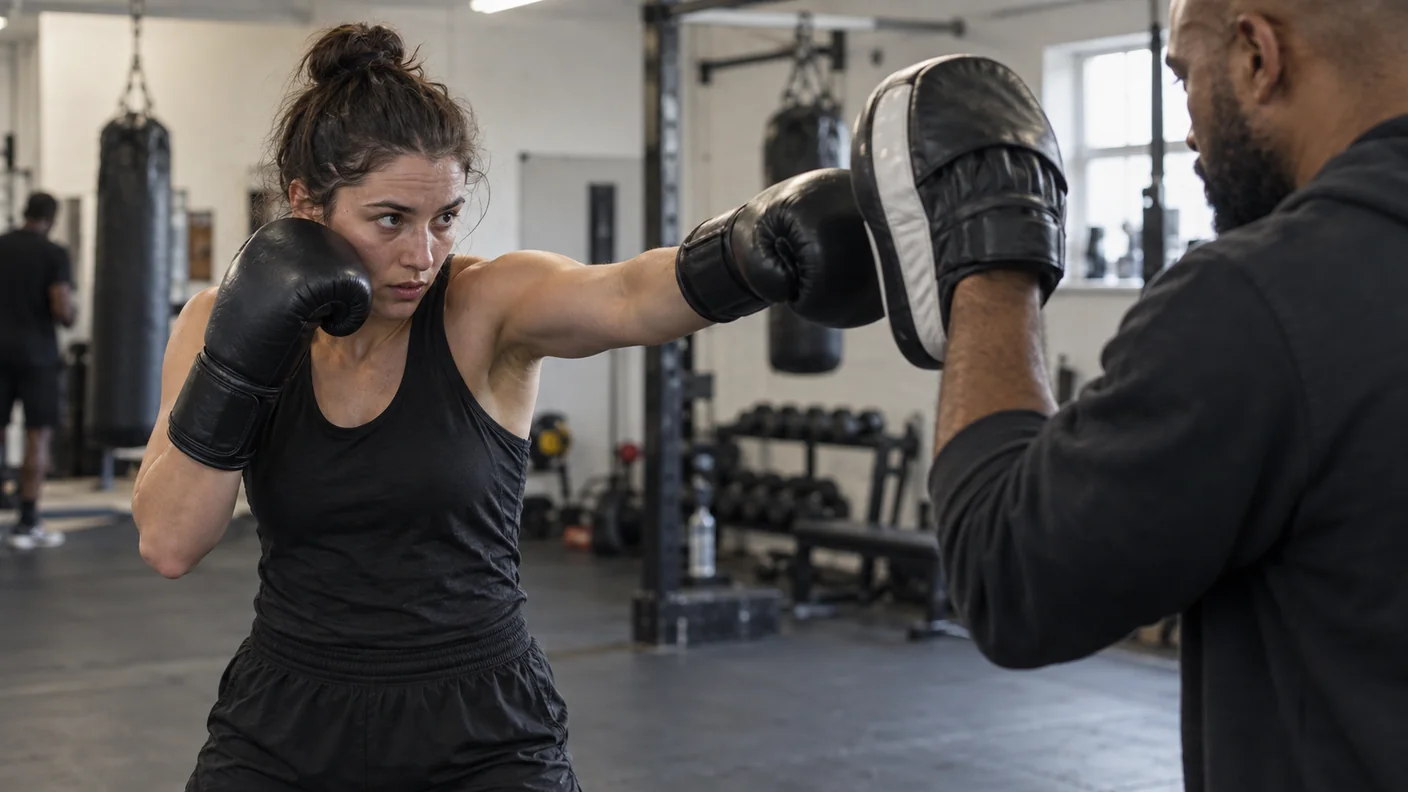
A corkscrew jab is not a magic punch. It is a small variation on the ordinary jab that gives the lead hand a narrower route when a high guard is compact and the usual straight line keeps meeting gloves.
The useful version is subtle. Your lead hand starts in its normal place, your rear glove stays home, and the fist turns only enough to travel through a narrow opening. You are not drilling a hole through somebody's guard. You are testing whether a small change of line makes them tighten, parry, step back or show another answer.
That makes it a good technical tool for boxers who already own a reliable jab. It is not a substitute for stance, range or a proper guard. If the ordinary jab is not clean, adding an unusual finish normally makes the problem worse.
The short video below is a useful visual reference. Watch the compact lead-hand line and the balance underneath it, not the fighter-specific sequences around it.
What makes the corkscrew jab different
A normal jab usually finishes with the knuckles turning over into a familiar horizontal shape. With a corkscrew jab, the hand can stay closer to neutral for longer, with the thumb more upright as the glove travels. That creates a slightly narrower profile at the point of contact.
The purpose is not power. It is line. Against a tight high guard, there are moments when a broad, obvious jab lands on the outside of the gloves and tells the other boxer exactly what you are trying to do. A compact rising line can make them hesitate without asking you to load up or reach.
Do not mistake this for an uppercut from too far away. The elbow should not drop below the hand and the shoulder should not pull the chin out into the open. It is still a lead-hand punch from sensible jab range. The variation happens at the end of the line, not in a dramatic wind-up.
England Boxing's coaching handbook is clear that a sound stance, guard and balance sit underneath effective punching. That is the first check here. If turning the fist makes you stand square, raise the chin or lose the rear glove, return to the standard jab.
Use it to test a high guard, not beat one by force
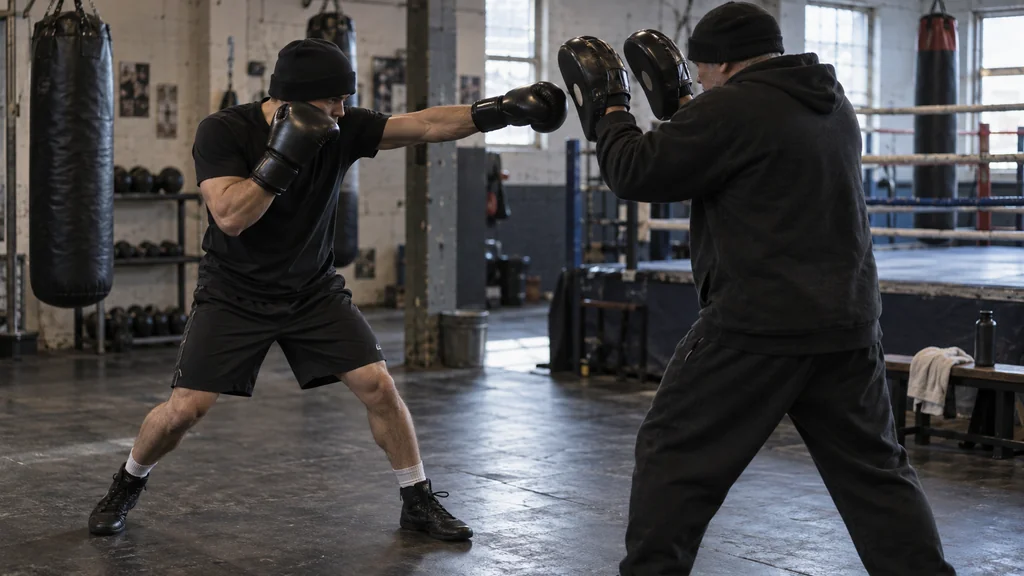
The corkscrew jab is most useful when the other boxer has brought both gloves close, is looking to parry the usual jab, or is standing still behind a high guard. It gives you a different question to ask with the lead hand.
Start with the ordinary jab. If it meets the guard, do not immediately throw three more hard ones at the same target. See what happens next. Does the opponent pinch the gloves together? Does their lead hand reach out? Do they move back? Do they stay planted?
Then show the corkscrew line once, at controlled pace. A good result does not have to be a clean head touch. You may find the centre, make them lift their gloves, or make the lead hand leave its usual lane. That is enough information for the next decision.
This connects with lead-hand control without reaching. The lead hand should give you a better picture, not become a long arm that pulls your head into danger.
Keep the feet where the jab can still work
The punch is often shown when boxers are working from an open stance, but it does not need a complicated foot battle to be useful in class. Your job is simpler: stay at a range where a normal jab could land without your chest leaning past the lead knee.
From there, take one small adjustment only when the coach or partner has clearly changed the line. Your feet should finish staggered, with enough space to jab again, cover or step out. If you have to drag the rear foot after the punch, you were too far away before it started.
A boxing biomechanics study found that skilled punching depends on coordinated contribution across the body rather than an arm acting alone (biomechanical analysis of boxing punches). The coaching version is less scientific but more useful: if your feet are not organised, the clever hand position does not rescue the punch.
A three-round drill to build the line
Keep this drill on mitts or in light, pre-agreed partner work. The point is accuracy and return to guard, not forcing a shot through somebody's face.
Round one: find the ordinary jab
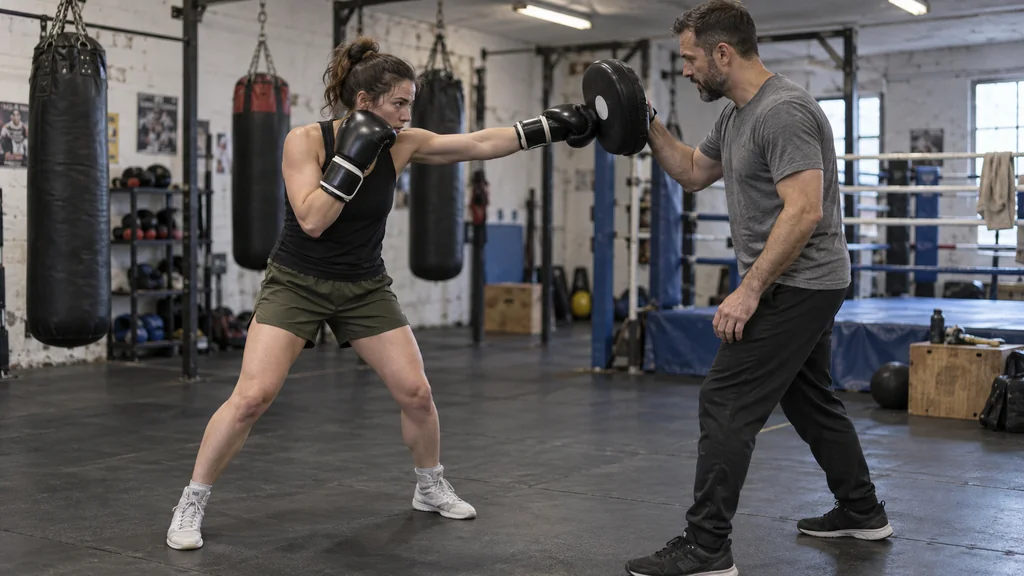
Stand at honest jab range. The coach holds one mitt in the ordinary jab lane. Throw a standard jab, return it to guard and freeze for one count. Check the simple things first: rear glove at the cheek, chin behind the lead shoulder, feet still staggered.
Do not add the variation until this looks calm. A corkscrew jab is a detail, not a repair kit for a falling-in jab.
Round two: turn late and return early
The coach moves the mitt a little closer to the centre line or brings a second mitt in as a visual high guard. Throw the jab normally for most of its path, then let the fist stay a little more neutral as it finds the available line.
Do not force the wrist into an uncomfortable angle. The mitt should receive a light, straight touch. Bring the hand straight back to guard before deciding whether another punch is there.
Round three: read the response
Now the coach can show one of three pictures after the jab: stay still behind the mitts, pull the lead mitt away, or take the target away completely. The boxer makes one suitable choice: touch the available mitt with a regular jab, step out, or reset.
There is no compulsory follow-up. If the target disappears, do not chase it with a long right hand. The best rep is the one that finishes balanced enough to defend again.
Four mistakes that ruin the shot
The first is turning the fist too early. If you rotate before the hand has travelled, the shoulder and elbow often give the punch away. Let the jab start cleanly from guard, then make the small adjustment late.
The second is lifting the elbow. A corkscrew jab is not a wide hook or a low uppercut. If the elbow rises away from the ribs and the shoulder stops protecting the chin, the punch has lost its defensive shape.
The third is using it at the wrong distance. A narrow line will not make an out-of-range jab land. If you need to stretch the arm or pull the chest forward, take a small step with a normal jab instead. Our guide to keeping your jab straight without elbow flare explains why a clean route matters more than a complicated finish.
The fourth is treating a high guard as an invitation to throw harder. A high guard often means the other boxer is ready to block, step, counter or close distance. Use the corkscrew jab to learn something, then make the next choice with your eyes open.
For adults in Kidbrooke, Greenwich and nearby, our Recreational Adults boxing classes teach the jab as a working tool: range, balance, defence and the decision after the punch. Small variations become useful only when those basics are in place.
The coaching cue is simple: jab clean, turn late, hand home.
H&G Team
Writer at Honour & Glory Boxing Club, a community boxing gym in Kidbrooke, South East London.
KEEP READING
How to Use an Up Jab in Boxing
Use a compact up jab to change the line, test a high guard and keep your stance ready for the next decision.
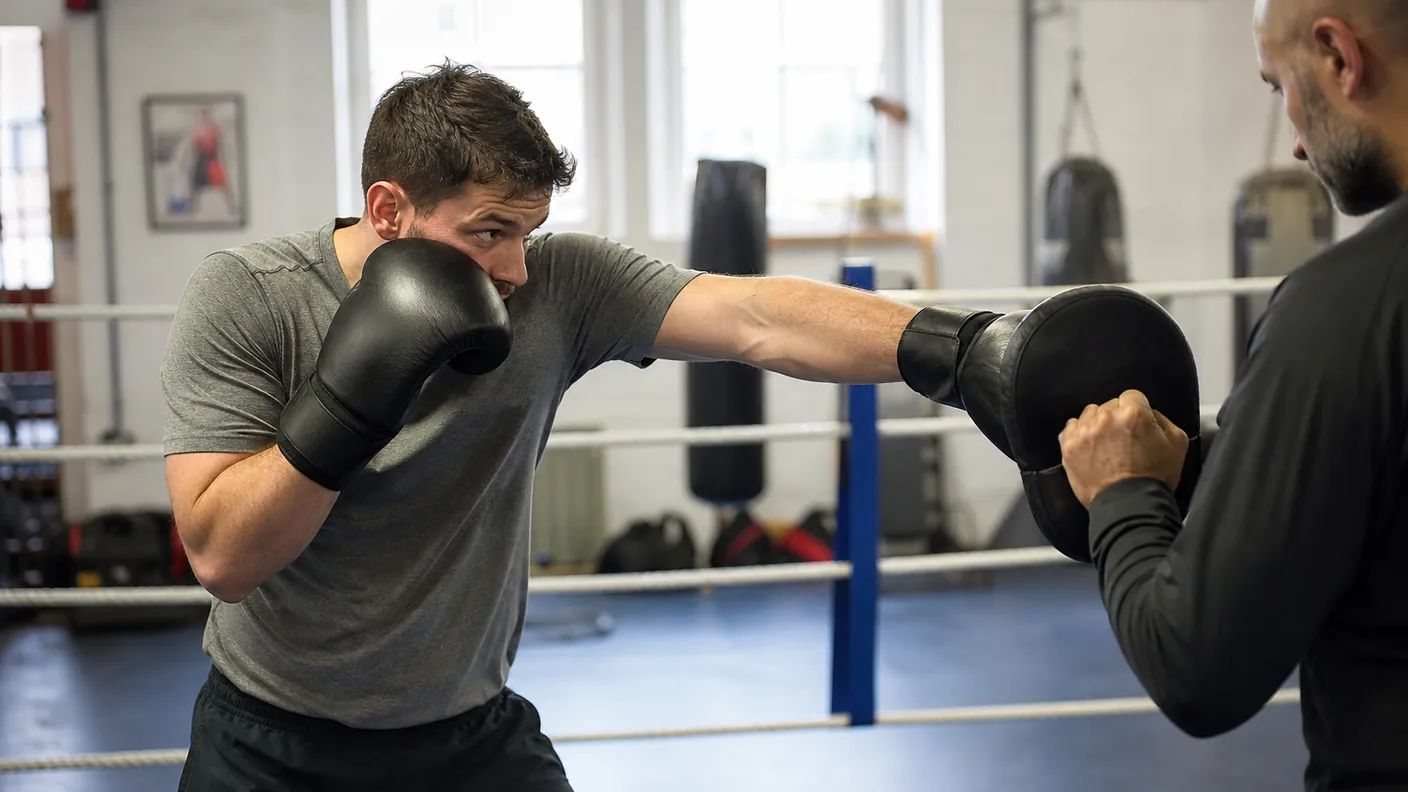
The Body Jab: A Safe Boxing Setup
Use a compact body jab to change the target, check range and set up the next decision without falling over your front foot.
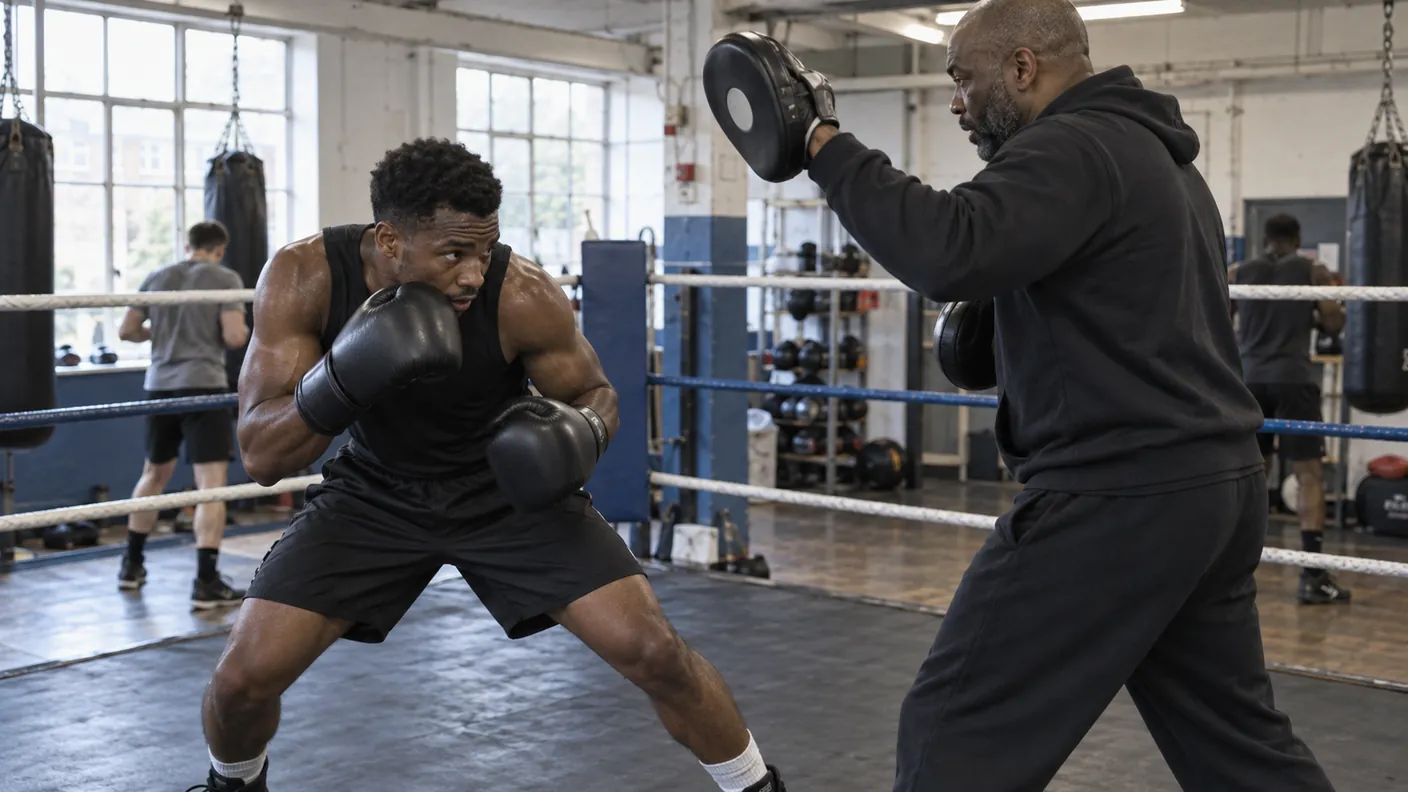
High Guard Boxing: Stay Covered Without Freezing
Use a high guard that protects your head while your feet, eyes and next decision stay active under pressure.
Was this page helpful?
It takes one tap, and it genuinely helps.
Choose your next step
Turn this article into the right action
Some readers are ready to book. Some need the class route first. Pick the route that matches what you actually want.