Can You Start Boxing If You Cannot Do a Press-Up?
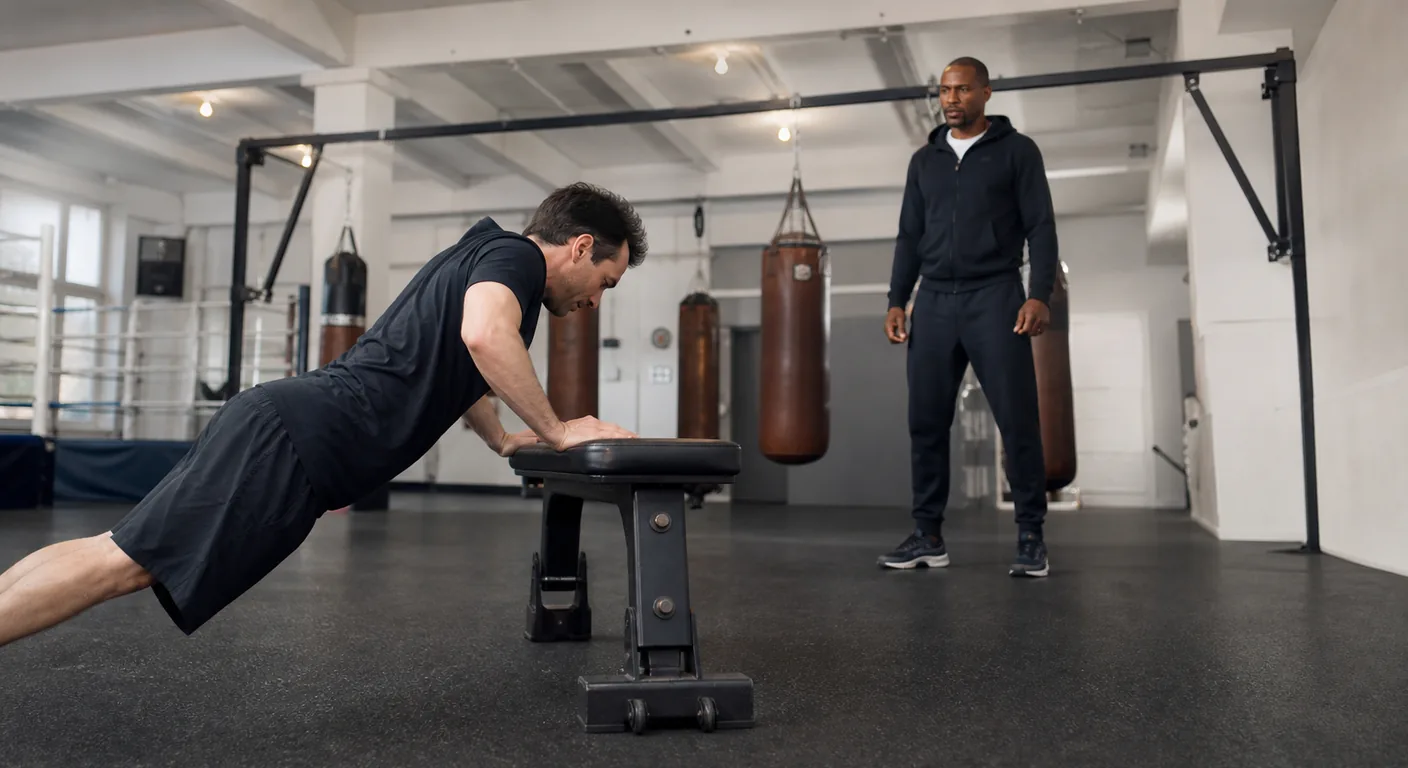
Yes. You can start boxing if you cannot do a press-up.
A press-up is a useful bodyweight exercise. It is not an entrance exam for a boxing class, a measure of whether you belong in the gym, or proof that you will struggle with every part of training. Plenty of people arrive able to run, squat, cycle or walk for miles but cannot yet lower and raise their body from the floor with good control. That is a starting point, not a verdict.
The first job in boxing is learning how to stand, move, breathe, hold a guard and hit with some shape. A coach can scale the conditioning around that. What does not work is staying away until you can pass a fitness test nobody asked you to take.
A press-up is not the same as boxing fitness
Press-ups train a specific pattern. Your chest, shoulders, arms and trunk have to control your bodyweight as you lower and press back up. That is valuable, but boxing asks different questions at the same time: can you keep your feet under you, turn without losing balance, listen while moving, and relax enough to breathe between punches?
Someone who cannot do a floor press-up may still have good leg strength, useful stamina, decent coordination or a strong appetite to learn. The reverse can be true as well. A person who can knock out 30 press-ups can still gas out on pads if they hold their breath, tense their shoulders and try to throw every punch hard.
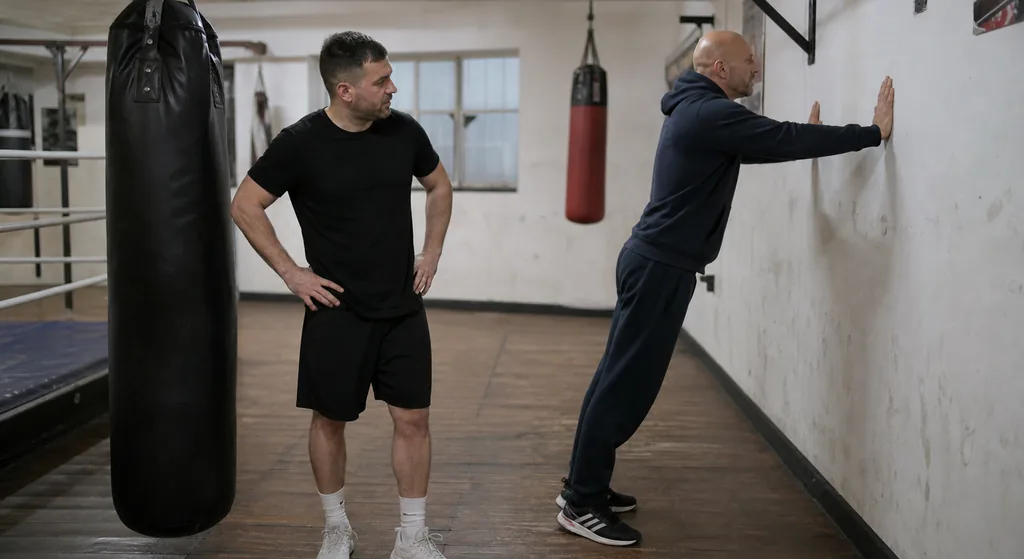
The NHS includes wall press-ups in its strength exercise guidance, which is the sensible place to start if a floor version is not there yet.
Its adult physical activity guidance also lists bodyweight work such as press-ups as one way to strengthen muscles, alongside many other options. The point is progression, not proving that one version of one exercise is easy today.
What a decent beginner class does instead
A good beginner class does not make every person do the same number of press-ups at the same speed just because the timer has started. It gives the movement a purpose, then adjusts the version when somebody needs it.
That can mean hands on a bench, a wall press-up, a shorter range, fewer repetitions, or a different exercise that lets you keep training without turning one weak link into the whole session. The coach still expects effort. They simply do not confuse effort with forcing a bad repetition from the floor.
Use an incline before you use your knees
For many adults, an incline press-up is the cleanest first change. Put your hands on a stable bench or box, keep the body in one line and lower under control. The higher the hands, the less bodyweight you are moving. As the movement becomes steadier, the surface can come lower.
This gives you a version you can practise without folding at the hips, craning the neck or bouncing through the bottom. It also makes progress obvious. A lower bench or an extra controlled repetition is a real improvement, even if it does not make a dramatic social-media clip.
Keep the boxing part of the session useful
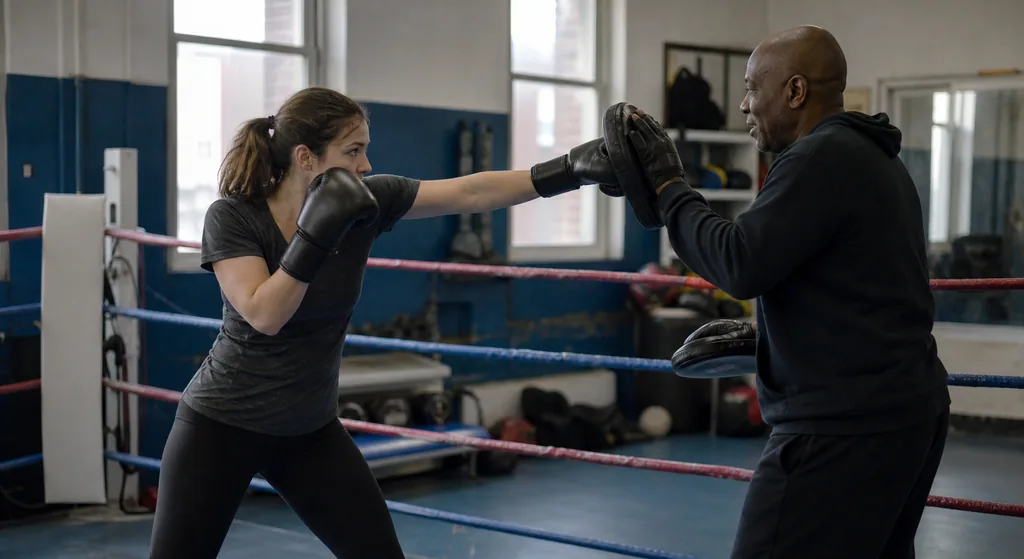
If press-ups are hard, do not let that become the excuse for going wild on the bag. Start with the parts of boxing that teach shape: stance, guard, a calm jab, basic footwork and controlled pad rounds. Those skills build fitness while also giving you something better than a sweaty memory of being exhausted.
Short technical rounds are often a smarter first dose than trying to survive three minutes of random punches. Our guide to beginner boxing round length explains how a one-minute or 90-second round can be tough enough to teach you something without making the timer the main event.
Tell the coach before the warm-up ends
There is no prize for hiding the fact that press-ups are difficult. Say it early and plainly: "I am new to this and floor press-ups are not there yet." A coach can give you the right variation before you have spent ten minutes pretending your wrists, shoulders or lower back are fine.
That conversation matters more if there is pain rather than ordinary effort. Soreness and weakness are normal places to begin. Sharp pain, a recent injury, a joint that feels unstable, numbness or a symptom that worries you needs a different response. Do not use a boxing class to test a problem you already know needs clinical advice.
What to work on outside class
You do not need a punishing home programme. You need repetition that is tidy enough to repeat.
Two or three short sessions a week can be enough to get the pattern moving. Pick one level you can control, such as wall press-ups or a bench variation. Do a small number of steady repetitions, rest, then do another set. Stop before every rep becomes a shrug and a head-first dive towards the floor.
You can also build the surrounding pieces: a simple plank against a bench, carrying shopping with good posture, rows with a band or light dumbbell, and regular walking. None of this replaces boxing. It makes the next boxing session feel less foreign.
If you want the wider picture of why a first class can feel much harder than expected, read why beginners gas out in boxing. The usual answer is not that you are hopelessly unfit. It is that you are learning a new movement skill while working hard.
Do not turn floor press-ups into a status test
The awkward thing about press-ups is that people use them to rank themselves. One person can do them quickly, another can only manage a few, and suddenly the session feels like a public scoreboard.
That is a poor way to judge a beginner boxer. The better questions are quieter. Are you showing up? Can you take one correction without getting defensive? Is your stance a little more stable than last month? Can you finish a round and still hear the coach? Those changes build a boxer. They also happen long before the first perfect set of press-ups.
At Adult Recreational boxing, the aim is to learn real boxing and get fitter through it. No sparring is required. If you are near Greenwich, Kidbrooke or Blackheath, arrive as you are, tell the coach where you are starting from, and let the progression be honest.
You do not need to earn your first class by training alone beforehand. You need to begin somewhere that understands the difference between a challenge and a test designed to embarrass you.
H&G Team
Writer at Honour & Glory Boxing Club, a community boxing gym in Kidbrooke, South East London.
KEEP READING
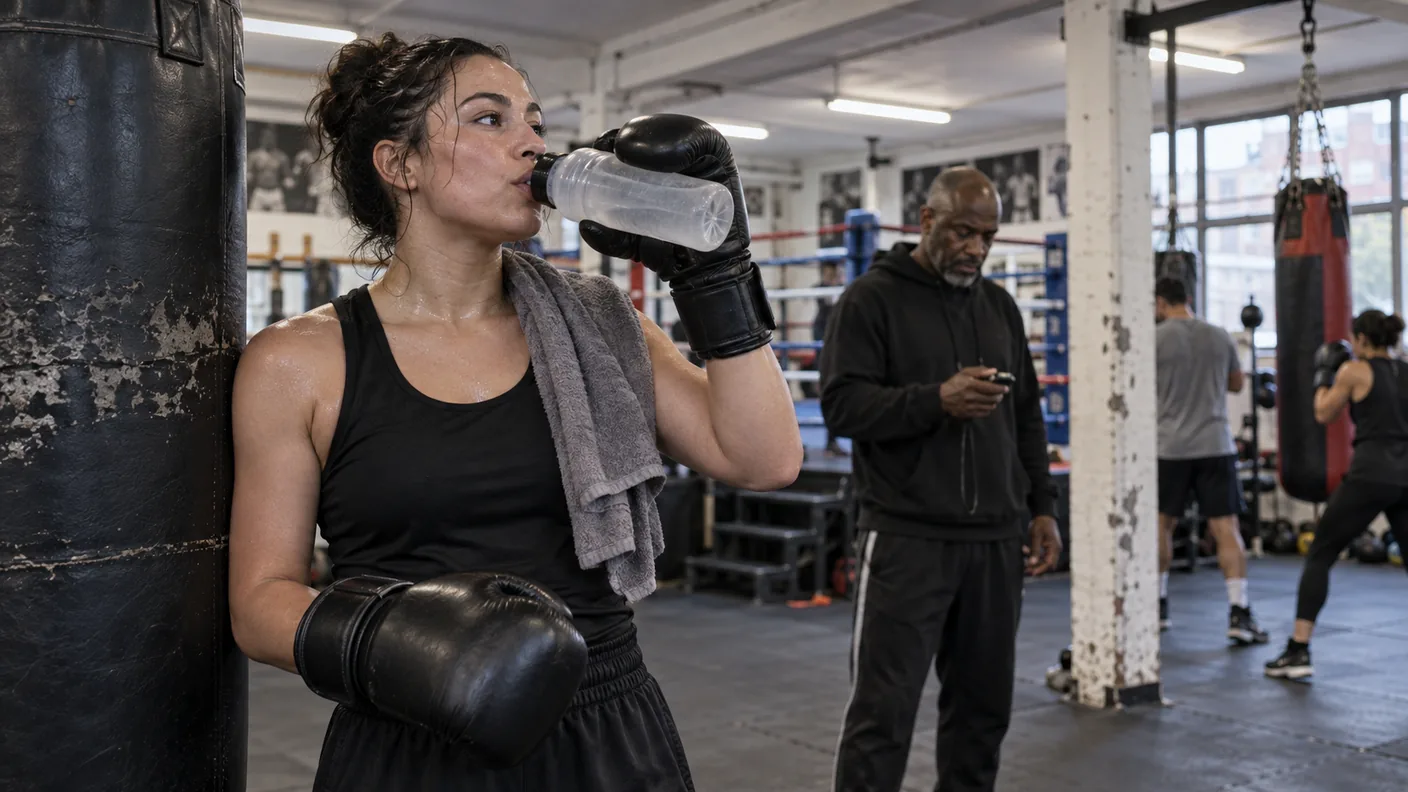
Is It Okay to Take Breaks in Boxing Class?
Yes. A short, honest break can keep a beginner boxing session safe, useful and worth coming back to.
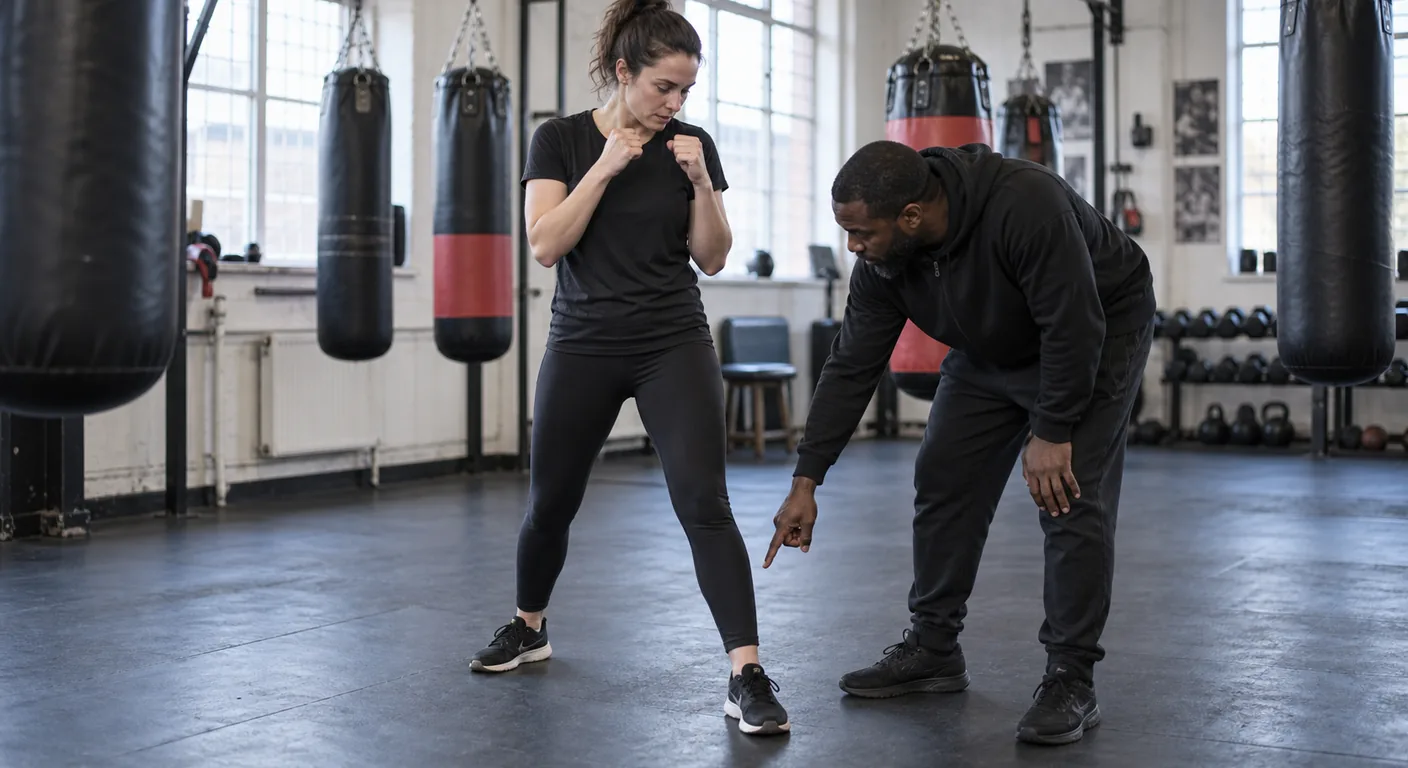
Do You Need to Be Aggressive to Start Boxing?
You do not need an aggressive personality to start boxing. You need patience, coachability and a class that teaches control first.
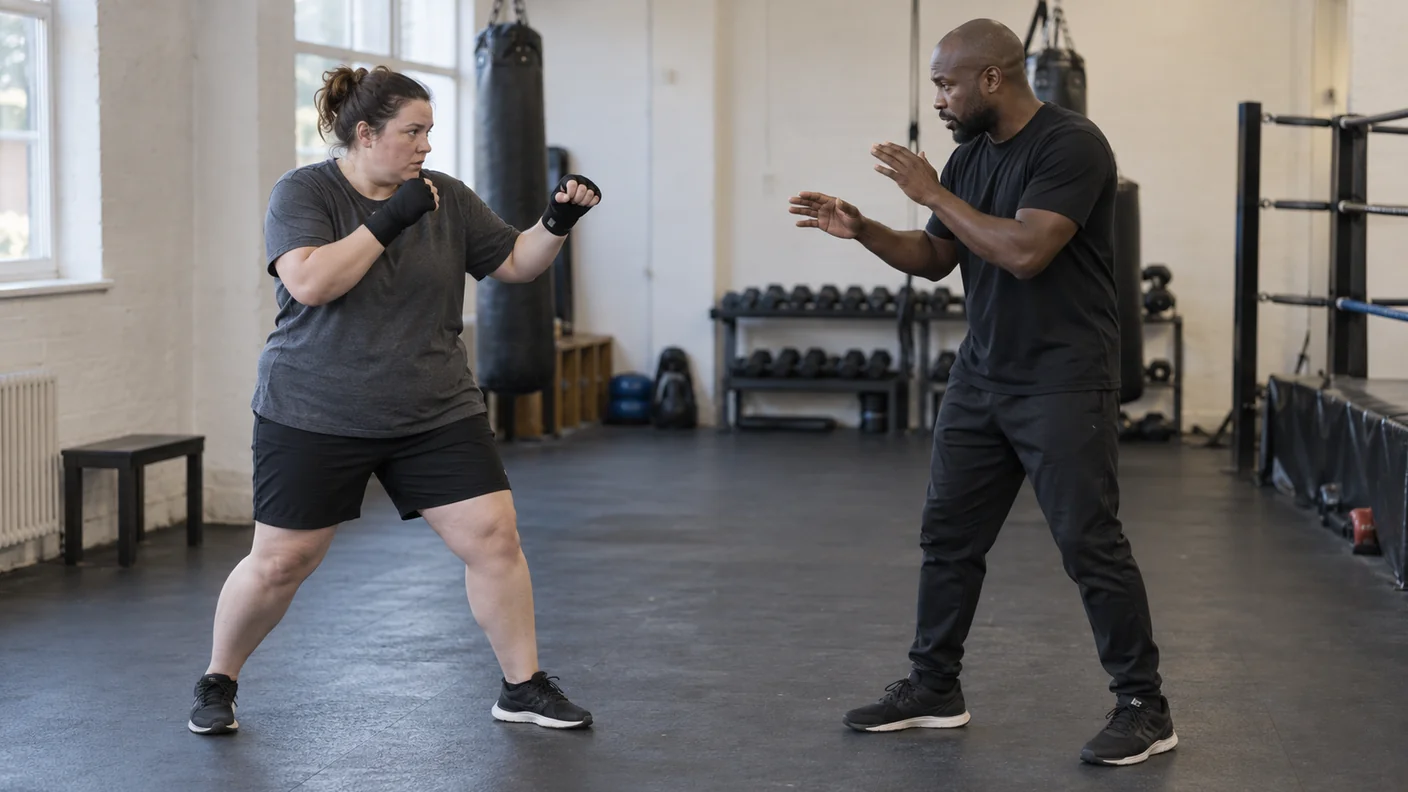
Can You Start Boxing If You Are Overweight?
Yes. Boxing can be a sensible place to start if you are overweight, provided the class is coached, paced well and honest about your starting point.
Was this page helpful?
It takes one tap, and it genuinely helps.
Choose your next step
Turn this article into the right action
Some readers are ready to book. Some need the class route first. Pick the route that matches what you actually want.