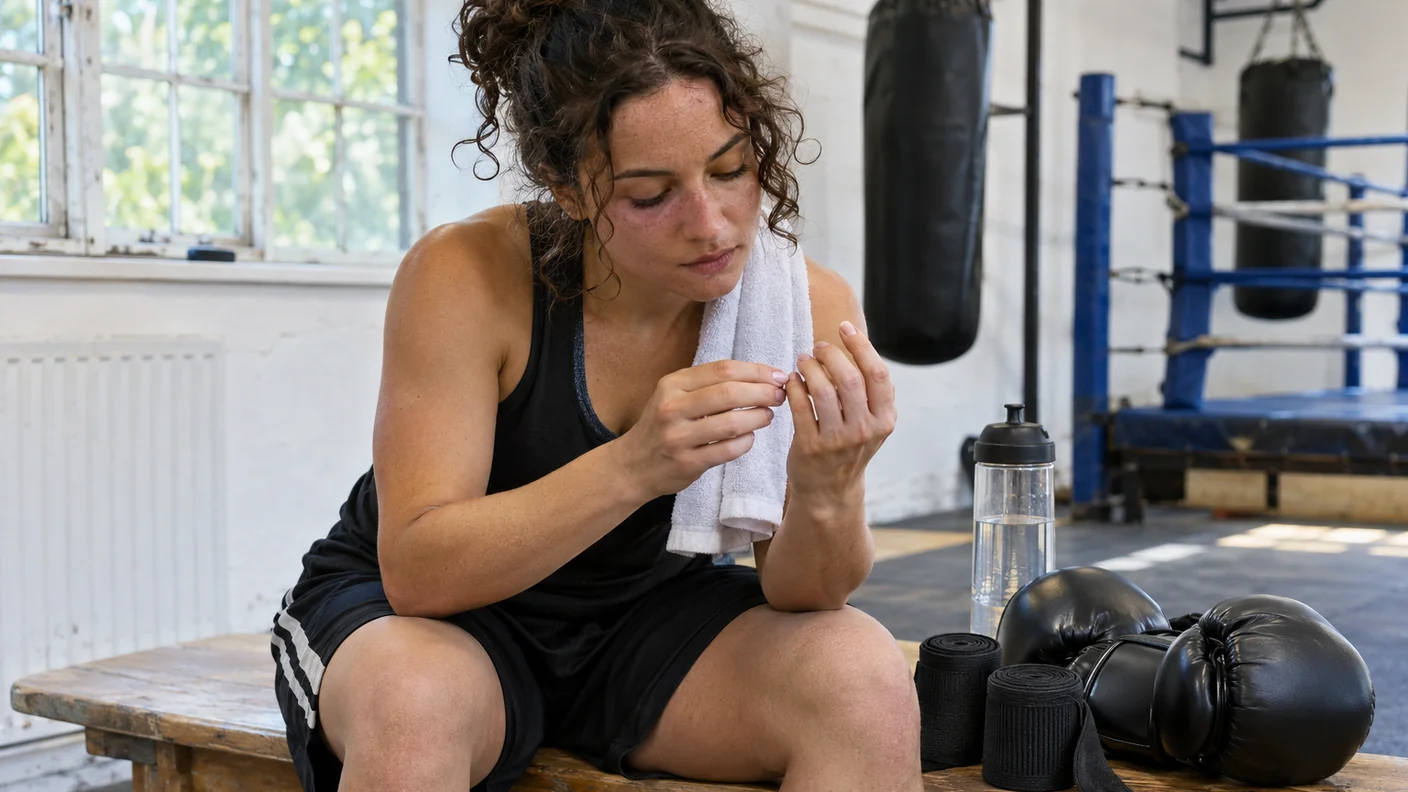
You can attend a boxing class with long nails, but they are usually worth trimming before you train.
For a bag-only session, long natural nails are not automatically a problem. The more practical question is whether they make the glove uncomfortable, catch in the wrap, press into your palm when you make a fist, or get in the way when you work with another person. If the answer is yes to any of those, sort it before the round starts.
A boxing glove is not a roomy winter mitten. Your fingers sit curled inside it, your hand gets warm and sweaty, and the glove moves every time you make or relax a fist. Something that feels harmless in ordinary life can become annoying very quickly when you add wraps, pressure and repeated contact.
Long nails are more of a problem in partner work
The clearest reason to trim your nails is the person standing in front of you.
You may begin with pads, which sounds harmless enough. But pad work involves close distance, glove adjustments, moving targets and plenty of moments where hands come near forearms, shoulders and faces. Later, controlled partner drills and sparring add more reasons to keep anything sharp or snagging out of the session.
Formal boxing rules take the same precaution seriously. England Boxing's 2025 technical rules required false nails and false eyelashes to be removed before a bout. World Boxing's competition rules also prohibit body piercing and jewellery during a bout.
A recreational class is not a competition medical. Still, the logic carries over. If a nail can scratch, catch a wrap, tear a glove lining or distract you while a coach is giving an instruction, it is not helping your training.
This is not about turning up perfectly groomed. It is basic consideration for your own hands, the shared equipment and your training partner.
How short is short enough for boxing?
There is no useful millimetre rule for a normal coached class. The practical test is simpler.
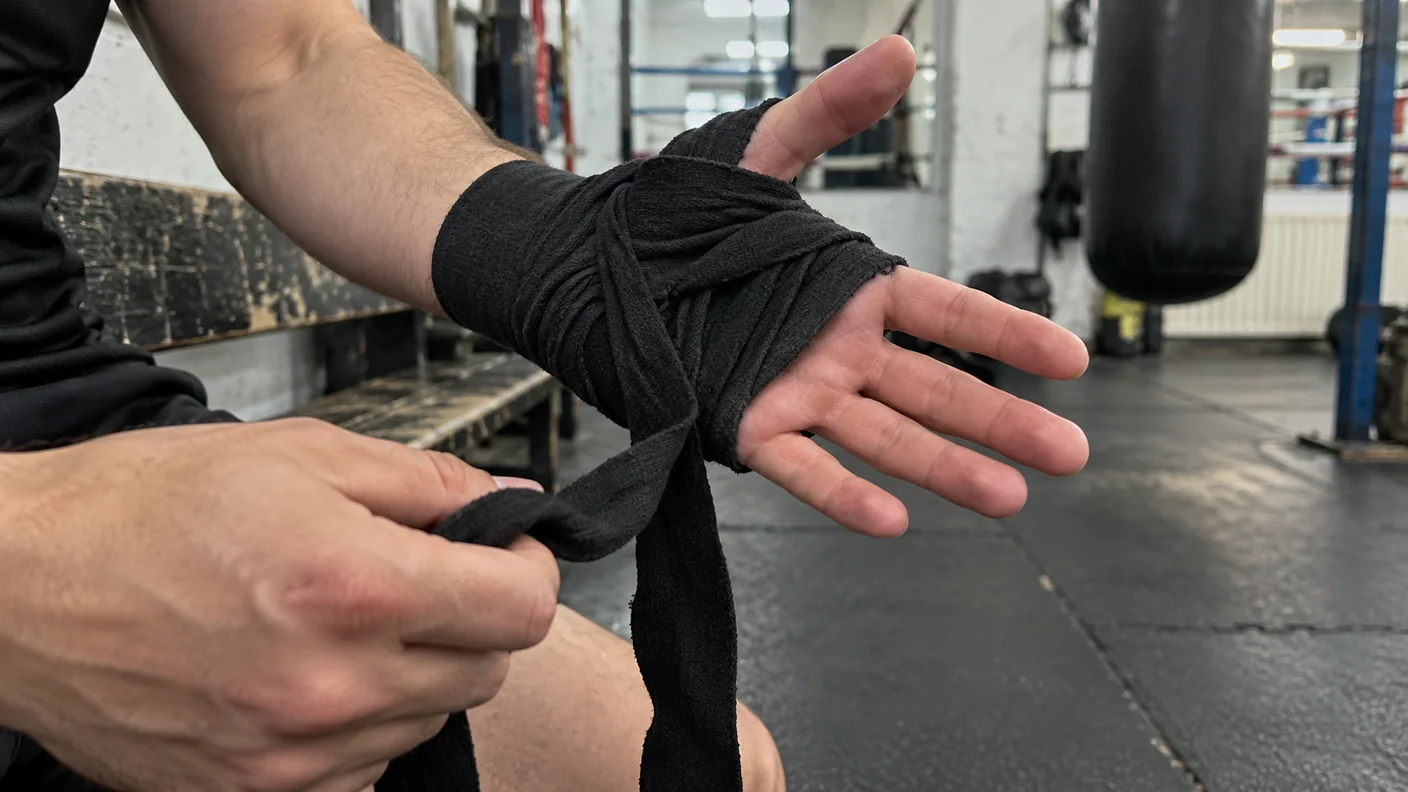
Can you make a full fist inside the glove without nail pressure? Can you slide the wraps on without a nail catching the fabric? Can you put the glove on and take it off without worrying that a nail will bend, lift or tear? If not, shorten the nail before training.
For partner work, keep the edge short enough that it does not extend beyond the fingertip in a way that could scratch someone. Smooth the edge as well. A nail that is technically short but sharp at one corner can still catch skin or fabric.
If you have gel, acrylic or extensions, do not gamble on whether they will survive the glove. They often make a proper fist feel cramped. If one cracks inside the glove, you have turned a simple class into a distracting hand problem.
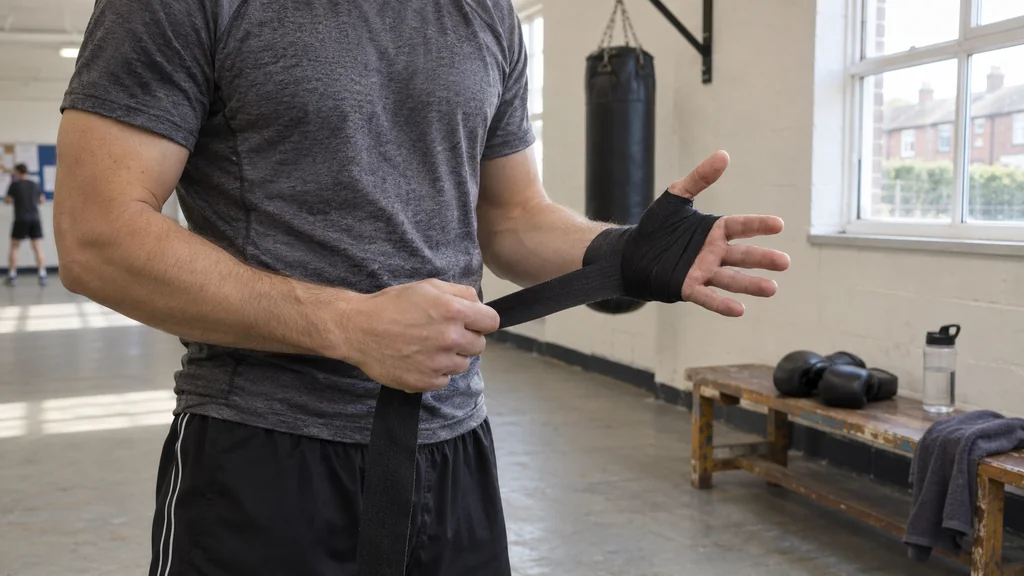
Do not tape over a nail and assume it is sorted
Tape has a job in boxing, but it is not a universal answer to uncomfortable kit.
A small piece of tape may stop a rough edge catching a wrap for one light bag round. It does not make a long or loose false nail suitable for partner work. Sweat loosens tape, gloves create friction, and a taped-over problem can become harder to notice until it is painful.
The sensible decision is usually less dramatic: remove or trim the issue before training, then rewrap your hand properly. If you are unsure, show the coach before gloves go on. A ten-second conversation is better than trying to hide a problem under layers of wrap.
The same applies to rings, bracelets, watches and piercings. Our guide to jewellery at boxing class explains why leaving them off is easier than trying to make them work around gloves and close drills.
What if you have a new manicure or a fresh piercing?
Be honest about the session you are attending.
A quiet class that is mostly footwork, shadowboxing and gentle bag work gives you more options than a session involving pads or partner drills. But even then, you still need to make a proper fist and wear your gloves comfortably. If a fresh manicure is making you protect your fingers or avoid closing the hand, it has already changed the way you train.
A fresh piercing creates a different issue. It can get caught by clothing, a towel, a glove or another person. The safest choice is to ask the coach what parts of the session are appropriate, rather than arriving prepared to negotiate around it halfway through a round.
This is not a reason to delay starting boxing. It is a reason to arrive ready for the work you are actually doing.
What good glove fit should feel like
Your glove should feel secure, not like a test of endurance for your fingernails.
With wraps on, you should be able to curl the fingers into a fist without pinching under the nails or pressure at the tips. Your fingers do not need to feel completely straight inside the glove, but they should not be jammed against the end either. If they are, the glove may be too small, the wraps may be bunched, or your nails may be the extra space your hand no longer has.
Do not solve this by wearing a bigger glove than you need. A glove that lets your hand slide around creates other problems. Start by trimming the nails, smoothing the edge and asking a coach to check the wrap and fit.
Our guide to how boxing gloves should fit gives a fuller checklist for the hand compartment, thumb position and wrist support. The useful point here is that your hand should be able to work inside the glove without you bracing against discomfort.
A simple pre-class hand check
Before you leave home, take thirty seconds:
- Trim or file any edge that catches on fabric.
- Remove rings, watches and bracelets.
- Check that no false nail is loose, cracked or lifting.
- Pack clean wraps and gloves that fit.
- Tell the coach before the session if a finger, nail or hand is already sore.
That is enough. Do not make hand care into a ritual that gets in the way of training. The aim is to remove small distractions so you can pay attention to stance, breathing, distance and the next correction.
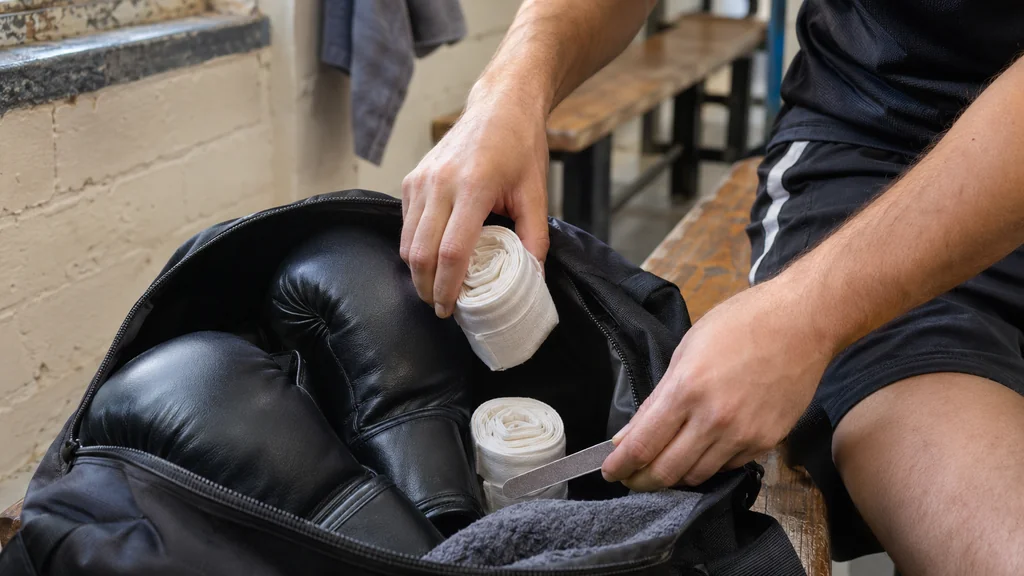
When you should sit out partner work
Skip contact or close partner drills if a nail is cracked, bleeding, painful, partly detached or likely to catch. The same applies if an artificial nail has lifted but is still attached enough to snag inside the glove.
Do not test it by taking a hard bag round and hoping it settles. Pain changes how you make a fist. Once your hand starts compensating, the wrap, wrist and punch line can all become less reliable.
Tell the coach. You may still be able to shadow box, do lower-body conditioning or work on footwork, but that is a decision for the session rather than an excuse to ignore an obvious problem. If there is an open wound, keep it covered and follow the club's hygiene expectations.
The wider standard is simple: protect your hands, respect the person training with you, and keep small kit problems small. Our boxing gym etiquette guide covers the same idea across wraps, shared equipment and training partners.
At Adult Recreational boxing classes, the basics matter because they let you learn without needless distractions. If you are in Kidbrooke, Greenwich or nearby, bring clean kit, ask early if something feels wrong, and let the coach help you find a sensible starting point.
H&G Team
Writer at Honour & Glory Boxing Club, a community boxing gym in Kidbrooke, South East London.
KEEP READING
How to Wash Boxing Hand Wraps
A practical guide to washing boxing hand wraps properly, drying them faster, and stopping glove smell before it starts.
Why Boxing Hand Wraps Come Loose
Loose boxing hand wraps are irritating and can spoil a session. Here is how to spot the cause, reset them and keep your hands comfortable.

Why Your Thumb Hurts After Boxing
Thumb pain after boxing can come from poor alignment, wraps or glove fit. Learn what to fix and when to stop training.
Was this page helpful?
It takes one tap, and it genuinely helps.
Choose your next step
Turn this article into the right action
Some readers are ready to book. Some need the class route first. Pick the route that matches what you actually want.