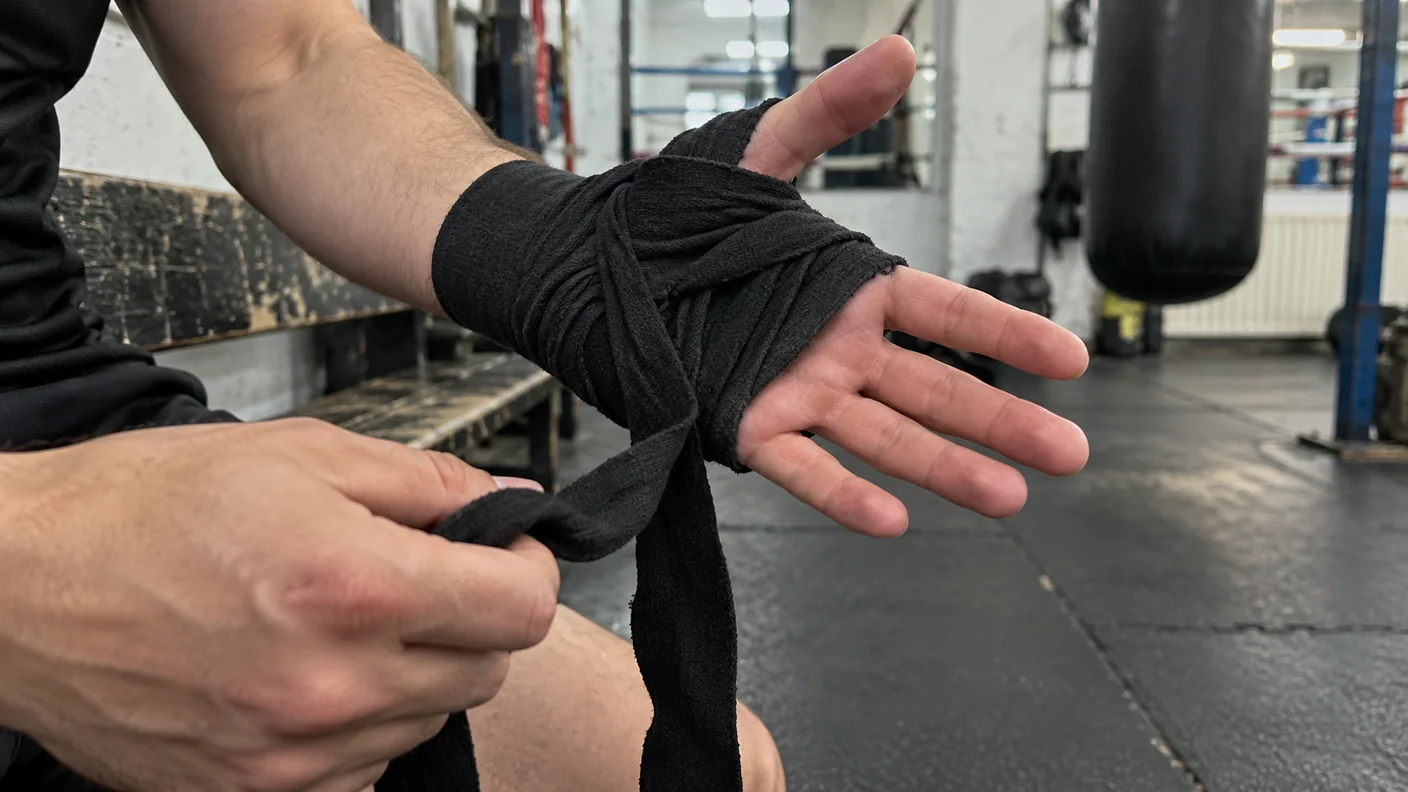
If your hand wrap starts sliding around halfway through a round, stop and fix it. Do not keep punching because you do not want to hold up a partner or look fussy. A bunched wrap can change how the glove sits, rub the knuckles and make your fist feel less secure.
The usual cause is not that you need an advanced wrapping pattern. It is something boring: the wrap began twisted, the wrist was left loose, the fabric crossed the palm in a lump, or the Velcro was already tired. The useful solution is equally boring. Reset it properly before the next round.
Hand wraps are there to give the hand a stable base inside the glove. The Boxfit hand-wrapping guide explains the basic job well: wraps support the wrist, keep the small bones of the hand together and add a layer over the knuckles. That does not mean a wrap must feel painfully tight. It means the material should sit flat and stay where you put it.
Start with a flat wrap, not a fast wrap
Most loose wraps were untidy before the first punch landed. If you pull a scrunched bundle from the bottom of your gym bag and try to wind it on in a hurry, there is a good chance a twist will sit across your palm. The glove then presses that twist into the hand for the whole session.
Unroll the wrap first. Check the thumb loop, look for fabric that has folded over itself and run the length through your fingers once. It takes less time than rewrapping during a pad round.
Start at the thumb loop and keep the fabric flat as it goes around the wrist. You are not trying to mummify the hand. You are building a smooth layer that lets you close a fist, open the hand and keep a clean line through the wrist.
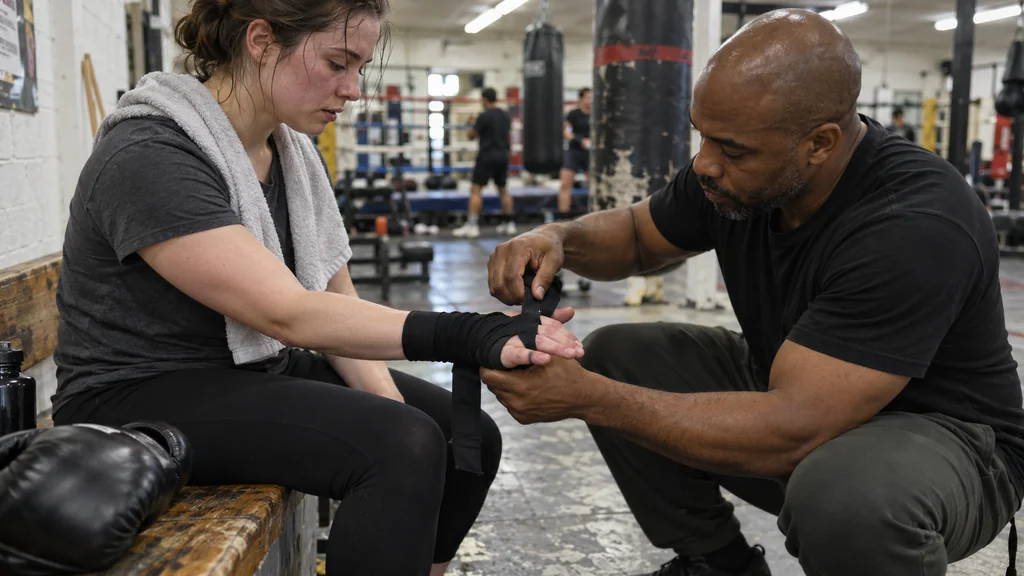
A simple test before you put the glove on: make a relaxed fist, then open the hand fully. The wrap should not pinch the fingers, pull hard into the thumb or leave a hard ridge under the palm. If it does, start again. A two-minute reset is cheaper than an hour of trying to ignore it.
The wrist is often the part that gives up first
Beginners sometimes put nearly all the fabric across the knuckles, then give the wrist one loose turn at the end. It can look wrapped until the first solid jab. Once the wrist section moves, the rest of the wrap starts travelling too.
Give the wrist a few flat, firm passes before and after you secure the knuckle area. Firm does not mean numb. You should be able to move your fingers normally and feel that your hand is warm. If your fingertips go pale, cold, numb or tingly, take the wrap off and start with less tension.
There is a technical reason the wrist support matters. England Boxing's Level 2 coaching handbook tells coaches that the wrist should stay straight at impact to help prevent injury. A wrap cannot repair a bent punch, but a flat, secure one gives the wrist better support while you learn to land properly.
This is also why the answer is not to pull every turn as hard as possible. A wrap that is over-tight at the wrist often feels unbearable once the hand warms up. You then tug the glove off, loosen a random section and create the very slackness you were trying to avoid. Aim for secure and even, not tight in one spot and loose everywhere else.
Palm bunching usually starts with the thumb loop
The thumb loop is a small detail that causes a lot of bad wraps. If it is twisted or sitting too high, the first pass across the back of the hand is already out of line. The fabric then migrates into the palm every time you make a fist.
Put the loop over the thumb without pulling it into the webbing between thumb and finger. It should be a guide, not a tourniquet. Then carry the wrap over the back of the hand and around the wrist in a way that keeps the palm as clear and flat as possible.
Pay attention to the moment you close the glove. If the wrap suddenly feels thick in the palm, do not hope it will flatten out under sweat and pressure. It will not. Take the glove off and redo that section before you start hitting anything.
A good coach will not mind this. Boxing equipment is part of the lesson. You are learning how your hands should feel inside the glove as well as how a jab should feel on a pad.
Do not make the glove solve a bad wrap
A glove should add cushioning and help hold the wrapped hand in place. It should not be asked to hide a loose, lumpy wrap underneath. If your hand shifts inside the glove, the problem may be the wrap, the glove fit or both.
Use your own wraps once you are training regularly. They are personal kit, like a mouthguard or towel, and they should be clean and dry before each session. Damp wraps lose their shape, feel unpleasant against the skin and are harder to wind evenly.
If your glove is roomy at the wrist, the wrap may keep moving even when you have applied it well. Our guide to choosing boxing gloves that fit properly explains the basic check: with wraps on, your hand should feel snug rather than hollow or crushed. If the glove lets the wrist fold when you press it lightly into a firm surface, tell a coach before doing hard bag work.
Reset at the first sign of movement
There are four signs that a wrap needs attention:
- The fabric has rolled into a ridge under the palm.
- The wrist feels less supported than it did at the start of the round.
- The thumb loop is pulling or digging in.
- The glove suddenly feels different when you close your fist.
Do not compensate by gripping harder. That makes the forearm tired and often turns a small equipment problem into a bad punching habit. Step away, unwrap the affected hand and redo it. If you are working with a partner, say so plainly: "My wrap has slipped. I need a minute." That is normal gym etiquette, not an interruption.
If it happens every session, ask a coach to watch one full wrap. The fix may be as simple as changing the direction of a cross around the back of the hand, adding one wrist pass or replacing an old pair. The best method is the one you can repeat cleanly, not the fanciest version you saw online.
Wash and dry wraps before they become unreliable
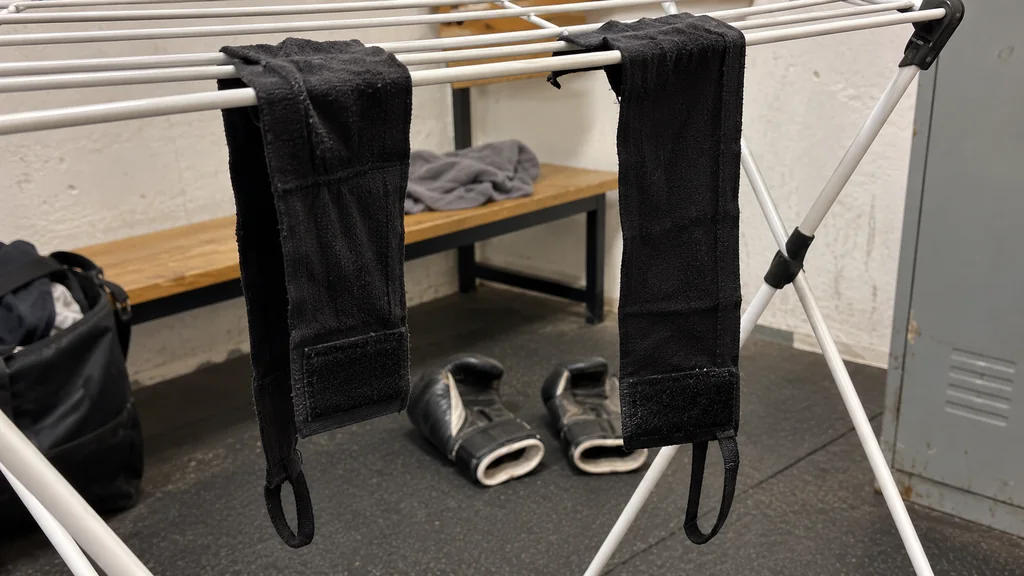
A wrap that has become permanently curled, stiff or stretched out will not sit as neatly as a fresh one. Wash them regularly, close the Velcro tabs before putting them in a wash bag, and let them air dry fully before rolling them up.
Do not put damp wraps straight back into a glove or leave them balled up in a kit bag. They come out creased, smell worse and make the next wrap harder than it needs to be. Our practical guide to washing boxing hand wraps covers the simple care routine.
Replace wraps when the Velcro no longer holds, the fabric has lost its stretch, or you cannot get them flat despite washing and rolling them properly. They are inexpensive equipment. There is no prize for forcing one exhausted pair through another month of training.
The simple rule for a better wrap
Your hand wrap should feel flat, secure and forgettable. You should not spend a round thinking about a lump in your palm or whether the wrist is about to come loose. If you are noticing it, fix it.
At Honour and Glory in Kidbrooke, our Recreational Adults boxing class gives beginners time to learn these small details alongside the punches. Bring the wrap over, ask for a quick check and get back to the useful work.
H&G Team
Writer at Honour & Glory Boxing Club, a community boxing gym in Kidbrooke, South East London.
KEEP READING
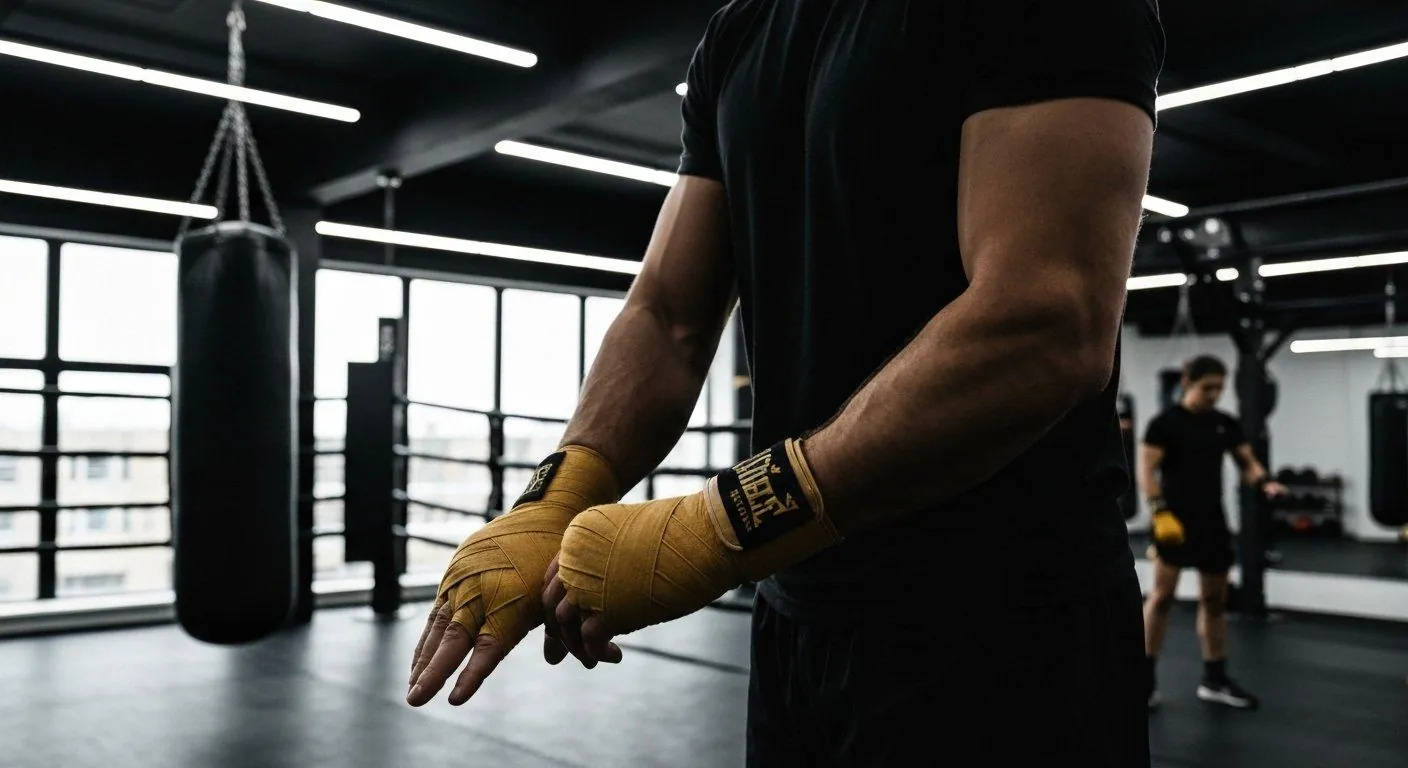
How to Wash Boxing Hand Wraps
A practical guide to washing boxing hand wraps properly, drying them faster, and stopping glove smell before it starts.
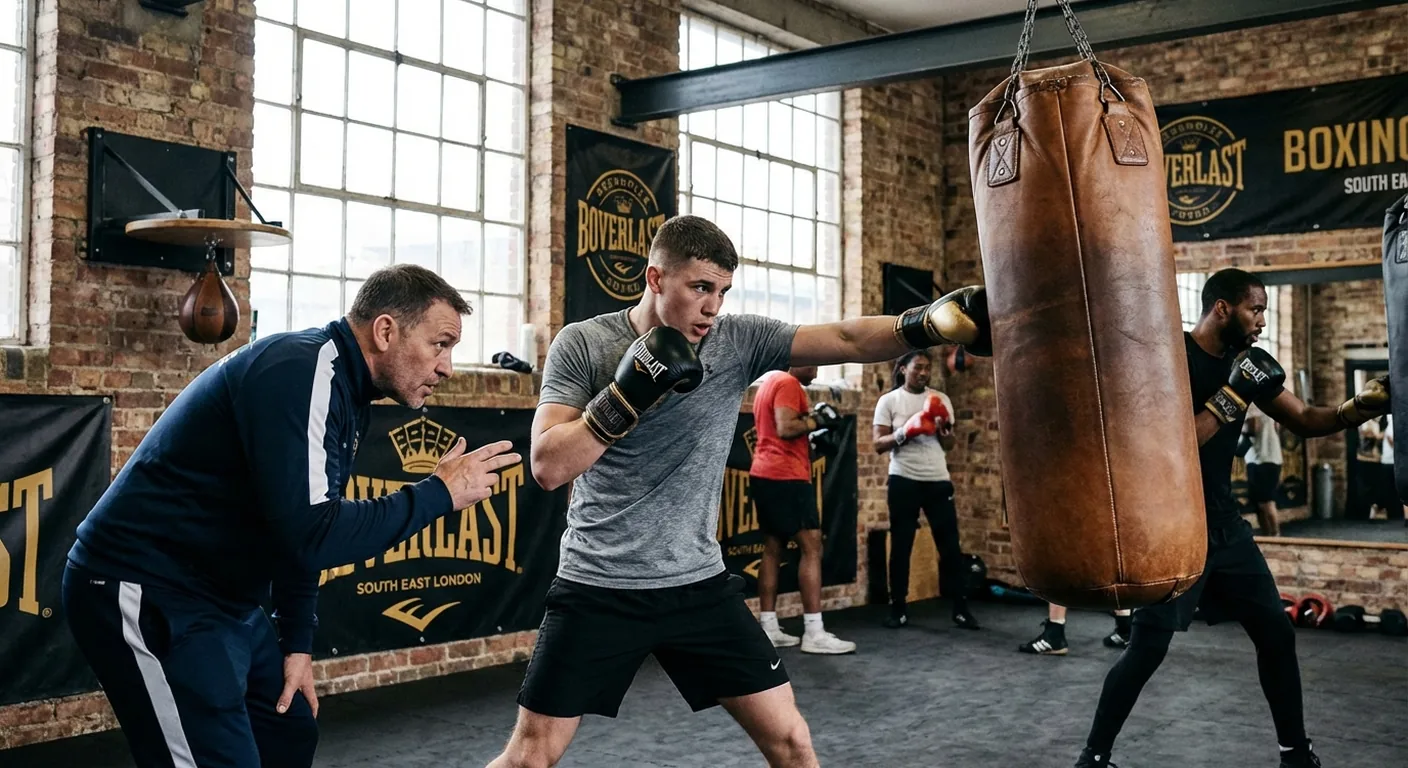
Why Your Wrists Hurt After Boxing
Wrist pain after boxing is usually a technique or equipment problem, not a toughness test. Here is what causes it and what to fix first.
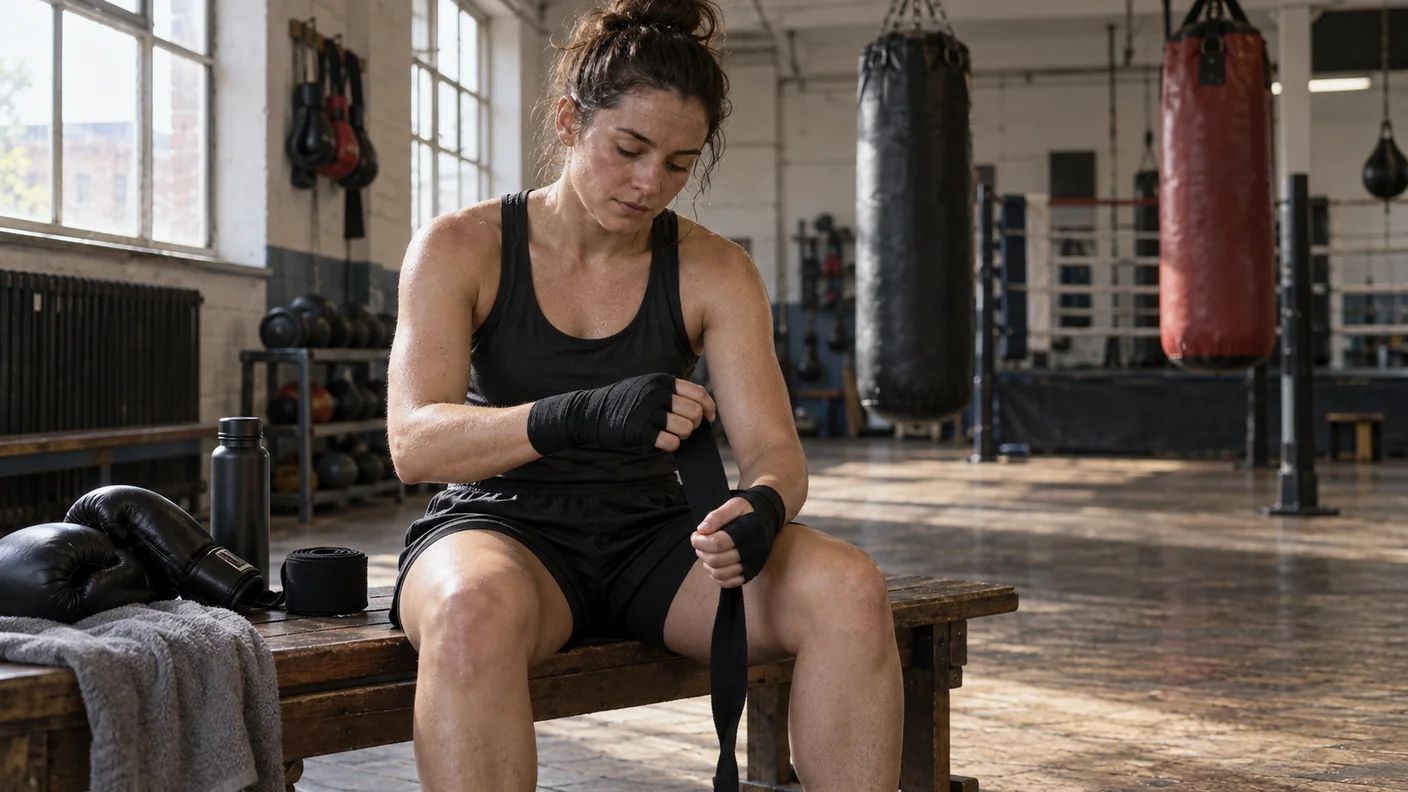
Boxing Blisters: Why Your Hands and Feet Rub
Boxing blisters usually come from friction, damp kit or rushed training. Here is how to prevent them and when to stop.
Was this page helpful?
It takes one tap, and it genuinely helps.
Choose your next step
Turn this article into the right action
Some readers are ready to book. Some need the class route first. Pick the route that matches what you actually want.