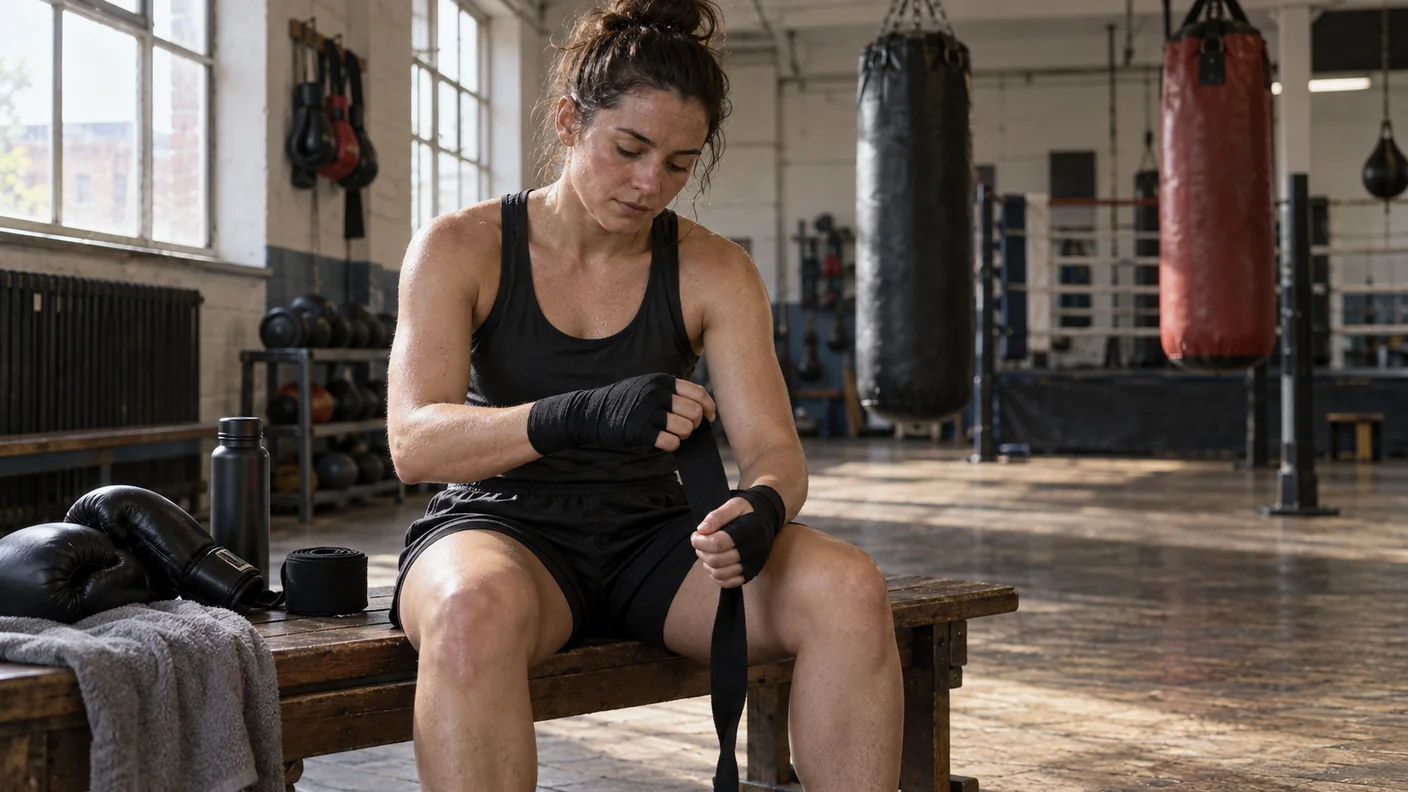
A blister is a small problem with a very effective way of ruining a session.
It starts as a hot patch under a wrap, between the toes or at the back of the heel. You tell yourself it is nothing. Then every jab catches the same bit of skin, every turn of the rope feels sharper, and by the end of the round you are changing how you move to avoid it.
Most boxing blisters are not a toughness problem. They are a friction problem. Something is moving when it should stay put, or staying wet when it should have dried.
This is general training information, not a diagnosis. A blister that is very painful, hot, increasingly swollen, filled with green or yellow pus, or surrounded by changing skin needs medical advice. The NHS blister guide says not to burst a blister yourself and to cover it with a soft plaster or padded dressing.
Why boxing creates blisters in awkward places
Boxing gives your hands and feet a lot of repeated work. Your knuckles slide slightly inside wraps. Your fingers grip, release and grip again. Your feet land in the same small part of the trainer while you skip, step and pivot.
A little rubbing is not automatically a problem. Repeated rubbing on damp skin is different. That is when a warm spot turns into a proper blister.
The usual beginner mistake is to look only at the glove or trainer. The cause can be earlier in the chain: a bunched wrap, a seam in a sock, loose laces, wet kit from the previous session, or a sudden jump from one round to six.
Hand blisters usually point to a wrap or glove problem
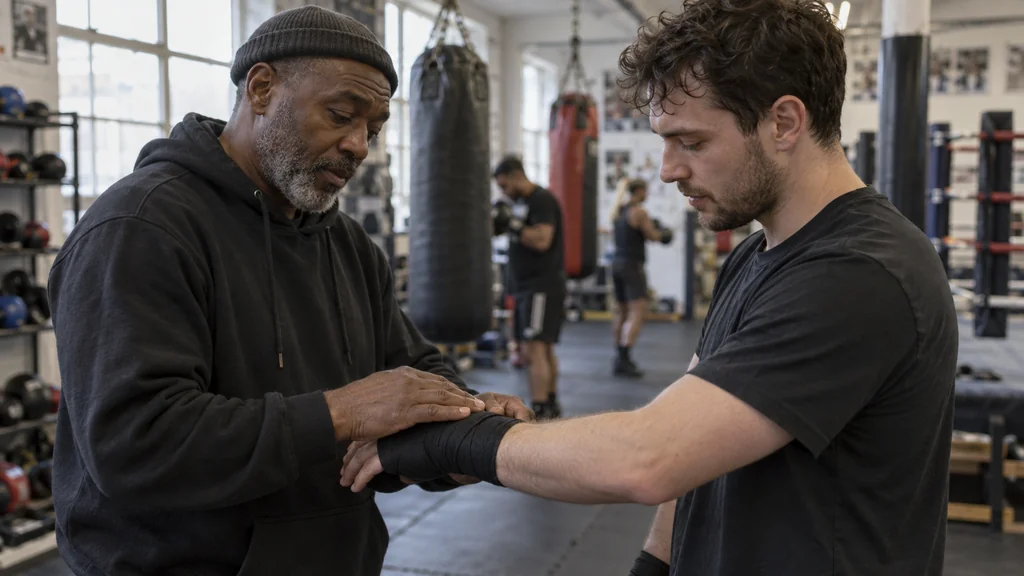
Blisters on the palm, knuckles or thumb web often come from movement inside the glove. The glove does not have to be visibly too large for this to happen. A slightly loose hand compartment, a wrap that shifts as you sweat, or too much fabric folded under the palm can all create a rubbing point.
Start with the wraps. They should feel smooth against the hand, firm enough to stay in place and comfortable enough that you can close and open the hand without fighting them. If you have a painful line under the glove before the round even starts, take the wraps off and begin again. Trying to survive a bad wrap job teaches nothing except stubbornness.
Our guide on wrapping your hands for boxing covers the basic method. The important part here is not using the most complicated pattern. It is getting a flat, repeatable wrap with no bunching at the knuckles or palm.
Glove fit matters too. If your hand slides forward every time you punch, the skin is doing work it should not have to do. A coach can often spot this in one bag round. Ask before you decide the answer is thicker wraps or more tape.
Foot blisters usually come from damp socks, loose shoes or too much rope
Foot blisters have less to do with boxing skill and more to do with boring kit details.
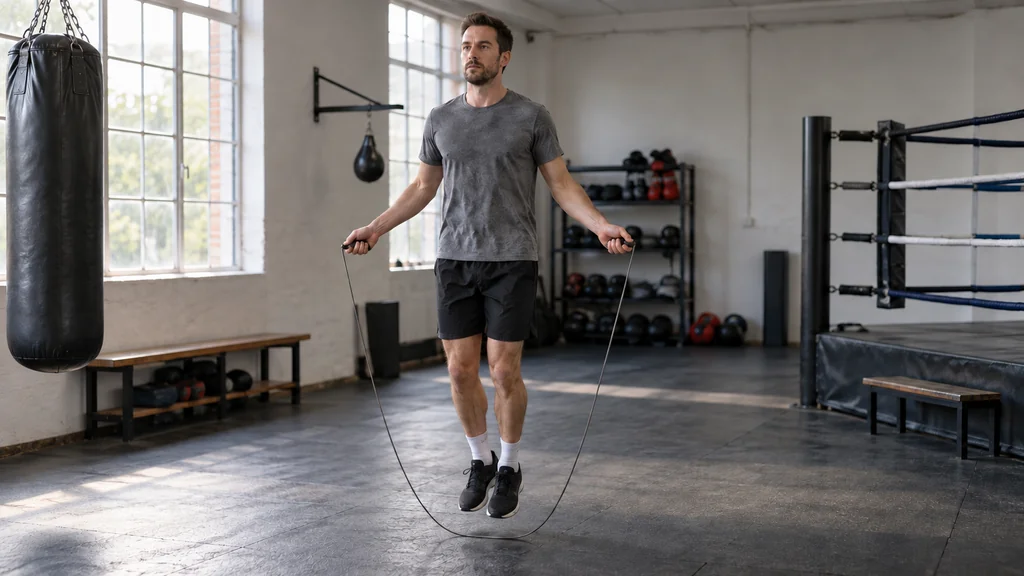
Skipping creates hundreds of small landings. Footwork creates pivots and short shuffles. If the sock is damp, the shoe is loose, or the heel is rubbing a seam, those repetitions add up quickly.
Start with clean socks that stay put. Make sure the trainer is laced securely enough that your heel is not lifting and sliding. Do not save a pair of worn-out running shoes for boxing because they are already near the bin. A tired shoe is often the one that starts rubbing first.
Keep your feet and shoes dry between sessions. NHS guidance on fungal nail infections recommends keeping feet clean and dry and wearing clean socks every day, particularly because hot, sweaty trainers create a less helpful environment for foot health.
That does not mean you need a drawer full of specialist kit. It means you take sweaty socks out of the bag when you get home.
Do not try to toughen up by tearing the skin
There is an old gym instinct that damaged skin is proof of hard work. It is usually proof that somebody has ignored a simple equipment problem for too long.
A callus can be harmless. A fresh blister that has opened is a different situation. It is painful, exposed and likely to get worse if you repeat the exact action that caused it.
The NHS advises people not to peel skin from a burst blister or keep using the footwear or equipment that caused it until it has healed. That is sensible advice for boxing too. If a particular pair of gloves, wrap pattern or shoe is repeatedly creating the same injury, do not make the next session a test of willpower. Change the setup.
This is especially true with shared gloves. For a first class, borrowing gloves is normal. Once you start training regularly, your own gloves and wraps make it easier to control fit and hygiene. They also make it much easier to notice when a problem begins.
How to train when you already have a blister
First, tell the coach before the session gets moving. That is not making an excuse. It lets them adjust the work before you start compensating without noticing.
A hand blister might mean fewer hard bag rounds and more footwork, shadowboxing or coach-led technique. A heel blister might mean no skipping and no aggressive pivoting that day. The sensible choice depends on where it is and whether you can move without changing your mechanics.
Keep the problem clean and covered. Do not tape over something dirty and call it sorted. Do not force a glove over an open patch and then use communal pads without saying anything. Boxing gyms are shared spaces, so a little honesty protects everyone.
If you are not sure whether the skin is merely sore or properly damaged, take the cautious option and ask. Missing one hard bag round is cheaper than turning a small blister into a week of awkward training.
Five small changes that prevent most boxing blisters
1. Rewrap the moment something bunches
Do not wait for the round bell. A wrap that feels wrong when dry will usually feel worse when you sweat.
2. Dry your kit after every session
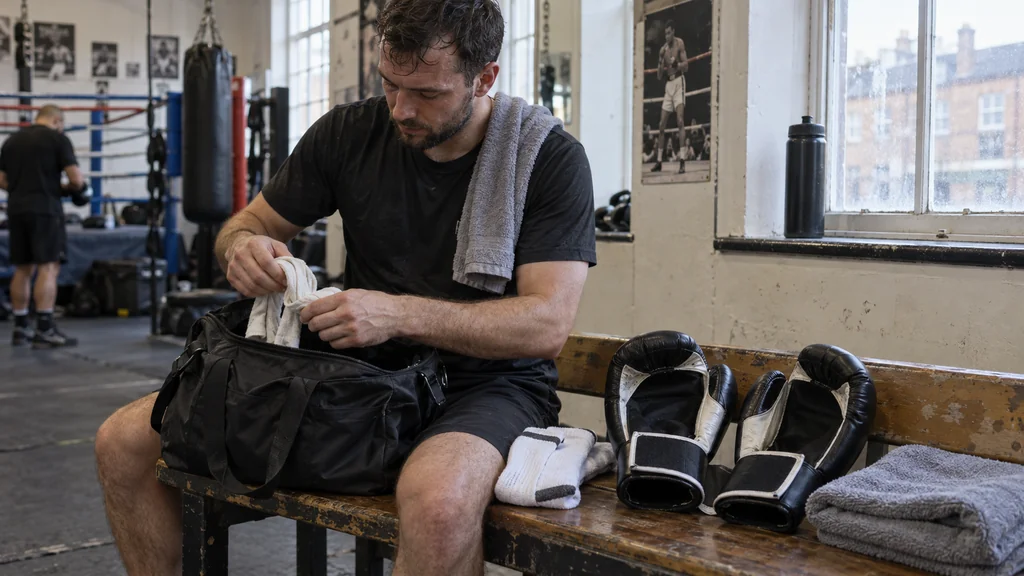
Take wraps out of the bag. Open the gloves. Hang up the damp top and socks. Our guide to cleaning boxing gloves properly explains how to keep the rest of your kit from becoming part of the problem.
3. Keep new kit sessions short
New gloves, fresh wraps and different trainers all need a test run. Use them for a normal technical session before a long open session or a home bag workout.
4. Build rope volume gradually
If you have not skipped for months, do not make your first rope session a personal endurance challenge. Short, tidy rounds give your feet time to adapt and make it easier to spot a shoe or sock issue early.
5. Fix the source, not just the skin
A dressing can protect the sore spot. It cannot stop the same bad seam, loose heel or bunched wrap from rubbing it again. Work backwards until you find the cause.
When a blister means you should stop
Stop the activity that is creating more friction if the skin has opened, the pain changes how you punch or move, or the area is getting worse as the session goes on.
Get medical advice rather than trying to manage it at the gym if there are signs of infection, repeated unexplained blisters, severe pain, or a blister that will not settle. People with diabetes, poor circulation or a condition affecting skin healing should take blisters seriously and ask an appropriate clinician for individual advice.
The goal is not to keep your hands and feet pristine. Boxing is active and kit gets used. The goal is to make sure ordinary training leaves you with useful fatigue and better skill, not a small avoidable injury that makes the next session miserable.
If you are near Greenwich, our Recreational Adults boxing classes give beginners a place to learn the kit details as well as the punches. A coach can sort a bad wrap, spot a loose glove and help you build up without turning every first month problem into a reason to quit.
H&G Team
Writer at Honour & Glory Boxing Club, a community boxing gym in Kidbrooke, South East London.
KEEP READING
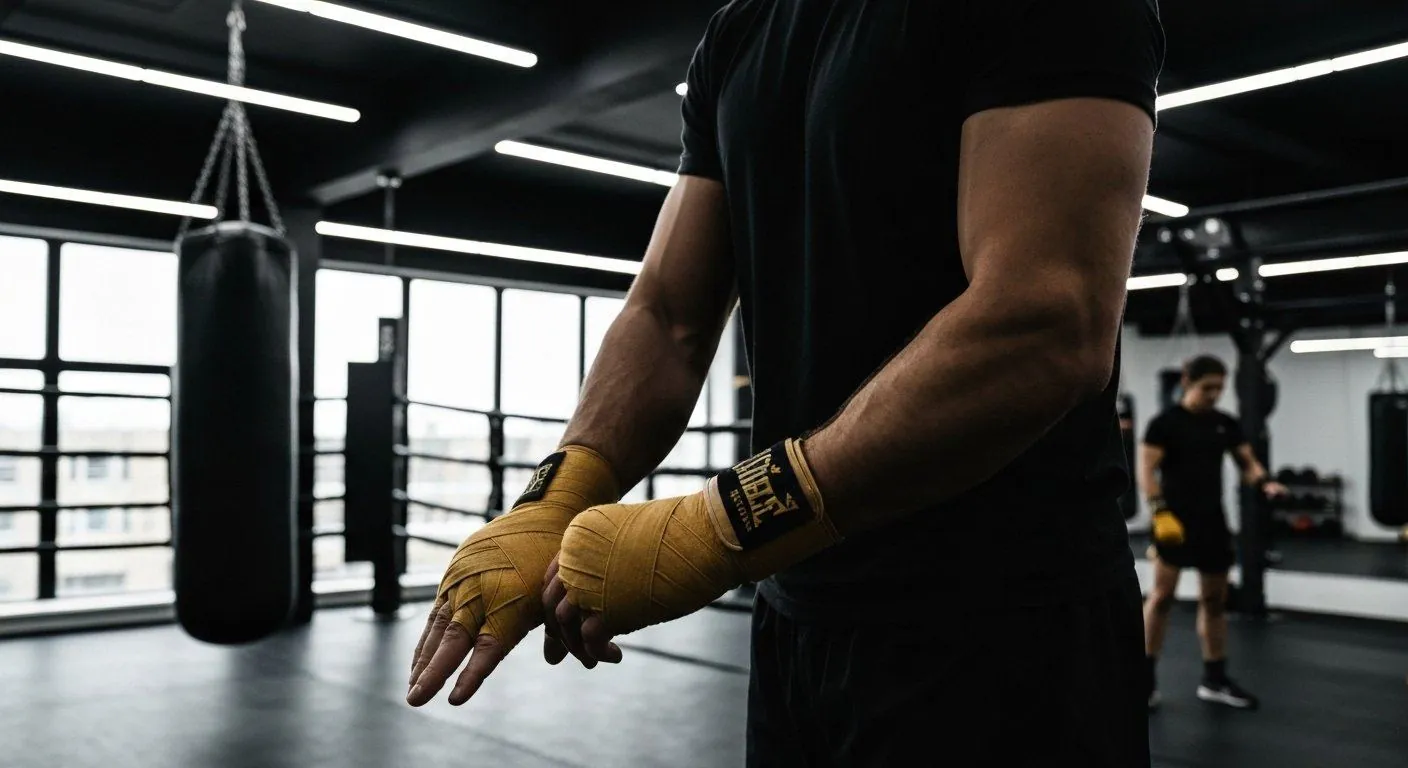
How to Wash Boxing Hand Wraps
A practical guide to washing boxing hand wraps properly, drying them faster, and stopping glove smell before it starts.
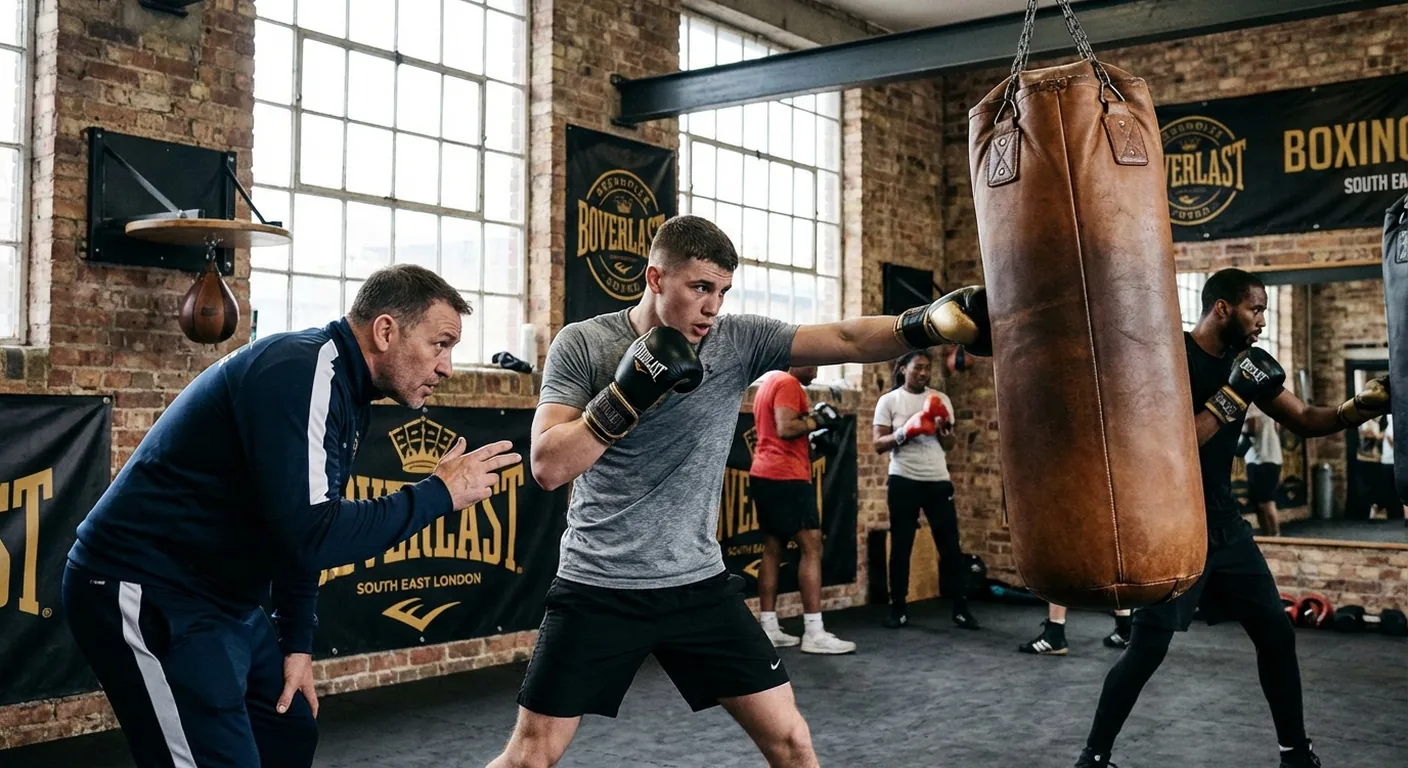
Why Your Wrists Hurt After Boxing
Wrist pain after boxing is usually a technique or equipment problem, not a toughness test. Here is what causes it and what to fix first.
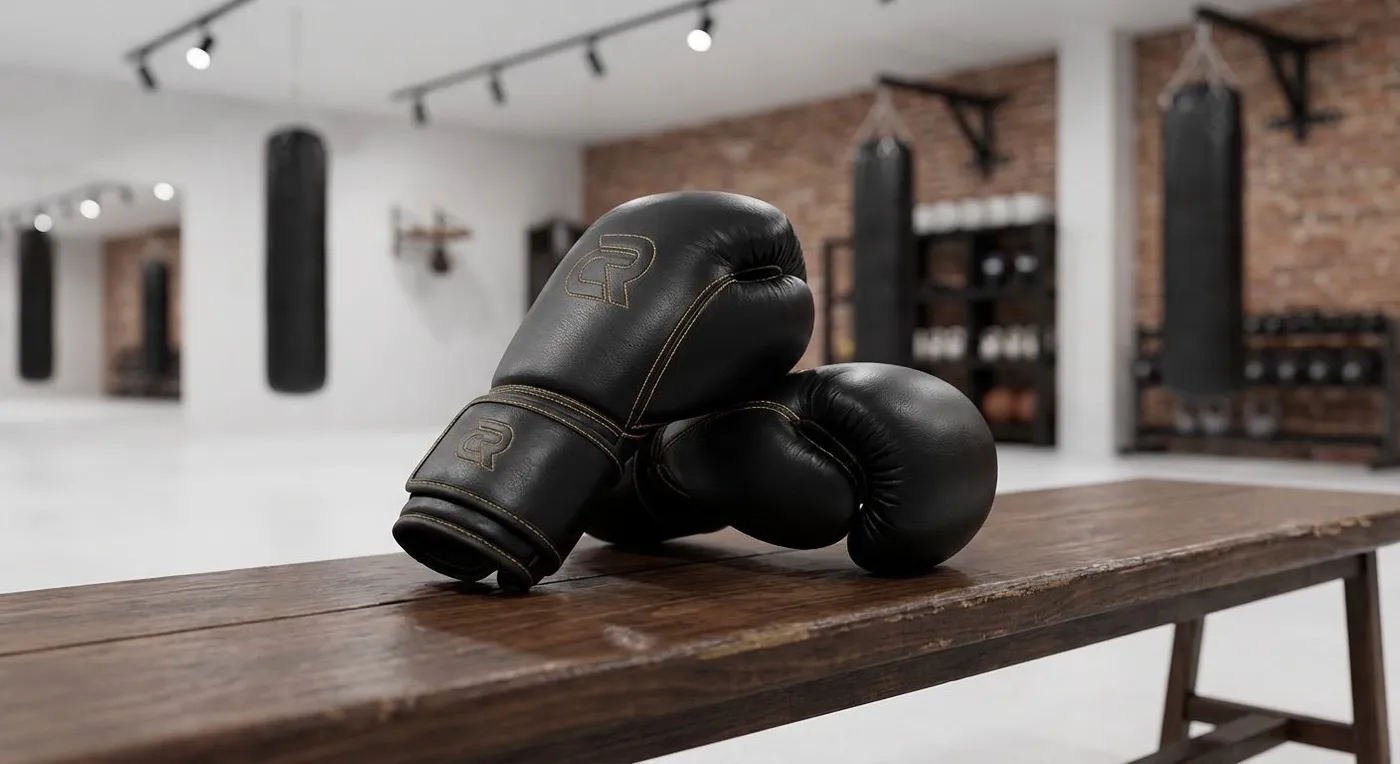
Beginner Boxing Gloves UK Buying Checklist
Beginner boxing gloves UK checklist: size, fit, price band, wraps and first-pair mistakes before you buy. Use this after the ranked beginner glove guide.
Was this page helpful?
It takes one tap, and it genuinely helps.
Choose your next step
Turn this article into the right action
Some readers are ready to book. Some need the class route first. Pick the route that matches what you actually want.