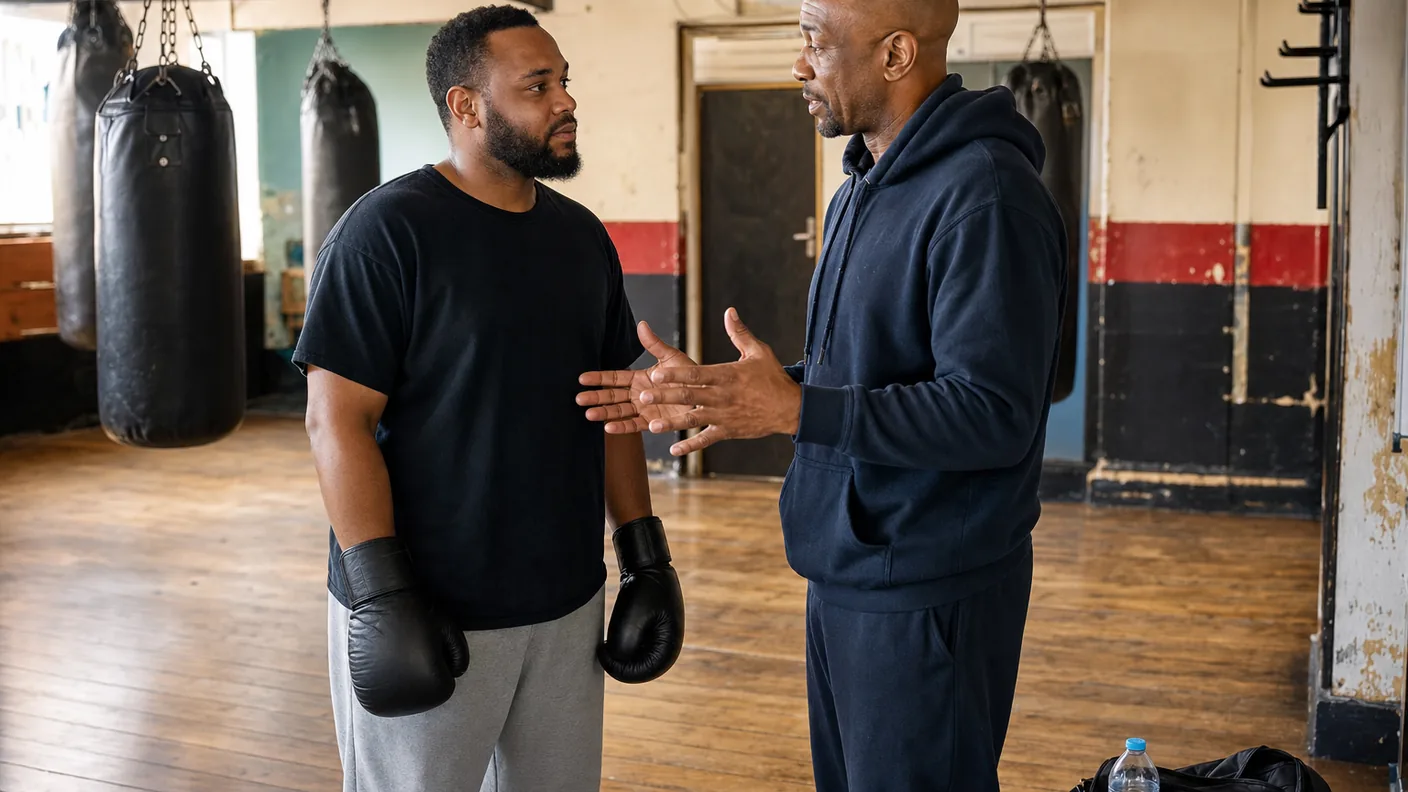
Yes, many people with diabetes can box, but it depends on your diabetes type, medication, blood glucose pattern, fitness level and any complications. Boxing is not the thing to use as a private experiment.
This is general information for boxers, not medical advice. If you have diabetes and you are unsure what level of exercise is safe, ask your GP, diabetes nurse or diabetes care team before starting. If you feel unwell, dizzy, confused, unusually weak, or your symptoms do not fit normal training effort, stop and get proper help.
The good news is that a beginner boxing class does not have to mean sparring, chaos or maximum effort. A sensible first session can be coached, scaled and focused on stance, footwork, bag work, pads and controlled conditioning. If you are in Greenwich, Kidbrooke, Blackheath or nearby, our Recreational Adults boxing class is the usual starting point for adult beginners.
Why diabetes changes the boxing question
Diabetes changes the boxing question because exercise can affect blood glucose before, during and after training.
Diabetes UK says being physically active can help the body use insulin better, help keep blood sugar within target range, support HbA1c, and improve blood pressure, cholesterol, energy, sleep and mood (Diabetes UK exercise advice). That is a strong reason to move more, not a reason to guess.
Boxing is mixed-intensity exercise. You might be calm during stance work, then work hard for 90 seconds on pads, then rest, then do footwork, then finish with conditioning. That stop-start pattern can feel very different from a steady walk or cycle.
A diabetes exercise position statement in Diabetes Care notes that physical activity is important for blood glucose management and overall health, but that precautions vary by individual characteristics and health status (Diabetes Care position statement). In plain English: the right answer is personal. Type 1 diabetes, type 2 diabetes controlled without hypo-causing medication, insulin use, sulfonylureas, recent hypos, foot problems, eye complications and cardiovascular history all change the decision.
Tell the coach before class starts
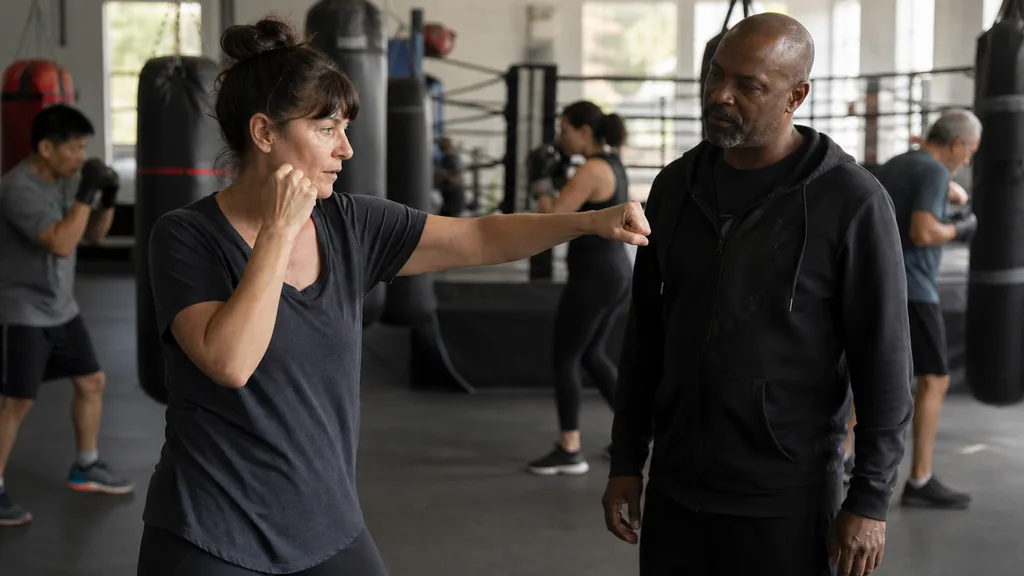
Tell the coach before class starts if diabetes affects how you need to train.
You do not need to announce private medical details to the room. You can say something simple: "I have diabetes, I may need to check my blood sugar, and I might need a short break if I feel low." That gives the coach enough information to scale the session and avoid silly assumptions.
A coach cannot manage your diabetes for you. A coach can control the gym side: pace, rest periods, drill choice, partner work, heat, contact level and where your kit sits. That matters more than people think.
Bring whatever your diabetes plan says you need. For some people that might mean a glucose meter or sensor reader, fast-acting carbohydrate, water, medical ID, and a clear plan for what to do if blood glucose drops. For others it may simply mean knowing when to pause.
Do not put hypo treatment at the bottom of a kit bag across the room. If you need it, it should be easy to reach.
Hypo risk is the main practical issue for some boxers
Hypoglycaemia is the main practical issue for many people who use insulin or medication that can lower blood glucose.
Diabetes UK specifically advises people using insulin or blood-sugar-lowering medication to check blood sugar before and after exercise, and to keep fast-acting hypo-friendly carbohydrates nearby (Diabetes UK exercise advice). A review on exercise and hypoglycaemia notes that exercise has clear benefits for people with diabetes, but excessive exercise can cause hypoglycaemia, particularly in people treated with insulin or oral hypoglycaemic agents (exercise hypoglycaemia review).
That does not mean boxing is off limits. It means you should not treat the first hard round as a bravery test.
Start with a controlled session. Notice how your body responds to warm-ups, pads, bag rounds and conditioning. If you track glucose, learn your own pattern rather than copying somebody else's. Some people drop. Some people rise during high-intensity effort. Some people are fine during class and need to think about the hours after.
If you have had recent hypos, severe hypos, poor awareness of lows, or a change in medication, get diabetes-team advice before adding hard boxing sessions.
Start with technique, not a punishment workout
The safest first version of boxing is technical, coached and paced.
You do not need to prove you can survive a hard circuit. You need to learn how to stand, breathe, move, punch and recover. That is true for every beginner, and it is especially true if blood glucose management is part of the picture.
A good first month might look like this:
- warm up gradually rather than sprinting cold
- learn stance and guard before power punching
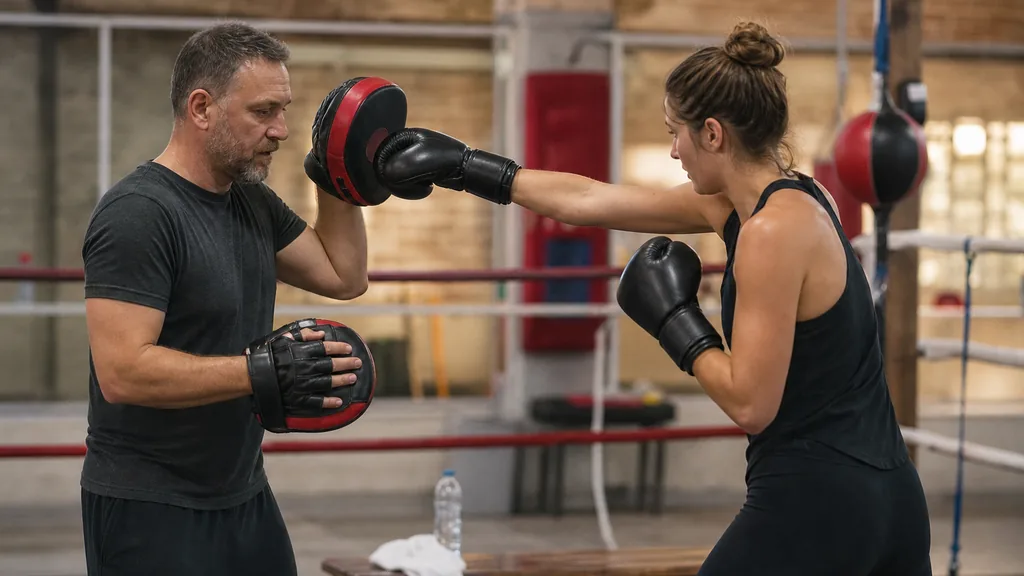
- use pad and bag rounds at controlled effort
- take breaks early rather than waiting until you feel rough
- keep water and hypo treatment close if needed
- avoid sparring until the coach, your control and your experience all justify it
The NHS-linked Diabetes My Way guidance says exercise can affect blood glucose depending on diabetes type, management, exercise type, duration and complications, and recommends discussing planned activity changes with a diabetes care team (Diabetes My Way exercise guidance). That is the right framing for boxing. It is not dangerous by definition. It is not automatically safe by enthusiasm either.
Food, water and timing matter
Food, water and timing matter because boxing can be harder than it looks from the doorway.
If you train straight after work, ask yourself what the last few hours looked like. Did you eat properly? Did you drink water? Did you rush in stressed, caffeinated and under-fuelled? A lot of first-session problems are boring preparation problems.
Do not copy a fighter cutting weight. Do not skip meals because you think boxing will burn more fat that way. Do not try a new supplement or stimulant before a first class. If you have diabetes, simple and predictable beats clever.
The useful habit is repetition. Same class time when possible. Similar meal timing. Same kit. Same glucose checks if your plan calls for them. That makes patterns easier to spot.
If evening training affects your overnight levels, that is not something to solve from a boxing blog. Record what happens and speak to your diabetes team.
When not to train
Do not train if diabetes is already unstable that day.
That includes feeling unusually unwell, dizzy, confused, shaky, weak, nauseous, feverish, dehydrated or not yourself. It also includes any situation where your own diabetes plan says exercise should wait.
Be extra cautious if you have foot wounds, numbness, significant eye complications, chest pain, unexplained breathlessness, recent severe hypo, recent medication change, or advice from a clinician to avoid vigorous exercise. Boxing footwork, heat, sweat, impact through the hands and high effort can expose problems quickly.
If symptoms start during class, stop. Sit or stand safely, follow your diabetes plan, tell the coach, and do not rejoin the session just because you feel embarrassed. A missed round is nothing. A preventable medical incident is not.
This is the same practical culture we apply to asthma, blood pressure and injury concerns. If breathing is the issue, read our careful guide to boxing with asthma. If blood pressure is part of the picture, read what to check before boxing with high blood pressure. If the problem is simply that you hold your breath when you get tired, start with breathing properly in boxing.
The H&G answer
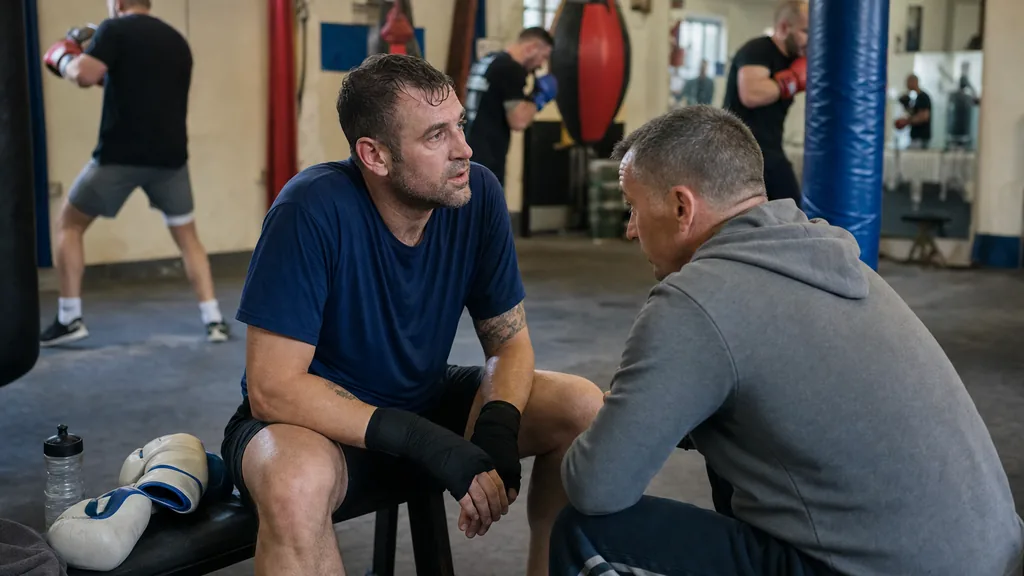
Our answer is cautious but positive: boxing can work well for some people with diabetes when the condition is controlled, the person has appropriate clinical guidance, and the session is coached sensibly.
It is not about treating diabetes with boxing. It is about giving people who are cleared to exercise a structured way to move, learn, build confidence and keep coming back.
At Honour and Glory, we would rather know what needs managing than watch somebody hide it. Tell us early. Bring what you need. Start controlled. Let the boxing improve because the basics are in place.
If you are healthy enough to train and want a coached beginner route in South East London, book a free trial session at Honour and Glory Boxing Club.
H&G Team
Writer at Honour & Glory Boxing Club, a community boxing gym in Kidbrooke, South East London.
KEEP READING

Can You Box With Asthma?
A careful beginner guide to boxing with asthma, what to check first, and how to train without pretending risk does not exist.
Can You Box With Hearing Aids?
Yes, for plenty of non-contact training. Learn what to tell the coach, when to remove them, and how to protect them.

Boxing Classes for Beginners Near Plumstead
Beginner boxing near Plumstead with stance, guard, bags, pads and coach-led adult group sessions at Honour and Glory.
Was this page helpful?
It takes one tap, and it genuinely helps.
Choose your next step
Turn this article into the right action
Some readers are ready to book. Some need the class route first. Pick the route that matches what you actually want.