Boxing Pull Counter: Make Space Before You Return
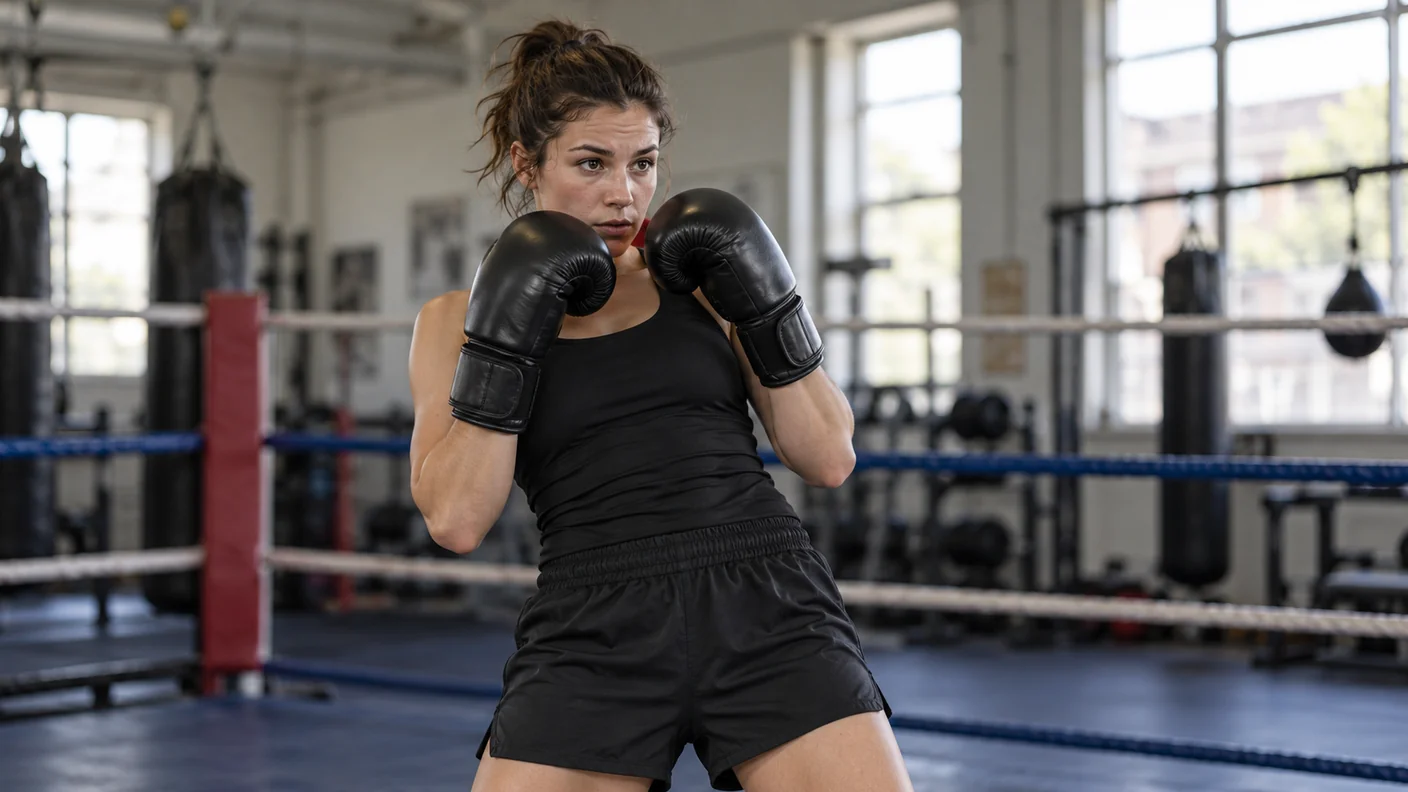
The pull counter looks simple until someone tries to throw it against a real jab.
A boxer leans too far back, lifts their chin, then reaches forward with a big rear hand from a position where neither foot can help. The first punch may miss. The return usually lands on empty air, or arrives late enough for the other boxer to be ready again.
A useful pull counter is smaller. You invite or recognise a straight punch at the edge of range, take your head just outside its path without leaving your stance, then return with a compact rear hand only if the other boxer has genuinely fallen short. The first job is making space. The punch is the second job.
The video below is a useful visual reference for the pull-back-and-cross idea. Notice that the counter is not thrown because a pull has happened. It follows only once the distance has changed in the boxer's favour.
What a pull counter is trying to solve
A pull is a short backward movement of the head and upper body. It is usually used against a committed straight punch that has reached too far into range. The aim is not to disappear across the ring. It is to make the punch fall short while keeping enough structure to choose what happens next.
That makes the pull counter different from a retreat. A retreat changes the distance with the feet. A pull changes the target while the feet remain available. Both can be useful, but mixing them carelessly is where boxers become stretched and square.
The rear hand works best when the other boxer has extended, their balance has followed the punch and the space is still honest. If they have merely feinted, jabbed short or stayed organised, a counter is not owed. Keep the guard, step out or reset instead.
A biomechanical study of boxing punches found that punch force and speed rely on coordinated movement across body segments. The gym lesson is plain: your arm cannot turn a poor position into a clean counter. The feet, hips, guard and eyes need to stay connected before the rear hand has a chance to matter.
Pull just far enough to miss
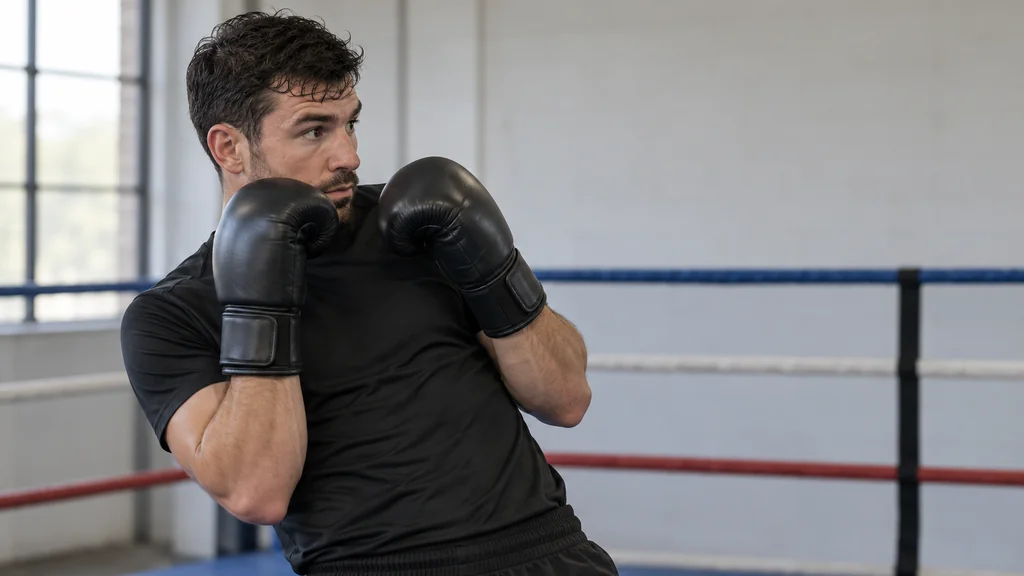
Start with no punch back. Ask a coach or partner to show a slow jab on a clear line. From a normal stance, let the knees and hips take the upper body back by a small amount. Keep the chin tucked, eyes forward and both gloves in front of you.
The word small matters. If your shoulders travel behind the rear knee, the front foot becomes light and the rear hand has a long journey home. If your head has only moved enough for the glove to miss, you can still see the partner and you can still use both feet.
Do not turn the pull into a bend at the waist. A waist-only lean makes the head travel but leaves the legs behind. It also makes it harder to judge whether the other boxer is still stepping, preparing a second punch or stopping short. Let the legs support the movement instead.
For an orthodox boxer, the rear hand is the right hand. A southpaw reverses the picture. The principle does not change: the rear hand stays ready because the pull has left you balanced, not because you have thrown yourself away from the punch.
The counter should return on a straight line
Once the pull is tidy, add a light rear hand to a mitt. Pull, allow the jab to miss, then drive the cross straight from guard and bring it home. Do not swing it from the shoulder or throw it while you are still falling back.
The best early version is short enough that you could stop it halfway if the target disappears. That is a useful test. If you cannot stop because the punch has become a full-body lunge, the pull was too big or the range was never there.
Keep the lead hand close to the cheek as the rear hand travels. It is tempting to drop it for balance, especially when the head has just moved backwards. That opens the side of the face and makes the counter look cleaner than it is. A good counter can still cover if the other boxer has another answer.
Our guide to counter punching basics explains why a defensive movement should create the chance, not replace it. The pull counter is one narrow example. It is not a response to every straight punch and it is not a reason to wait with your head hanging forward.
Do not bait a punch before you can read it
Experienced boxers sometimes show a target to invite a jab. Beginners often copy the visible part by leaving the chin forward or lowering the hands. That is not the same thing as drawing a punch out. It is simply standing in range with less cover.
Build the skill from the partner's action first. Let them show one slow, agreed jab. Pull it cleanly, check your stance, then add a return only when the cue has been read. When that feels settled, introduce a second option: the partner may jab short or give a shoulder twitch without throwing.
Now the defender has to decide. A real jab that reaches the edge of range can earn the pull. A short jab may need nothing more than a guard. A twitch should not make you lean away before the punch exists. This is where the drill becomes boxing rather than a memorised shape.
England Boxing's coaching handbook puts safe progressions and controlled learning at the centre of good coaching. That is the right approach here. Work at a speed where both people can see the decision, then raise the pace only after the stance remains reliable.
A three-round pull-counter drill
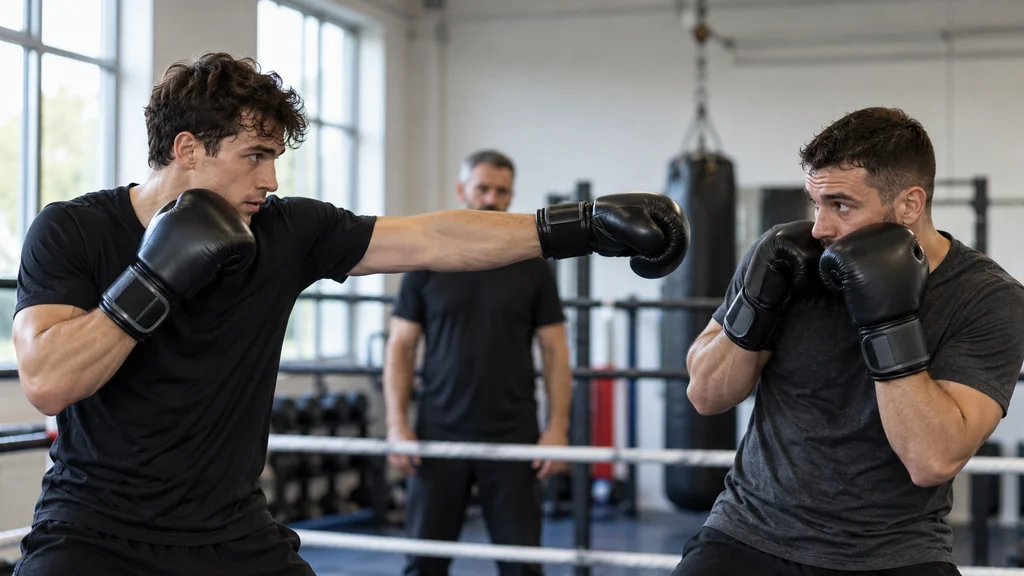
Use a coach-held mitt or a trusted partner. Keep the jab slow, controlled and well away from hard contact. This is a distance and decision drill, not sparring.
Round one: pull and freeze
Partner A gives one slow jab from the edge of range. Partner B makes a small pull and freezes for one count with both gloves high.
The coach checks three things: the chin has not lifted, the feet are still staggered and the head has not fallen behind the rear knee. There is no counter in this round. Good position comes before a quick hand.
Round two: pull and return
Partner A gives the same jab and offers a mitt only when it has reached far enough. Partner B pulls, places a light rear hand on the mitt and returns it to guard.
The mitt should not chase the punch. If it is not there after the pull, Partner B covers or resets. Ten honest repetitions are better than a long line of counters thrown into invented range.
Round three: read, pull or stay home
Partner A can now show a reaching jab, a short jab or a shoulder feint. Partner B pulls and counters only the reaching jab. The short jab gets a compact guard or no reaction. The feint gets nothing.
The point is not to trick the defender. It is to build the habit of making the smallest useful answer. If the pull becomes automatic, the other boxer will be able to move you without throwing. If the counter becomes automatic, you will walk into the next punch.
Four mistakes that spoil the pull counter
The first is pulling too far. The head escapes the jab but the boxer has moved themselves out of any useful return. Make the target miss by inches, not by a dramatic bend backwards.
The second is leaving the chin up. Pulling the head away does not remove the need for a tucked chin and a working guard. Keep the eyes level and the lead glove near home.
The third is countering a feint. A shoulder twitch or short jab can be there to make you react. Wait until the punch has committed enough to create real space.
The fourth is forcing the cross when the range has gone. A counter that has to chase is no longer a counter. Cover, step away or use a simple jab to measure again. Our guide to choosing the right punch for boxing range is useful when the urge to force the rear hand appears.
Where this fits in training
Work the pull counter after basic stance, guard and straight-punch drills. It suits a boxer who can keep their eyes up while defending but tends to lean too far back or fire a rear hand without first checking the distance.
Keep it out of hard sparring until a coach has seen a balanced, compact version. The drill is productive with shadow boxing, a foam-noodle cue or slow mitt work. No one needs to prove it by turning the jab up.
For adults in Kidbrooke, our Recreational Adults boxing classes use pads, footwork and controlled partner drills to make countering a calm decision rather than a risky guess.
The coaching cue is simple: make space, stay under yourself, return only when it is there.
H&G Team
Writer at Honour & Glory Boxing Club, a community boxing gym in Kidbrooke, South East London.
KEEP READING
How to Use the Layback in Boxing
Learn the boxing layback as a small defensive pull that keeps you balanced enough to counter, not a big lean away from danger.
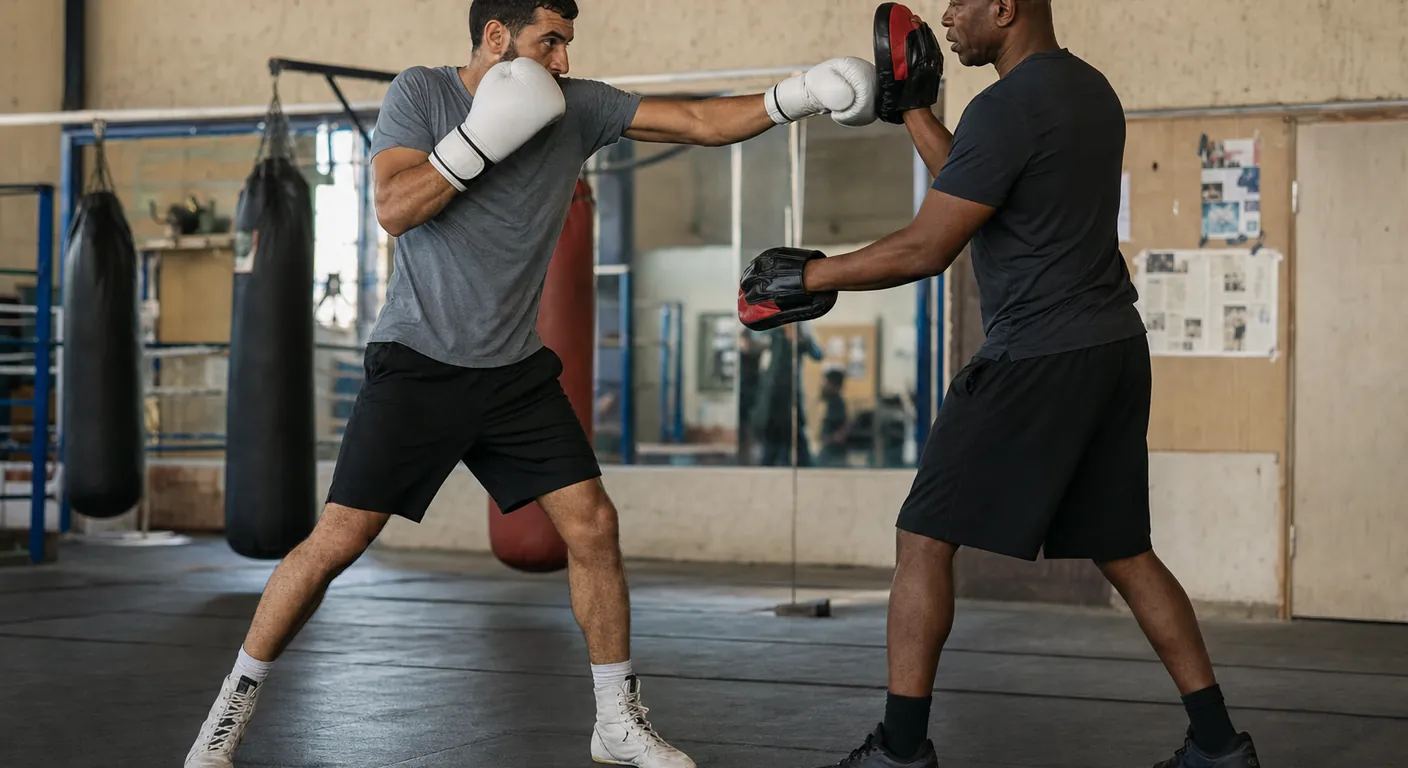
Shift Counter in Boxing: Punch as You Move
Learn the shift counter: a simple way to step off pressure and punch while you change angle, instead of backing up in panic.
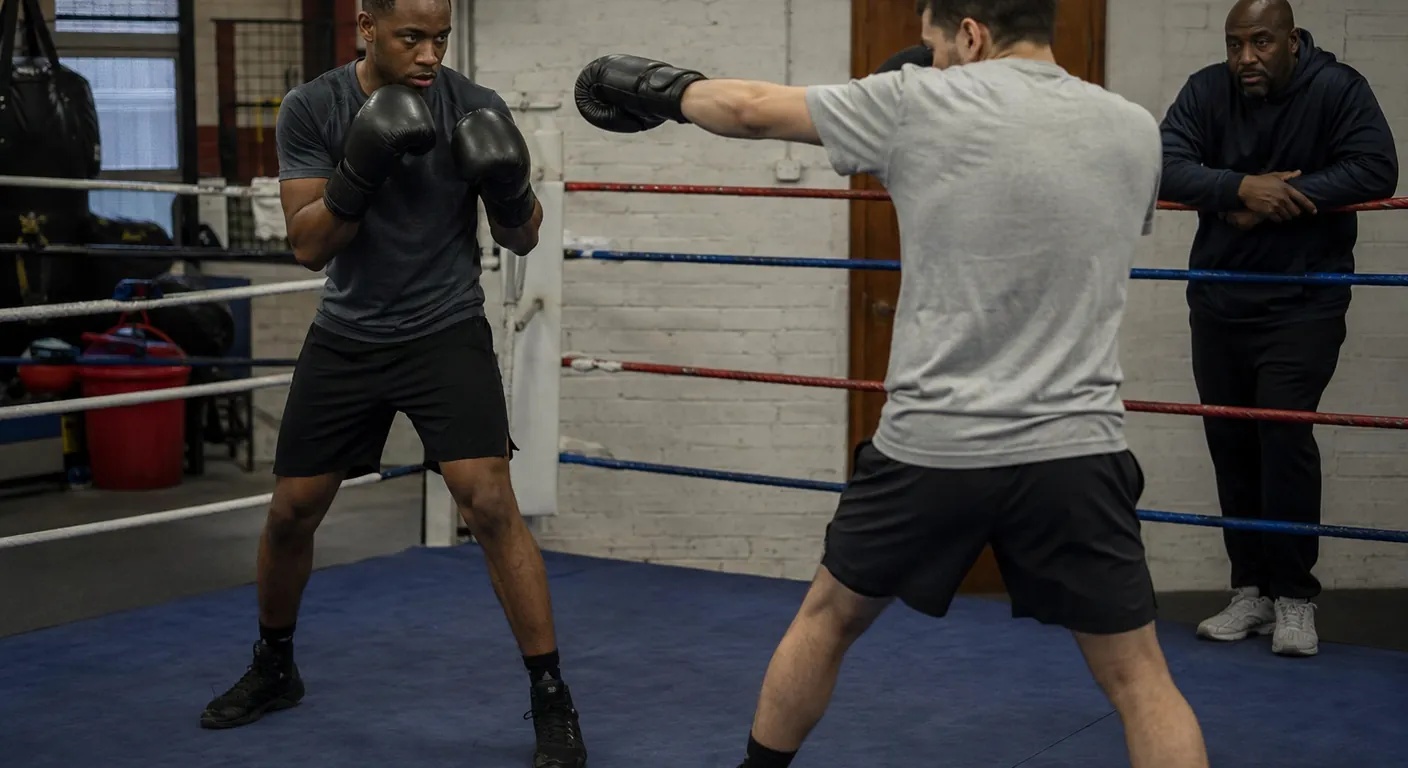
Read Boxing Weight Shifts Before the Punch
Learn to spot small weight shifts in boxing, then choose a calm defence or counter without guessing at every movement.
Was this page helpful?
It takes one tap, and it genuinely helps.
Choose your next step
Turn this article into the right action
Some readers are ready to book. Some need the class route first. Pick the route that matches what you actually want.