Body Jab to Cross: Change Levels Without Lurching
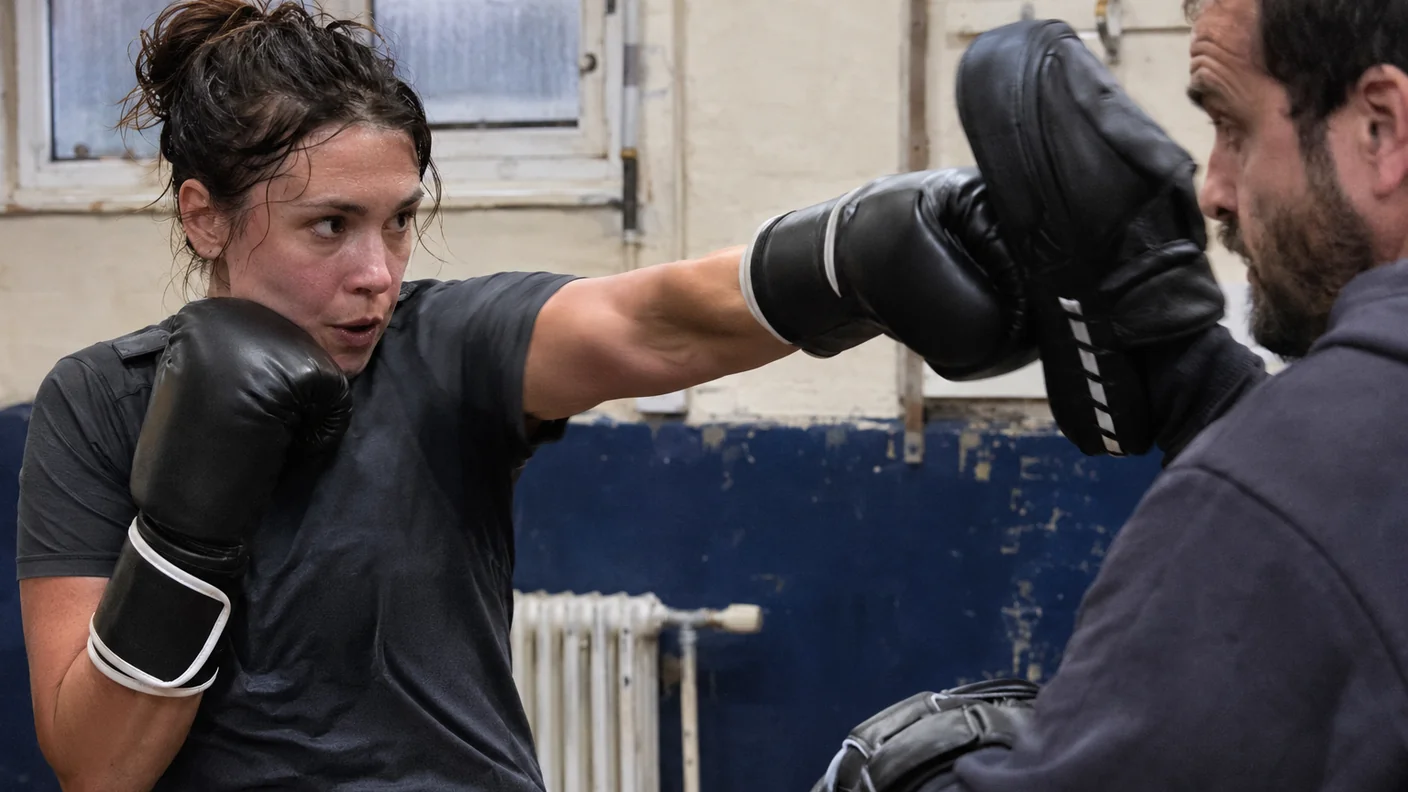
The body jab-to-cross is a useful two-punch change of level. The first punch gives the other boxer a low line to solve. The second rises through the middle only if the first punch has left you close enough, upright enough and balanced enough to throw it.
Most people spoil it by trying to make the body jab dramatic. They dive forward, stare at the target and stay low for the cross. That makes the second punch a long arm shot with the chin travelling behind it.
The cleaner version is smaller. Soften the knees, send a controlled lead hand to a body-height target, bring your posture back towards ordinary stance and see whether the high cross is actually there. If the mitt, target or range has gone, the correct finish is guard and reset.
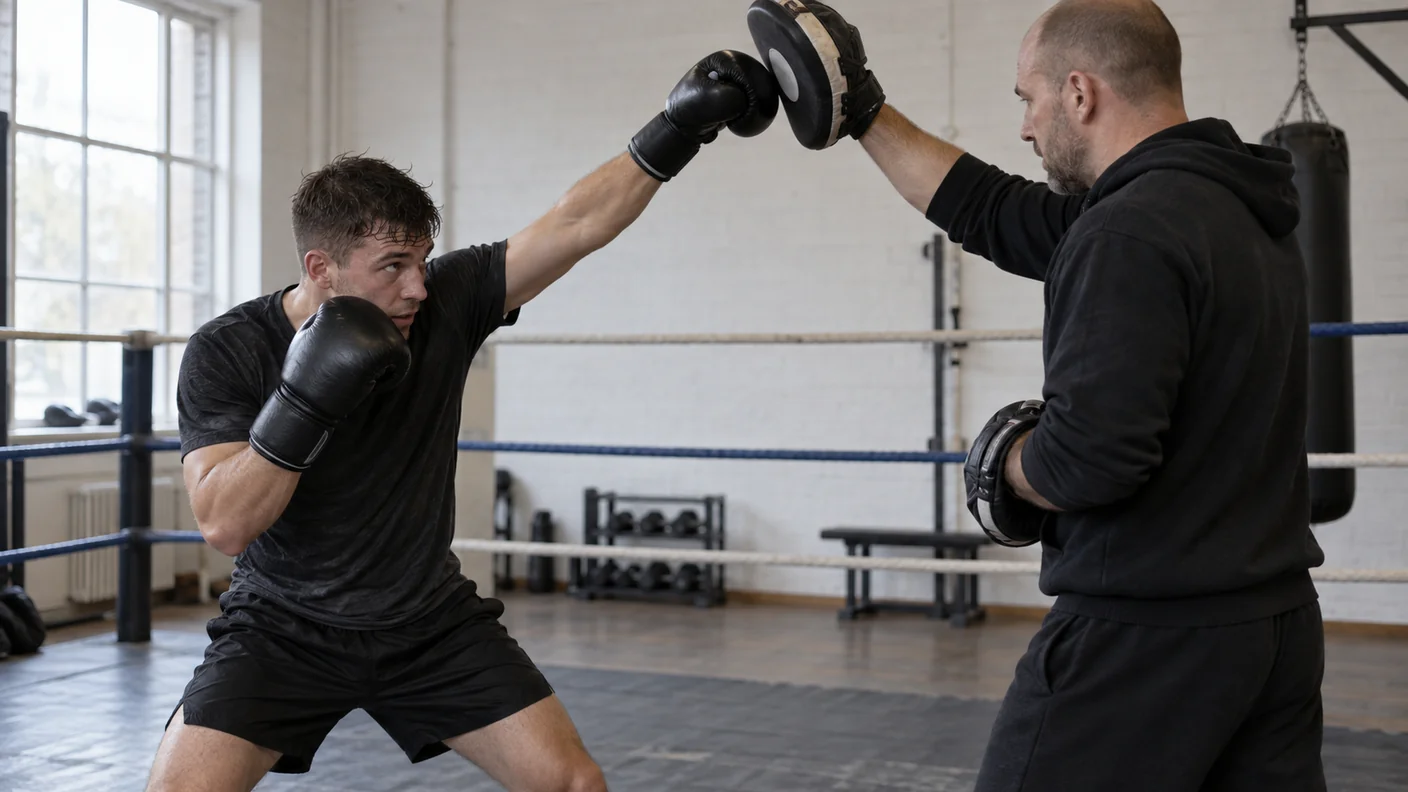
Watch the short demonstration below before trying the drill. Notice the level changing through the legs rather than a fold at the waist, and the way the second punch only makes sense once the boxer is back in a position to throw straight.
Let the body jab create a question
A body jab can make someone lower an elbow, bring a glove down, parry low or step away. None of those reactions guarantees a cross. They only give you information.
Start at a distance where the lead hand can reach a coach-held body mitt without the head moving past the front knee. The jab should be light enough that you can bring it home immediately. If you need to throw the shoulder and chest at the target to make it land, you are too far away.
The lower line comes from a small bend in the knees. Keep the spine long enough to see the coach or partner. The rear glove stays near the cheek. This is the same base covered in our guide to a safe boxing body jab, but the follow-up adds another test: did the first shot leave you able to rise and punch without rebuilding your stance?
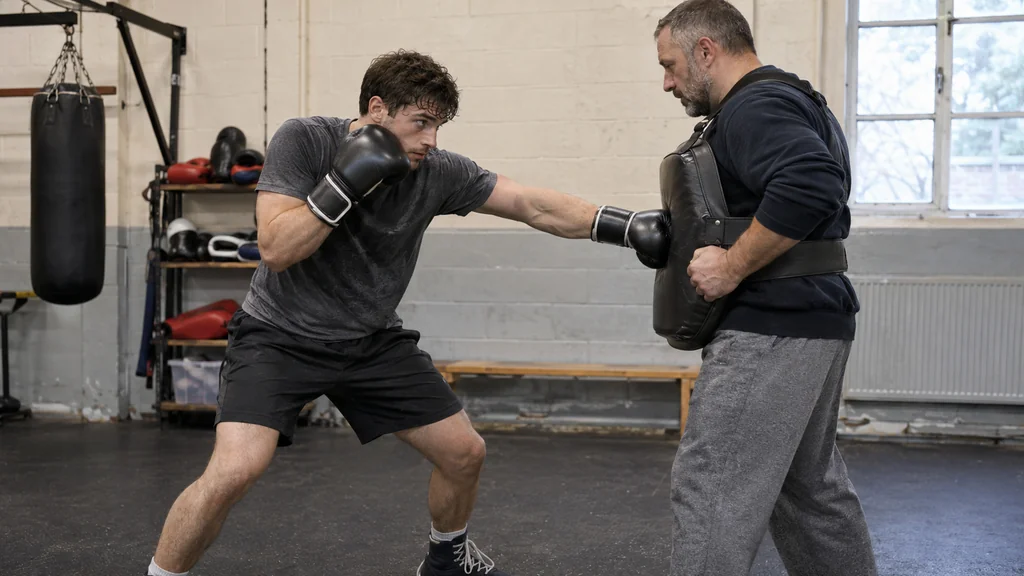
England Boxing places balance, posture and controlled progressions at the centre of technical learning in its coaching handbook. That is a better standard than making the combination look fast. After the body jab, you should still be able to cover, step or throw a short straight punch with your feet underneath you.
Rise into the cross, do not pull it from the floor
The cross is not a second body shot thrown upwards. It comes after your level has returned enough for the rear hip and shoulder to turn through a normal straight line.
For an orthodox boxer, the lead hand jabs low while the knees soften. As the hand returns, the body rises only as much as it needs to. The rear foot gives the hip room to turn, the rear shoulder comes through and the right hand travels to the high mitt. Southpaws reverse the sides, but the sequence stays the same: low lead hand, posture recovered, rear straight only if the target is honest.
Do not snap upright so quickly that the head lifts first. Think of the legs bringing the whole stance back to working height. The cross then comes from a settled body, not from a panic to get away from the lower target.
A review of boxing performance and biomechanics describes punching as linked work through the lower body, trunk and upper body. In a gym, you can feel that connection easily. If the rear hand needs to drag the chest forward to reach the mitt, the body jab did not earn the cross.
Build the two punches with clear targets
Use a coach with one body-height mitt and one head-height mitt. A body shield is useful for the first target. Keep the pace calm. This is a technical range drill, not a reason to hit a partner hard downstairs and rush up with the next shot.
Round one: body jab and recover your height
Start with the low target only. Bend the knees, touch the body mitt with a light jab, bring the hand home and return to ordinary posture. Freeze for one count.
Check the simple things: both gloves are present, the feet remain staggered and the eyes are still looking forward. If you have to pull your head up after the jab, reduce the level change or take a small step closer before the next repetition.
Round two: body jab, rise, cross
Now the coach holds a high mitt after the body jab. Touch the body mitt first, recover the lead hand and posture, then place a controlled cross on the high mitt.
The mitt should be held at real range. Do not let a generous pad position disguise a long lunge. If the coach needs to reach backwards to find your cross, return to round one and make the first punch tidier.
Round three: let the coach remove the cross
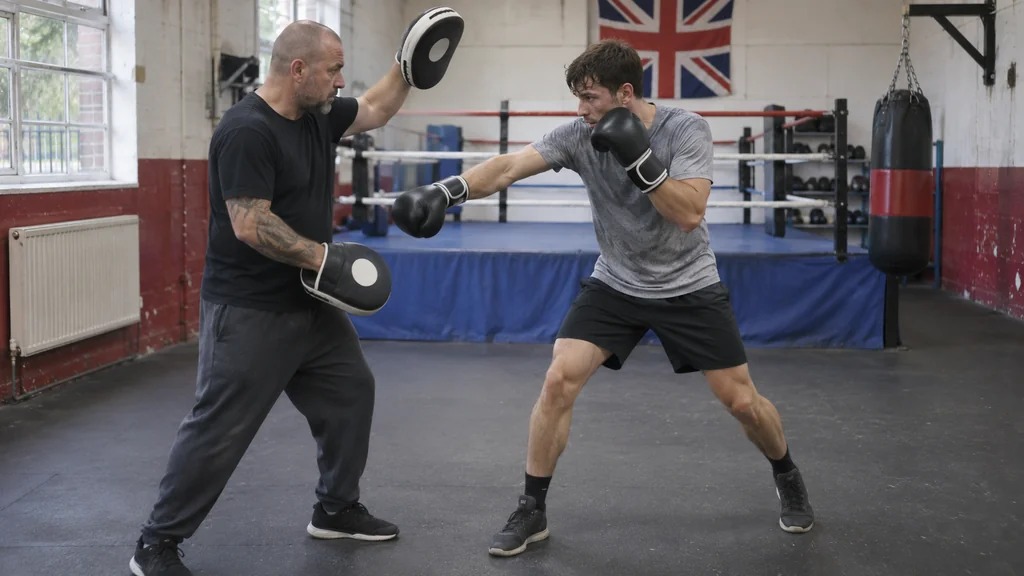
In the final round, the coach varies the second picture. Sometimes the high mitt appears. Sometimes the coach keeps both mitts closed, takes a short step back or gives a guard cue.
When the high mitt is there, land the cross and bring both gloves home. When it is not, do not throw into empty space because the combination was planned. Reset at jab range, cover or take the coached exit. The best technical habit in this drill is the willingness to stop at one good body jab.
Our guide to boxing range: short, mid and long shots helps make that decision clearer. A body jab can bring you closer, but it does not turn every distance into cross range.
Four mistakes that turn it into a lunge
The first is folding at the waist for the body jab. Your knees can lower the target line. Your head does not need to lead the way.
The second is leaving the lead hand down after the first punch. A body jab still has to come back to guard. If the lead glove is late, you have given away the line you are about to rise through.
The third is firing the cross before the posture has recovered. The rear hand should not pull you upright. Let the legs and stance do that job, then throw through the space they created.
The fourth is treating the high cross as compulsory. A good coach can remove the target. A live opponent can pull away, cover or step in. You need a position that lets you make the next decision, not a memorised two-punch answer.
For another way to make lower targets safe and controlled, read our guide to boxing body-shot targets above the belt line. Good body work begins with safe target choice before it becomes a combination.
Where this fits in training
This is a later beginner drill for a boxer who can already throw a calm jab, keep a basic guard and move in stance. It works after a warm-up on pads, a body shield or a bag with a clear imagined high target.
Do not add speed until the first jab no longer pulls you over the front knee. The combination should feel like one level change and one clean return to stance, not a dive followed by a desperate right hand.
For adults in Kidbrooke, Greenwich and nearby, our Recreational Adults boxing classes use pads and controlled partner drills to connect target choice, footwork and guard without rushing people into hard sparring.
The coaching cue is simple: touch low, stand tall enough to see, then throw high only when the range agrees.
H&G Team
Writer at Honour & Glory Boxing Club, a community boxing gym in Kidbrooke, South East London.
KEEP READING
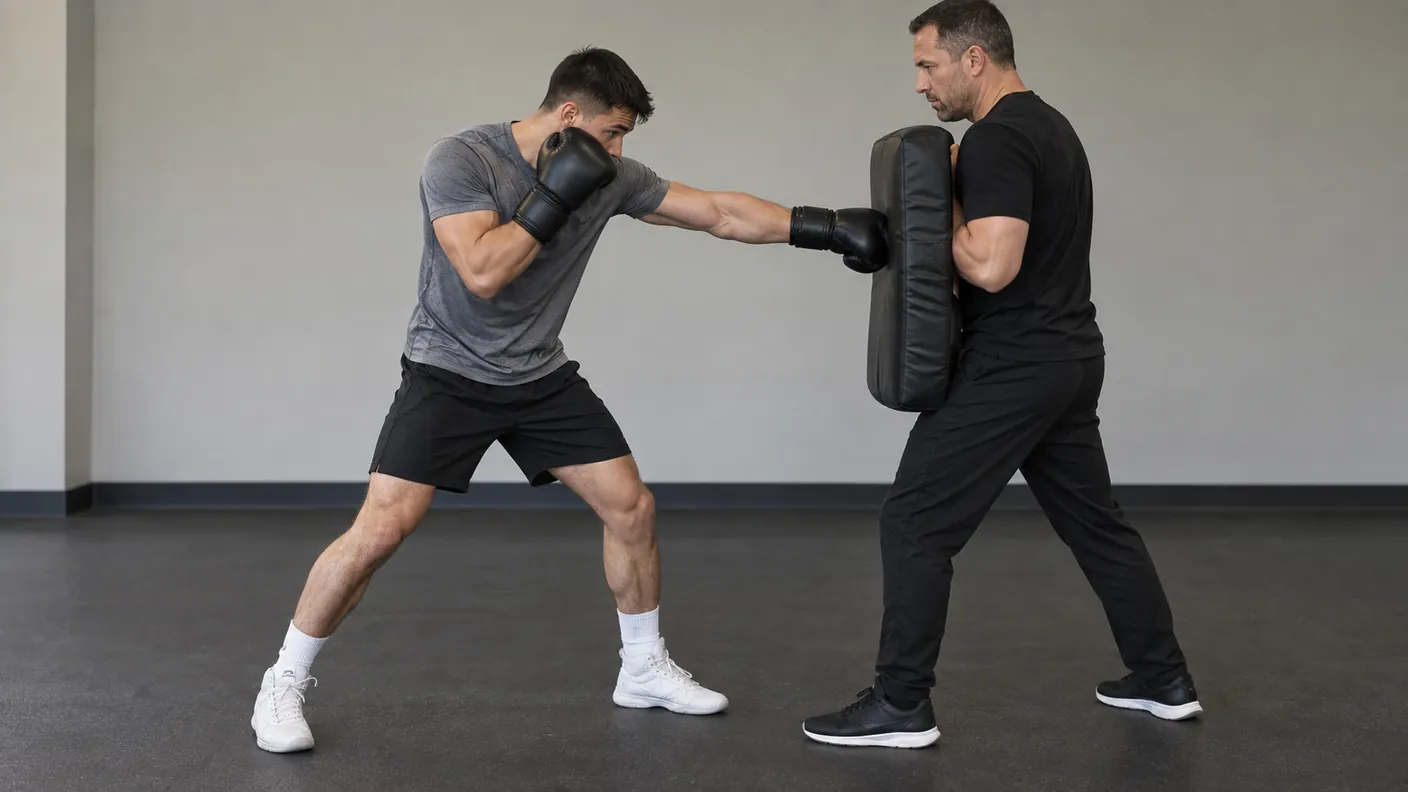
Long-Range Rear Body Cross: Boxing Drill
Use a small step, level change and guarded exit to land a rear body cross without reaching or getting stuck at close range.
How to Use an Up Jab in Boxing
Use a compact up jab to change the line, test a high guard and keep your stance ready for the next decision.
The Body Jab: A Safe Boxing Setup
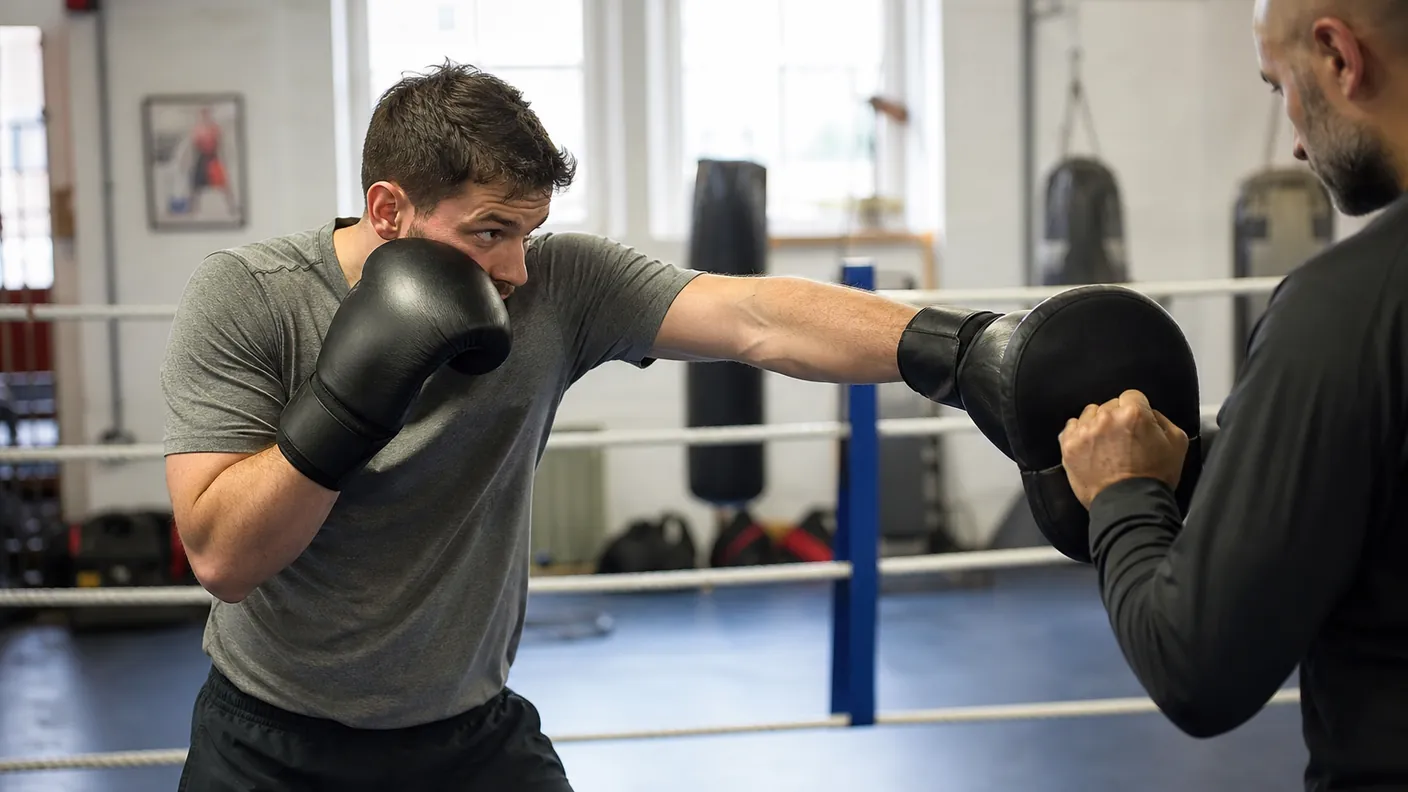
Use a compact body jab to change the target, check range and set up the next decision without falling over your front foot.
Was this page helpful?
It takes one tap, and it genuinely helps.
Choose your next step
Turn this article into the right action
Some readers are ready to book. Some need the class route first. Pick the route that matches what you actually want.