After-Roll Stance Switch: A Boxing Footwork Drill
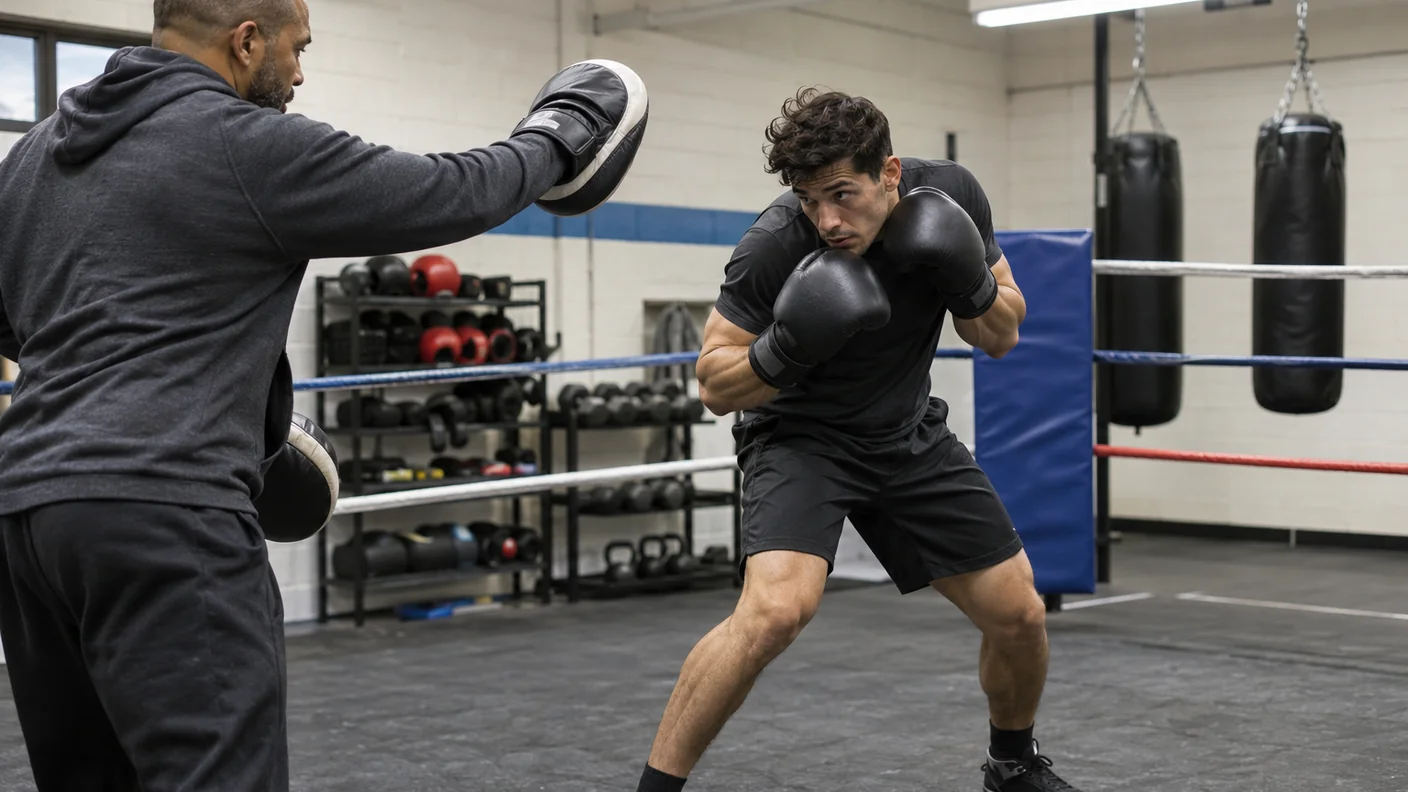
A roll can help you leave the line after a hook. A stance switch can change the angle. Put them together too early, though, and the feet can become tangled while the head is still moving.
The useful version has a clear order. Finish the roll in a recognisable stance. Bring the gloves home. Then make one compact stance change only when you can see the floor, the partner and a sensible route out. The switch is not a reward for getting low. It is a way to arrive somewhere the other boxer has to turn towards.
This is advanced technical work. It does not belong in hard sparring or in a first lesson. It is a controlled drill for a boxer who can already roll without folding, keep a normal stance, and move without crossing the feet.
The video below is a useful visual reference. Watch the feet after the defensive movement, not only the final punch.
The roll and switch do different jobs
A roll removes your head from a hook line. It should come from the knees and hips, with the back long enough that you can still see what is in front of you. A switch changes which foot is leading. It changes the angle, but for a moment it asks the feet to pass through a vulnerable transition.
Those are separate actions. Do not try to force them into one blur. After a lead hook, an orthodox boxer may roll towards the lead side, return to a stable guard, then use a short switch to create a new line. A southpaw reverses the picture. The common rule is to finish the defensive movement before the feet trade jobs.
That order matters because a crossed stance does not defend well. You cannot cover, jab or leave cleanly if the feet have stopped halfway through the change. England Boxing's coaching handbook puts balance, stance and controlled progressions before complicated attacks. That is the right standard here.
Finish the roll before you change lead
The mistake is seeing the roll as an invitation to jump. A boxer dips under an imagined hook, feels the weight move to one side, then leaps into the switch before the guard has returned. The feet can land too close, the head can drift ahead of the lead knee, and the opponent has an obvious line back through the middle.
Keep the first roll small. Let the legs move the head underneath a slow, agreed cue. Bring the hook hand back close to the cheek. Let both eyes settle on the coach or partner. Only then make the shift.
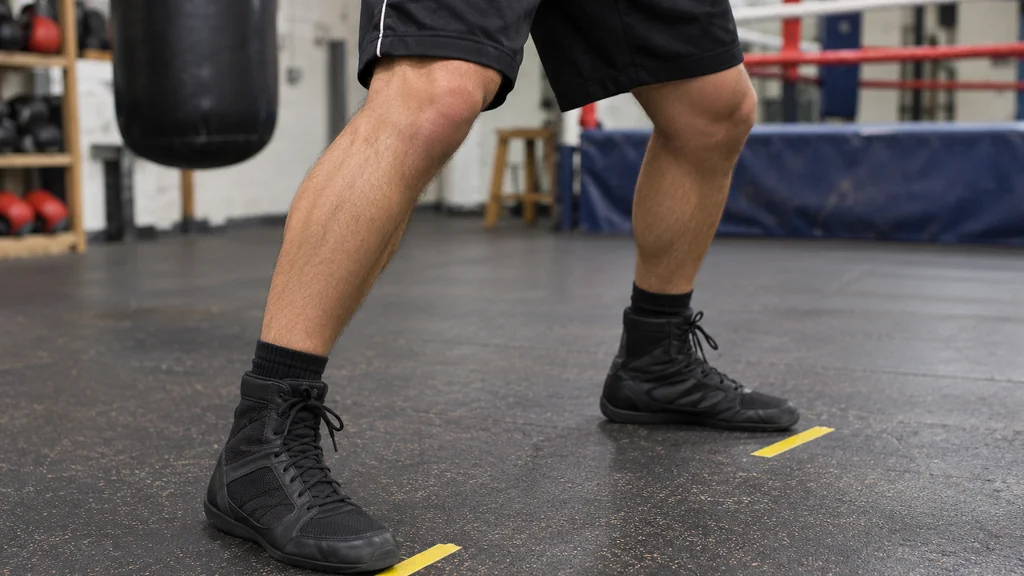
The switch itself should be quiet. Push from the leg rather than throwing the body forward. Your new lead foot needs to land where a normal boxing stance can exist, not miles across the room. The other foot follows into a usable gap. If you need a repair shuffle before you can cover or jab, the switch was too large.
A review of boxing biomechanics describes punching, defence and movement as connected actions across the body. That is easy to feel in this drill. A clean roll does not help if the next step ruins the stance. A clever-looking switch does not help if it leaves the guard behind.
Use the switch to make an angle, not to chase
The purpose is not to surprise someone with a new stance. The purpose is to leave the line they expected and make them turn before they can set their feet again.
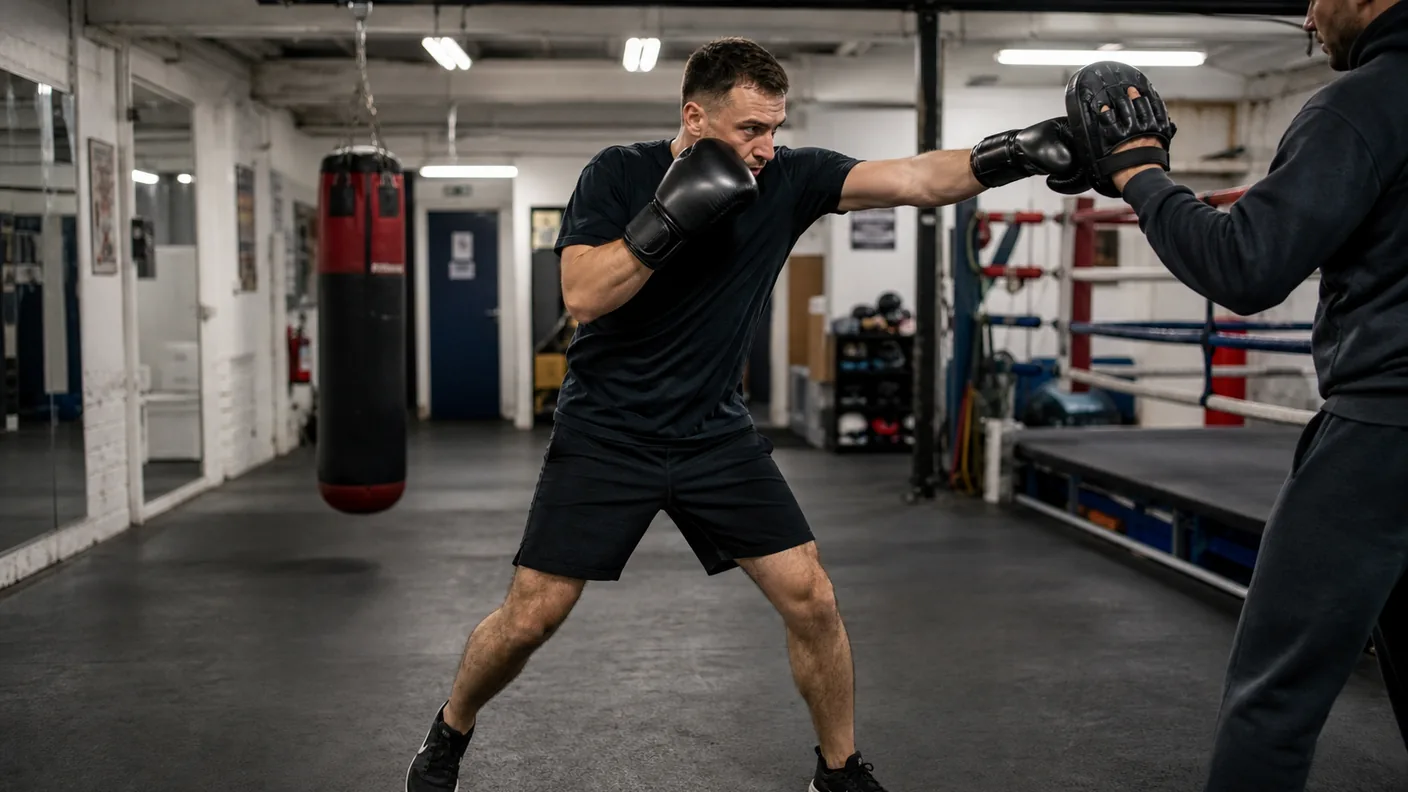
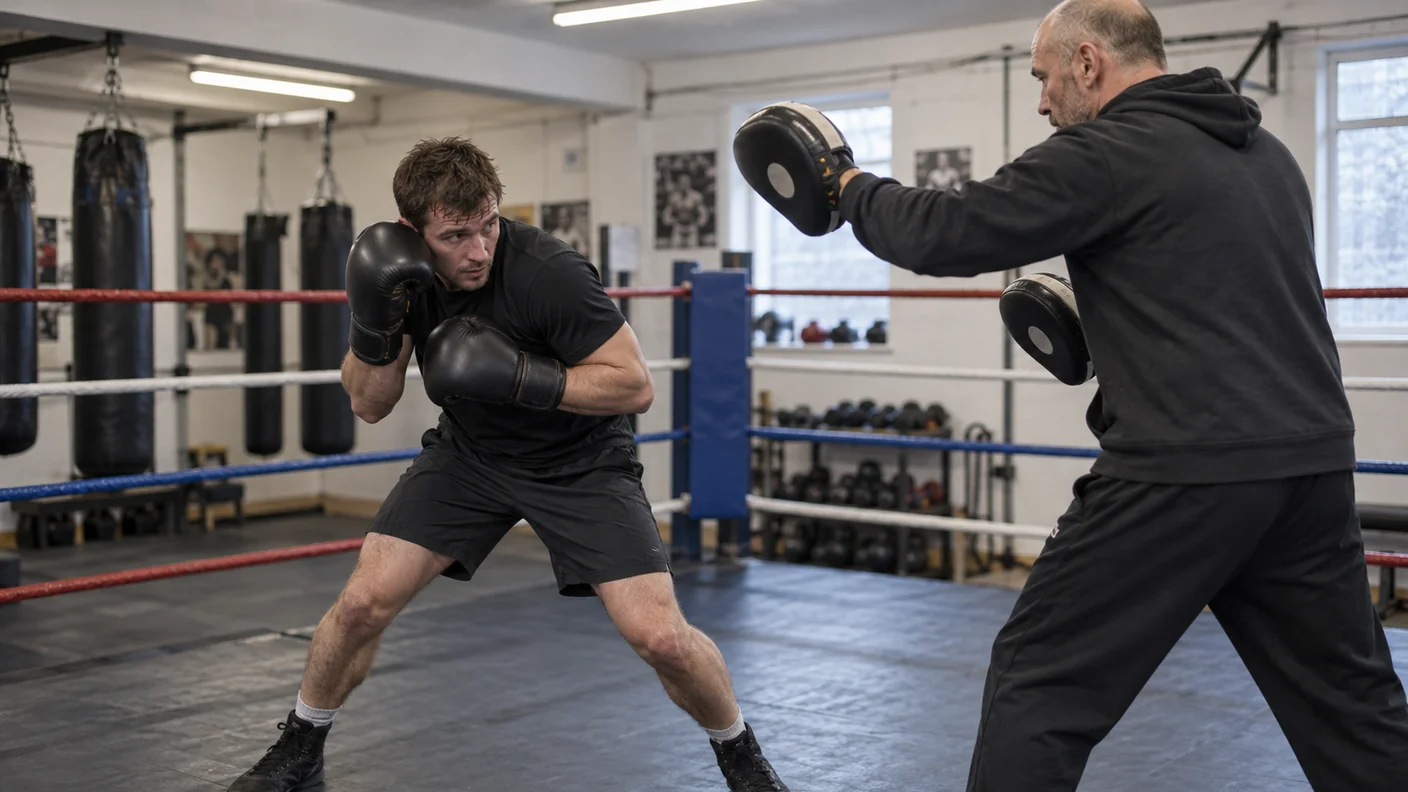
Start with a coach holding a mitt or a partner showing a high guard at safe distance. After the roll and a settled switch, you may have an angle for a light hook to a mitt, a jab from the new lead hand, or a simple exit. None of those actions is compulsory. If the target has gone, the guard has closed, or the range is too crowded, reset.
That choice makes the drill more useful than a fixed combination. The roll may have kept you safe. The switch may have moved you off line. Neither guarantees that a punch is waiting. Good boxing includes recognising when the best finish is simply a balanced stance and a fresh look at the exchange.
Our roll-with-the-last-punch line drill is the right starting point if the roll itself is still untidy. For the separate job of changing lead behind a jab, use the jab-led double shift drill. This drill joins one compact defensive movement to one deliberate angle change. It should not replace either basic skill.
Build the after-roll switch in three rounds
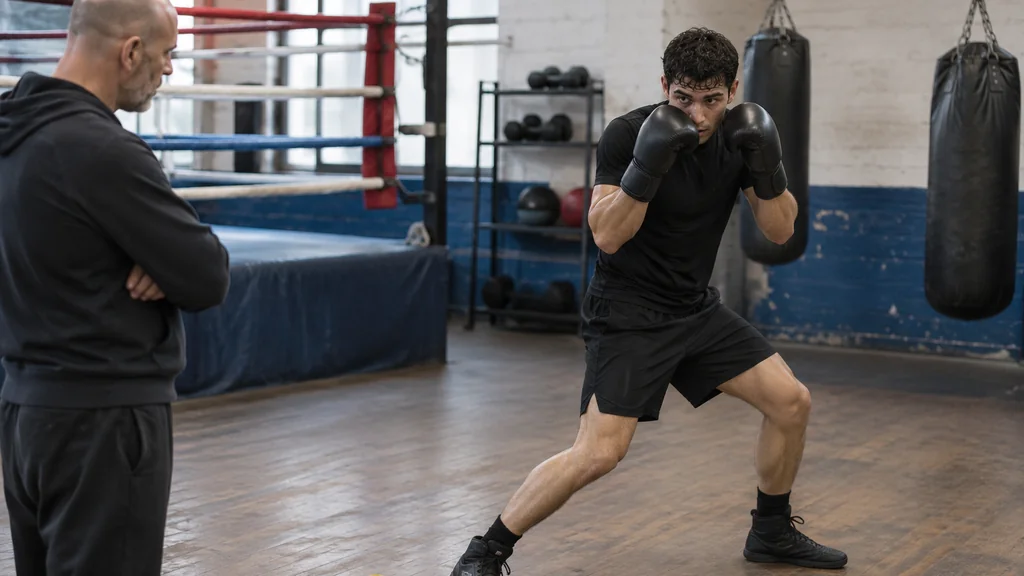
Work at half speed. Use gloves, clear floor space and a coach or experienced partner who understands that this is a technical drill, not an exchange to win.
Round one: roll, recover, freeze
Shadowbox or use a shoulder-height rope. Start in your normal stance. Make one compact roll beneath the line, then return to your ordinary guard without moving the feet into a new stance yet.
Freeze for one count. Check that the head is between the feet, the knees are soft and both gloves are available. If the roll has made you square, bent forward or unable to see clearly, stay here until the shape improves.
Round two: roll, settle, switch
Now add the stance change after the freeze. Roll under the cue, recover the guard, then use one short switch. Hold the opposite stance for a count before doing anything else.
The coach can check whether the feet have settled at a useful width. The new rear hand should still be able to cover the far side of your face. The new lead hand should be able to jab without the chest falling forward. If either hand feels trapped, make the step shorter.
Round three: choose the finish
For the final round, the coach gives one of three pictures after the switch: a mitt at honest range, a closed guard, or no target.
If the mitt is there, touch it with one measured jab or hook and bring the glove home. If the guard is closed, cover and take a small step away. If there is no target, reset. The aim is not to complete a pre-planned sequence. It is to arrive in a position where you can make a calm choice.
Four faults that make the drill worse
The first is rolling too deep. If your eyes are facing the floor, you have disappeared from the exchange rather than moved below a line. Make the roll smaller and keep the back long.
The second is switching during the roll. That usually creates crossed feet, a late guard and a head that continues travelling after the feet have stopped. Recover first, then change lead.
The third is making the angle too wide. A switch only needs to move you far enough that the other boxer has to adjust. If the step throws you beyond your own punching range, you have given away the chance to use the new position.
The fourth is treating the new stance as a permanent home. You may switch back at once, leave with a guarded step, or reset at long range. A brief stance change is an option, not an identity. Our guide to switch hitting in boxing explains why both sides need real practice before a boxer relies on them under pressure.
Who should use it?
This is for a later beginner or intermediate boxer who has already learned to roll, step and recover the guard. It works best on pads, in slow shadow boxing and in pre-agreed partner drills. It does not need hard contact.
If the ordinary stance, jab and exit still feel awkward, keep working those first. The basic version will always do more for most people than a complicated angle change. The switch becomes useful only when it leaves the simple skills intact.
For adults in Kidbrooke, Greenwich and nearby, our Recreational Adults boxing classes use controlled pads, footwork and partner drills to build that order: stance first, defence second, then choices.
The coaching cue is simple: roll, recover, switch small, then decide.
H&G Team
Writer at Honour & Glory Boxing Club, a community boxing gym in Kidbrooke, South East London.
KEEP READING
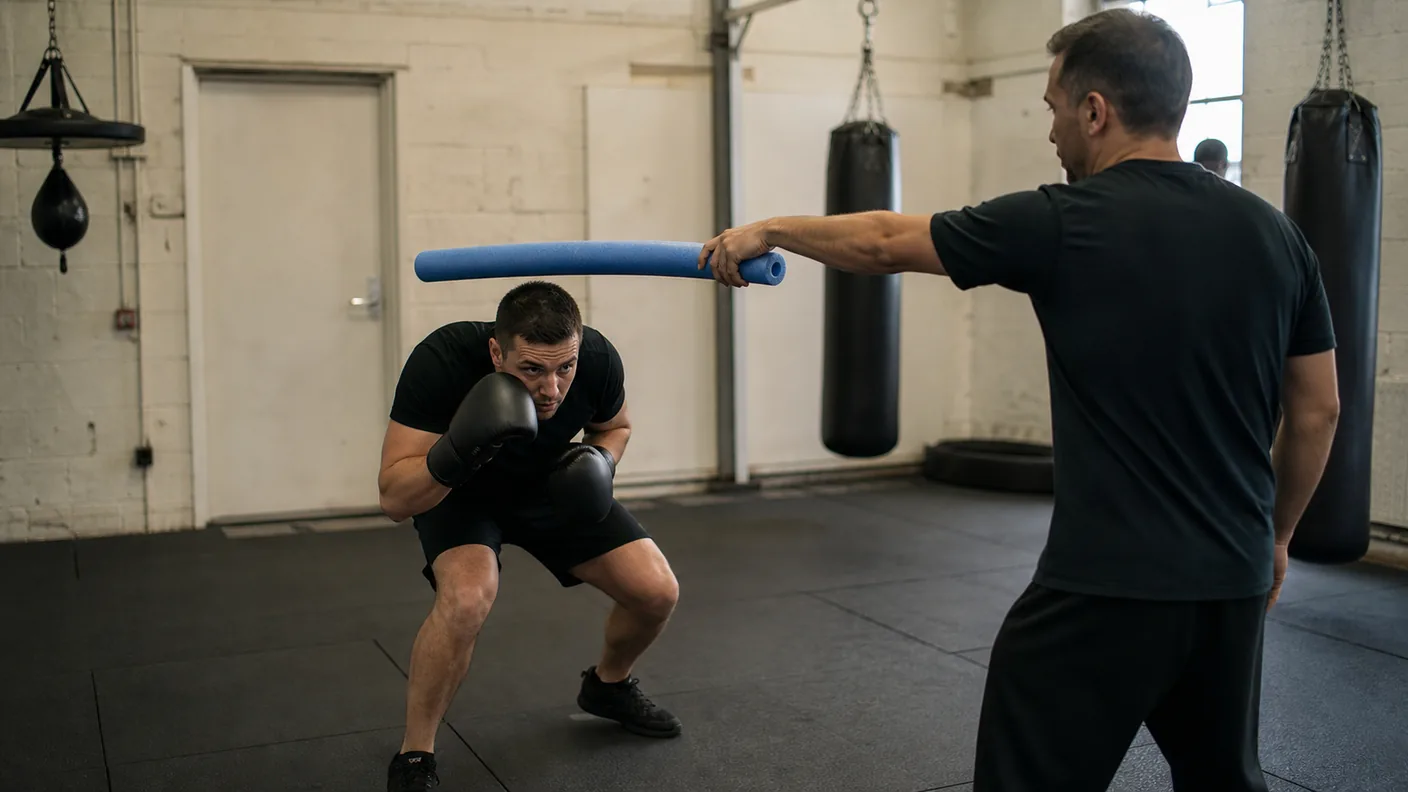
Roll Under Punches in Boxing Without Folding
Learn a compact boxing roll that uses the legs, keeps your eyes up and leaves you ready to hook, defend or move away.
Cross-Roll Drill: Recover After a Right Hand
Use a compact outside roll after the cross to finish balanced, keep your eyes up and avoid standing still for the return.
Catch, Parry, Roll: Boxing Defence Drill
Use a catch, parry and compact roll to defend a one-two-hook without reaching, folding over or losing your stance.
Was this page helpful?
It takes one tap, and it genuinely helps.
Choose your next step
Turn this article into the right action
Some readers are ready to book. Some need the class route first. Pick the route that matches what you actually want.