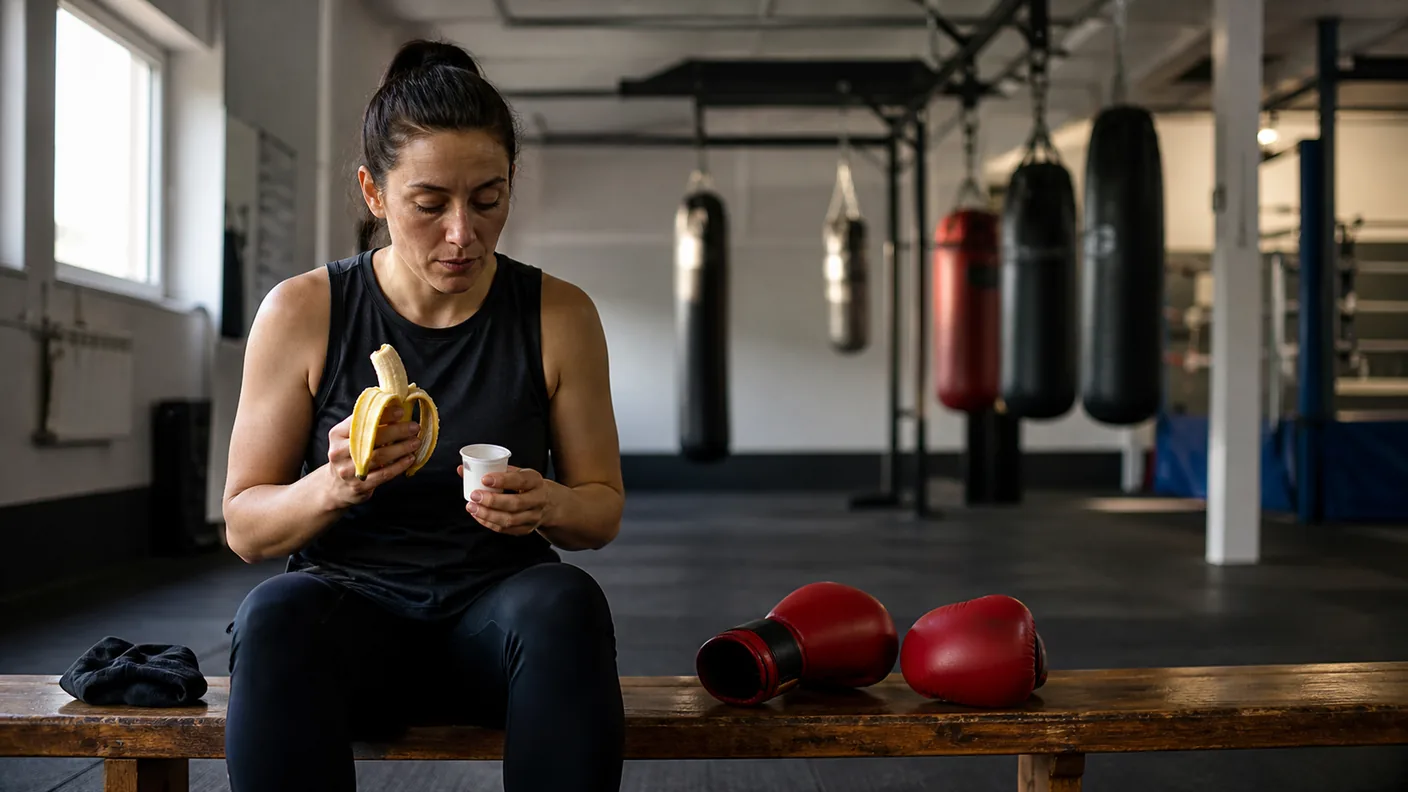
The best thing to eat before an evening boxing class is usually not dramatic. It is a normal meal far enough before training that you are not still digesting it during the warm-up, or a small snack if work and travel have made that impossible.
Most people get this wrong in one of two directions. They either arrive at the gym having eaten nothing since lunch, then wonder why the first bag round feels awful. Or they eat a big takeaway at 6:45pm and spend the session trying not to burp through their guard.
The useful middle ground is simple: eat enough to feel steady, leave enough time to move comfortably, and do not turn a normal class into a nutrition experiment.
The short answer: a light meal two to three hours before training
For most adults, a light meal two to three hours before an evening boxing class is a good starting point. The British Dietetic Association guidance on sport and exercise recommends a regular eating pattern, including a low-fat, carbohydrate-rich snack or light meal two to three hours before exercise.
That does not mean everyone needs a special pre-training plate. It means your food should feel familiar, not overly rich, and easy enough to sit with while you skip, shadow box and work through rounds.
A rice bowl with chicken and vegetables, a jacket potato with tuna, pasta with a straightforward sauce, or eggs on toast can all work if you eat them early enough. The exact choice matters less than whether it suits your stomach and your workday.
If your class starts at 7:30pm, a proper meal around 4:30pm to 5:30pm gives most people room to travel and settle before training. If you have had a substantial lunch and are not hungry, a smaller snack around 6pm to 6:30pm may be enough instead.
If work has made food timing messy
Evening classes are where good intentions meet real life. Meetings run over. Trains are delayed. You leave the office at six and realise the last thing you ate was a sandwich at one.
Do not treat that as a reason to turn up empty. Make the decision based on how long you have before the warm-up.
You have two or three hours
Eat a normal light meal. Keep the portion sensible and avoid loading it with rich sauces, a lot of fried food or anything you already know makes you sluggish. The point is to arrive with energy, not to feel as though you need to lie down.
You have sixty to ninety minutes
Choose a smaller snack with carbohydrate and some protein if that works for you. University College London Hospitals describes pre-training snacks in this window as a way to top up fuel where a meal was not eaten two to three hours beforehand, and suggests keeping fat low (UCLH guidance on exercise snacks).
Practical options include a banana and yoghurt, toast with peanut butter, a small bowl of cereal with milk, or a simple sandwich. You are not trying to build the perfect athlete meal. You are preventing the hungry, light-headed feeling that turns a technical class into a long evening.
You have less than thirty minutes
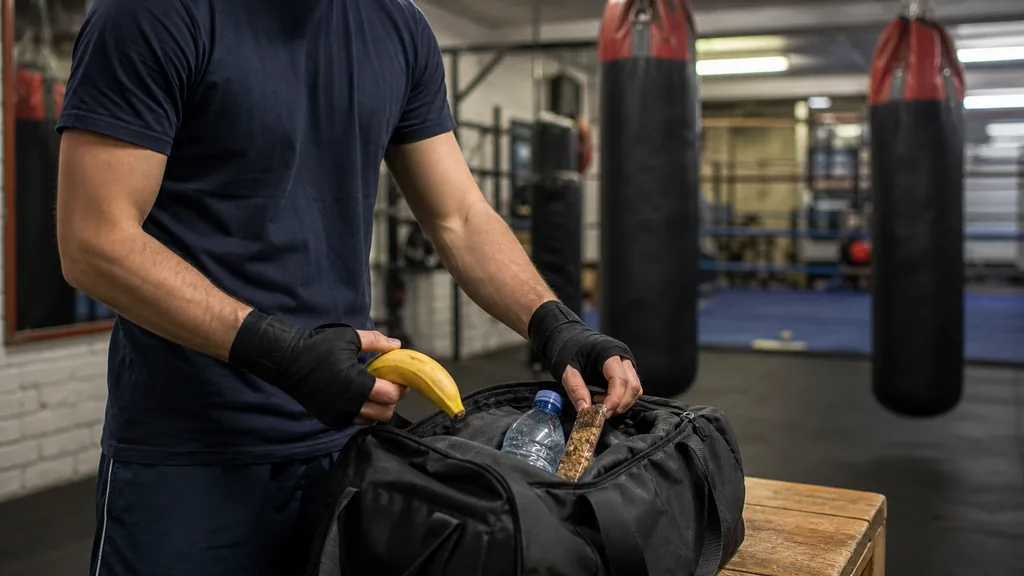
Keep it small. A banana, a cereal bar you know agrees with you, a few crackers, or a drinkable yoghurt is enough for many people. Save the bigger meal for after class.
If you feel completely depleted, tell the coach before the session starts. They can keep an eye on how you are getting on and help you pace the first rounds. Do not pretend you are fine, then push through dizziness because you do not want to look unfit.
What makes a good pre-boxing meal
The best pre-class food is boring in a useful way. It gives you enough fuel to train and does not become the main event of the evening.
Carbohydrate foods are a sensible base because boxing asks for repeated movement, punching and short bursts of effort. The BDA advises matching carbohydrate intake to the demands of training rather than treating every session like a competition. For a recreational evening class, ordinary foods do the job well.
Try one of these routes:
- A chicken, tofu or tuna sandwich with fruit.
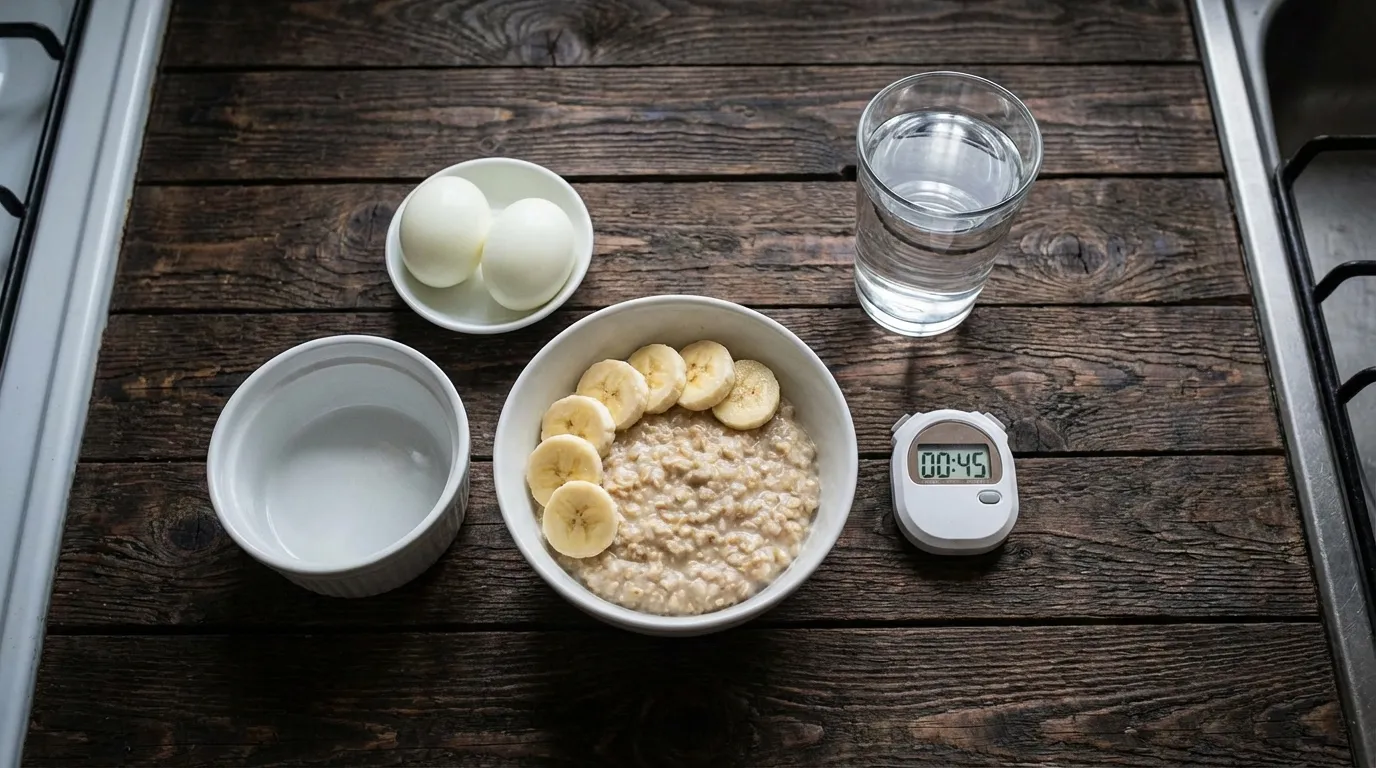
- Porridge with milk and a banana if you need something before leaving work.
- Rice, potatoes or pasta with a moderate portion of protein and vegetables.
- Toast with eggs, cottage cheese or peanut butter.
- Greek yoghurt with fruit and a small handful of oats.
The right choice is the one you can repeat without fuss. If you know a cheese toastie makes your stomach feel heavy when you skip, do not make it your pre-boxing ritual just because it is convenient near the station.
You also do not need to chase expensive pre-workout powders. A normal meal, a small snack when needed, and water across the day will take most recreational boxers further than a loud tub of caffeine ever will.
What tends to go wrong before class
The problem is rarely that someone chose the wrong superfood. It is usually poor timing or an attempt to compensate at the last minute.
The heavy meal just before training
A large curry, a full fry-up, or a generous portion of chips might be enjoyable, but an evening boxing class is a bad place to find out how it feels while your body is trying to digest it. You will be bending, rotating, skipping and breathing hard. Give substantial meals proper space.
Going from lunch straight to the gym
This is the classic office-to-gym error. You have survived on coffee, then expect your body to deliver clean footwork and hard bag rounds at 8pm. Pack a snack in the morning and put it in your bag. The decision is easier when the food is already there.
Mistaking caffeine for food
Coffee can be part of your day, but it is not dinner. If it makes you anxious, shaky or unable to sleep after an evening session, more caffeine is not the answer. Eat something ordinary, drink water and pay attention to your own pattern over a few weeks.
A simple plan for a 7:30pm boxing class
Use this as a starting structure, then adjust it to your commute and appetite.
- 5pm: a normal meal, such as a rice bowl, pasta with a simple sauce, or a jacket potato with a protein filling.
- 6:30pm: if you are hungry, have a small snack such as fruit and yoghurt, toast, or a simple sandwich.
- On the way to class: bring water and take small drinks when you need them.
- After class: eat a proper evening meal if you have not already had one, or have a light recovery option and plan breakfast properly the next morning.
For more on the water side, read our guide to hydration for boxing. If late training means you are never sure what to eat afterwards, our post-workout nutrition guide for boxing gives practical options without pretending there is one perfect meal.
The real test is not whether your meal looks good in a fitness app. It is whether you can train with a settled stomach, keep your concentration through the final round, and wake up ready to do it again later in the week.
When food needs individual advice
This article is for ordinary recreational training, not a replacement for personal medical or nutrition advice. If you have diabetes, a history of disordered eating, a digestive condition, food allergies, or medication that affects meals around exercise, use the plan you have agreed with a clinician or dietitian.
The same goes for anyone cutting weight for competition. That is not a shortcut version of eating before class. It needs proper coaching and health guidance. Recreational members do not need to dehydrate or under-eat to get value from training.
Evening boxing in Kidbrooke
Honour and Glory runs Recreational Adults boxing classes for adults who want to learn the sport, get fitter and train properly without being pushed into sparring. If you are travelling from Kidbrooke, put a simple snack in your bag, arrive a few minutes early and tell the coach if you have come straight from a demanding day.
A good session does not require a flawless food plan. It requires enough preparation that you can focus on your stance, your breathing and the work in front of you.
H&G Team
Writer at Honour & Glory Boxing Club, a community boxing gym in Kidbrooke, South East London.
KEEP READING
What to Eat Before Boxing Training
What you eat before boxing training directly affects your performance. Here is exactly what to eat and when for your best sessions.
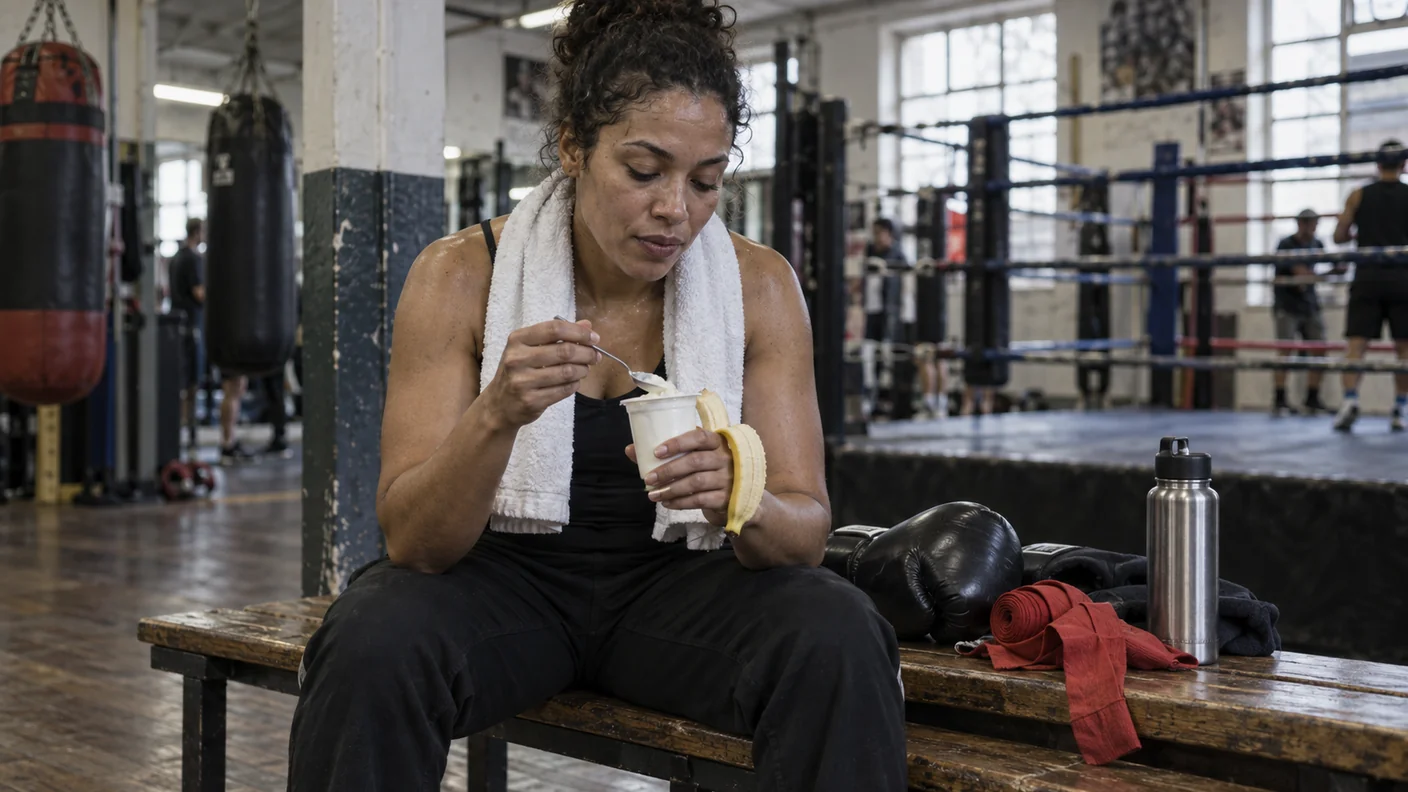
Why Boxing Makes You Hungry Later
A hard boxing class can leave you hungry later in the evening. Learn why it happens and how to plan without overeating.
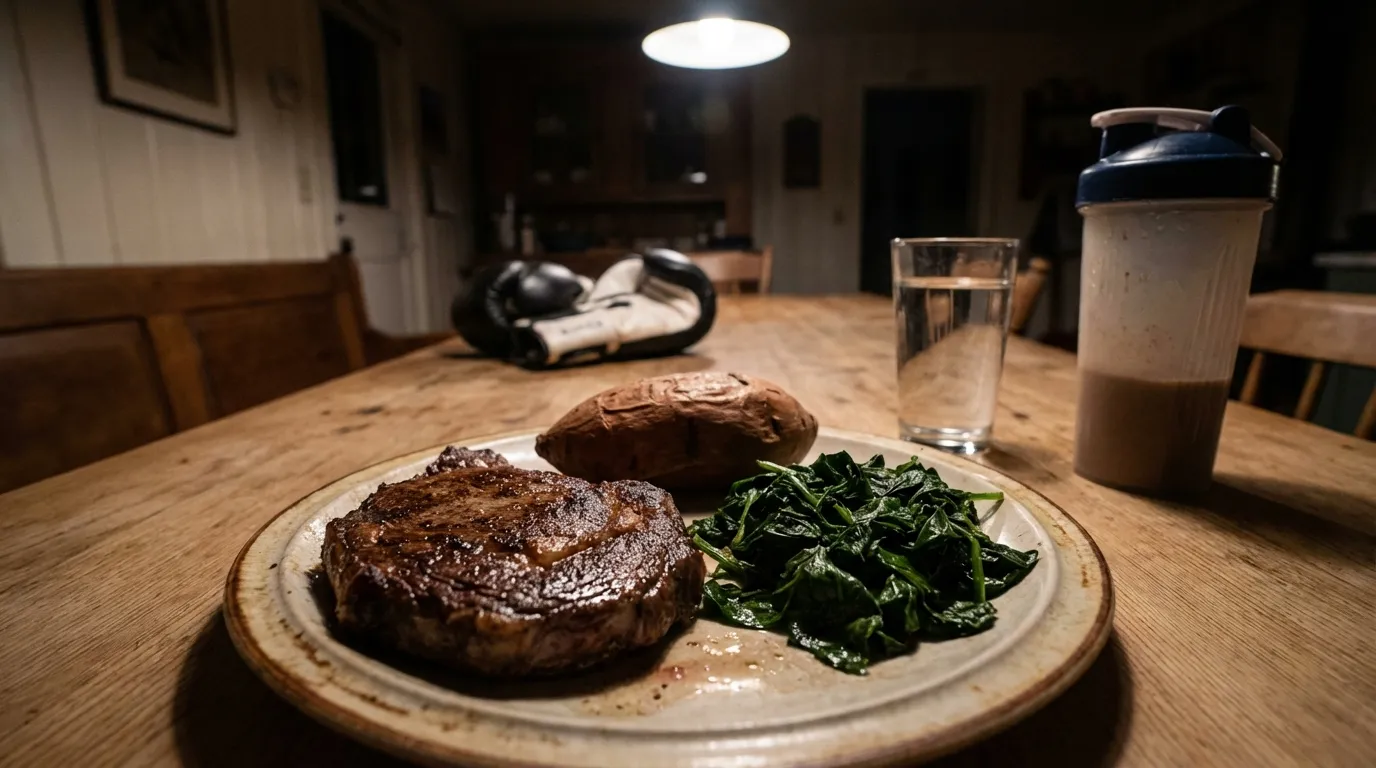
The Boxing Diet - What Boxers Actually Eat
Forget the Hollywood montages of raw eggs. Here is what boxers really eat to fuel training, make weight, and perform at their best.
Was this page helpful?
It takes one tap, and it genuinely helps.
Choose your next step
Turn this article into the right action
Some readers are ready to book. Some need the class route first. Pick the route that matches what you actually want.