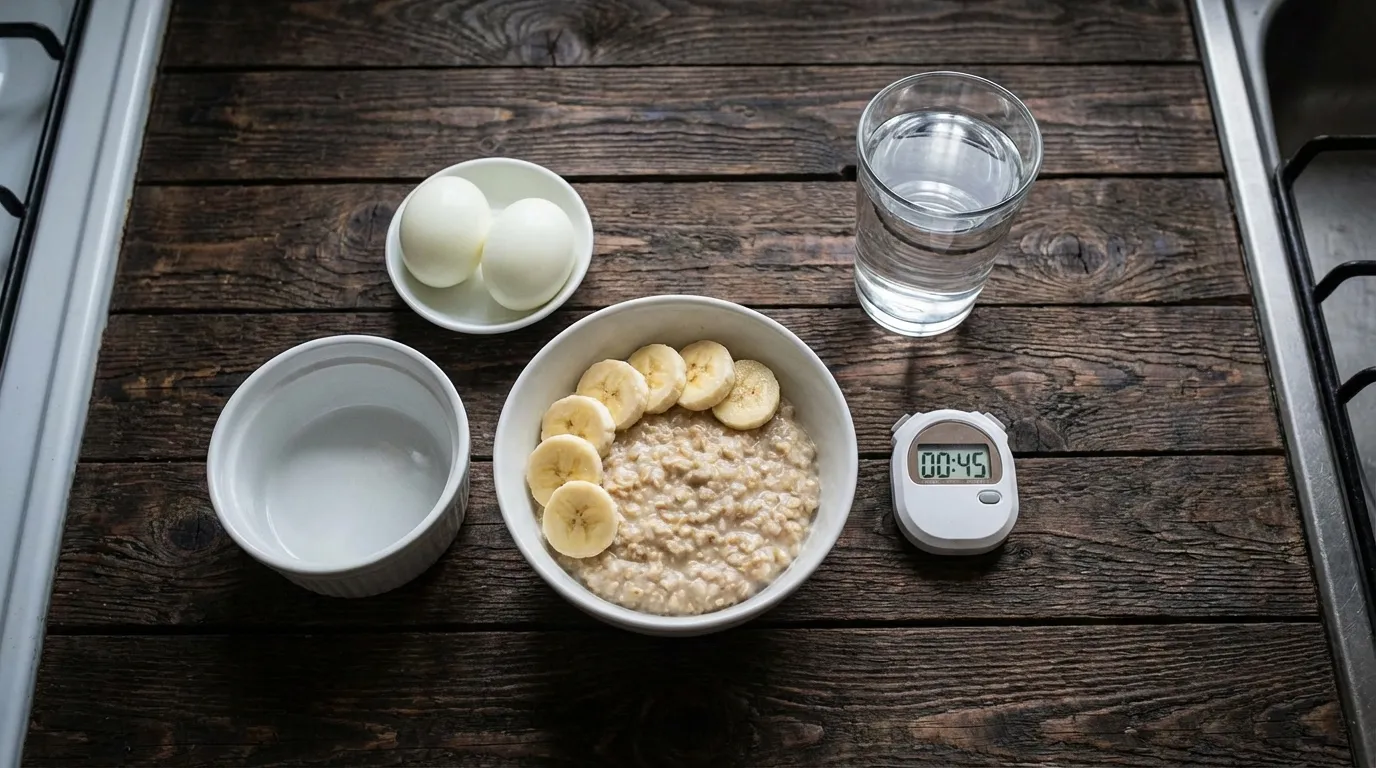
Nothing ruins a boxing session faster than the wrong pre-workout meal. Too much food and you feel sick. Too little and you gas out in round two. Wrong timing and you are sluggish when you should be sharp.
Getting your pre-workout nutrition right means better energy, improved performance, and faster progress. Here is how to do it.
If you want specifics, our ranking of the best foods to fuel a session favours the carb-dense, easy-to-digest options that work best before training.
Why Pre-Workout Nutrition Matters
When you train, your body uses glycogen (stored carbohydrates) for energy. If those stores are low, you will:
- Fatigue faster
- Hit with less power
- React slower
- Struggle to concentrate
- Feel weak and dizzy
The goal of pre-workout eating is simple: top up your energy stores without weighing yourself down.
The Timing Breakdown
When you eat matters as much as what you eat.
3-4 Hours Before Training
This is the ideal window for a full meal. Your body has time to digest properly and convert food into usable energy.
- A normal balanced meal
- Protein + carbs + some fats
- 500-700 calories
- Chicken breast with rice and vegetables
- Pasta with meat sauce and salad
- Jacket potato with tuna and beans
- Salmon with sweet potato and greens
At this point, you can eat a substantial meal without problems. The key is avoiding anything excessively fatty or heavy on fibre, which takes longer to digest.
2-3 Hours Before Training
Still time for a proper meal, but keep it a bit lighter.
- Lean protein + easily digestible carbs
- Lower fat and fibre
- 400-600 calories
- Chicken sandwich on white bread
- Rice with fish and steamed vegetables
- Pasta with light sauce
- Eggs on toast with fruit
Avoid heavy sauces, fried foods, and excessive cheese. These slow digestion.
1-2 Hours Before Training
Getting closer now. Smaller portions and easier digestion become priorities.
- Mostly carbohydrates with small amounts of protein
- Very low fat
- 200-400 calories
- Greek yoghurt with banana
- Toast with honey
- Small bowl of cereal with milk
- Rice cakes with jam
- Fruit smoothie
Skip anything heavy. You want food that moves through quickly.
30-60 Minutes Before Training
Emergency fuel only. This should be quick-digesting carbs that provide immediate energy without sitting in your stomach.
- Simple carbohydrates
- Minimal protein or fat
- 100-200 calories
- Banana
- Rice cakes
- Handful of dried fruit
- Energy gel
- Few biscuits
- Small glass of fruit juice
At this point, you are not eating for sustained energy - you are topping up glycogen for the first 20-30 minutes of training (source).
Less Than 30 Minutes Before
Generally? Do not eat. Just hydrate.
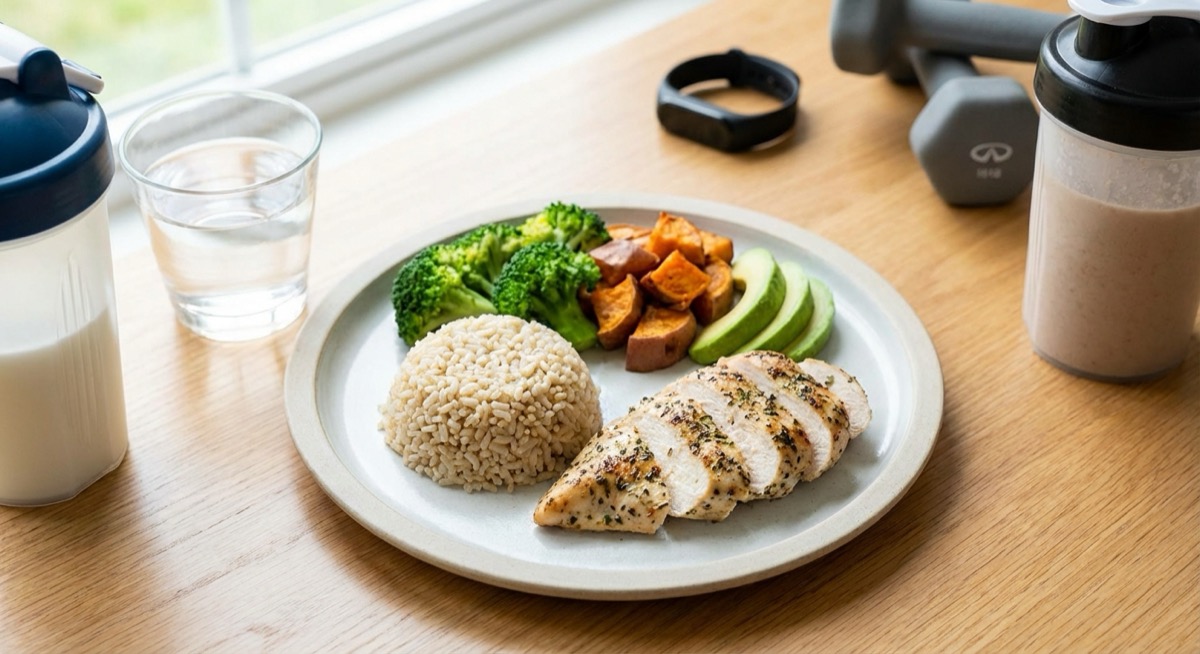
Training with food still in your stomach causes nausea, cramping, and discomfort. If you are really struggling and need something, a few sweets or a sip of sports drink might help, but real food is a bad idea.
The Best Pre-Workout Foods for Boxing
These foods digest well and provide solid energy:
Carbohydrate Sources
- White rice
- White bread or bagels
- Bananas
- Rice cakes
- Honey
- Dried fruit
Slower-digesting (eat 2-4 hours before): (source)
- Oatmeal
- Sweet potato
- Brown rice
- Wholemeal bread
- Pasta
For the broader food-selection question, we also mapped what you gain and lose if a boxer could only eat 5 foods for life.
Protein Sources
- Whey protein shake
- Egg whites
- Greek yoghurt
- White fish
- Chicken breast
- Turkey
- Lean beef (eat earlier, takes longer)
Fats (Limit Pre-Training)
Small amounts are fine 3-4 hours out, but avoid close to training:
- Olive oil
- Avocado
- Nuts
- Nut butters (small amounts)
Foods to Avoid Before Boxing
These cause problems during training:
- Fried anything
- Burgers
- Cheese-heavy meals
- Creamy sauces
- Fatty meats
Problem: Slow digestion, feeling heavy, nausea
- Large portions of vegetables
- Beans and lentils
- Bran cereals
- High-fibre bread
Problem: Bloating, gas, discomfort
- Curries
- Hot sauce-laden meals
- Chilli
Problem: Heartburn, stomach upset
- Even "good" food in excess causes issues
- Better to under-eat slightly than over-eat
Problem: Sluggishness, nausea, cramps
- Trying something new before training is risky
- Stick to foods you know work for you
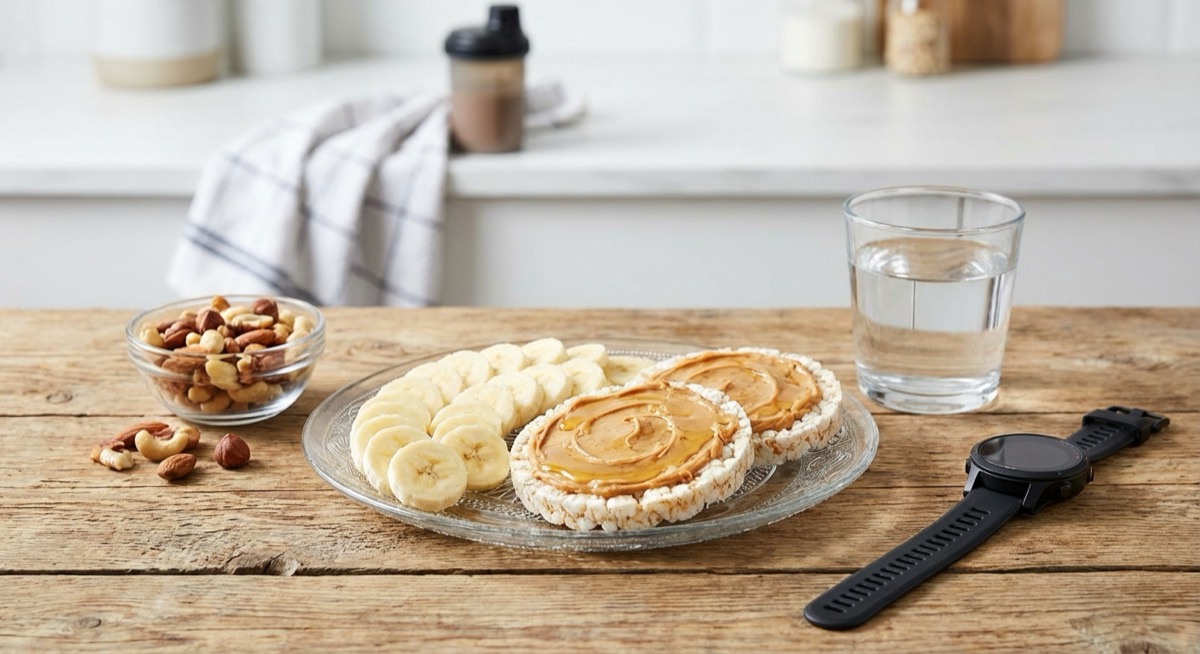
Problem: Unpredictable digestion, potential issues
Sample Pre-Training Meal Plans
Morning Training (6am session)
- Banana
- Small glass of juice
- Train, then eat properly after
- Toast with jam
- Small yoghurt
- Train at 6am
- Eat a larger dinner the previous night
- Wake and have just a banana
- Your glycogen stores from dinner carry you
Morning sessions are tricky. Most people do not want to wake an hour early to eat. The solution is eating more the night before and having just a small snack before training.
Lunchtime Training (12pm session)
Breakfast (7am):
Full breakfast - eggs, toast, fruit, juice (600-700 calories)
Mid-morning snack (10am):
Greek yoghurt with honey or banana (200-250 calories)
Train at 12pm
This schedule works well. Breakfast provides the main fuel, the mid-morning snack tops you up without filling you.
Evening Training (6pm session)
Lunch (12-1pm):
Normal lunch - chicken, rice, vegetables (500-600 calories)
Afternoon snack (3:30-4pm):
Banana with peanut butter, or rice cakes with honey (250-300 calories)
Train at 6pm
The afternoon snack bridges the gap between lunch and training. Do not skip it - six hours without food means low energy.
Late Evening Training (8pm session)
Lunch (12-1pm):
Normal lunch
Dinner (5-5:30pm):
Lighter dinner - chicken, pasta, light sauce (400-500 calories)
Small snack (7pm):
Banana or rice cakes if needed (100-150 calories)
Train at 8pm
Late sessions require earlier dining. A 6pm dinner means you are training with food still digesting.
Hydration Before Training

Water matters just as much as food.
- Drink 2-3 litres throughout the day (not all at once)
- Have 500ml 2-3 hours before training
- Sip 250ml in the hour before training
- Avoid chugging large amounts right before
- Dark urine
- Headache
- Fatigue before you even start
- Dry mouth
- Water (the default)
- Squash (for variety)
- Sports drinks (if training over 90 minutes or in heat)
- Coconut water (natural electrolytes)
- Alcohol (dehydrates you)
- Excessive caffeine (diuretic effect)
- Fizzy drinks (bloating)
Coffee and Pre-Workout Supplements
Coffee:
Caffeine works. It increases alertness, reduces perceived effort, and may improve performance. 100-200mg (1-2 cups) 30-60 minutes before training is the sweet spot.
The downside? Some people get jittery, anxious, or experience digestive issues. Caffeine also affects sleep if taken too late.
Pre-workout supplements:
Most are just caffeine with other ingredients. If you respond well to caffeine, a pre-workout is fine. If you do not like caffeine, skip them.
The stimulant-heavy products can cause:
- Racing heart
- Tingling skin
- Anxiety
- Crash afterwards
A cup of coffee is cheaper and works just as well for most people.
Pre-Workout Supplement Ingredients: What Actually Works
If you decide to use a pre-workout supplement, understanding the key ingredients helps you pick something that actually works rather than just tastes good.
Beta-Alanine
Beta-alanine buffers lactic acid in your muscles. For boxing, this means you can sustain high-intensity work for longer before your arms feel like lead. The effective dose is 3-6g daily, and it takes 2-4 weeks of consistent use to build up in your system. The tingling sensation (paraesthesia) is harmless and fades as your body adapts.
Citrulline Malate
Citrulline malate improves blood flow to working muscles by boosting nitric oxide production. Better blood flow means more oxygen and nutrients reaching your muscles during training. Look for 6-8g of citrulline malate per serving. This is one of the most well-researched ergogenic aids for repeated high-intensity efforts like boxing rounds.
Amino Acids and BCAAs
Branched-chain amino acids (leucine, isoleucine, valine) may reduce muscle breakdown during intense training. However, if you eat enough protein (1.6-2.2g per kg bodyweight), supplementing with extra amino acids provides minimal additional benefit. Save your money for actual food.
Caffeine
The most reliable performance enhancer. 3-6mg per kg of bodyweight, taken 30-60 minutes before training. For most boxers, that is 200-400mg. Check the label carefully - some pre-workout products contain 300mg+ per serving, which is excessive for smaller athletes.
What to Look For on the Label
The best pre-workout supplements share a few characteristics:
- Transparent ingredients list with specific doses (not "proprietary blends")
- Third-party testing certification (Informed Sport, NSF, or similar)
- Clinically dosed ingredients at the amounts shown to work in studies
- No unnecessary fillers or excessive stimulants
Stim-Free Pre-Workouts
If you train in the evening, stimulant-free pre-workouts avoid the sleep disruption that caffeine causes. These typically contain citrulline malate, beta-alanine, and betaine without caffeine. They will not give you the immediate alertness boost, but they still improve muscular endurance and blood flow during training.
Do You Actually Need a Pre-Workout?
Honestly? Most recreational boxers do not. A banana, some water, and a cup of coffee cover the essentials. Pre-workout supplements are a convenience product. They are not magic, and the best pre-training nutrition will always be real food eaten at the right time.
If you compete or train at a very high intensity, targeted supplementation might give you a small edge. For everyone else, nail the food and hydration basics first.
Finding What Works for You
Everyone's different. Some people train well fasted. Others need a big meal two hours before. The guidelines here are starting points.
- Try a suggested approach for a week
- Note how you feel during training
- Adjust timing or portions
- Repeat until you find your sweet spot
- Feeling sick during training
- Cramping or stitches
- Extreme fatigue mid-session
- Burping or reflux
- Feeling too full to move properly
- Consistent energy throughout
- No stomach issues
- Sharp mentally
- Good power in late rounds
Once you find what works, stick with it. Do not change your pre-training meal before important sessions or grading days.
Ready to put this nutrition knowledge into practice? Book a free trial at Honour & Glory and feel the difference proper fuelling makes.
Frequently Asked Questions
Should I eat before morning boxing?
Something small, yes. A banana or a few rice cakes gives you energy without weighing you down. Training completely fasted usually means a worse session.
How long before boxing should I eat?
Ideally 2-3 hours for a full meal, 1-2 hours for a snack, 30-60 minutes for a small piece of fruit. Avoid eating less than 30 minutes before training.
What if I feel sick during training?
You probably ate too much, too close to training, or ate something too heavy. Next time, reduce portion size and allow more digestion time.
Is coffee a good pre-workout for boxing?
Yes, for most people. 1-2 cups 30-60 minutes before training improves alertness and may enhance performance. Skip it if caffeine makes you jittery or affects your sleep.
H&G Team
Writer at Honour & Glory Boxing Club, a community boxing gym in Kidbrooke, South East London.
KEEP READING
The Boxing Diet - What Boxers Actually Eat
Forget the Hollywood montages of raw eggs. Here is what boxers really eat to fuel training, make weight, and perform at their best.
What to Eat Before an Evening Boxing Class
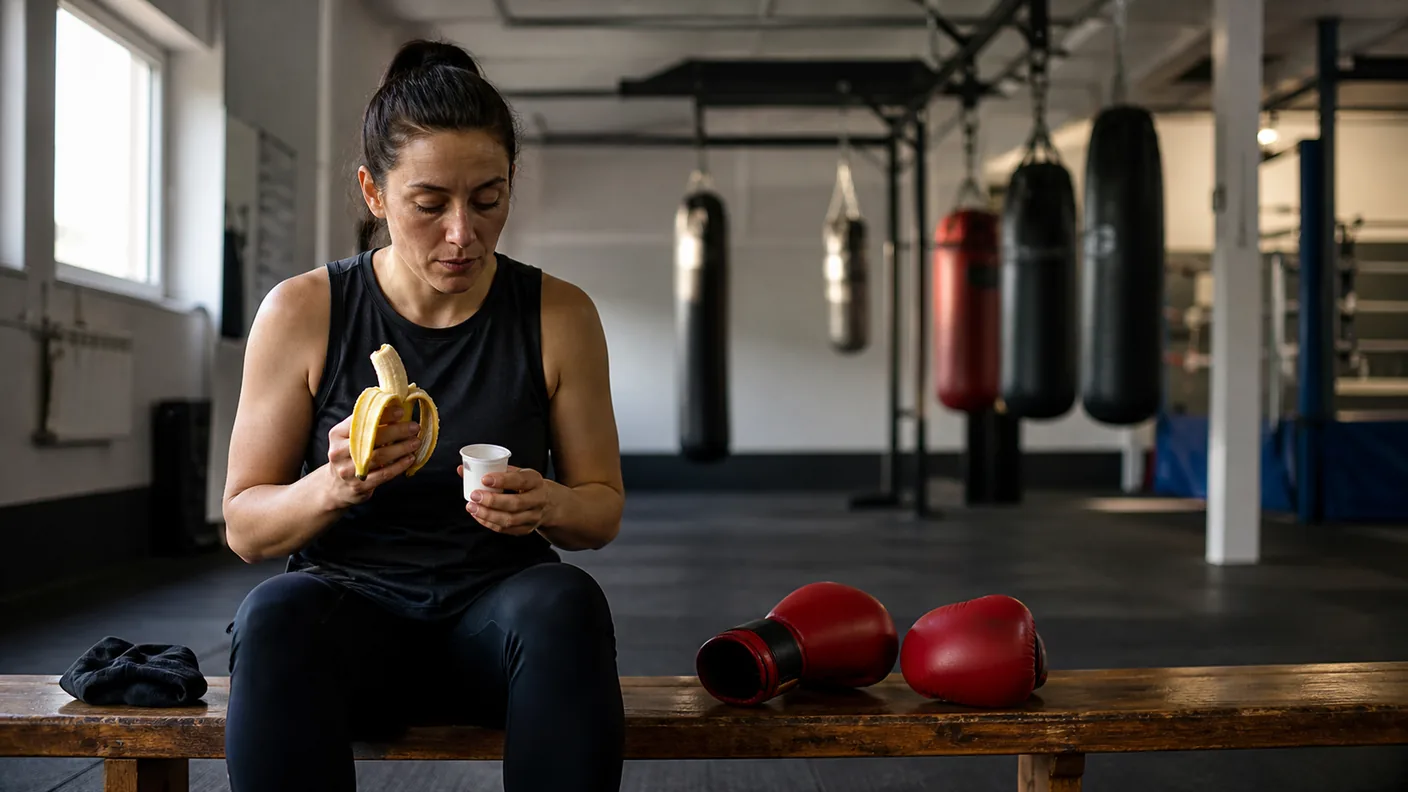
A practical guide to food timing before an evening boxing class, so you arrive ready to move without training on a full stomach.
What Do Professional Boxers Eat?
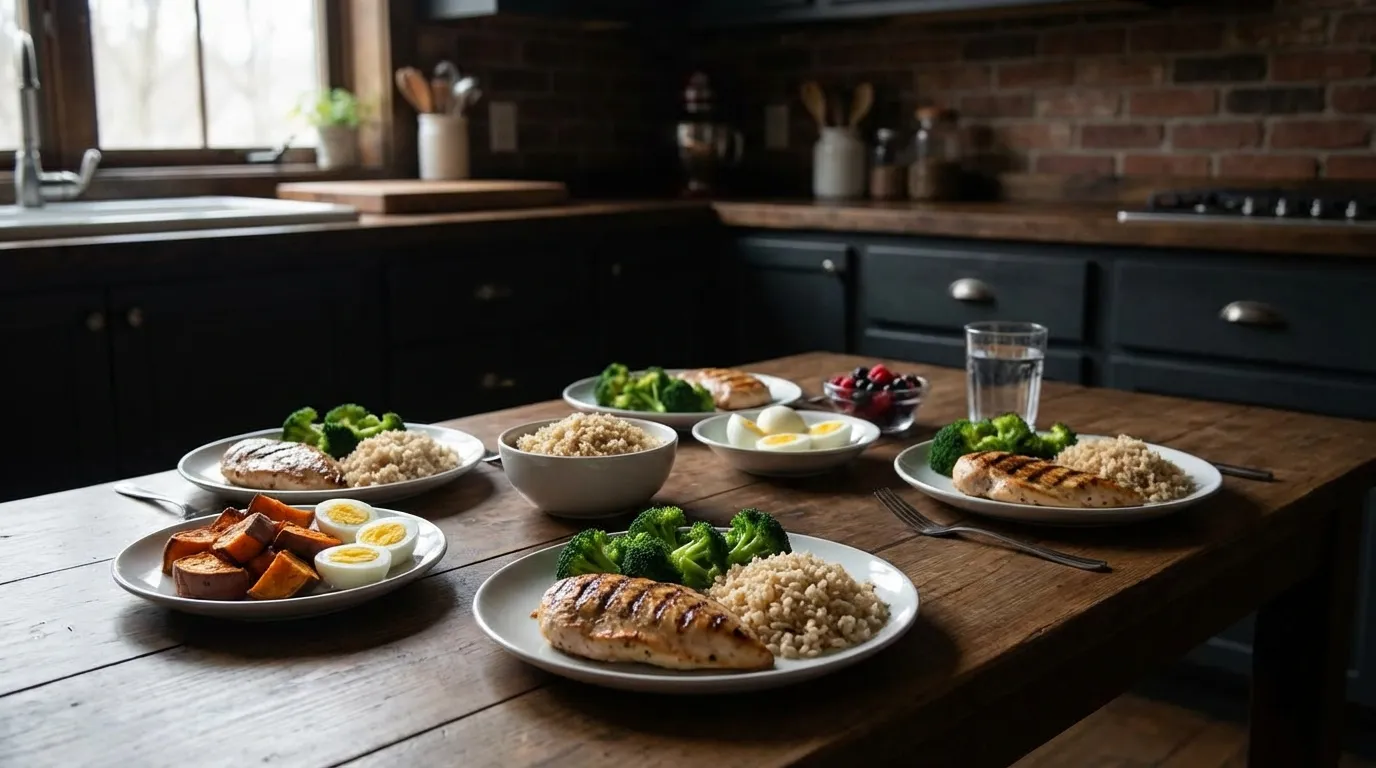
Ever wondered what professional boxers eat to stay in fighting shape? Here is a detailed look at the diets behind elite fighters.
Was this page helpful?
It takes one tap, and it genuinely helps.
Choose your next step
Turn this article into the right action
Some readers are ready to book. Some need the class route first. Pick the route that matches what you actually want.