Usyk vacates three heavyweight belts: what changes next

The queue has finally started moving
Boxing often makes this sound more mysterious than it is. Each governing body runs a separate route to its title. It has rankings, mandatory challengers, deadlines, eliminators and rules for a vacant belt. When one fighter holds several belts, all of those routes eventually point at him.
That is the traffic jam Usyk has removed. The WBC wanted its next claimant. The WBA had its own order of business. The IBF had another. A unified champion can only fight one opponent at a time, so the disagreement is built into the system.
A mandatory challenger is not merely a fighter who shouts loudest for a chance. In principle, he is the contender a sanctioning body has placed at the front of its own line. The practical detail matters: governing bodies can set negotiation periods, approve exceptions and move to purse bids if a deal cannot be made. The IBF championship rules show how formal that process can become once a championship contest is due.
That is why a vacant belt creates more than one opportunity. It can promote an interim holder, turn a high ranking into a title fight, or force two contenders who might otherwise have waited for a payday to negotiate now. It also explains why a fighter can look close to a title in one organisation and distant in another.
The WBC route is the clearest
Agit Kabayel was the WBC interim champion and therefore the most obvious beneficiary. Sky Sports reported that the WBC elevated him to full heavyweight champion after Usyk stepped away.
That is a proper title under the WBC system. It is also not the same thing as taking a title from Usyk between the ropes.
Kabayel should not apologise for following the route in front of him. He had done the work required to hold the interim belt, and an interim champion exists precisely to keep a division moving when the full champion cannot meet the next obligation. But this is where boxing supporters should keep their heads. The green belt gives Kabayel a championship. His next defences, and especially the quality of the men he beats, will decide whether it gives him heavyweight authority.
That is the test for every new champion now. A belt confers status. It does not transfer Usyk’s wins over Anthony Joshua, Tyson Fury and Daniel Dubois.

The WBA and IBF create different kinds of pressure
The other routes are less tidy. The Guardian’s report said Murat Gassiev, Usyk’s former cruiserweight opponent and the WBA mandatory challenger, had been upgraded. If that position holds, Gassiev has an immediate chance to establish himself properly at heavyweight, rather than live on a secondary title or an old reputation.
The IBF route is more likely to demand a contest. The body is traditionally less relaxed about a champion delaying a mandatory defence, which is one reason unified champions regularly face an impossible calendar. Reporting after Usyk’s announcement pointed to Frank Sanchez and Moses Itauma as central figures in the vacant-title discussion, while Filip Hrgovic remained relevant through the rankings and his scheduled business. The Athletic’s early account noted the push to attach a world-title opportunity to the British match-up between Itauma and Hrgovic.
Do not treat any early list of names as a final bill. Vacant-title fights change when a contender accepts, refuses, gets injured, takes a better offer or cannot meet the governing body’s deadline. The point is larger than one match. The IBF belt has become a live route for contenders who were previously waiting behind the same man.
The WBO remains a reminder that each belt can sit on a different timetable. Its regulations are publicly available through the World Boxing Organization, but the simple lesson is enough: four major belts do not create one orderly queue. They create four queues that occasionally meet.
Why a vacant belt does not settle who is best
This is the part that gets lost whenever the word “vacant” appears beside a world title.
A vacant championship fight can be excellent. It can be the right two contenders at precisely the right moment. It can introduce a brilliant new champion. But it cannot, on its own, prove that winner is the best heavyweight alive when the unbeaten fighter who held the belts has not been beaten.
Usyk’s final opponent may prove a poor fit, a dangerous fit or something in between. That choice is now his. His team told Sky that he wanted to decide the final chapter himself rather than allow mandatory defences to decide it for him. That is fair. After becoming undisputed at cruiserweight and twice at heavyweight, and beating the leading names of his era, he has earned more freedom than almost anyone.
It is still possible for a new titleholder to overtake him in public estimation. The route is obvious: beat strong opponents, defend against the best available challenger and seek unification rather than protect a belt. Nothing prevents that from happening. It simply has not happened yet.
Sports Illustrated’s account got the central point right: without the sanctioning-body burden, Usyk can concentrate on a farewell fight. The inverse is also true. Without Usyk holding everything, the rest of the division can stop waiting and start proving itself.
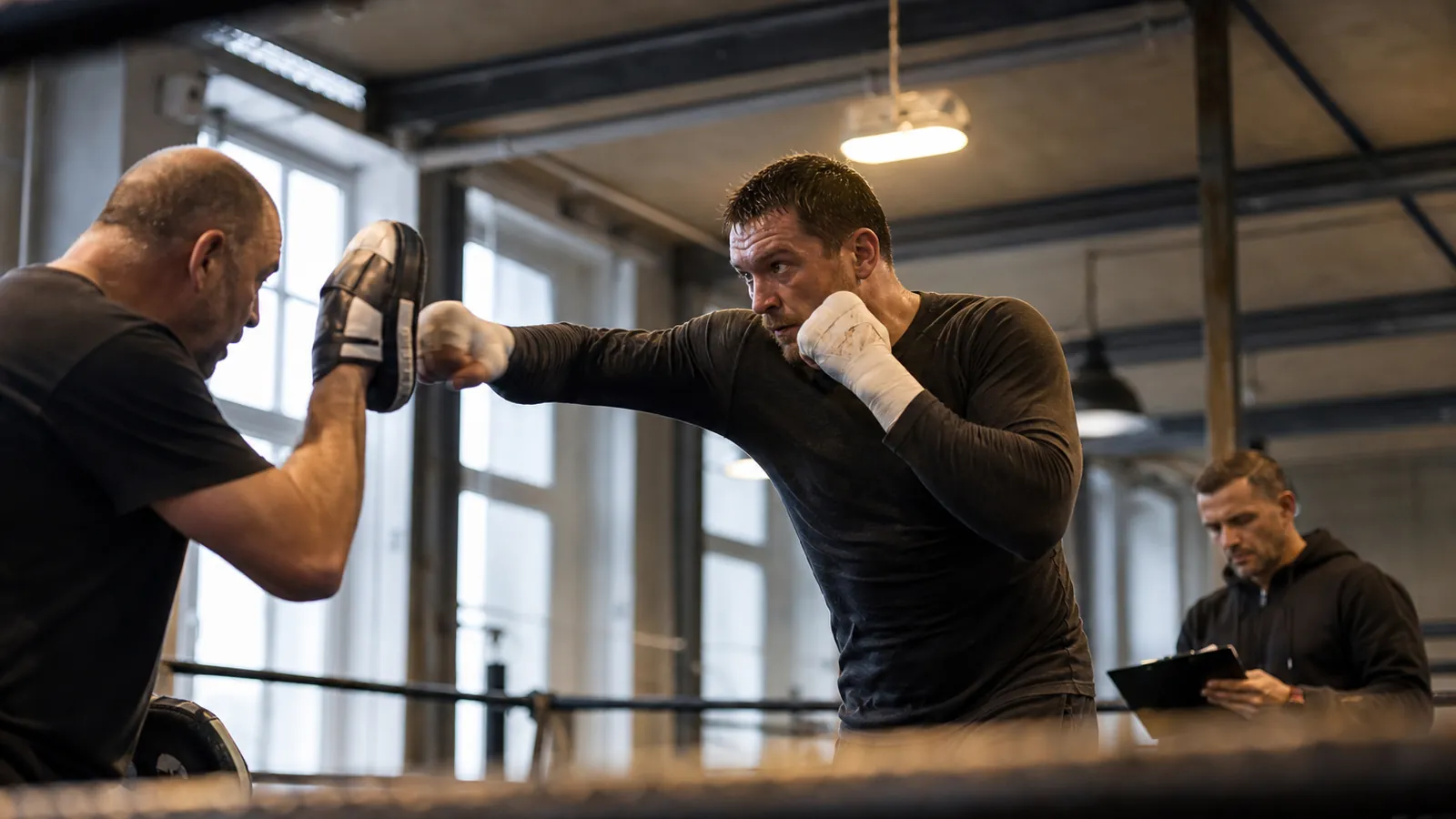
Opportunity is not entitlement
This is an important moment for British heavyweights, especially Itauma, Hrgovic and the bigger established names who can now see clearer routes to a title bout. But a clear route is not a free pass.
The risk is familiar. Promoters see vacant belts, pick the safest possible opponent and sell the result as a new era before the champion has established anything. That is how a division becomes fragmented and stale. The better outcome is that Kabayel, Gassiev, the eventual IBF winner and the WBO champion pursue one another quickly.
There is a useful contrast in Boxing247’s report: Usyk made the titles available for the men next in line, but he did not claim that the next man automatically inherits his standing. Sidekick Boxing’s overview rightly identifies the opening for contenders. The difficult part begins after the ceremony.
We have already covered the mechanics in H&G’s heavyweight title queue explainer. The broader point is worth repeating: title routes matter because they decide who gets the chance. They do not decide the argument once the bell rings.
For boxers learning the sport at our Kidbrooke classes, there is a useful lesson in all this. Rankings and belts are part of boxing, but they are not a substitute for performance. A reputation is built by taking the difficult fight, making good decisions under pressure and showing the same level again when everyone is studying you.
Usyk has put down three belts. He has not made the heavyweight division simpler. He has made it honest again. The contenders no longer have an excuse to wait behind him. Now they have to fight their way to the front, and then prove that the belt means more than a place in a queue.
H&G Team
Writer at Honour & Glory Boxing Club, a community boxing gym in Kidbrooke, South East London.
KEEP READING
Usyk vacates titles: what it means for heavyweight boxing
A clear UK-club explainer on how Oleksandr Usyk giving up the WBC, WBA and IBF belts reshapes the heavyweight division, separates a vacant-title route from retirement, and explains why the contenders now matter.
Usyk vacates heavyweight belts: the mandatory routes now open
A practical guide to what happens when a unified champion vacates WBC, WBA and IBF titles: mandatory challengers, sanctioning-body rankings and why separate vacant-title fights can reshape heavyweight quickly.

Usyk Vacates Heavyweight Belts: What It Means
Oleksandr Usyk has vacated the WBC, WBA and IBF heavyweight titles. Here is why the decision matters for Kabayel, Joshua, Wardley and the whole division.
Was this page helpful?
It takes one tap, and it genuinely helps.
Choose your next step
Turn this article into the right action
Some readers are ready to book. Some need the class route first. Pick the route that matches what you actually want.