Usyk vacates titles: what it means for heavyweight boxing
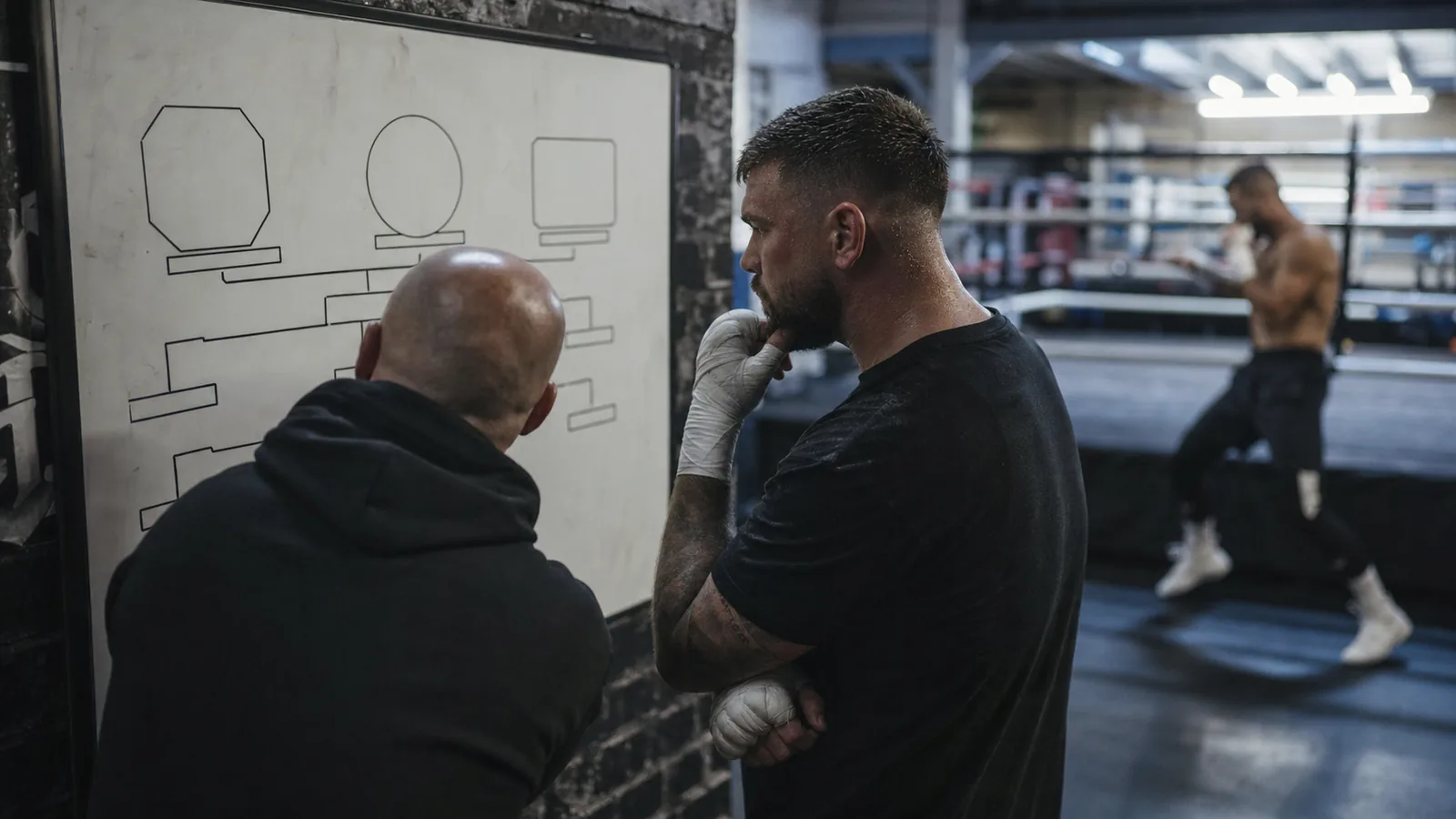
Usyk Vacates Titles: What It Means for Heavyweight Boxing
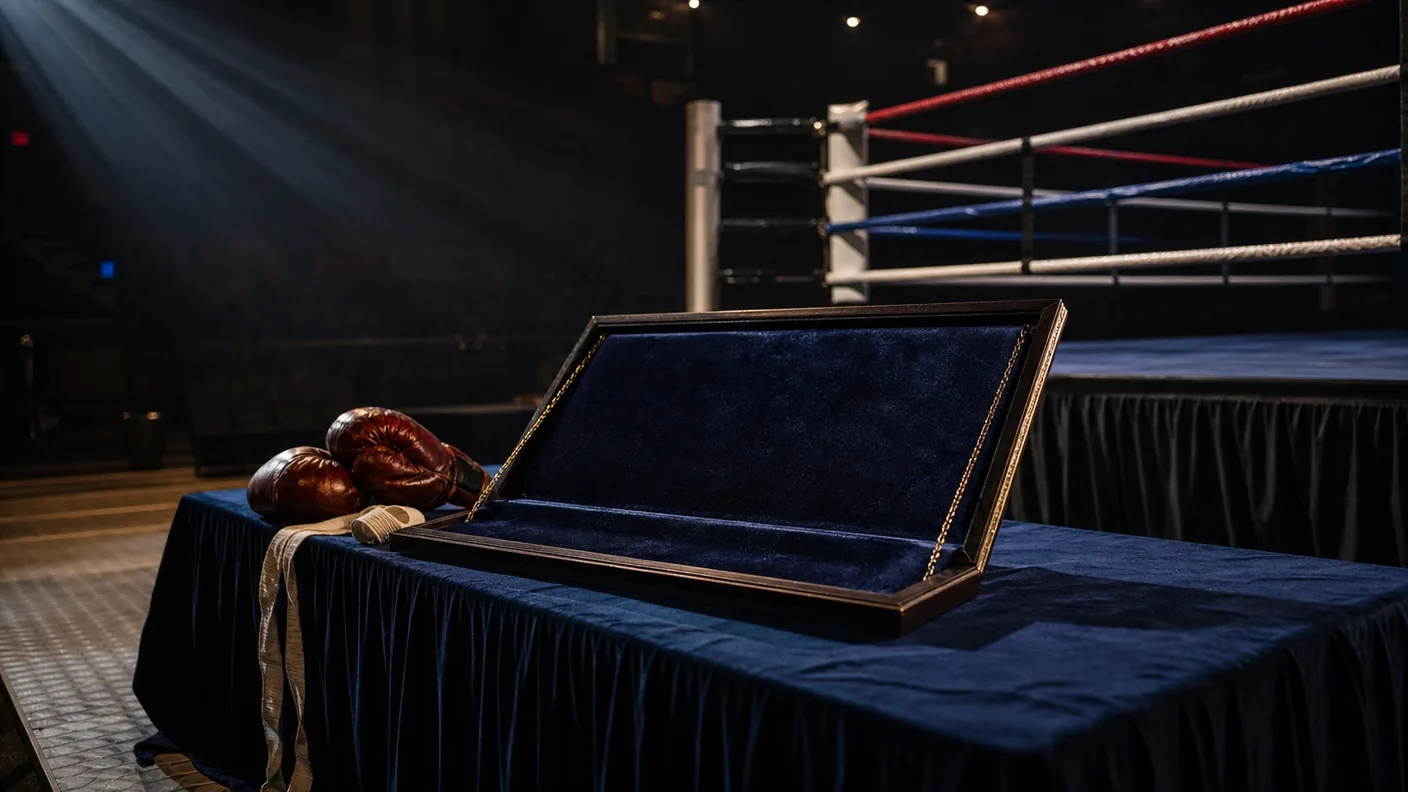
Oleksandr Usyk has put down the WBA, WBC and IBF heavyweight belts. That is not the same thing as walking away from boxing.
It matters that we get that distinction right. Usyk has said he is giving the titles up so the fighters behind him can contest them, while keeping one final fight for himself. As he put it, “I’m leaving the belts, but I’m not leaving the sport because I still have my last dance.” The BBC’s report on his announcement makes the position plain: no retirement has been announced, but the championship queues are moving at last.
For years, the heavyweight division was organised around one question: who gets Usyk? Now it has three different questions: who gets each belt, who earns the right to call himself the division’s leading champion, and who is brave enough to make the fights that settle it?
The belts are available. The standard Usyk set is not.
This Is A Vacating, Not A Retirement
Boxing often makes simple things sound complicated, so start here.
A retirement means a boxer has finished competing. A vacancy means a boxer has surrendered the formal championship status attached to a belt. Usyk has done the second thing, not the first. He remains an active fighter with one more bout in mind, but he will not hold up the WBC, WBA and IBF title routes while choosing that final opponent.
That is a cleaner decision than the usual slow-motion mess. A champion with several belts has several mandatory challengers, several sanctioning bodies and several deadlines trying to control his diary. Usyk’s promoter Sergey Lapin told Sky Sports that Usyk wanted to decide his own final chapter rather than let mandatory defences make that decision for him.
Good. That is exactly what a great fighter should do if he no longer intends to defend every belt.
There is no shame in deciding that you have done enough. Usyk is 39, unbeaten at 25-0, an Olympic champion, an undisputed cruiserweight champion and a two-time undisputed heavyweight champion. He has beaten Anthony Joshua twice, Tyson Fury twice and Daniel Dubois twice. Boxing 247’s account of the announcement rightly frames the decision as the end of an exceptional championship run, rather than an admission of decline.
But respect for Usyk does not require everyone else to wait. A contender’s career is short. A mandatory challenger cannot be left standing in the corridor while a legend chooses a farewell occasion.
The WBC Has Already Moved
The WBC situation is the clearest.
Agit Kabayel held the WBC interim belt and had been ordered as Usyk’s next mandatory challenger. When Usyk vacated, the WBC elevated Kabayel to full champion. Sky Sports confirmed the WBC decision, and it is hard to argue with the logic.
Kabayel did not beat Usyk, so nobody should pretend he has inherited Usyk’s authority. A belt can be transferred by a governing body. Respect has to be won in the ring.
Still, Kabayel earned his place in that queue. He was unbeaten, held the interim title and was the man the WBC had lined up. Elevating him is preferable to inventing another delay or sending the division into a negotiation maze.
Now comes the real test. Kabayel needs a serious first defence against a credible contender. That is how a newly elevated champion becomes a proper champion rather than a temporary answer to an administrative problem.
The IBF And WBA Routes Are Where It Gets Interesting
The WBA and IBF have not offered the same immediate clarity, which is where the heavyweight picture becomes genuinely interesting.
Frank Sanchez is the leading available IBF contender after his victory over Richard Torrez Jr. Sky Sports noted Sanchez’s mandatory position. The important point is not merely that Sanchez has a ranking. It is that he now has an opportunity to turn years of solid work into a world-title fight.
Moses Itauma and Filip Hrgovic also matter. Their scheduled contest at London’s O2 Arena is exactly the sort of fight that has become more valuable since Usyk stepped aside. The Independent’s analysis of the title situation identified Itauma, Hrgovic and Sanchez as central figures in the IBF and WBA routes, while noting that the sanctioning bodies still have decisions to make.
This is where promoters have a choice. They can make the fights that provide answers, or they can make safer fights that protect an unbeaten record and leave the public with four champions who have not faced one another.
The first option is better for boxing. Itauma against Hrgovic has a clear British interest, but it also has sporting value. Itauma is the young prospect whose composure and punch selection have made people take notice. Hrgovic is a hard, experienced heavyweight who would ask proper questions. A vacant title should be contested between fighters with something to prove, not handed over through convenience.
The WBA has its own complication because Murat Gassiev holds its “regular” version of the belt. The Guardian reported that he has been upgraded after previously being Usyk’s mandatory challenger. That is a valid belt decision under the WBA’s structure, but it does not settle the heavyweight argument. Gassiev, Kabayel, the next IBF champion and WBO holder Daniel Dubois will all need meaningful fights if the division is to find its real leader.
A Vacant Belt Is A Route, Not A Verdict
This is the part some fans miss.
Winning a vacant world title is a serious achievement. You still have to train, make weight, handle pressure and beat a top contender under championship conditions. There is nothing fake about that.
But it is not the same as taking the championship from the man regarded as the best heavyweight in the world.
Usyk’s belts can be vacated. His body of work cannot be passed along with them.
That should not be used to dismiss the men who now get their chance. It should be used to set the right standard. Kabayel, Gassiev, Sanchez, Itauma, Hrgovic, Dubois and anyone else entering the title picture should want more than a belt photograph. They should want the fight that leaves no doubt.
The Sidekick Boxing overview is right to describe this as a new era for the division. The danger is that a new era becomes a fragmented one, with champions collecting defences against low-risk opponents while avoiding the fights that would join the belts back together.
Heavyweight boxing does not need more claims. It needs more proof.
Why The Contenders Matter More Now
For the first time in years, the leading contenders are not waiting for Usyk, Fury or Joshua to decide the temperature of the division.
That changes careers.
Joshua remains a major commercial force, even after two defeats to Usyk. Fury remains an enormous name if he chooses to return. Dubois has the WBO belt and the power to trouble anyone. Yet the new opportunities belong just as much to fighters who have spent their prime building towards a single chance.
Kabayel has his championship. Sanchez has a route. Itauma has a high-pressure fight in front of a London crowd. Hrgovic has the chance to spoil the next big British heavyweight story. Gassiev has a belt to justify. These men are no longer supporting characters.
They are the division.
That should produce better matchmaking, not worse. The heavyweight class is at its best when reputation has to survive contact with another dangerous man. That is what Usyk repeatedly did. He did not become the standard simply by holding titles. He became it by travelling, adapting and beating the elite fighters placed in front of him.
The H&G View
Usyk has earned the right to choose a final fight without championship obligations hanging over him. He has also done the right thing by releasing the belts rather than preserving them as souvenirs.
Now the sanctioning bodies need to do their part. Make the routes clear. Order the strongest available fights. Stop hiding behind rankings when the public can see which contests matter.
For young boxers and adults learning at Honour & Glory’s boxing classes in Kidbrooke, there is a useful lesson in all of this. A title gives you a target, but it does not do the work for you. Footwork, defence, fitness, patience and composure are what make a champion believable once the belt is around their waist.
Usyk has left the belts behind. The next heavyweights have been given an opening.
Now they have to earn the right to stand where he stood.
H&G Team
Writer at Honour & Glory Boxing Club, a community boxing gym in Kidbrooke, South East London.
KEEP READING

Usyk vacates three heavyweight belts: what changes next
A focused explainer on how Oleksandr Usyk giving up the WBC, WBA and IBF titles changes the heavyweight queue, why governing-body routes now matter, and why vacant belts create opportunities without proving who is the best heavyweight.
Usyk’s last dance: what vacating three belts really changes
A governance-led explainer on why Usyk giving up the WBA, WBC and IBF titles before one final bout reshapes the heavyweight division, without repeating a simple vacant-belt routes piece.
Usyk Vacates Heavyweight Belts: What It Means
Oleksandr Usyk has vacated the WBC, WBA and IBF heavyweight titles. Here is why the decision matters for Kabayel, Joshua, Wardley and the whole division.
Was this page helpful?
It takes one tap, and it genuinely helps.
Choose your next step
Turn this article into the right action
Some readers are ready to book. Some need the class route first. Pick the route that matches what you actually want.