Usyk vacates heavyweight belts: the vacant-title routes

Usyk Vacates the Heavyweight Belts: The Routes That Now Decide the Division
Oleksandr Usyk has not retired. He has done something more revealing: he has stopped allowing championship administration to decide the final act of his career.
By relinquishing the WBC, WBA and IBF heavyweight titles, Usyk has cleared the queues behind him while keeping control of his own last fight. That is the central point, and it is being lost in talk of a heavyweight “vacuum”.
There is no vacuum in the ring. Usyk remains unbeaten, active, and on achievement still the defining heavyweight of his era. What has changed is the official route to the belts.
The BBC’s report on Usyk’s announcement records his own wording: he is leaving the belts, but not the sport, because he still has a “last dance”. The Guardian reported the same distinction. This is not a retirement announcement. It is a decision to surrender the obligations attached to being a unified champion.
For the first consequences, see our guide to what Usyk vacating the belts means and our earlier look at why this is a genuine heavyweight reset. The question now is whether the governing bodies can turn the openings into credible title fights rather than another year of administrative confusion.
The belts have moved. Usyk’s standing has not.
A vacant championship is a governing-body status. It is not a win over the outgoing champion.
The fighter who wins one of these belts will have earned a world title. He will not, however, have beaten Usyk. Boxing should be capable of holding both ideas at once.
That is why the next year matters. Vacant-title routes can reward fighters who have completed eliminators, taken difficult fights and waited for their chance. They can also produce a paper hierarchy if promoters use the openings to make cautious pairings and protect fighters from one another.
Usyk’s decision is cleaner than the alternative. A unified champion has several mandatory challengers, several sanctioning bodies and several deadlines competing for space in one diary. Sergey Lapin told Sky Sports that Usyk wanted to choose the final chapter of his career rather than let mandatory defences choose it for him.
That is not ducking. It is an honest admission that he no longer intends to defend every belt against every challenger in line.
A contender’s career is short. If a champion no longer wants the mandatory route, the challenger should not be trapped behind his legacy.

Agit Kabayel is the immediate winner
The WBC route is the clearest.
Agit Kabayel held the WBC interim title and had been ordered as Usyk’s next mandatory challenger. Following the vacancy, the WBC elevated Kabayel to full champion, as Sky Sports confirmed.
It is the right call.
Kabayel has not inherited Usyk’s authority. Respect cannot be passed over in an email from a sanctioning body. But he had earned his place at the front of the WBC queue, and it would have been absurd to send him back through another eliminator after the champion vacated.
His first defence now matters enormously. A newly elevated champion becomes a proper champion by taking a serious fight, not by defending against somebody selected for convenience.
The Independent’s analysis of the fallout identified the appeal of a major German homecoming for Kabayel. It could be a huge occasion. But the opponent must carry real risk. The heavyweight division does not need more champions who look impressive until the first difficult name is mentioned.
The IBF route should reward the eliminator
The IBF has an opportunity to make its system look coherent.
Frank Sanchez beat Richard Torrez Jr in an eliminator and has emerged as the leading available contender. That result should mean something now a title is vacant. The BBC’s heavyweight analysis identifies Sanchez as the IBF’s leading contender, while Boxing News noted that the IBF and WBA must establish their own championship routes.
Moses Itauma and Filip Hrgovic are also central to the discussion. Their proposed meeting has obvious value now that Usyk is no longer blocking the route. A title fight involving Itauma or Hrgovic, followed by a meeting with Sanchez, would make sporting sense. It would respect the eliminator, give the public a meaningful contest, and begin reducing the backlog.
The warning is simple. Rankings are not a shopping list from which promoters should pick the least awkward name. If an organisation has ordered an eliminator, it should explain clearly why its winner is, or is not, in the vacant-title fight.
The WBA needs a clear ruling
The WBA position is less straightforward.
Murat Gassiev holds the organisation’s “regular” belt, and public reporting around the immediate consequences has not been entirely consistent. The Guardian reported Gassiev’s elevation, while the Independent argued that an automatic upgrade required more scrutiny.
That disagreement is exactly why the WBA needs to show its working. A vacant-title route should be intelligible. Fans should know who is eligible, why they are eligible, and what a new champion must do next to establish himself.
The Queensberry record of Usyk v Dubois II is a reminder of how difficult it was to bring the heavyweight belts back together. Usyk did it because he repeatedly took the fights that mattered. The men following him must now do the same.
The WBO had already shown where this was heading
This was not one sudden collapse of the undisputed picture.
Usyk had already stepped away from the WBO route, with Daniel Dubois holding that belt after beating Fabio Wardley, according to the BBC. The WBO vacancy was the first crack. Relinquishing the WBC, WBA and IBF titles turns that crack into a full reset.
One vacant belt creates one opportunity. Three more openings create competing title claims, rival promoters, and a race to secure lucrative fights before another sanctioning body moves first.
That can be excellent for active contenders. It can also be terrible for clarity.
The next champions should not be criticised for taking their opportunities. Fighters do not control the sanctioning-body system, and no serious contender should turn down a world-title chance because somebody else held the belts yesterday. But champions should be judged by what they do after winning them.
A belt is a route. Defending it against the next credible heavyweight is the test.
Usyk still has a final chapter to write
Usyk has gained genuine freedom by giving up the belts.
He has been linked with another fight involving Rico Verhoeven after their May crossover bout. ESPN’s pre-fight guide and the Express preview both set out that only the WBC title was at stake in Giza, an early sign of how different belt obligations were already shaping his choices. DAZN’s Usyk coverage is useful for following developments, but no outlet can confirm a final opponent until Usyk does.
That is the responsible position. His final fight remains open.
For the new champions, the pressure is now on. The routes have been cleared. The belts are there to be won. Heavyweight boxing now has to produce the fights that make those titles matter.
And for anyone in Kidbrooke watching the politics as closely as the knockouts, it is a brilliant time to follow the division. If it makes you want to understand why patience, position and a disciplined jab decide so many heavyweight fights, book a first class at Honour & Glory. We coach beginners properly from age 7 upwards.
Usyk has not disappeared. He has stepped out of the machinery. The heavyweight division now has the chance to prove it can move without him.
H&G Team
Writer at Honour & Glory Boxing Club, a community boxing gym in Kidbrooke, South East London.
KEEP READING
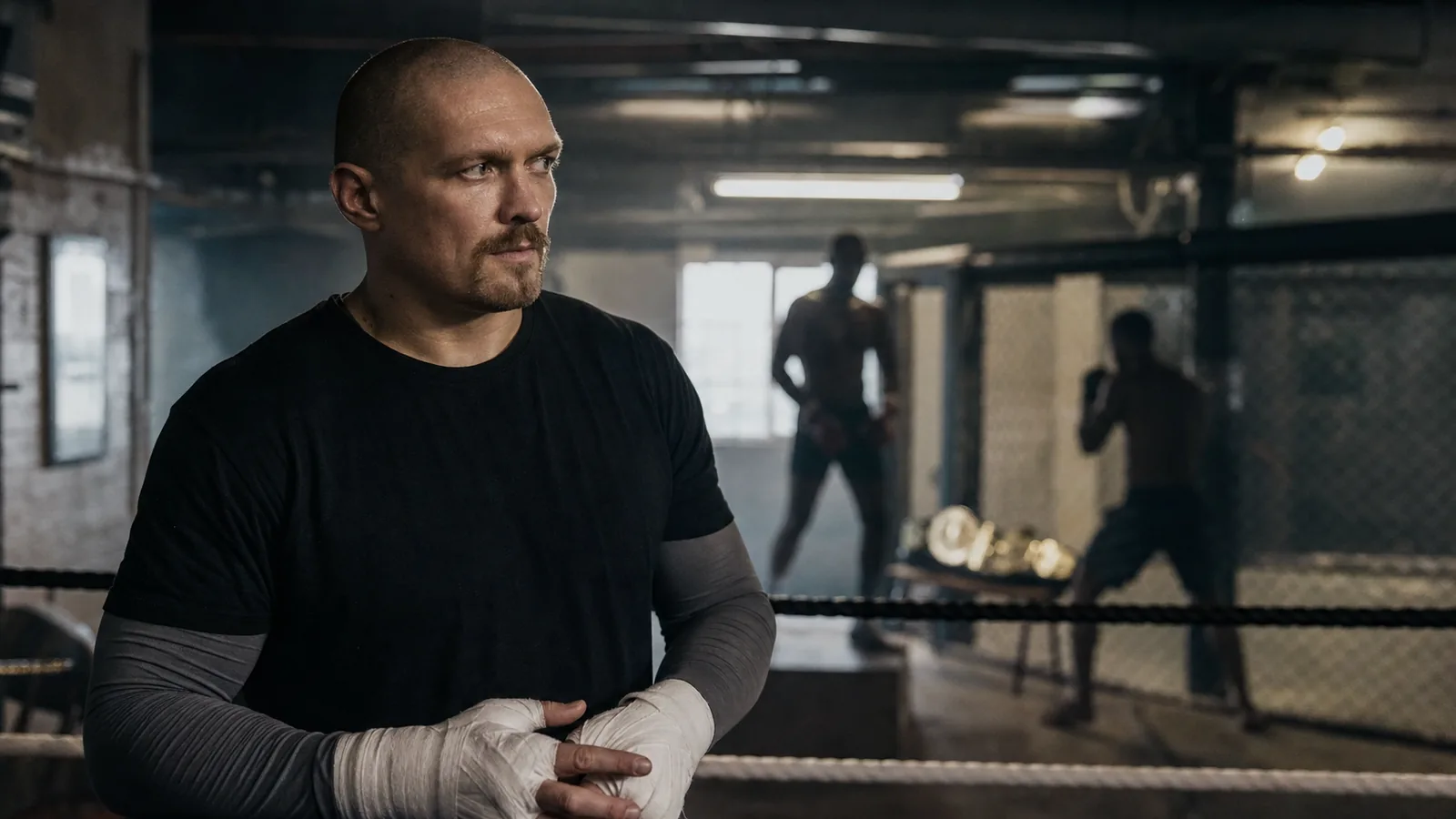
Usyk last dance: Wilder or Jon Jones next?
A materially new follow-up to the belt-vacating story: not just who gets the titles, but why Usyk may be choosing a final spectacle fight outside the normal mandatory route.

Frank Warren’s Usyk hint raises Itauma stakes
Use Warren’s fresh suggestion as the hook: if Itauma beats Hrgovic, the conversation may jump from prospect-building to world-title timing. Good for explaining why matchmaking pace matters for young heavyweights.
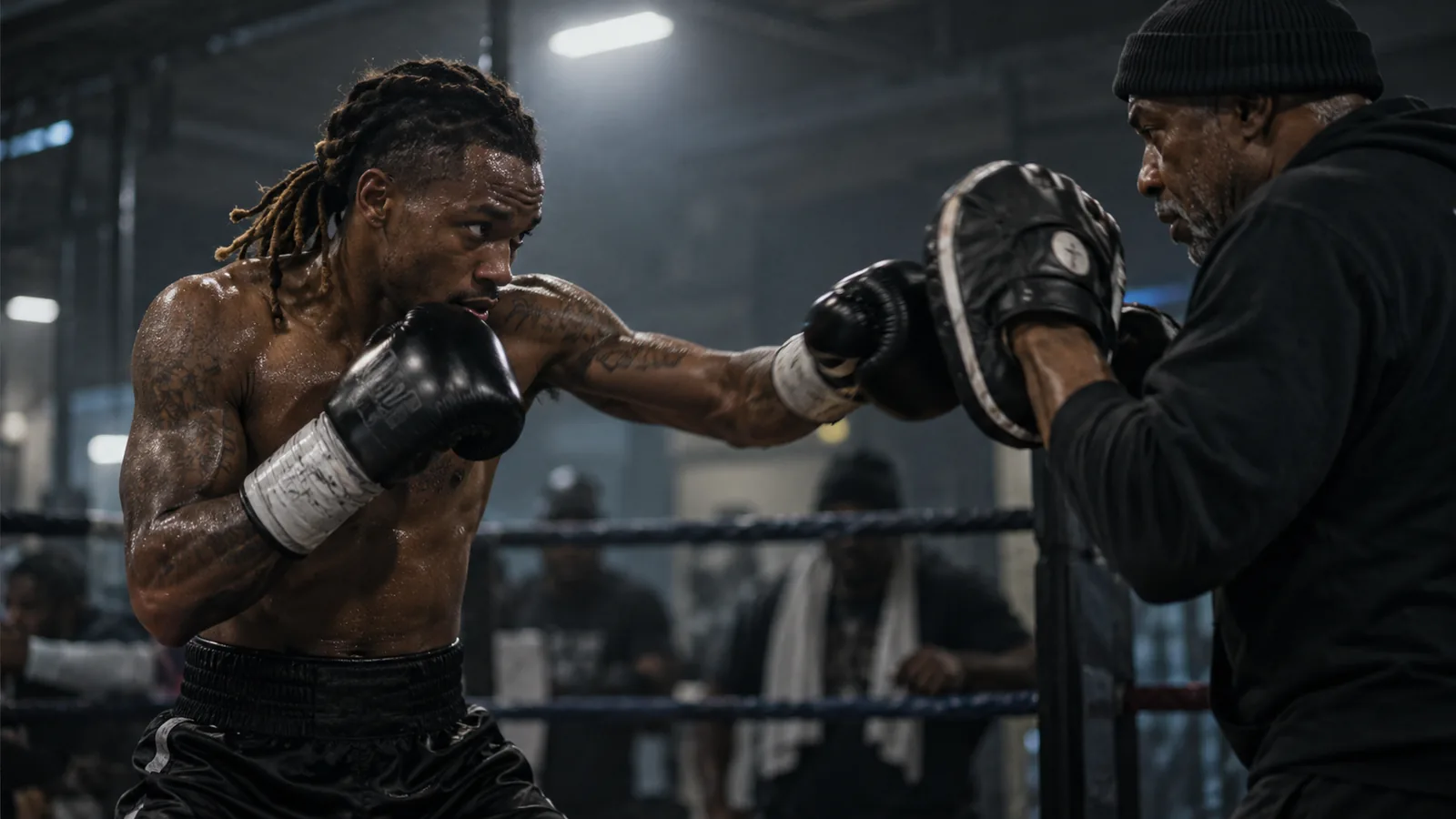
O’Shaquie Foster’s three-belt bid: what is at stake on 24 October
A focused preview of Foster’s attempt to become a three-belt champion, explaining what a unification-style title opportunity demands technically and why it matters beyond promotional billing.
Was this page helpful?
It takes one tap, and it genuinely helps.
Choose your next step
Turn this article into the right action
Some readers are ready to book. Some need the class route first. Pick the route that matches what you actually want.