Simon Ibekwe knockout: why heavyweight prospects need patience
Simon Ibekwe Knockout: Why Heavyweight Prospects Need Patience
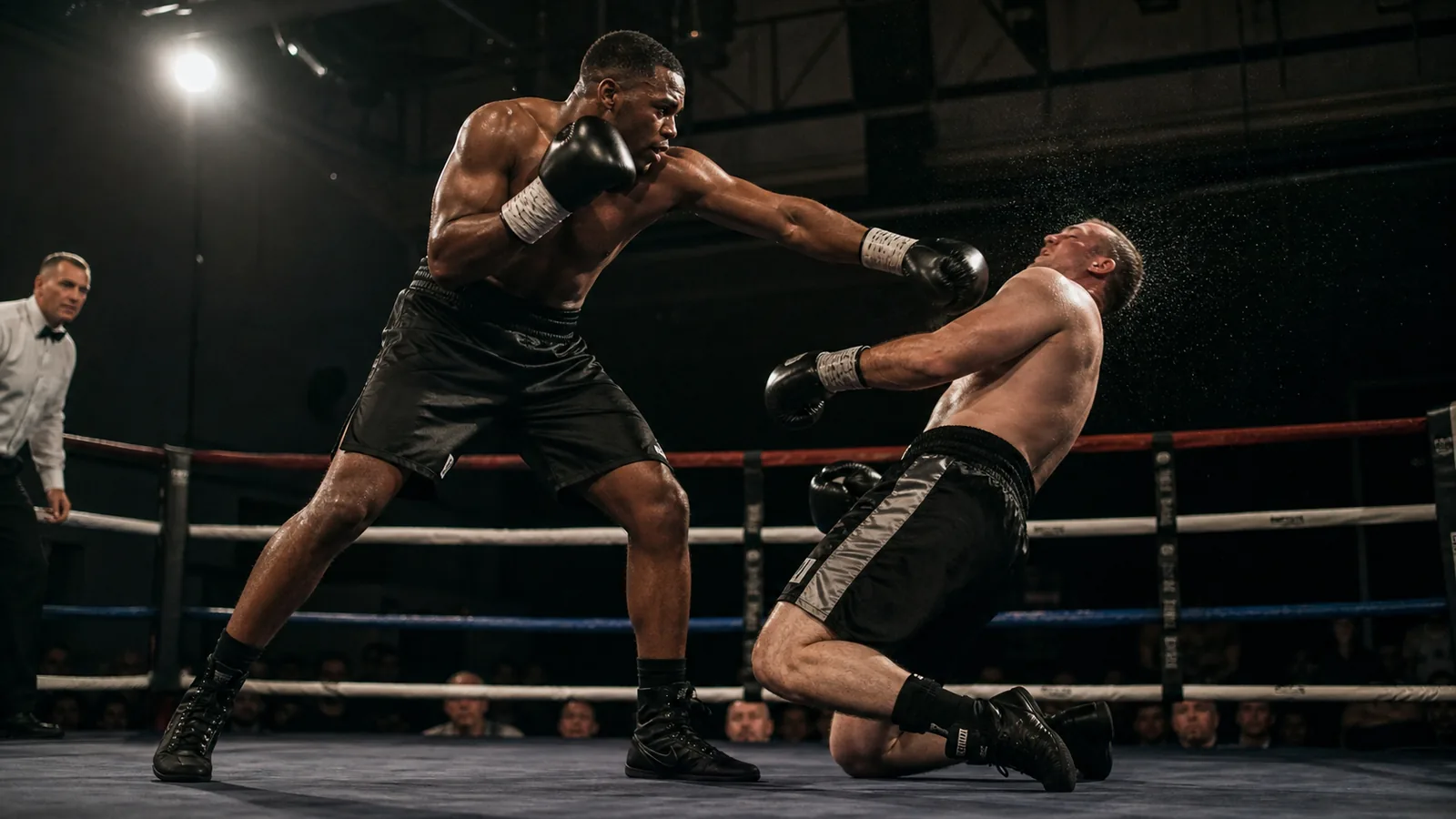
A 28-second knockout does not prove that a heavyweight is ready for every problem boxing can put in front of him. It proves something narrower, and still important: when a clean opening appeared, Simon Ibekwe had the nerve and mechanics to take it.
That is why the reported finish of Daniel Baer deserves attention. Ibekwe was listed to meet Baer on the unusual Tyson Fury versus Mariusz Wach bill in Pattaya, Thailand, a six-bout card detailed by DraftKings Network and the Tapology event page. On a night built around Fury’s return, the undercard heavyweight produced the clip people immediately wanted to pass around.
A spectacular early finish can become a trap for a young heavyweight if he reads it wrongly. The temptation is to turn every next round into a hunt for another viral moment. That is how a fighter who has power begins loading up, overreaching and walking onto counters. The better reading is tougher and more useful: the knockout is the reward for getting the basics right before the opening arrives.
The finish is worth celebrating, not copying blindly
The video is titled a brutal 28-second knockout, and it has been presented as an early knockout-of-the-year contender. Fine. It is a terrific way to announce yourself. But the lesson is not that a developing heavyweight should throw harder in the first exchange.
A real finisher does not need to manufacture violence from bad positions. He is balanced enough to see the target, close enough for the punch to travel properly, and organised enough to hit without falling over his front foot. He is also ready for the possibility that the opponent remains standing.
That final point separates promising punchers from usable professional heavyweights. A knockout can make the scorer’s job easy, but it tells us little about what happens when the first clean shot does not end the night. Does the fighter recover his stance? Does he keep a hand home? Can he re-establish the jab rather than chase a retreating opponent with both feet square? Those are the questions that decide whether power survives a step up.
Ibekwe has not arrived from nowhere. Fight City’s pre-fight profile described him as an unbeaten prospect who believed his footwork, skill and unconventional shots were unusual for a heavyweight. His Athena Performance profile records regional amateur titles and a background that included training alongside Laurence Okolie and Dan Azeez. The Redditch Standard had already reported a second-round stoppage of Milos Veletic, set up by a first-round knockdown and another overhand right early in the next round.
That is a more interesting picture than one short clip. There is power, certainly, but there is also a prospect learning how to deliver it across different moments of a fight.
Heavyweight power needs a platform
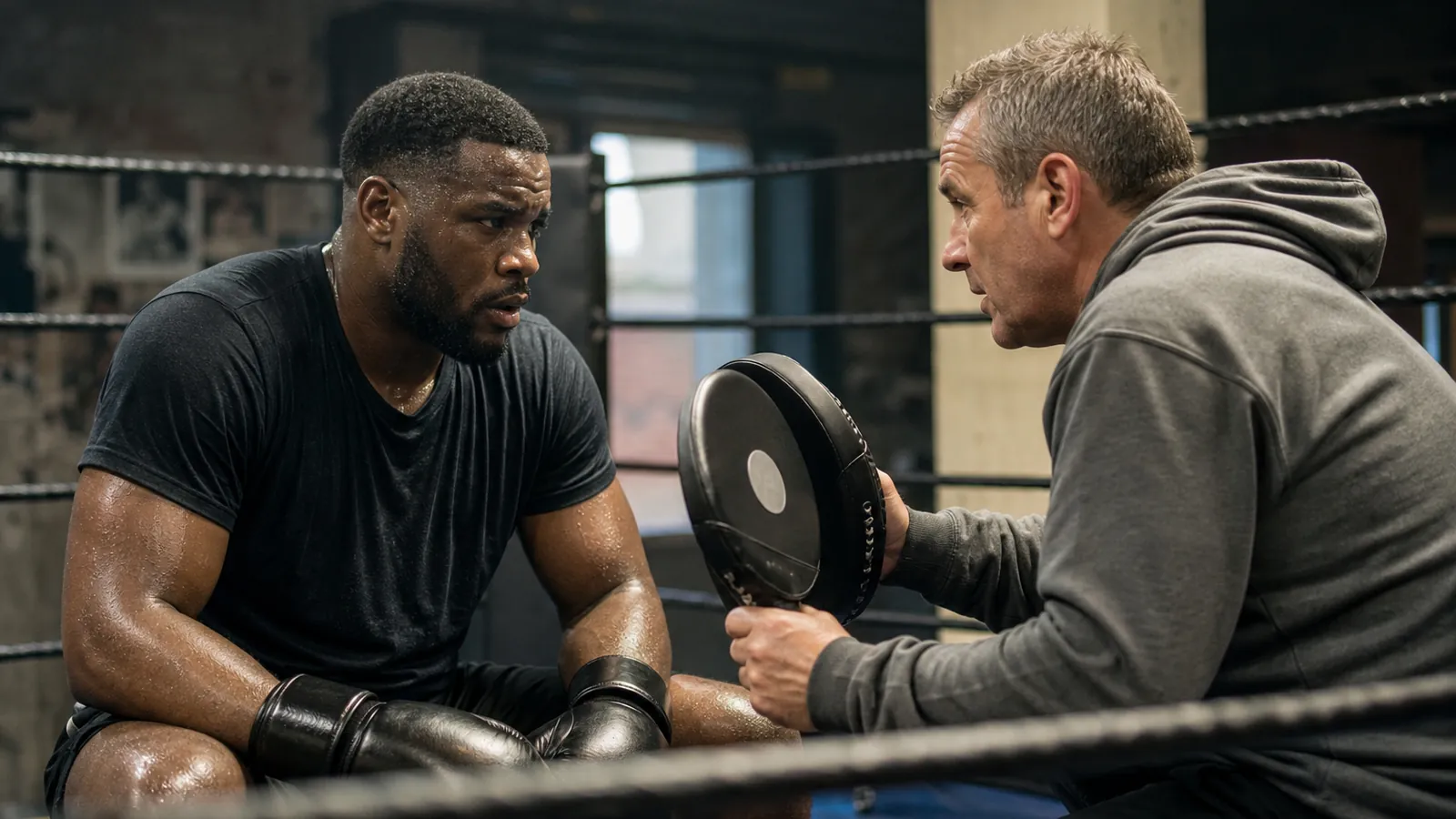
The phrase “sit down on the shot” gets used so often that it can become meaningless. In practice, it does not mean freezing your feet or throwing yourself forward. It means the punch has a platform.
The rear foot can drive. The hips can turn. The shoulder can follow the fist. The chin can stay protected behind the lead shoulder. Crucially, the boxer can remain in a stance after the punch lands or misses.
Young big men often confuse force with commitment. They take a huge step, lean their head over the knee and swing from a long way out. It can look frightening on a bag. Against a boxer who can move or counter, it is an invitation.
A heavyweight prospect should be encouraged to hit hard, but coached to earn the position first. The jab gives the opponent something to deal with. A feint makes him show a response. A small step puts the rear hand or hook at its honest range. Then the hard shot has a chance of landing cleanly, rather than being dragged across the ring by hope.
That is why a 28-second finish should not change the training plan. It should strengthen it. More repetitions of jab, step, right hand, recover stance. More pad rounds where the combination ends with a pivot, a guard or a defensive movement. More sparring drills in which the attacking boxer must throw a purposeful shot, then defend the return before he is allowed to continue.
Patience is an attacking skill
In heavyweight boxing, patience is often mistaken for passivity. It is not. A patient fighter is doing work before he throws the punch that everyone remembers.
He is checking whether the opponent backs up straight. He is noticing if the guard opens after a jab. He is making the other man reset his feet. He is refusing the first half-opening because he knows a better one may come after a feint or a second jab.
Fury is the obvious example from the same bill, even if his contest with Wach sits at the other end of the career scale. The bout listing recorded the enormous size of the match-up, with Fury listed at 6ft 9in and Wach at 6ft 7in, while TechRadar’s preview noted the strange setting and absence of a live broadcast. A tall heavyweight with reach can create pressure without constantly throwing bombs. The lead hand, the feet and the threat of the next shot do much of the job.
That is the lesson a prospect should take, not the celebrity of the main event. If you have power, you do not have to prove it every 20 seconds. Your opponent knows it after the first heavy jab, the first body shot or the first time he has to step around you carefully. The threat lets you box.
Build the finishing instinct in stages
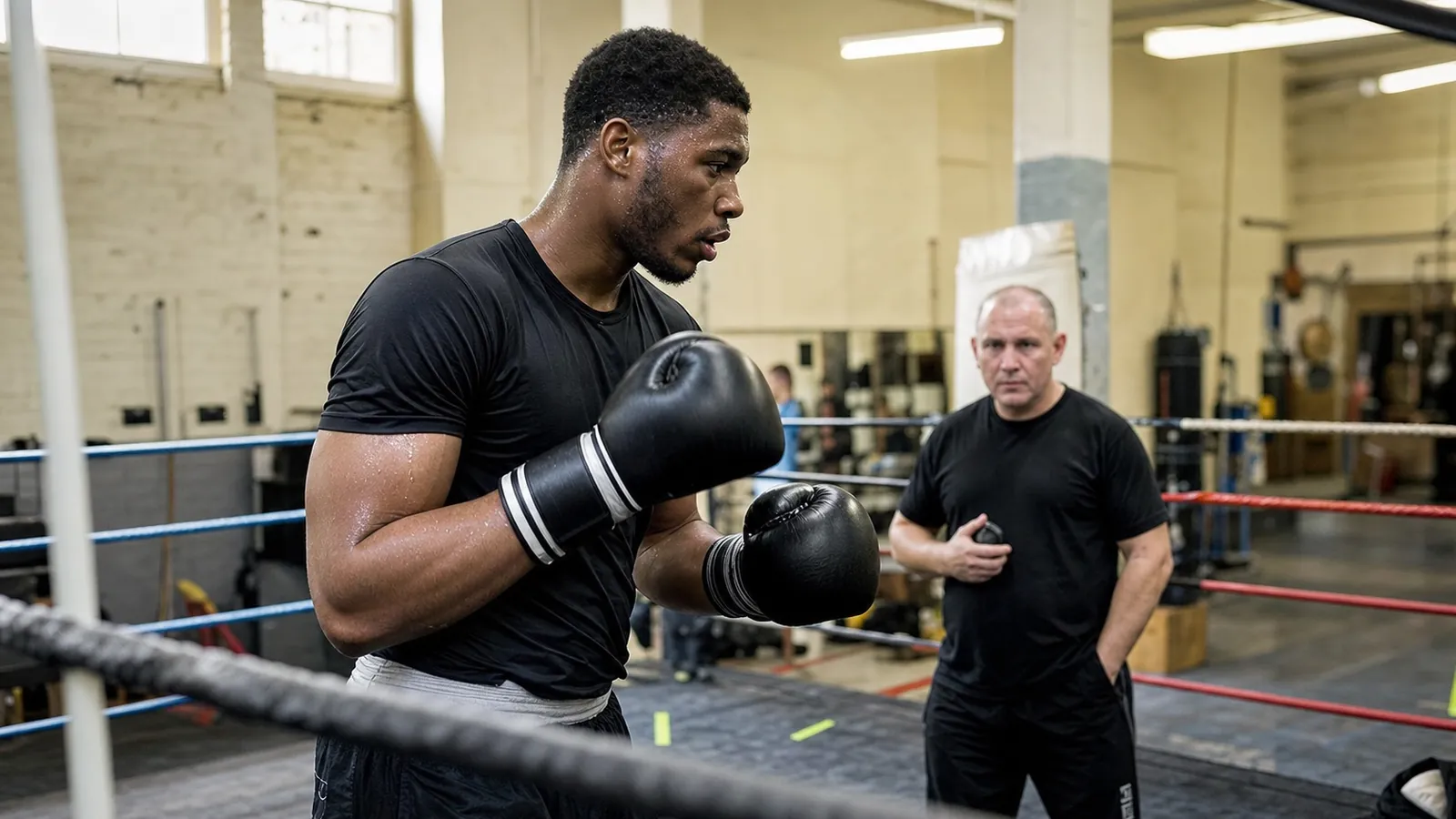
Finishing instinct is not a licence to abandon the rules that kept you safe before the opponent was hurt. It is the ability to recognise a genuine opportunity and increase pressure without losing shape.
First, identify the opening
A hurt opponent may cover up, retreat in a straight line, stop returning the jab or stand with his feet too close. None of those signs means charge in with six wide punches. They mean take a breath, close distance behind a controlled action and make the next punch count.
Then, cut the ring with your feet
The fastest route is not always a straight line. If the opponent is moving away, step to where he needs to go. Keep the stance under you. A prospect who rushes head-first to the ropes often gives a wounded opponent his only escape route: a desperate counter down the middle.
Throw in short, meaningful bursts
Two or three clean punches are better than eight desperate ones. Aim for head and body, stay close enough for compact hooks or uppercuts, then look at the opponent again. If the opening is gone, do not bargain with it. Reset.
Finish with defence still switched on
The returning punch is not cancelled because someone is hurt. The lead hand must come back. The chin must stay tucked. The feet must remain capable of stepping away or pivoting. Coaches should make this non-negotiable in every finishing drill.
That approach might sound less dramatic than shouting “go for it”. It produces better boxers. It also protects the one thing a heavyweight cannot afford to waste: his own balance.
Do not confuse a highlight with a complete test
There is a legitimate reason people are excited by Ibekwe. A sudden knockout on a card headlined by Fury is attention most prospects would gladly take, and his previous record can be checked through his Tapology profile and BoxRec listing. The sport needs heavyweights who can end a fight with one clean shot.
But prospect development is not a race to collect short videos. It is a race to become difficult to beat when the opponent is fitter, smarter, more durable and less interested in standing still. A fighter who learns patience early has a better chance of retaining his power when the easy openings disappear.
The goal is not to turn a natural puncher into a cautious one. It is to make him more dangerous. Let him learn to jab without forcing the right hand, to feint without immediately following, to attack a hurt opponent without falling square, and to walk back to the centre when the finish does not arrive.
At Honour & Glory in Kidbrooke, we teach those habits before the hard shots become the headline. Boxers aged seven and over learn that power starts with stance, balance and timing, not a wild swing. Book a trial session to build punches that land cleanly, recover safely and remain useful long after the first knockout clip has stopped circulating.
H&G Team
Writer at Honour & Glory Boxing Club, a community boxing gym in Kidbrooke, South East London.
KEEP READING
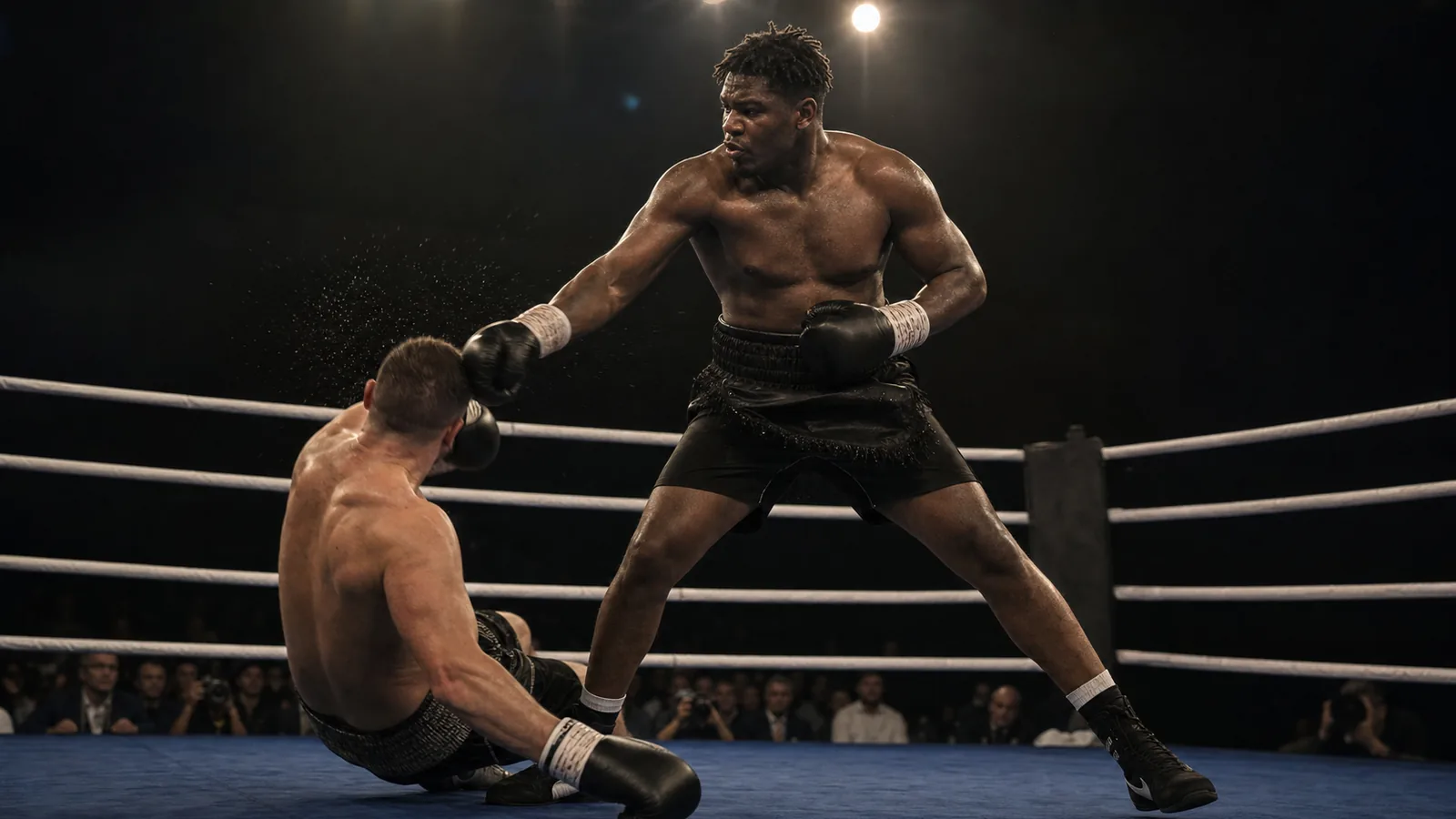
Leo Atang’s latest knockout and the heavyweight basics behind it
Use the fresh Matchroom knockout footage to explain how a young heavyweight turns size, balance and patient shot selection into repeatable finishing power - without treating a highlight as proof of a finished prospect.
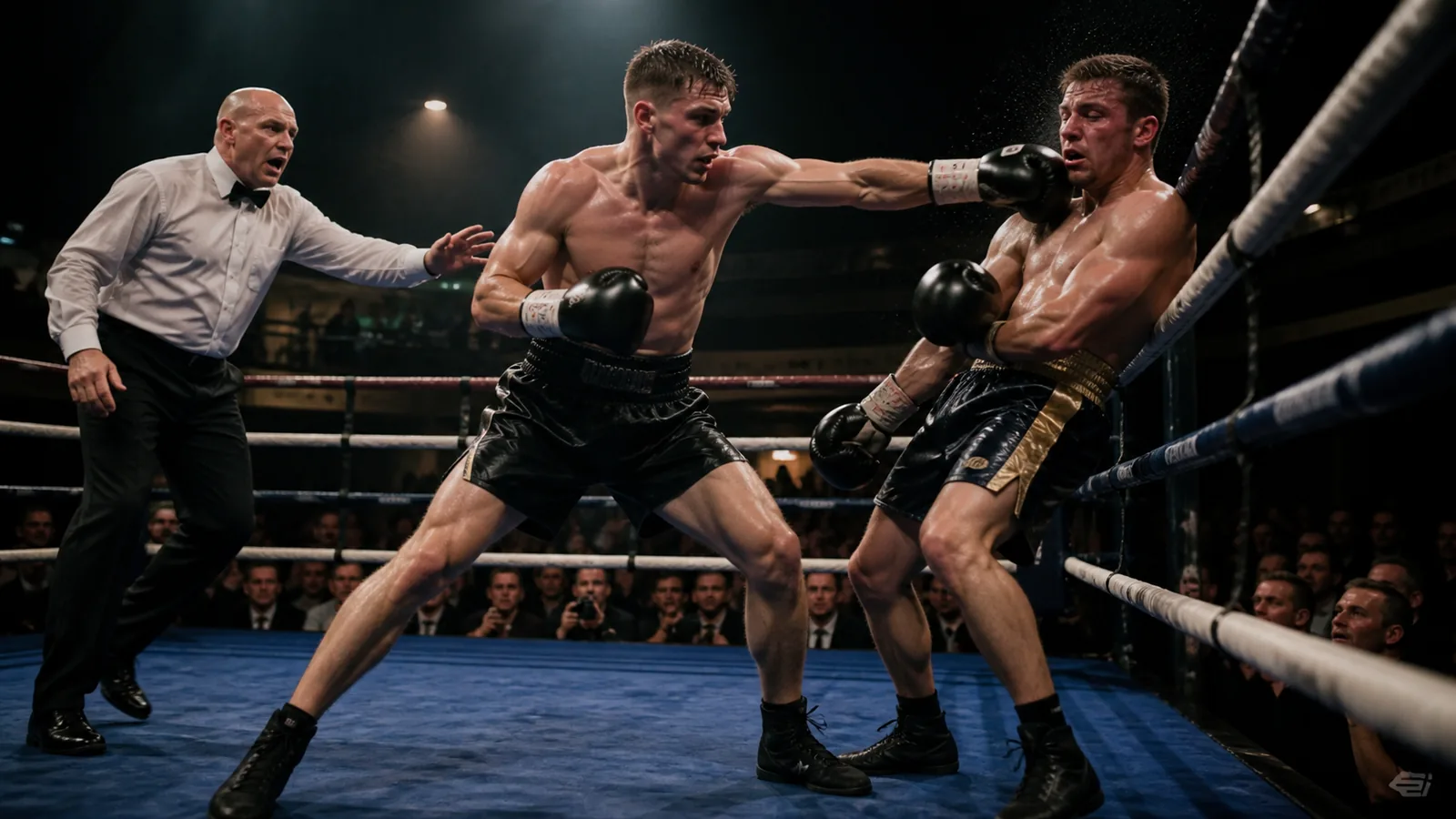
Stevie McKenna’s 65-second knockout: what early pressure can do
Use McKenna’s rapid stoppage of Owen O’Neill to examine how purposeful first-round pressure, distance control and a clean finishing sequence can turn a fight before either boxer settles.
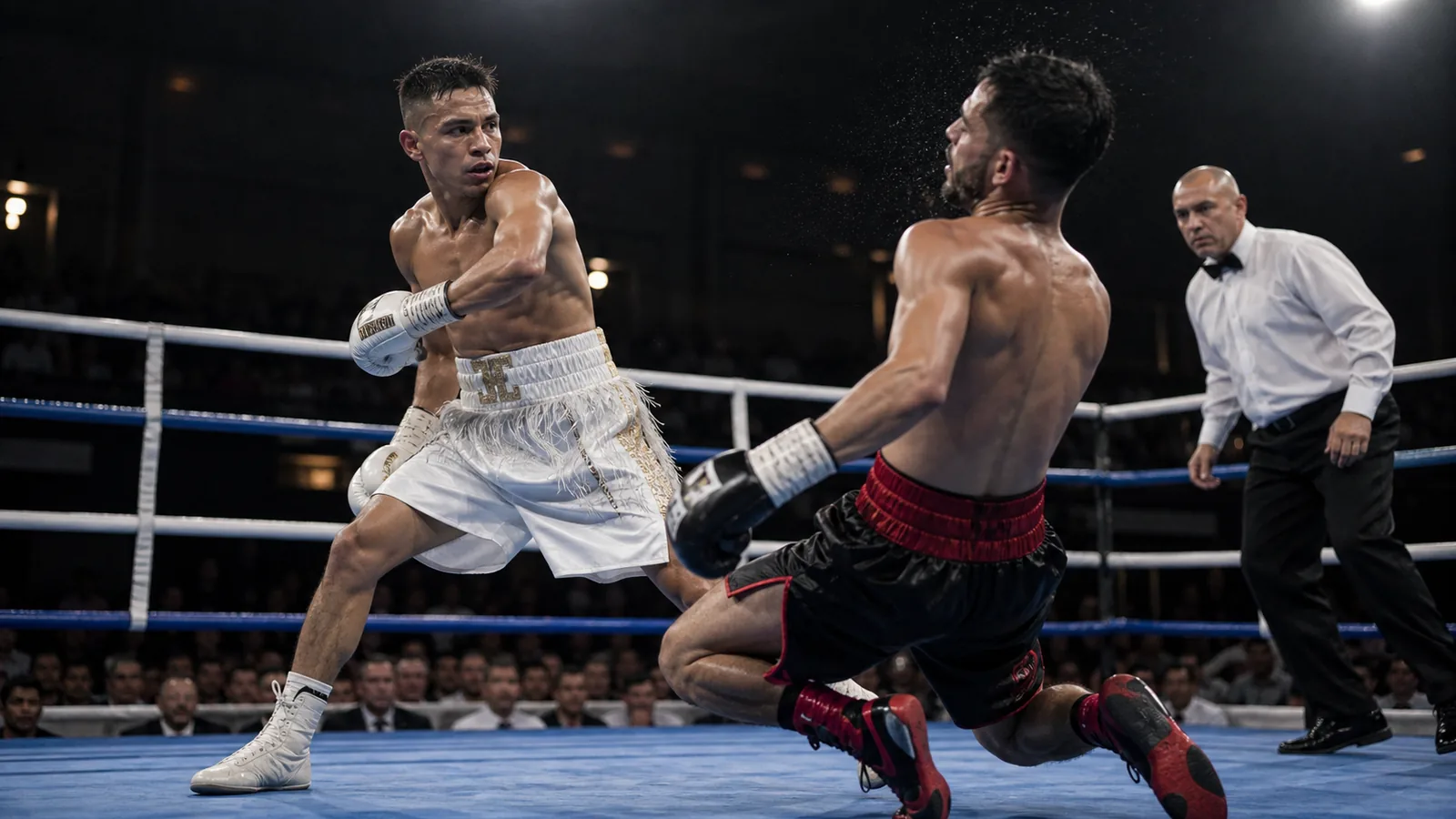
Oscar Collazo KO: Small Fighter, Big Finish
Use Collazo’s second-round stoppage to explain how sharp feet, timing and punch selection matter more than size or reach for beginners watching elite boxing.
Was this page helpful?
It takes one tap, and it genuinely helps.
Choose your next step
Turn this article into the right action
Some readers are ready to book. Some need the class route first. Pick the route that matches what you actually want.