Leo Atang’s latest knockout and the heavyweight basics behind it
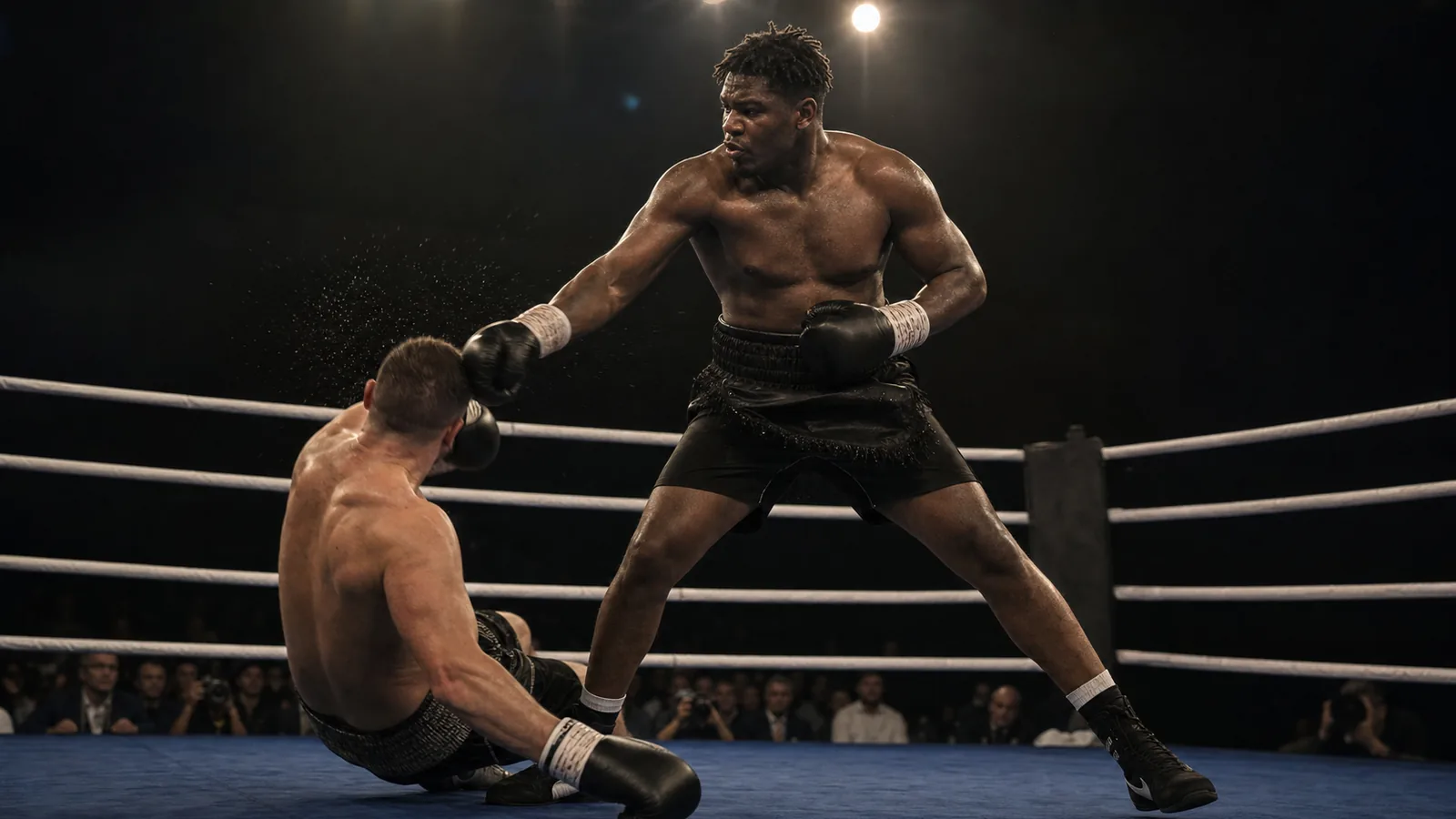
Leo Atang’s Latest Knockout: The Heavyweight Basics Behind the Finish
A heavyweight knockout can look like a gift from the gods. One punch lands, a big man falls, the crowd wakes up and the highlight is everywhere before the gloves are off.
That is not what makes a good heavyweight.
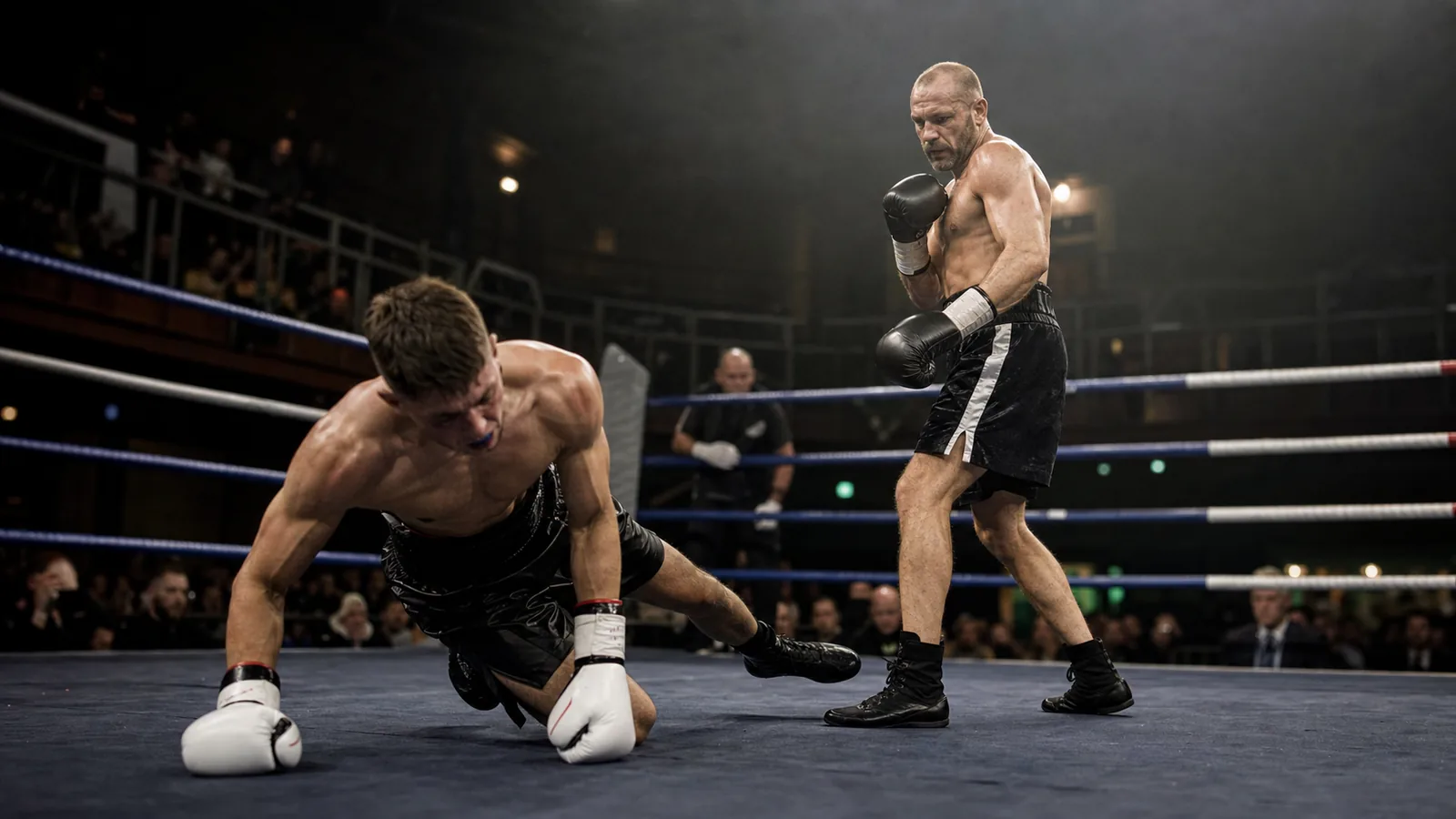
The useful part of Leo Atang’s latest stoppage is what happened before the referee stepped in. In his American debut against Glen Williams on 18 July in Carson, California, the 19-year-old from York did not gamble on a wild finish. He stayed composed, found a left hook, kept Williams trapped where he had fewer exits, then chose the right hands that made the stoppage inevitable.
Atang won by second-round technical knockout in a scheduled six-round fight, as the Atang vs Williams event report confirms. It moved him to 8-0 with seven stoppages. That is a good start, and the footage is worth studying. It is not, however, proof that a teenager is a finished heavyweight prospect. Boxing has a long list of early punchers who looked terrifying until an opponent could jab, move, clinch, counter and make them work late.
The exciting thing about Atang is not simply that he can hit. Heavyweights who can hit are common enough. The encouraging part is that the finish was built on basics that can travel with him when the matchmaking gets tougher.
First, the size has to be organised
Atang is listed by Matchroom Boxing as a 6ft 6in orthodox heavyweight. That is a serious physical frame, but height is only useful if a boxer can keep his feet underneath him and make his opponent deal with the distance.
Too many tall young heavyweights make themselves easy to read. They stand bolt upright, reach with the jab and pull away with their chin high. Or they get tempted into throwing every shot with bad intentions, which leaves their feet stranded and turns their size into a disadvantage.
Atang did not need to chase Williams around the ring. He used his stature to occupy space and make the other man work his way in. That matters. A big boxer who advances under control can take away room without falling in behind his punches. Once the opponent reaches the ropes, their options shrink quickly.
The left hook that changed the fight did not come from a desperate lunge. It came when Atang was close enough to land it properly, with a base to hit from and enough balance to continue working after it landed. Williams was hurt, moved backwards and found the ropes. At that point, Atang had the geography of the ring in his favour.
That is heavyweight boxing in its simplest form: use the ring to make a target smaller.
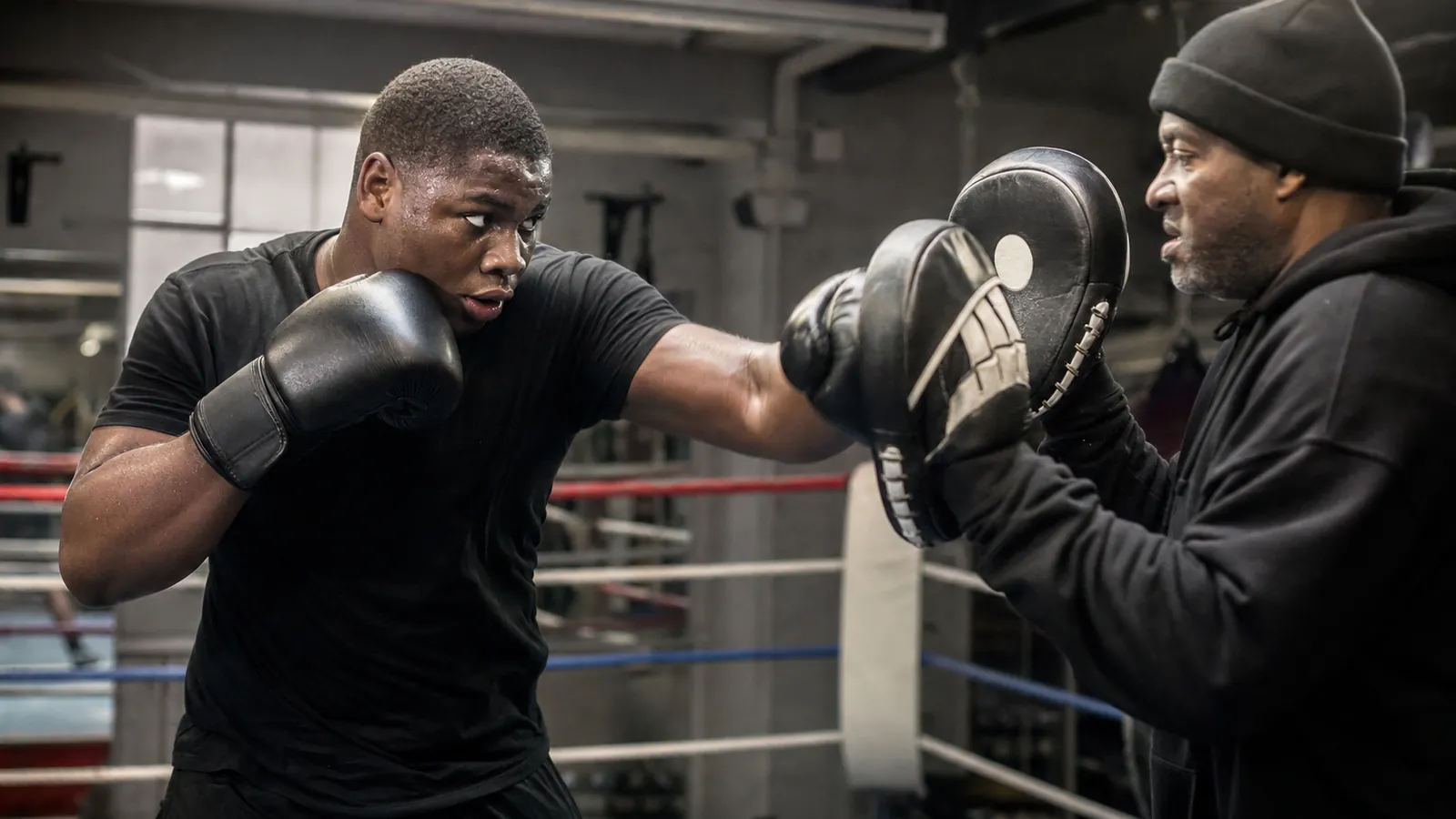
The finish was patient, not reckless
The reports from Boxing News 24 and NoSmokeBoxing both identify the left hook as the turning point. They also make an important point about what followed. Atang did not fling himself at Williams hunting one theatrical shot. He kept him on the ropes and landed a sustained sequence, particularly with the right hand, until the referee had seen enough.
That distinction matters for every boxer, from a novice learning combinations to a young heavyweight with a promotional push behind him.
When someone is hurt, the temptation is to throw ten punches at once. Usually that means smothering your own work, losing balance and giving a durable opponent the space to grab on. The better response is calmer:
Keep your feet close enough to punch
A boxer needs enough room to extend the shot, but not so much that the opponent can step out or smother the attack. Atang stayed in punching range rather than admiring the first success.
Hit the available target
A hurt opponent often covers their head, leans back or bends at the waist. The answer is not necessarily a loaded overhand right. It may be a short hook, a straight shot through the guard, or a body shot that stops the legs moving. Finishing is about reading what is there, not performing the punch you wanted to throw before the bell.
Leave yourself able to defend
Even when an opponent looks finished, they can still throw. Heavyweight boxing is especially unforgiving here. A tired or hurt man can have enough power to change a fight with one counter. Atang’s work against Williams was forceful, but it remained recognisable boxing rather than a head-down rush.
That is why the clip is more interesting than a one-punch blowout. It shows a young fighter converting an opening into a controlled stoppage.
Balance is where the power comes from
People often describe heavyweight power as if it sits in the shoulders. It does not. The shoulders are the delivery system. The force begins at the floor.
A proper punch starts with the feet gripping the canvas, then travels through the legs, hips, trunk and shoulder before reaching the fist. If the feet are too square, too narrow or too far away from the body, a fighter can still swing hard but cannot consistently transfer force or recover position afterwards.
Atang’s earlier performances have shown the same broad theme. British Boxing News’ prospect profile noted his sweeping jab, movement in and out of range and ability to bring a heavy right hand after stepping back. The wording can get carried away around a promising teenager, but the observation is sound: he is not relying solely on raw dimensions.
A heavyweight’s balance does three jobs at once. It gives him weight behind the shot. It lets him throw the next shot without resetting from scratch. And it keeps him in a position to move if the exchange turns against him.
For boxers watching the stoppage, this is the lesson worth taking to the bag. Do not try to copy a 6ft 6in heavyweight’s punch selection. Copy the order of events: establish your stance, close the distance sensibly, land cleanly, then stay balanced enough to choose again.
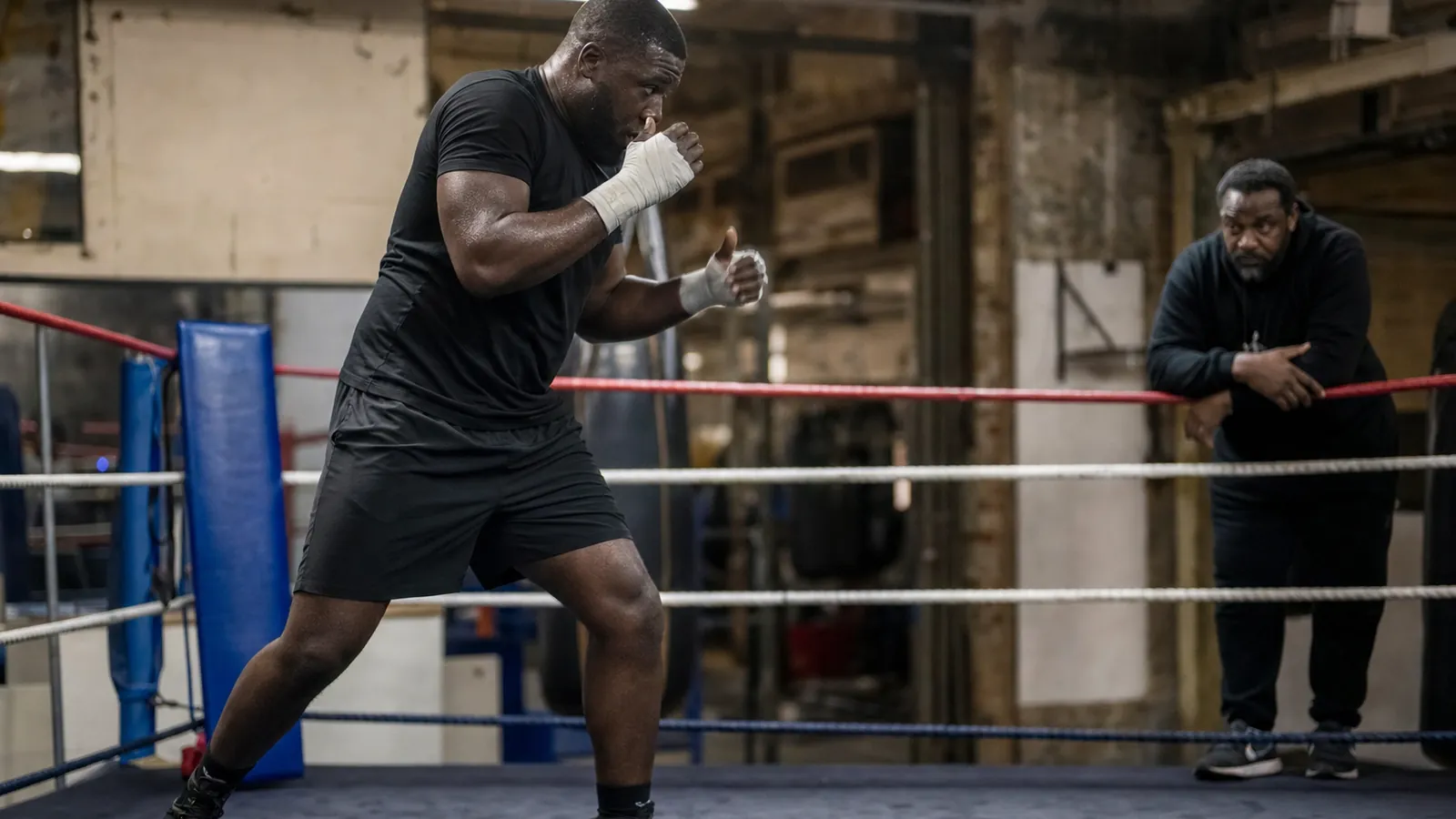
Why the left hook opened everything
The left hook is a particularly valuable heavyweight punch because it can change both the opponent’s balance and their relationship with the ropes.
A straight right hand may drive a boxer backwards. A clean left hook can turn them. It can take their eyes away from the next shot, shift their weight on to an unstable leg and stop them from exiting to their stronger side. Against Williams, the hook created exactly the kind of disorganisation that a bigger boxer must exploit immediately.
There is another reason it matters. A young heavyweight who can hurt opponents with both hands is harder to plan for. If opponents only fear the right, they can circle away from it, lean towards the lead side and look to disrupt the rhythm. If the left hook is a genuine threat, the jab has more authority and the right hand arrives with less warning.
That is not a claim that Atang has solved heavyweight boxing at 19. It is a reason to take the technical details seriously rather than treating the clip as another social-media knockout.
The questions the knockout cannot answer
There is no need to diminish the win. A second-round stoppage in a first fight in the United States is a useful statement, and Matchroom’s fighter page now records an unbeaten 8-0 start. Atang also brings genuine amateur pedigree, including a World Boxing Under-19 title, to the professional game.
But sensible prospect watching means holding two thoughts at once.
First, Atang has obvious tools: height, heavy hands, an educated base and the composure to finish without falling apart. Second, Glen Williams entered the bout with only three professional contests. A short fight against an overmatched opponent cannot tell us how Atang responds when his jab is taken away, when he is hit to the body, when someone crowds him, or when he reaches round seven with a hard, experienced heavyweight still in front of him.
The most valuable next tests may not end in a highlight. He needs rounds. He needs opponents who can make him solve problems. He needs to learn when not to punch, because that is often the difference between a promising puncher and a complete professional.
What young boxers can take from it
At Honour & Glory in Kidbrooke, we do not teach people to hunt knockouts. We teach them to build the positions that make clean punches possible: stance, balance, distance, defence and calm decision-making.
Atang’s latest finish is a sharp example of that process at heavyweight scale. The left hook was the moment people will share. The controlled feet, patient pressure and sensible follow-up were the reason it counted.
If you are aged 7+ and want to learn those foundations properly, book a trial at Honour & Glory Boxing Club.
H&G Team
Writer at Honour & Glory Boxing Club, a community boxing gym in Kidbrooke, South East London.
KEEP READING
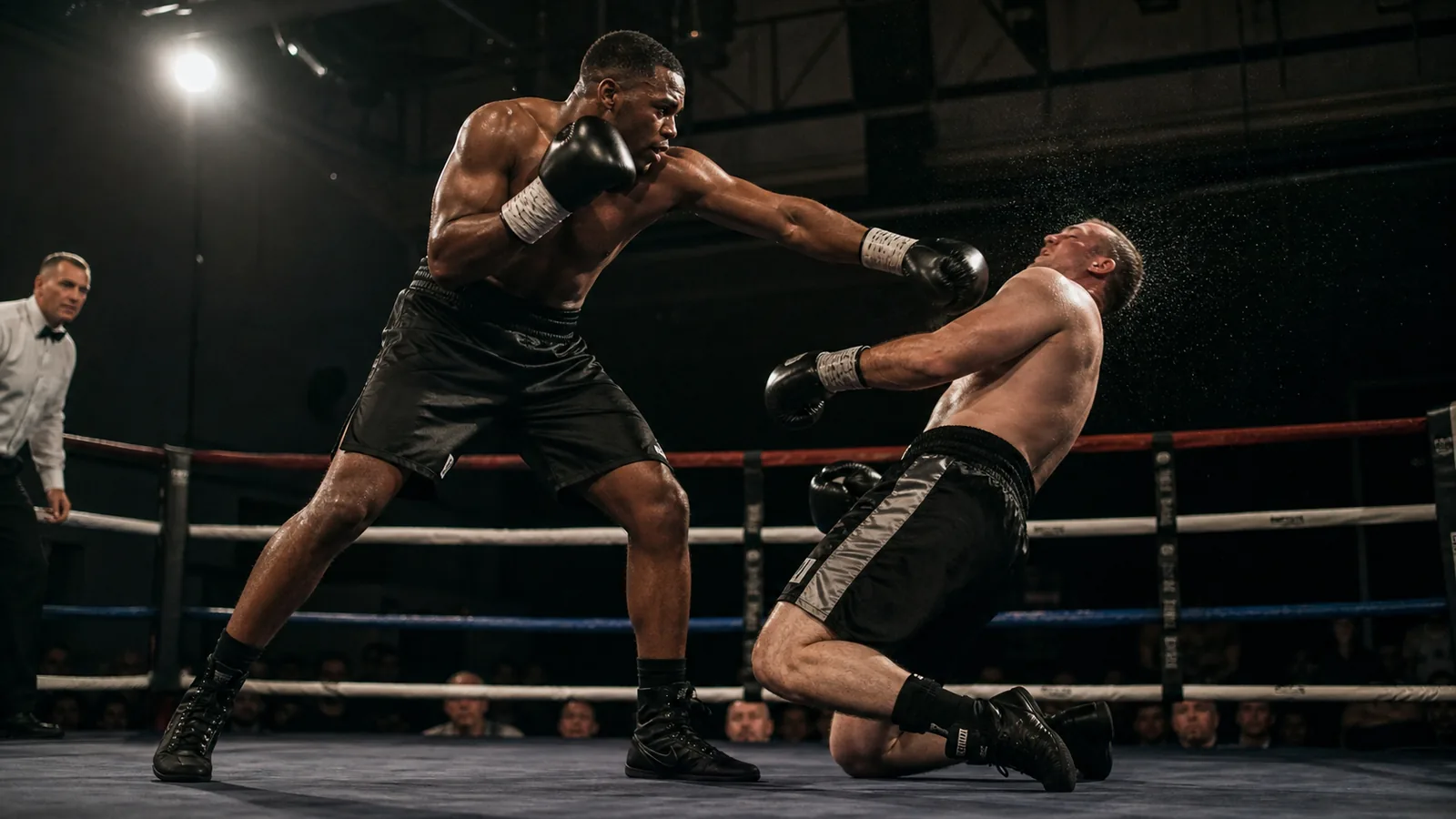
Simon Ibekwe knockout: why heavyweight prospects need patience
Use Ibekwe’s reported knockout-of-the-year contender to explain how young heavyweights can build finishing instincts without abandoning balance and defence.
Harlem Eubank Knockout: Why Experience Still Changes Fights
Use Eubank’s fresh defeat to examine how experienced opponents disrupt rhythm, punish predictable entries and turn a prospect’s preferred pace against them.
What Does "Sit Down on Your Punches" Mean?
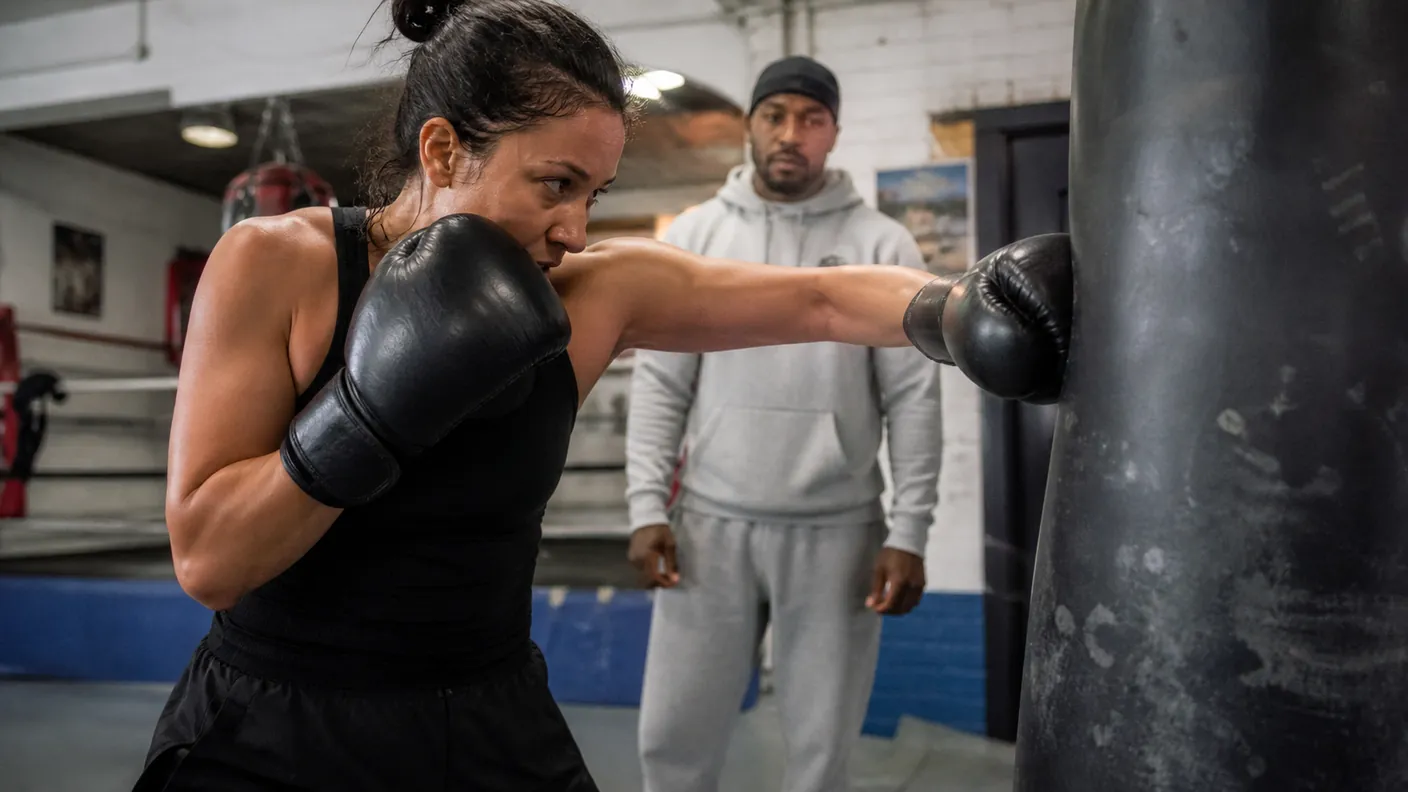
A boxing coach explains the cue behind heavier shots, better balance and cleaner power without turning every punch into a wild swing.
Was this page helpful?
It takes one tap, and it genuinely helps.
Choose your next step
Turn this article into the right action
Some readers are ready to book. Some need the class route first. Pick the route that matches what you actually want.