Harlem Eubank Knockout: Why Experience Still Changes Fights
Harlem Eubank Knockout: Why Experience Still Changes Fights
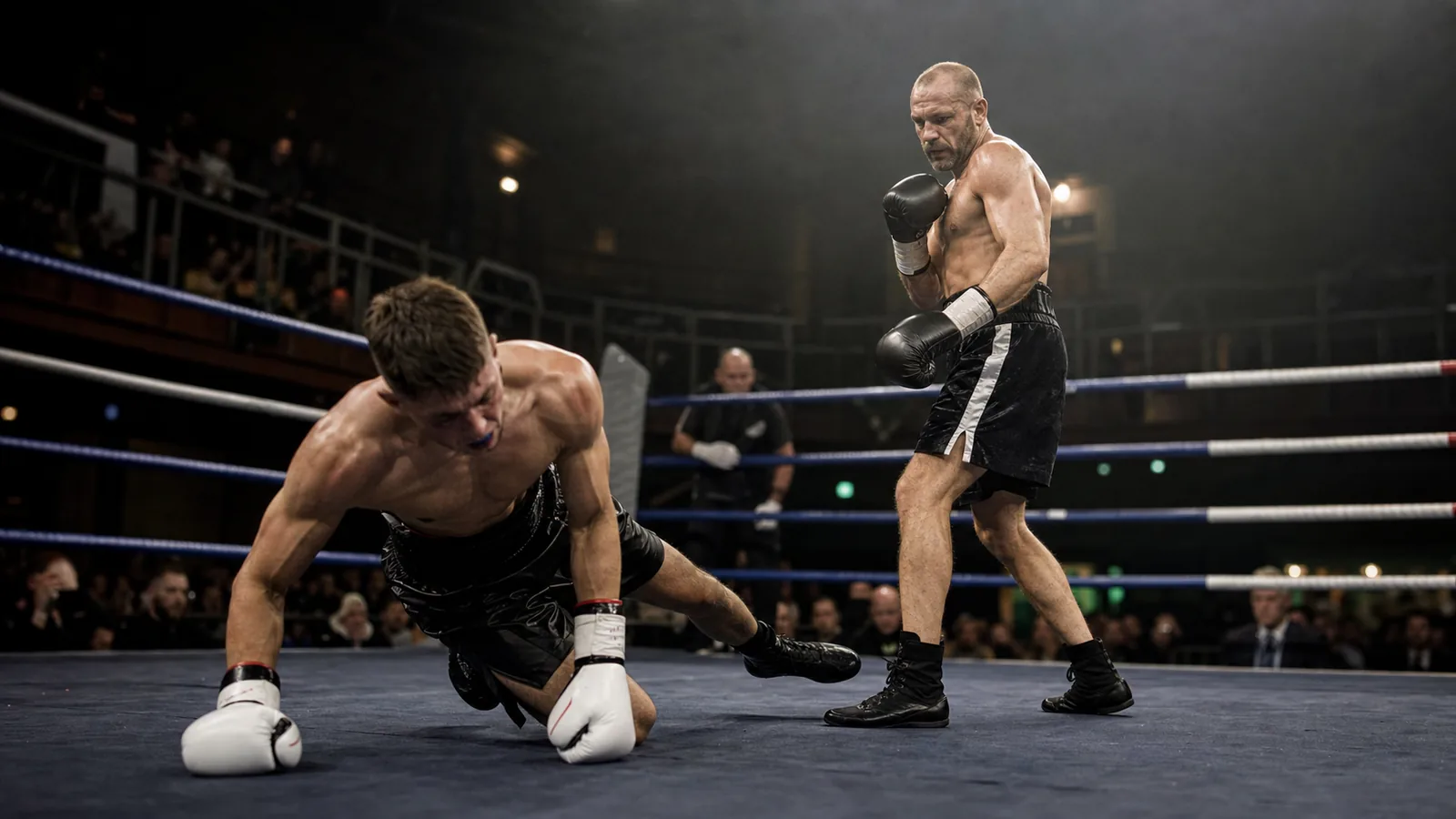
Harlem Eubank’s defeat to David Papot was not a tale of a young fighter simply being caught cold. It was a lesson in what a seasoned opponent can do once he has identified a pattern, established the pace he wants, and made every familiar entry feel dangerous.
Papot dropped Eubank in the second round, survived a heavy knockdown himself in the seventh, then put Eubank down twice more in the 10th before winning a deserved unanimous decision at London’s Copper Box Arena. Sky Sports’ report recorded scores of 115-109, 115-110 and 113-111. That wide range tells its own story: Eubank had moments, but Papot controlled too many of the important ones.
The vacant IBF International welterweight title was the prize, as the bout listing makes clear. More important than the belt, though, was the question the fight asked. What happens when a talented, athletic boxer meets someone who has spent years learning how to make good fighters uncomfortable?
Papot supplied the answer.
The first knockdown was a warning about predictable entries
The second-round knockdown was the fight in miniature. Eubank missed with a right hand. Papot answered with a spiteful left hook and sent him to both knees.
That is not magic. It is recognition.
Experienced fighters do not need to know every punch an opponent will throw. They need to recognise how the opponent prepares to throw it. Do the feet creep in before the right hand? Does the lead shoulder dip? Does the head stay on the centre line? Does the boxer reach when he thinks he has the other man backing up?
Papot saw enough to set the trap. Eubank’s attempted right hand gave him the opening, and Papot did not hesitate. The Frenchman was not trying to win a beauty contest. He was waiting for the same type of entry to appear, then punishing it with a punch that travelled a shorter route.
The fight highlights are worth watching with that in mind. Do not only watch the punch that lands. Watch the seconds before it. Look at the distance, the feet and the position of Eubank’s head when he commits.
That is where experienced fighters make their money.
Papot disrupted rhythm before he disrupted Eubank
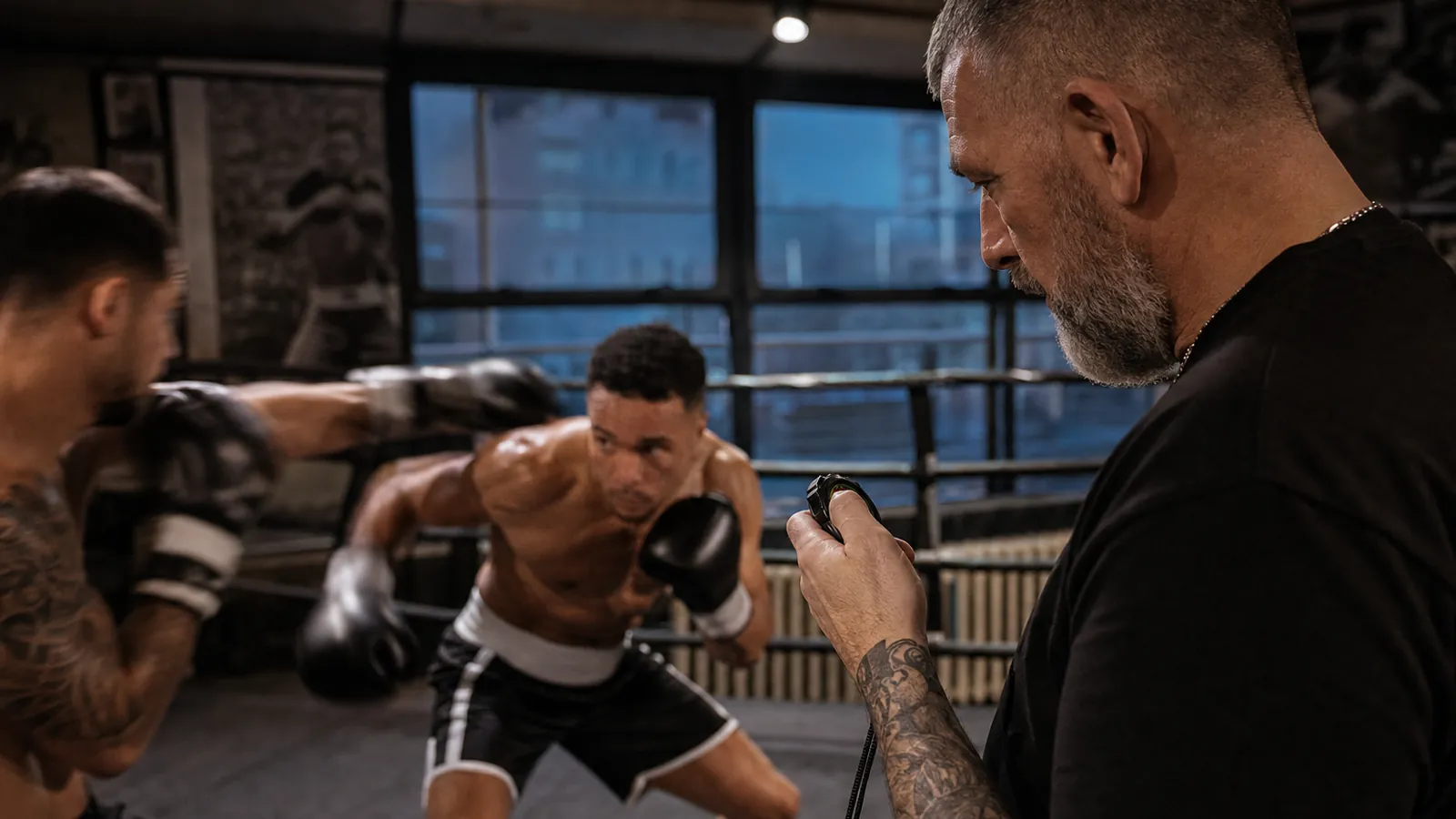
A boxer can be fast, strong and brave, yet still become predictable if he works at one preferred tempo. Eubank wanted to establish his own rhythm: move, feint, step in sharply, let his hands go and force Papot to react.
Papot refused to play along.
He used the southpaw stance well, gave Eubank different looks, and made him work through awkward angles rather than charging down a predictable lane. He did not retreat in a straight line and give Eubank a stable target. He held ground when necessary, moved when it suited him and repeatedly made Eubank restart his attacks.
That kind of disruption is frustrating because it denies a fighter the exchanges he has rehearsed. The combination that looks quick and sharp on pads becomes harder to deliver when the opponent is just outside range, half a step to the side, or ready with a counter before the last punch has left the glove.
The pre-fight press conference, weigh-in livestream and prelims broadcast show the ordinary promotion around a major domestic night. The fight itself showed why promotion can only tell part of the story. Once the bell goes, records and family names do not fix distance, timing or decision-making.
Papot had enough experience to make Eubank doubt the moment to attack. That doubt slows the feet. Once the feet slow, the punches arrive separately. Once the punches arrive separately, the counterpuncher sees them coming.
Eubank’s seventh-round success made the fight more interesting, not less clear
Eubank deserves credit for his response. He hurt and dropped Papot with a sharp left hook in the seventh, then pushed hard for a finish. Plenty of fighters would have folded after the second-round knockdown, especially against a composed opponent who had already begun to impose his own style.
But this is where the gap between a good moment and control of a fight matters.
Papot was hurt. He survived. He reset. He did not panic and trade recklessly because the crowd wanted drama. He used his experience to get through the dangerous minute, then returned to the things that had given Eubank problems in the first place.
That is a professional habit. A less seasoned fighter often tries to prove he is unhurt immediately. He throws back, forgets his feet, squares up and gives away another opening. Papot understood that survival was enough. He did not need to win the seventh round after he was dropped. He needed to make sure it did not become the final round.
The full-card highlights show the broader event, while FIGHTMAG’s live coverage provides the bout context from the Copper Box Arena. For the decisive rounds, the important point is simple: Eubank’s knockdown was real, but Papot’s recovery was just as revealing.
A fighter who can absorb adversity without abandoning the game plan is difficult to beat.
The 10th round was experience turning pressure back on its source
By the 10th, Eubank knew he needed a statement. He was stepping forward and trying to force the fight. Papot knew that too.
That is when the more experienced opponent becomes especially dangerous. A fighter chasing a turnaround is often more predictable than one who is comfortably ahead. The urgency becomes visible. The feet come forward with less care. Punches become longer. Defence turns into an afterthought because the boxer feels he must make something happen immediately.
Papot landed another left hook to drop Eubank, then put him down again during a follow-up flurry. It was not a random late surge. It was the result of Papot understanding what Eubank would feel compelled to do and being ready when he did it.
The BoxingScene report described Papot’s victory as an upset, but the ring action was more instructive than that label. The upset was not built on one lucky counter. Papot repeatedly found Eubank entering in ways he could read.
For another round-by-round record of the contest, see World Boxing News’ live scorecard. It underlines how strongly a single dramatic round can alter a 12-round fight. Two knockdowns in the 10th do not merely hurt on the scorecards. They change the mentality of both corners.
The lesson for every developing boxer
The temptation after a loss like this is to say a fighter needs more aggression, more combinations or more fitness. Usually, the answer is less glamorous.
He needs more options.
If your only effective entry is a quick step and a right hand, a seasoned opponent will learn it. If you always accelerate after a feint, they will time it. If you always throw the same exit punch after a combination, they will set a counter for it.
Good boxing is not about throwing fewer punches because you are scared of being countered. It is about making your opponent unsure which version of the attack is coming.
That means changing the tempo. Jab without following it. Feint, then step away. Enter behind a jab to the chest rather than a head shot. Finish a combination and pivot. Throw the right hand once, then show it again and hook instead. The aim is not to become flashy. The aim is to stop an opponent collecting easy reads.
Eubank has been in meaningful fights before, including his difficult bout with Jack Catterall, which was discussed in this fight thread and this post-fight discussion. His earlier contests with Josh Wagner and Timo Schwarzkopf also have their own Wagner fight thread and Schwarzkopf discussion. The Papot bout has its own live discussion, but the useful analysis remains in the footage, not the noise around it.
Experience still changes fights because it gives a boxer a library of answers. Papot did not need to be faster than Eubank in every exchange. He needed to know what Eubank liked, deny him comfort, and punish him when he tried to force his preferred pace.
That is a hard lesson, but it is a valuable one. At Honour & Glory, whether you are starting at seven or taking your first adult class in Kidbrooke, the same rule applies: clean technique matters, but reading the moment matters too. Book a trial session and learn how to build attacks that are difficult to predict and even harder to counter.
H&G Team
Writer at Honour & Glory Boxing Club, a community boxing gym in Kidbrooke, South East London.
KEEP READING
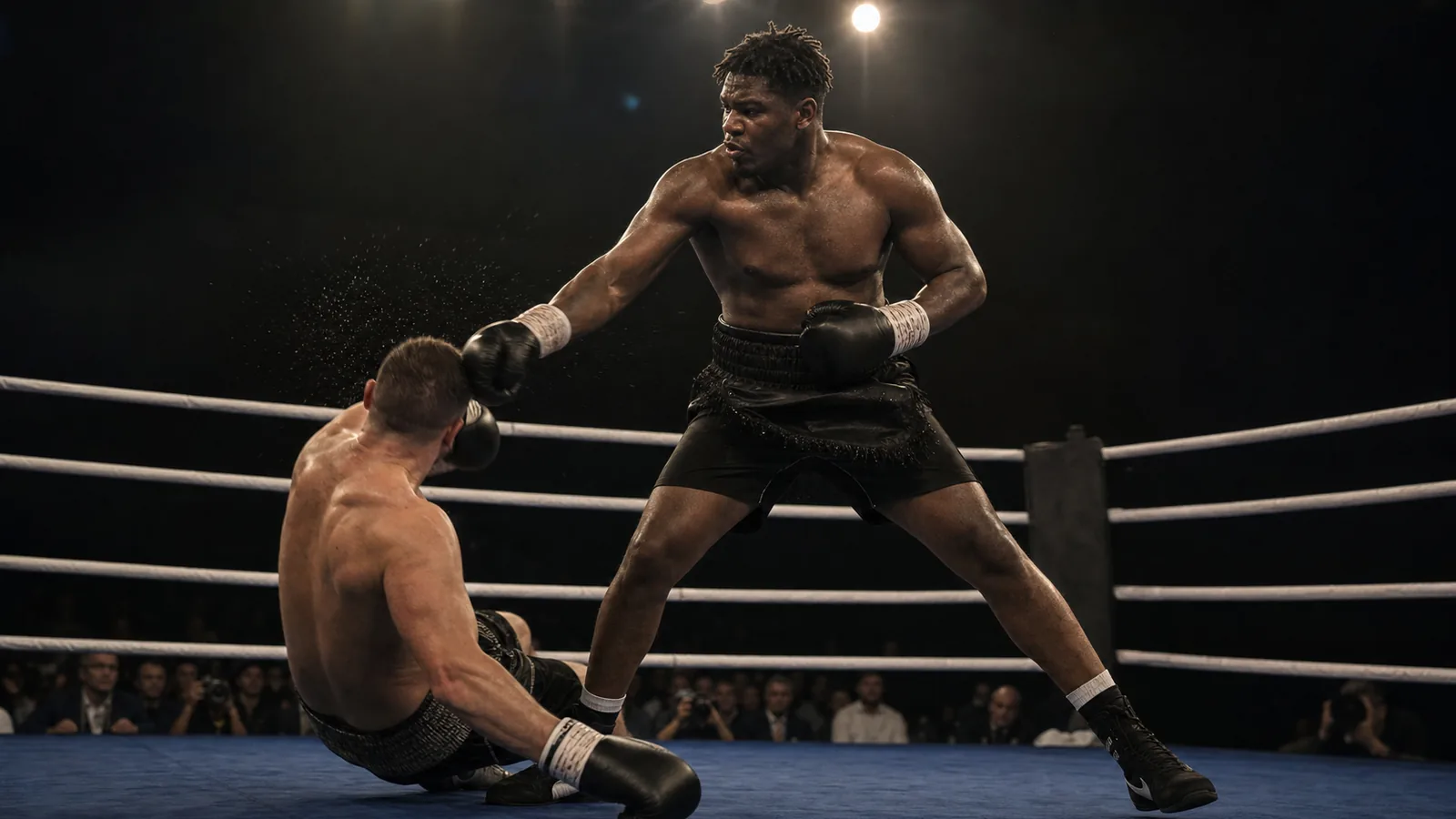
Leo Atang’s latest knockout and the heavyweight basics behind it
Use the fresh Matchroom knockout footage to explain how a young heavyweight turns size, balance and patient shot selection into repeatable finishing power - without treating a highlight as proof of a finished prospect.
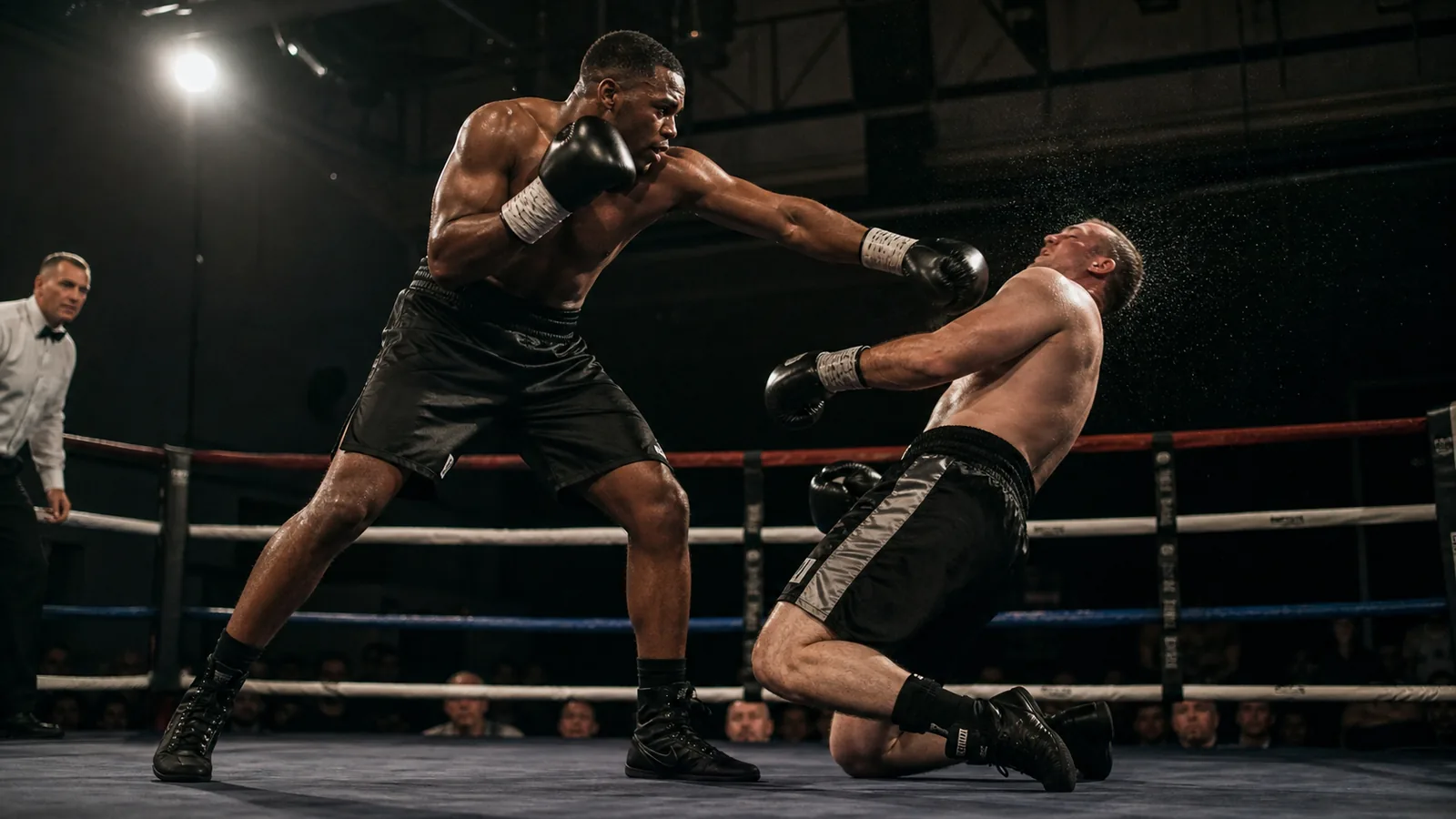
Simon Ibekwe knockout: why heavyweight prospects need patience
Use Ibekwe’s reported knockout-of-the-year contender to explain how young heavyweights can build finishing instincts without abandoning balance and defence.
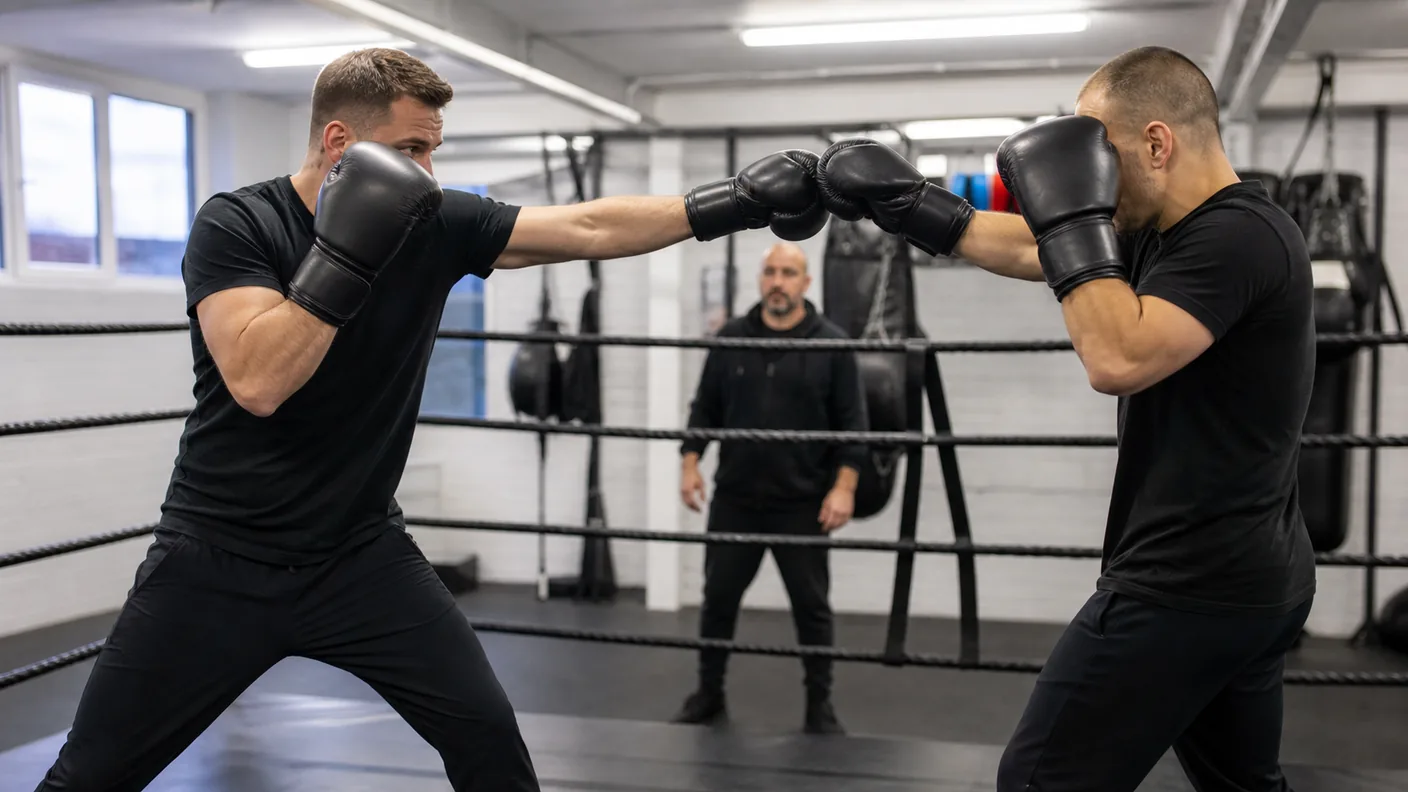
Lead Hand Control in Boxing Without Reaching
Use small lead-hand touches to disrupt the jab, manage range and create safer entries without turning boxing into an arm wrestle.
Was this page helpful?
It takes one tap, and it genuinely helps.
Choose your next step
Turn this article into the right action
Some readers are ready to book. Some need the class route first. Pick the route that matches what you actually want.