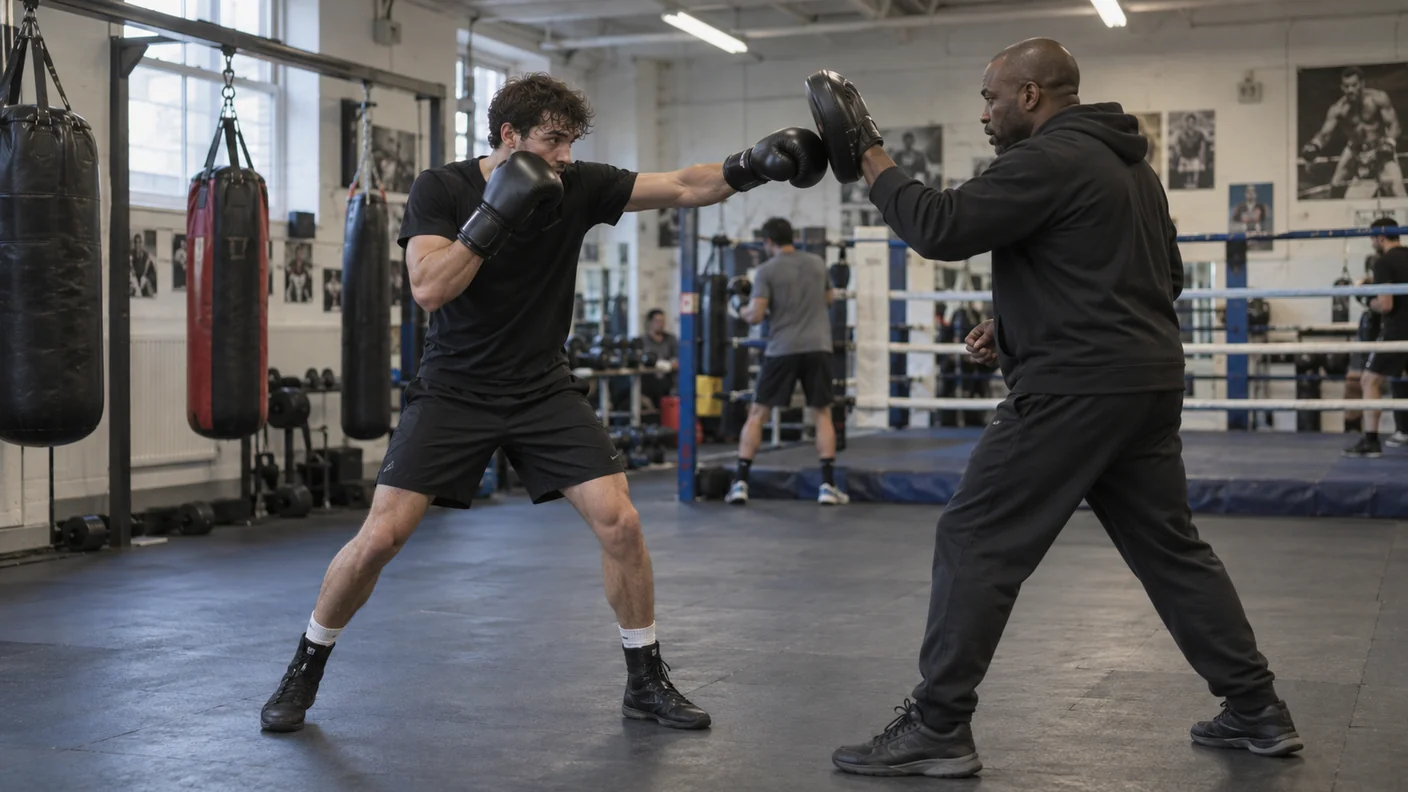
A jab can make a boxer feel trapped because it arrives down the middle and keeps asking the same question: stand there, block it, or move.
A compact side-step cross gives you a fourth option. You move just far enough off the jab line that the glove misses or loses its clean route, then put a straight rear hand onto a coach-held mitt only if the distance is still honest. It is not a flashy escape and it is not a licence to dive sideways. It is a useful answer for a single, predictable jab.
Watch the demonstration below once at normal speed, then use the coaching points to make the step small enough to keep your stance.
The step must leave a real cross
For an orthodox boxer facing orthodox, a small step to your right can move your head outside the opponent's lead hand. Your rear hand then has a cleaner line through the middle. Southpaws reverse the picture.
The important word is small. If the step takes you so far away that the cross needs a reach, it has not created an angle. It has created empty space. A good rep finishes with your feet staggered, your chin down and your rear hand able to travel straight from a stable base.
That follows the basic standard in the England Boxing coaching handbook: balance, stance and controlled progression come before a more complicated response. The counter only counts as useful if you can still cover, move or punch again after it.
Move the body, not only the feet
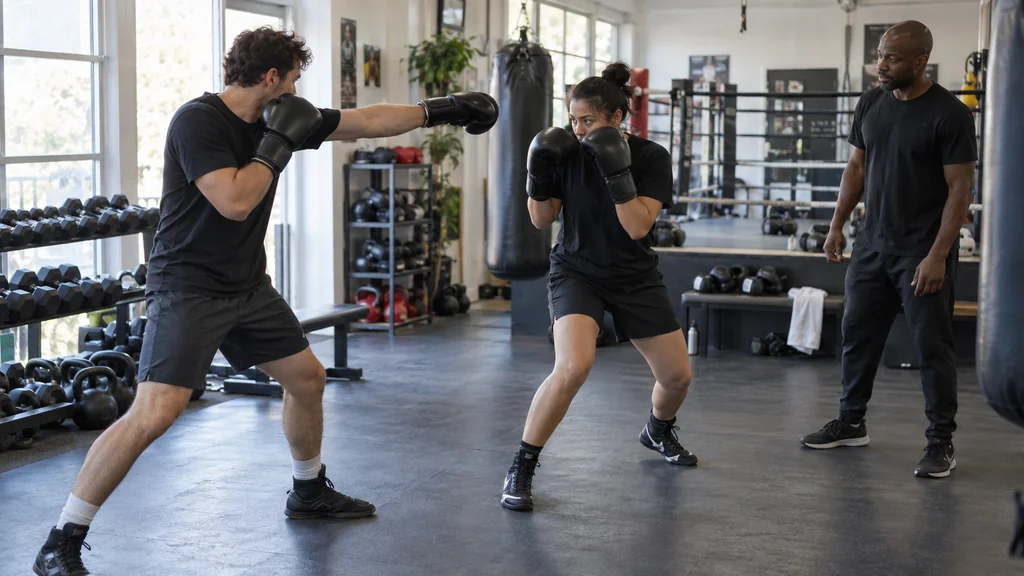
A common mistake is stepping the lead foot sideways while leaving the head and chest in the original lane. The feet have moved, but the jab can still land. Another version sends the body so far away that the rear foot trails behind and the cross becomes an arm punch.
Think of the step as moving your whole stance a few inches. Push from the lead side, let the rear foot take the new line, and allow the lead foot to follow only enough to preserve your normal width. Your head moves with the stance, not as a separate lean.
The cross lands as the feet finish settling, not after a long pause. That timing helps the punch stay connected to the floor rather than being thrown from a stretched position. A review of boxing performance and biomechanics describes effective punching as a coordinated action involving the legs, trunk and arm. In gym terms, the punch needs your stance underneath it.
Do not side-step every jab
This is a response to a known, isolated line. It is not a solution for every exchange.
If the other boxer is throwing a jab-cross, a wide side step can place you in the route of the rear hand. If they are close enough to throw hooks, a compact guard, catch or short exit may be safer. If you are already backed near the ropes, do not gamble on finding a perfect angle late.
Start with a partner who gives one slow jab to a clear line. Once you can keep the stance, add a second choice. The partner may jab once, jab and step forward, or hold position. Your job is to side-step and touch the mitt only on the first cue. On the other two, cover or reset.
Build the side-step cross in three rounds
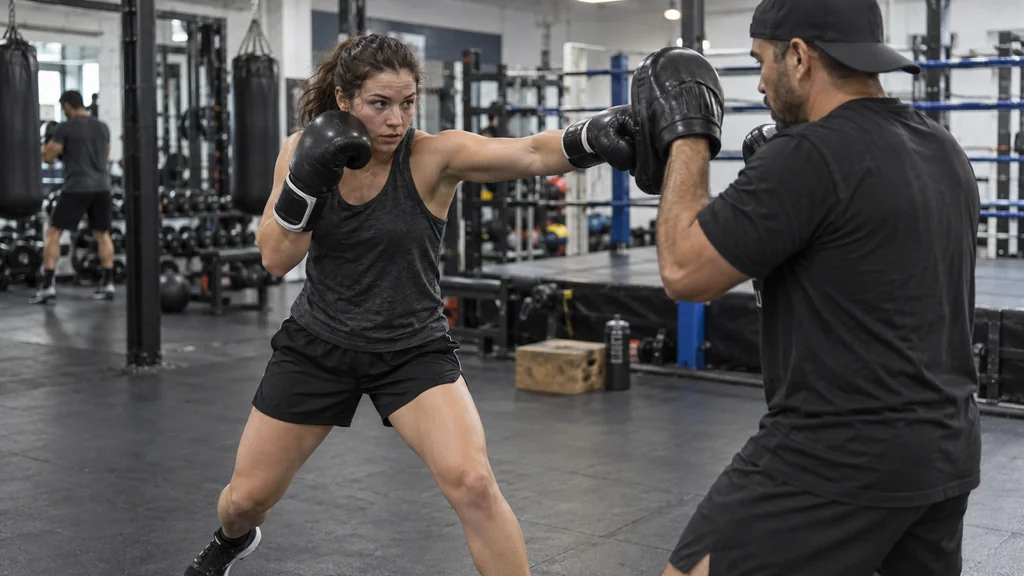
Use a floor line, a coach-held mitt or a trusted partner. Keep the speed technical. This drill does not need hard sparring to teach the right shape.
Round one: step and freeze
Stand at the edge of jab range. Imagine a jab travelling down the centre line, then take one small step to your rear-hand side and freeze.
Check that your feet are still staggered, your head is no longer on the line and your rear glove remains near the cheek. If you have to pull the rear foot across to recover your stance, reduce the size of the step.
Round two: step and touch the mitt
A coach presents a mitt at a realistic rear-hand distance after the step. Move off the line, let the feet settle and place one measured cross on the target.
Bring the lead hand home as the right hand travels. Do not let the excitement of the counter make the lead glove drift down. The cross should feel like a straight line from a stable base, not a shoulder lunge towards a target that has already moved.
Round three: choose the finish
Now the coach or partner gives one of three cues: a single jab, a jab followed by a step in, or no jab at all. The side-step cross belongs only to the single jab.
Against the step in, bring the guard together and take a safer exit. Against no jab, stay calm and do not step anyway. This final round turns a sequence into a decision, which is the difference between clean drill work and useful boxing.
Four mistakes that spoil the counter
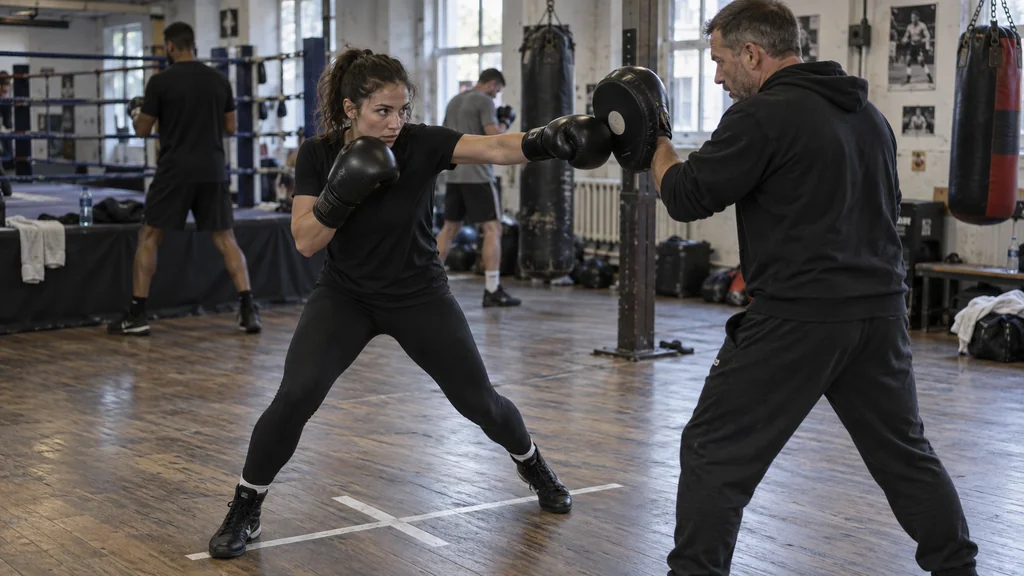
The first is stepping too far. A big jump may make the jab miss, but it also makes the cross fall short. Work with the smallest step that changes the line.
The second is crossing the feet. If one foot passes across the other, you lose the base that makes the rear hand useful. Our guide to boxing side steps without drifting shows how to move across the floor without throwing the stance away.
The third is dropping the lead hand while you admire the angle. The jab may be gone, but the opponent still has a lead hook, a second jab or a step forward. Bring the lead glove home as the cross goes.
The fourth is trying to use the counter against every jab. A sharp opponent will add the rear hand once they notice the pattern. Learn the side-step cross as one answer, alongside the catch, parry, slip and reset options in our guide to defending the jab in boxing.
Where this fits in training
Use this drill after you have a reliable stance, a clean rear straight and basic jab defence. It suits controlled pads, shadow boxing with a floor line, or a light partner cue. It does not need to be rushed into live sparring.
For adults in Kidbrooke, Greenwich and nearby, our Recreational Adults boxing classes use pads and controlled partner work to connect defence, footwork and the next clear decision. You can build the timing before speed and pressure make it harder.
The coaching cue is simple: step small, see the jab miss, then earn the cross.
H&G Team
Writer at Honour & Glory Boxing Club, a community boxing gym in Kidbrooke, South East London.
KEEP READING
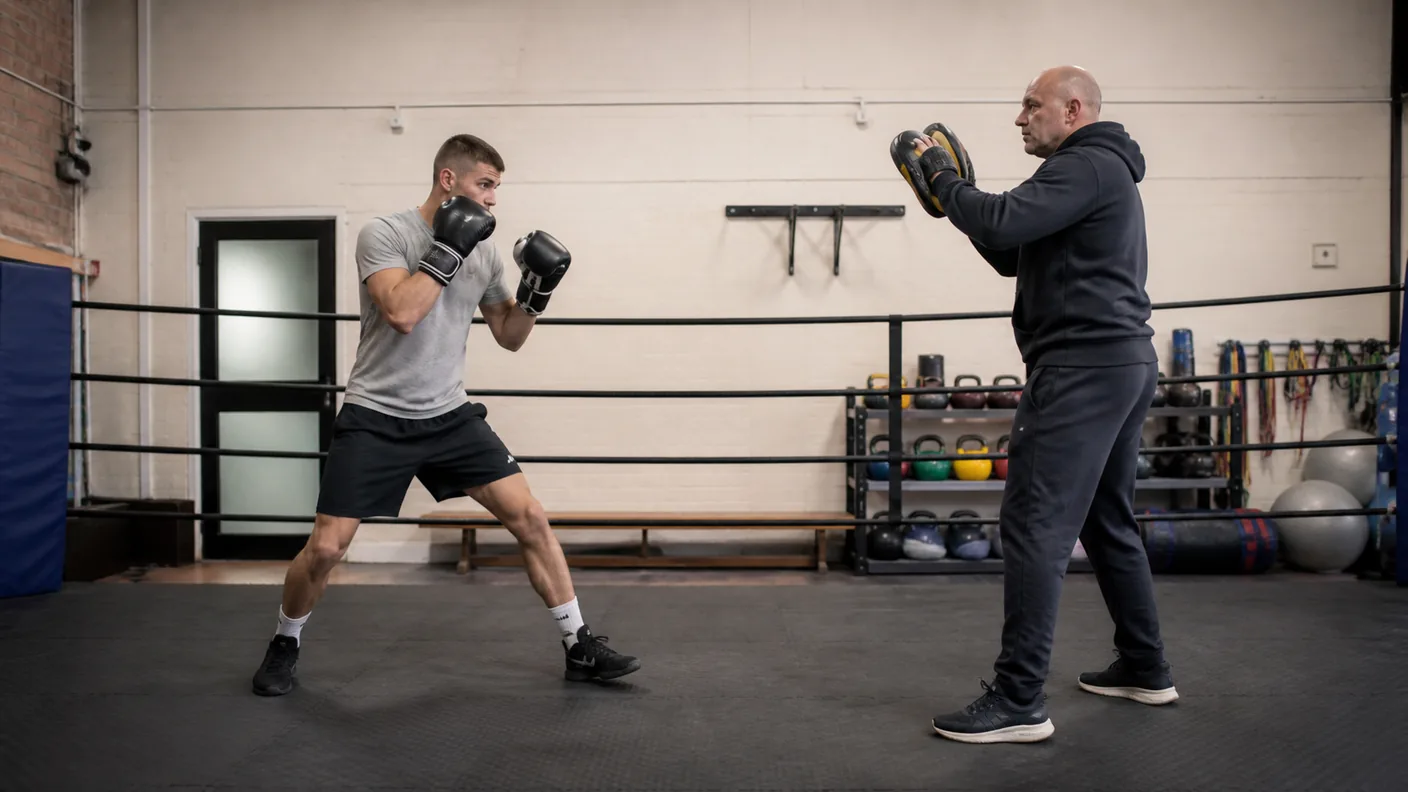
Boxing Side Steps: Move Without Drifting
Use a small boxing side step to leave the centre line without crossing your feet, wasting movement or losing the chance to punch back.
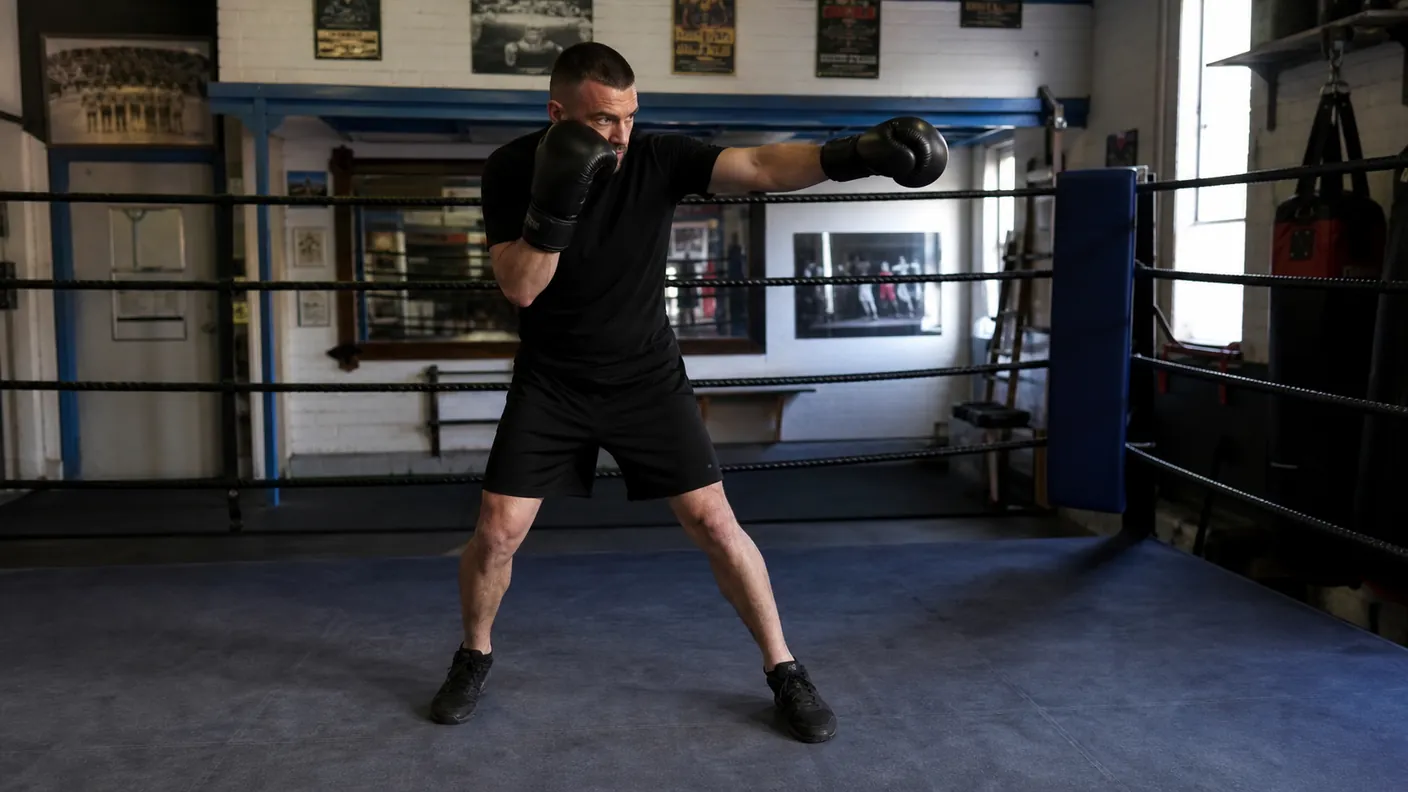
Boxing Side-Step Drill: Keep Your Stance While Moving
Use this boxing side-step drill to move across the floor, keep your stance and make the jab work without crossing your feet.
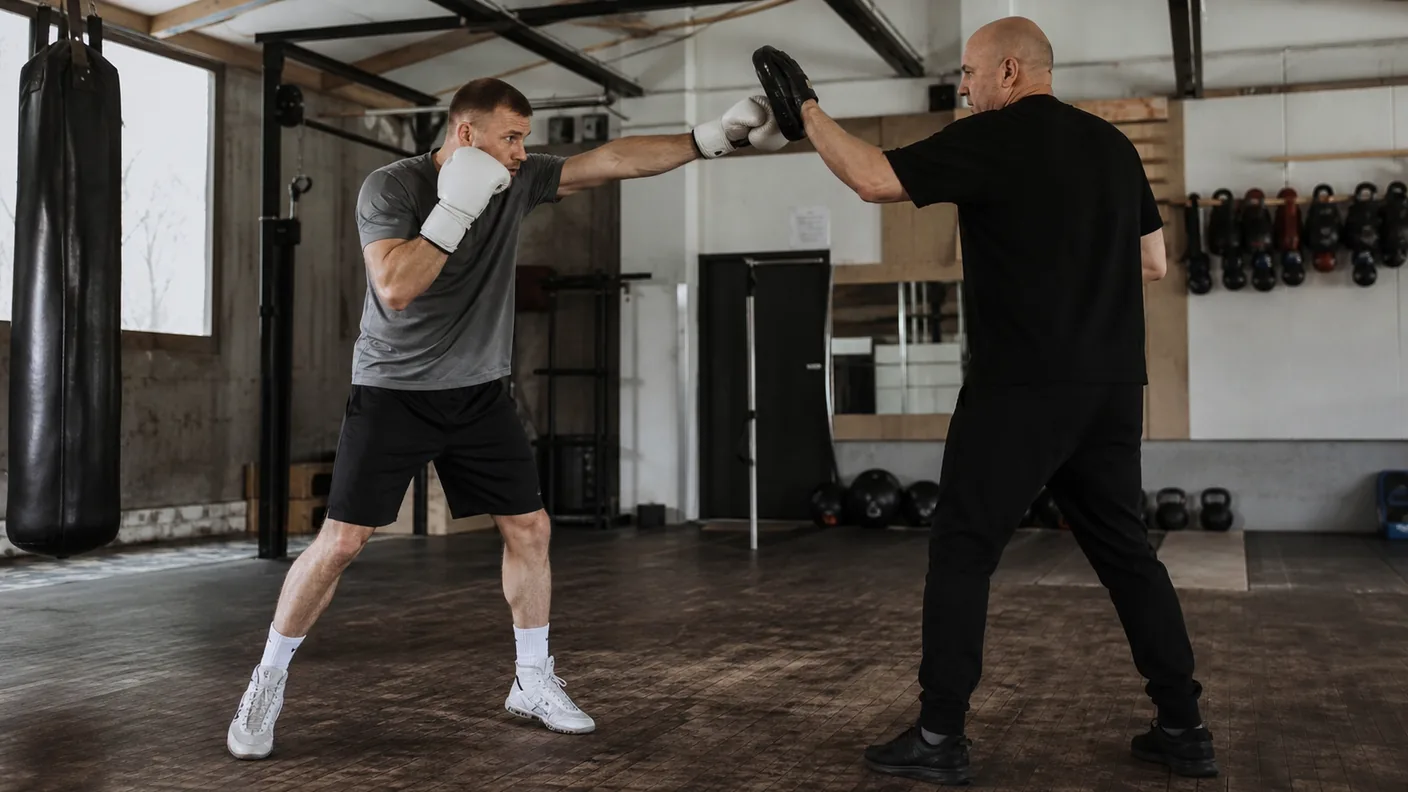
Boxing One-Two Footwork: Step With the Jab
Use a small step with the jab, then set your feet for the cross so a basic one-two stays balanced and useful.
Was this page helpful?
It takes one tap, and it genuinely helps.
Choose your next step
Turn this article into the right action
Some readers are ready to book. Some need the class route first. Pick the route that matches what you actually want.