Boxing Side-Step Drill: Keep Your Stance While Moving
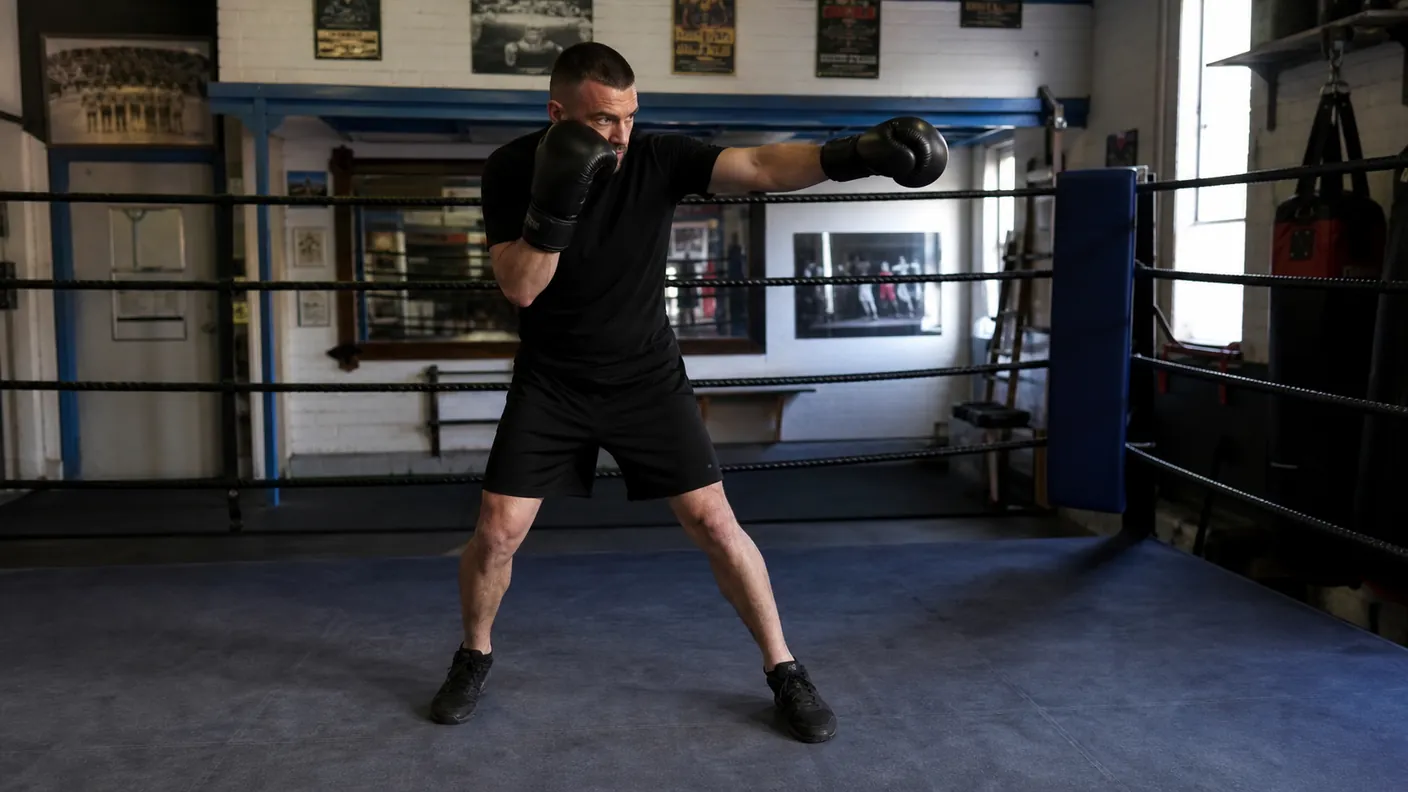
The side step looks too basic to deserve much thought. You move left. You move right. Surely that is all there is to it.
Then it goes wrong in a round. The front foot travels, the rear foot trails behind, the legs cross, and the punch arrives after the feet have stopped. You have moved, but you have not boxed.
A useful side step keeps the stance alive while you move across the floor. It lets you keep someone in front of you, find a new lane for the jab and leave before you get trapped in a straight line. The job is not to cover ground for its own sake. The job is to arrive in a position where your next punch, guard or exit still makes sense.
The short video below shows a clear floor-line pattern for practising that movement. Watch the feet first. The punch is only useful because the stance survives it.
What a boxing side step should do
For an orthodox boxer moving left, the lead foot moves first and the rear foot follows. Moving right, the rear foot moves first and the lead foot follows. A southpaw reverses the lead and rear labels, but keeps the same rule: the foot travelling towards the direction of movement leads, then the other foot restores the stance.
Do not take huge steps. Aim for a calm shuffle that preserves roughly the same width between your feet. If the floor feels crowded after one step, it was probably too large.
The jab can land as the first foot settles. That is the useful part. You are not doing a dance move, then remembering to punch. The foot and jab arrive as one decision, while the second foot follows quickly enough to rebuild the base.
A technical and tactical review of boxing performance describes effective boxing as connected work between punching, movement, distance and defence. That is why a neat side step matters. It is not fitness decoration between combinations. It is how you keep the next action available.
Start with a line on the floor
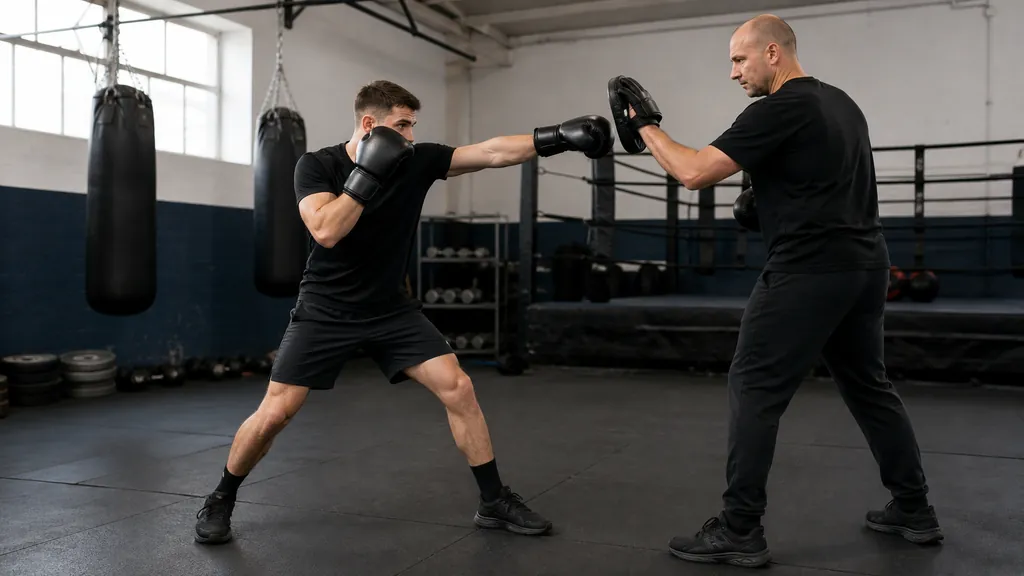
Put a strip of tape on the floor, or use the edge of a floor mat. Stand so the line runs from the toe of your lead foot towards the heel of your rear foot. It is a simple visual check for whether the stance has stayed organised.
Move one small step to the left. The lead foot goes first. As it lands, touch out a light jab. The rear foot follows, returning you to a stance where you could jab, cross or step again without readjusting everything.
Then go back the other way. The rear foot leads. The jab can still go with the first step, but the priority is not speed. Finish with the feet far enough apart that you are not standing on a tightrope.
Do ten slow repetitions in each direction before you add a cross or a faster pace. If the feet cross, reset the stance and make the step smaller.
Do not let the punch drag the feet
This is the common version of the mistake. A boxer sees the mitt, reaches with the jab, then steps after the glove has already landed. The head has gone forward, the front foot is late and the rear foot has nowhere useful to go.
Reverse that order. Let the foot claim the small amount of space first, then let the jab arrive as it settles. The shoulder should still help cover the chin and the rear hand should still be near the cheek. A side step does not make the guard optional.
Moving towards the lead side often feels natural because the lead foot and lead hand are already starting the action. Moving towards the rear side can feel less comfortable at first. Keep the step modest and let the jab stay light.
For more detail on keeping the hands useful while the jab travels, read our guide to how to defend the jab. The same rule applies here: a punch should not leave you exposed because you were too busy reaching to keep your shape.
The three-round side-step drill
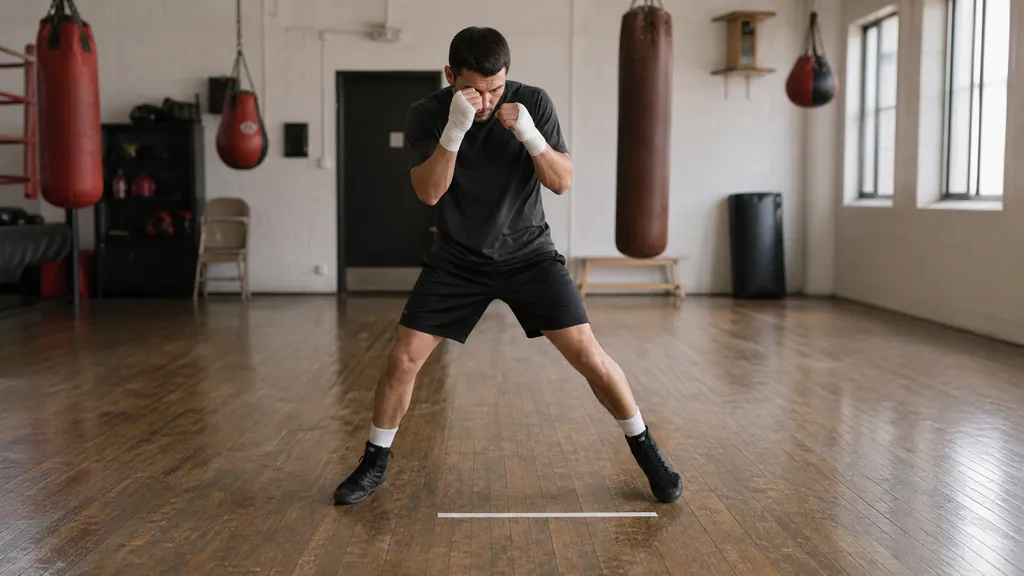
Use this at the start of a technical session, after a light warm-up. It works in shadow boxing, on pads or beside a heavy bag. Start with shadow boxing if the footwork is new. The bag can make people chase a target instead of noticing their stance.
Round one: step and settle
Move left and right along the tape line with no punches. Take one small step, let the second foot follow, then freeze for a beat. If you cannot stop in balance, reduce the distance of the step.
Round two: side step with a jab
Add one light jab as the first foot lands. Bring it straight back to guard. Work for one minute to each side, slowly enough that a coach could pause you after any jab and still see a stance.
Round three: jab, move, choose
Now choose what follows the jab: another small side step, both gloves back to guard, or a controlled cross only when the feet are settled. The movement should give you a better choice, not force the same answer every time.
A review of anticipation in combat sports notes that experienced athletes make better use of early movement information than less experienced athletes. In gym terms, moving sideways is useful because it changes the picture before the other boxer has settled on their own punch. You still need to see what they do next.
Use the side step to keep range, not to run away
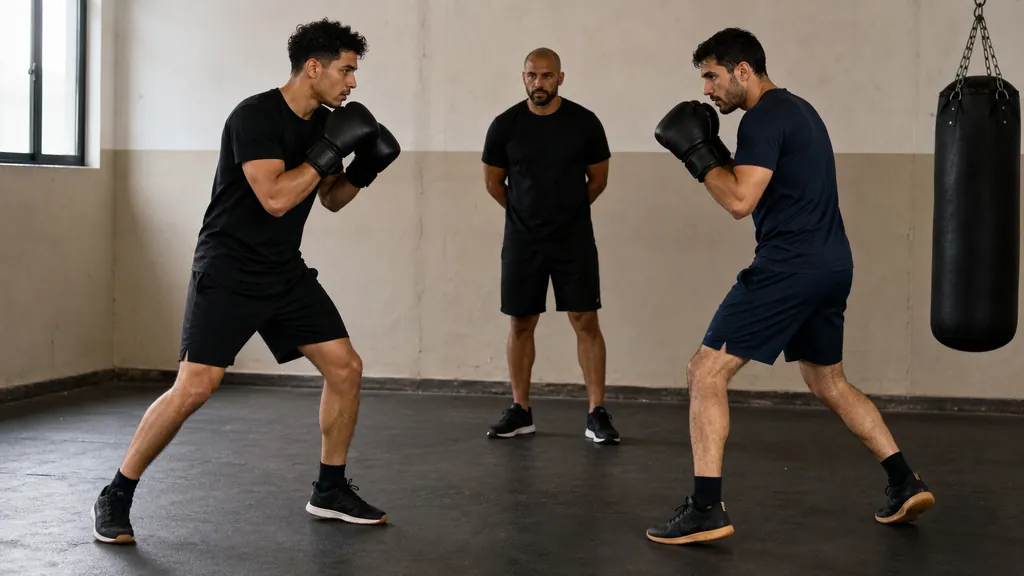
A side step can help you keep someone at the end of the jab, but it is not a magic escape. The better version is small: change the line, give them the jab, bring the guard home, then see whether they follow, reset, reach or stop.
If they follow with a rush, you may need a guard and another exit. If they freeze behind a high guard, the jab may give you room to step in again. If they are backing straight up, you can move with them without crossing your feet or falling onto the front knee.
Our article on the three phases of a boxing exchange explains the wider idea. Your first movement should make the opponent show you something. The side step and jab are not the whole exchange. They are a way of starting it without giving away your balance.
Four mistakes that spoil the drill
- Taking too much ground. A long leap separates the feet and delays the punch.
- Crossing the feet. Make the second foot follow, not race ahead.
- Reaching with the jab. Step into sensible range, then punch from a posture you can recover.
- Treating every move as an attack. Sometimes the right answer is a tight guard and reset.
Make it useful in a real session
For beginners, two or three one-minute rounds are enough. Stop when tired legs make the feet slap across the floor.
For a partner drill, one person holds a single mitt at jab range and moves slowly side to side. The working boxer follows with the same small side step and controlled jab. Keep it technical, with no surprise punches or contest over speed.
At Honour and Glory, our Recreational Adults boxing classes teach footwork and punches as one connected skill. If you are in Kidbrooke, Greenwich or nearby, a coach can help you turn a basic side step into a movement that keeps you balanced and ready to box.
The cue is simple: move, land, restore the stance.
H&G Team
Writer at Honour & Glory Boxing Club, a community boxing gym in Kidbrooke, South East London.
KEEP READING
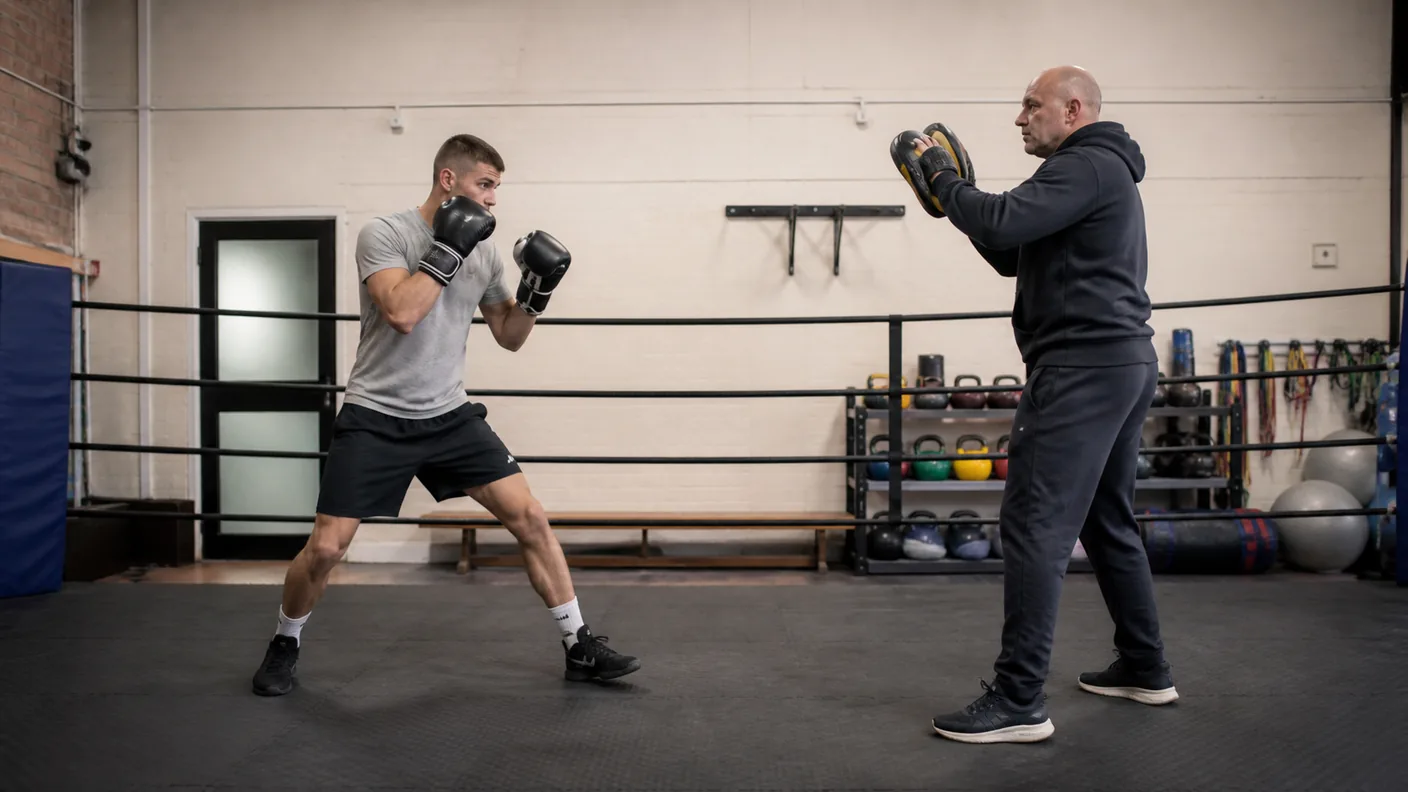
Boxing Side Steps: Move Without Drifting
Use a small boxing side step to leave the centre line without crossing your feet, wasting movement or losing the chance to punch back.
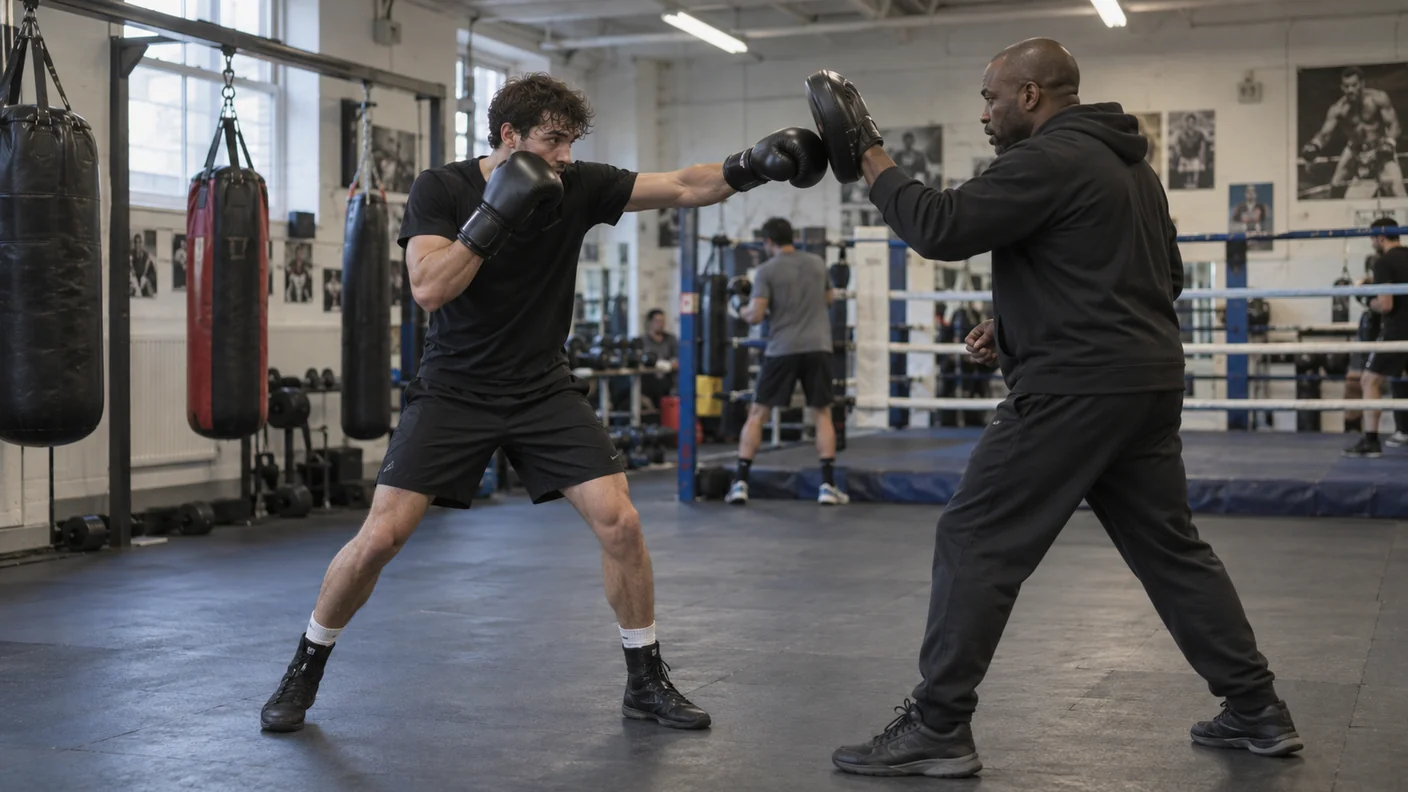
Side-Step Cross: Counter a Jab Without Reaching
Use a compact side-step cross to leave the jab line, keep your stance and make a calm counter when the range is honest.
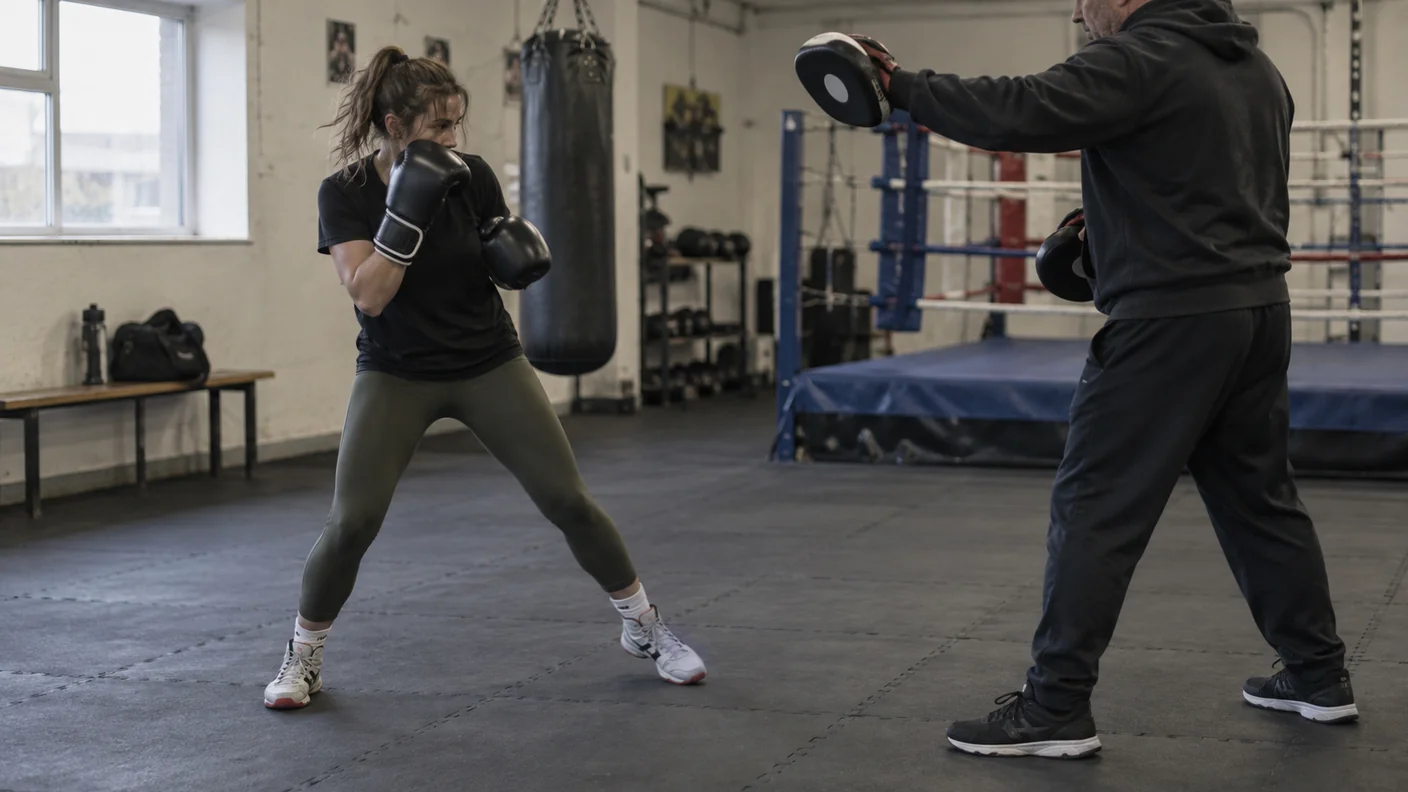
Side-Step Rear Body Cross: A Boxing Counter
Use a small side step to leave a jab line, then place a rear body cross only when your feet and range still support it.
Was this page helpful?
It takes one tap, and it genuinely helps.
Choose your next step
Turn this article into the right action
Some readers are ready to book. Some need the class route first. Pick the route that matches what you actually want.