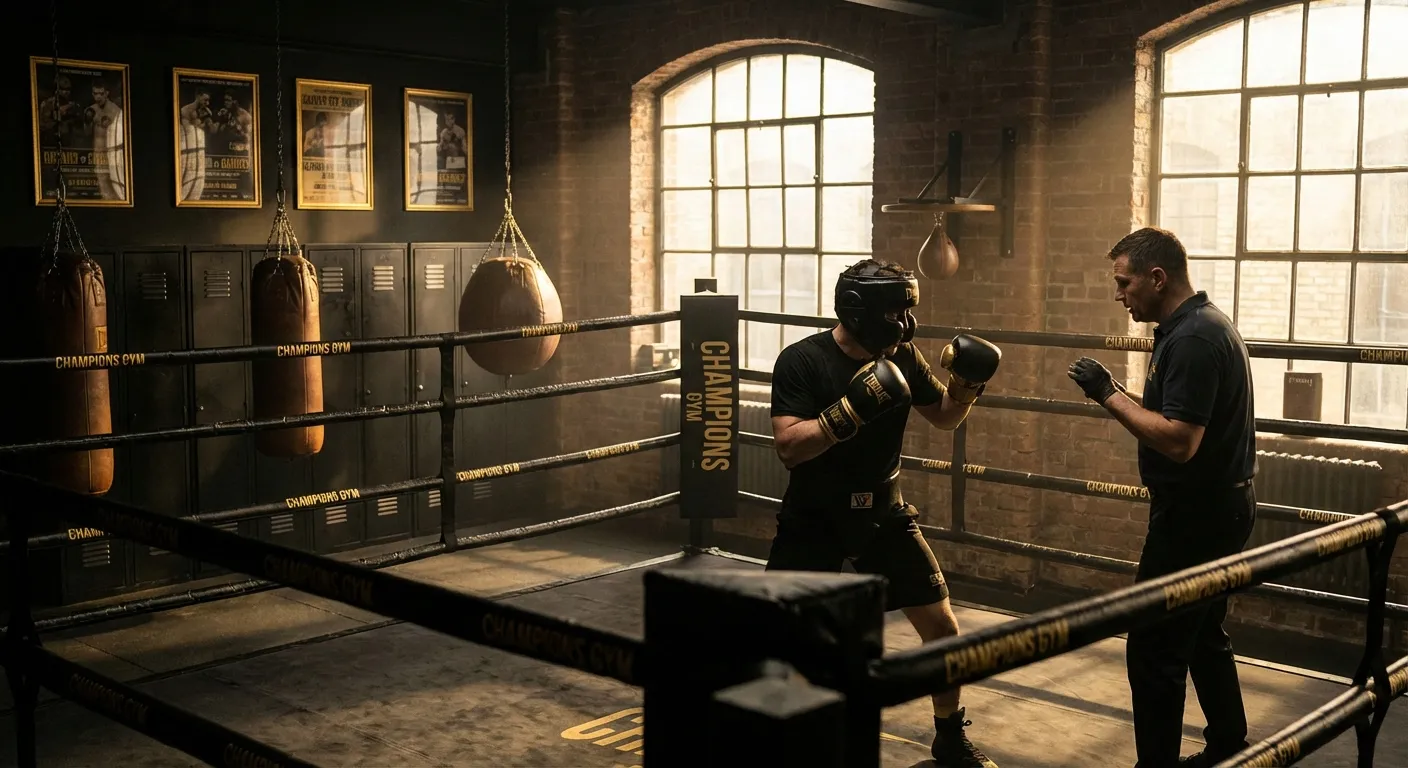
Research on non-contact boxing training for fitness confirms significant cardiovascular and coordination benefits independent of sparring. England Boxing's non-competitive pathway formally recognises recreational-only boxing as a valid and growing participation category.
The question comes up regularly: if you never spar and never compete, are you really boxing? Is it worth training seriously if you have no intention of putting on gloves and standing opposite someone?
The honest answer: yes, absolutely. And the people who think otherwise are misunderstanding what boxing training actually is.
What Non-Sparring Boxing Training Involves
A recreational boxer who attends three sessions per week and has no intention of competing gets, over a year:
Approximately 150 hours of high-intensity exercise producing significant cardiovascular and muscular improvements.
Technique development on bags, pads, shadow boxing, and drills. These provide a physically and mentally demanding skill practice that continues to develop indefinitely.
Coaching relationships and community. The gym environment and the people in it.
The mental health benefits - stress relief, mood improvement, anxiety reduction, sleep quality - that come from consistent high-intensity training.
What they do not get: the specific experience of hitting and being hit by another person under competitive conditions. This is real and really different.
But it is one element of boxing, not the whole sport. Most recreational sport participation does not involve competition. Most recreational swimmers never compete. Most recreational cyclists never race. The recreational footballer playing five-a-side on a Tuesday evening with colleagues is not a lesser participant than the competitive player.
What the Bag and Pads Provide
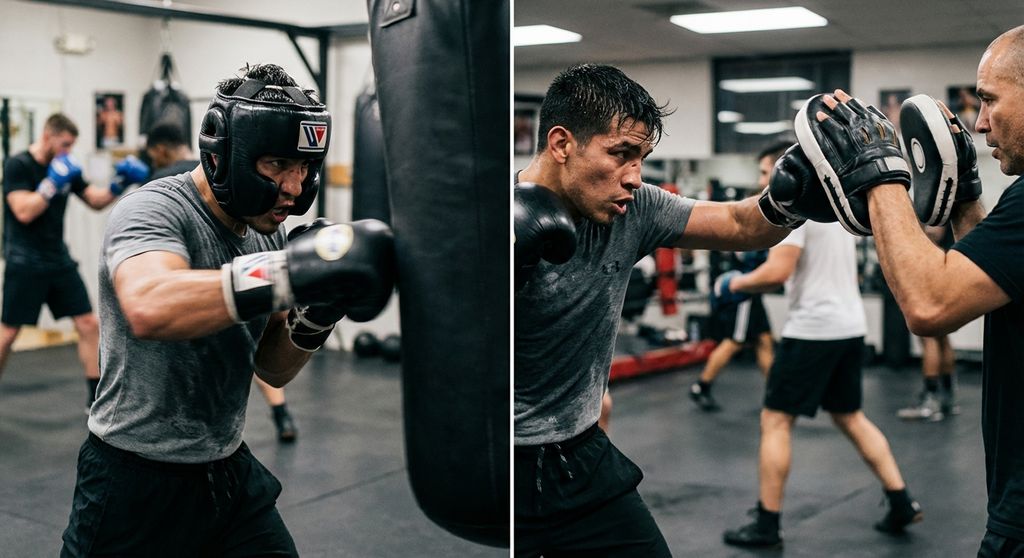
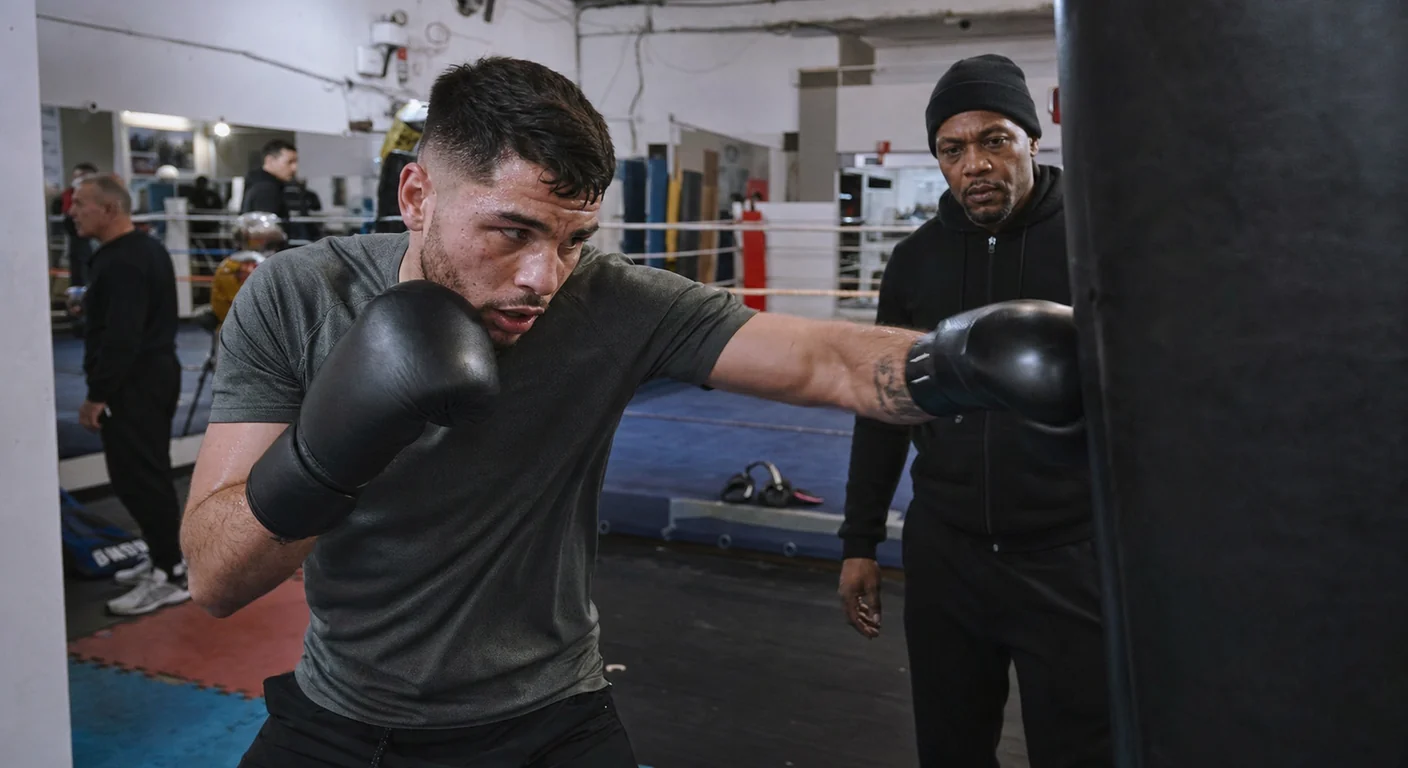
The heavy bag is a genuine training tool. Professional fighters use it throughout their careers. It develops power, accuracy, conditioning, and the rhythm of combination work.
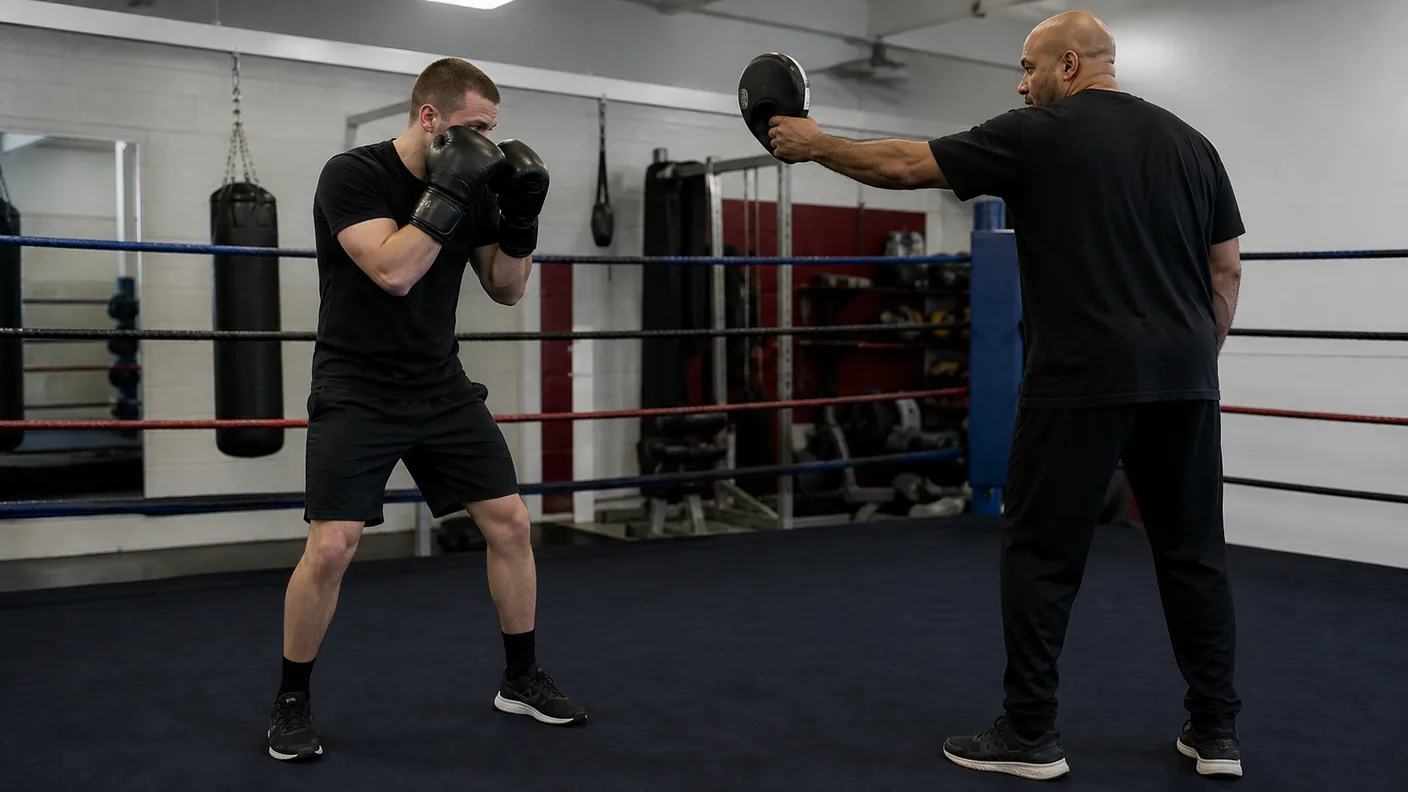
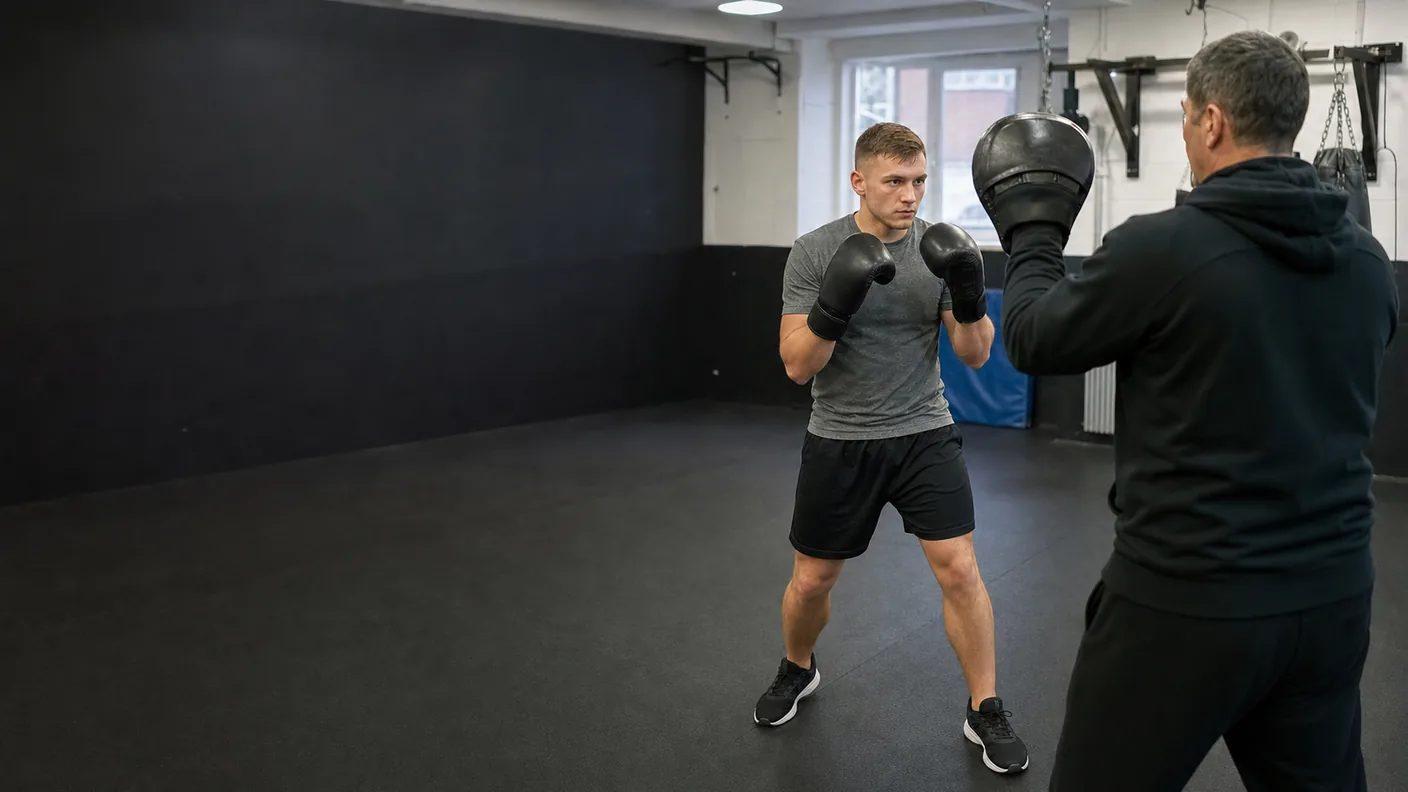
Pad work with a good coach provides dynamic target practice - moving pads that the person must time and aim for, with a partner who can adjust the difficulty and provide immediate feedback. This is different from sparring but it is not a diminished version of it. It is a distinct training methodology with its own value.
Shadow boxing - developing and refining technique without any external target - is one of the most important tools in boxing training. Professionals shadow box for significant portions of their training time.
Who Non-Sparring Boxing Is Right For
Non-sparring recreational training is appropriate and complete for:
People who want the fitness and mental health benefits of boxing without the competitive element.
People who have no interest in competition but enjoy skill development.
People whose circumstances (age, health, professional risk factors) make the contact element inappropriate.
People who might eventually want to spar but are not ready yet.
The coaches at Honour and Glory support all of these situations. Nobody is pushed toward sparring. The training is fully valuable without it.
H&G Team
Writer at Honour & Glory Boxing Club, a community boxing gym in Kidbrooke, South East London.
KEEP READING
Creep Into Boxing Range Without Reaching
Use small, patient steps to close boxing range without lunging, losing your stance or handing an opponent an easy counter.
Why You Close Your Eyes in Boxing
Closing your eyes when punches come near is common for beginners. Here is how calm, coached drills help you keep seeing the work.
Heavy Bag Work That Transfers to Sparring
The heavy bag builds power, but only if you add defence, feints, distance and clean technique instead of treating it like furniture.
Was this page helpful?
It takes one tap, and it genuinely helps.
Choose your next step
Turn this article into the right action
Some readers are ready to book. Some need the class route first. Pick the route that matches what you actually want.