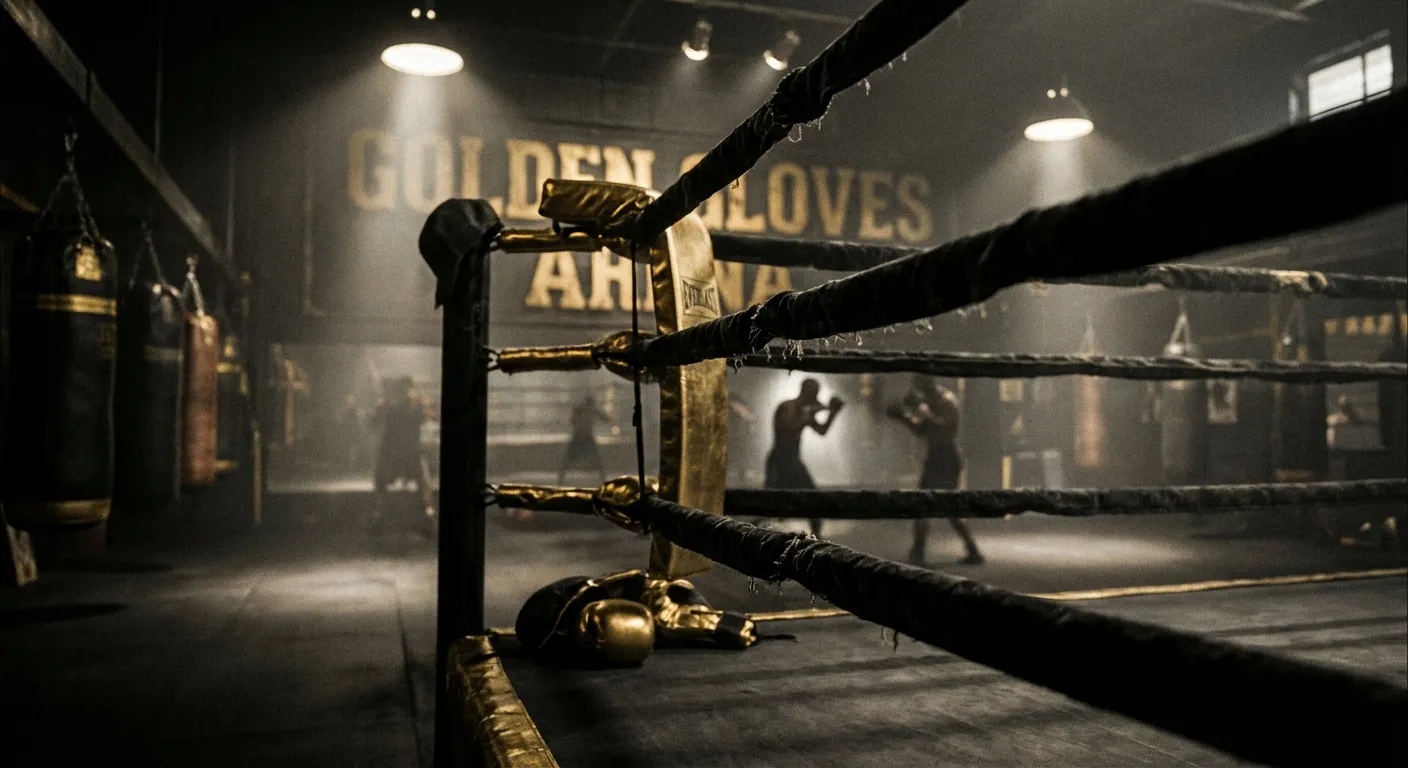
A knockout looks like a moment. One punch, one fall, sudden ending. The television replays loop the same two seconds until it seems like the whole fight was about that instant.
It never is. Every spectacular knockout was set up by everything that came before it. Understanding what created the conditions for the punch is more instructive than the punch itself.
Here are some of the most significant knockouts in boxing history and what actually made them possible.
Joe Louis vs Max Schmeling II (1938)
Two minutes and four seconds. That is how long the rematch lasted before Louis knocked Schmeling out.
The first fight, two years earlier, Schmeling had knocked Louis down and won on points. He had identified that Louis dropped his left hand after throwing a jab, leaving himself open to the overhand right. He exploited it repeatedly.
What changed in the rematch?
Louis fixed the problem. He corrected the defensive lapse, and he took the fight to Schmeling from the opening bell with an intensity that left no room for Schmeling's tactical approach to work. The knockout punches themselves were a left hook to the body and a right to the chin - but it was the speed and pressure of Louis's attack that made them land.
The technical lesson: correcting a known weakness between fights is not just about the specific shot. It changes the entire dynamic.
Rocky Marciano vs Jersey Joe Walcott I (1952)
Marciano was behind on all three scorecards when he landed the right hand that ended the fight in the thirteenth round. Walcott had a significant lead and was boxing beautifully.
Marciano landed because Walcott had started to relax. Leading on points in the thirteenth, Walcott positioned himself against the ropes - not a panic retreat, but a confident, controlled position. He believed the fight was won.
Marciano threw a short right hand. Walcott had lowered his guard marginally. The punch landed on the chin at close range.
The technical lesson: a fight is not over until it is over. Walcott's tactical error was psychological as much as physical - leading on points, he stopped fighting to win and started fighting not to lose.
Muhammad Ali vs Sonny Liston (1965) - The Phantom Punch
Controversial, but the punch that knocked Liston down in the first round of the rematch was real.
It was short - barely visible on most camera angles, which is why it was called phantom. But what made it effective was that Ali threw it while moving laterally, generating rotational force that does not register visually as a big punch but absolutely lands with significant power.
Liston was also in a position where he was moving into the punch rather than away from it, adding their combined momentum to the impact.
The technical lesson: knockout punches do not have to look like knockout punches. Position and timing matter more than the size of the wind-up.
George Foreman vs Michael Moorer (1994)
Foreman was 45 years old, a 10-1 underdog, and had not held a world title in 20 years (source).
He won by knockout in the tenth round.
How? By doing the same thing all night until Moorer stopped respecting it.
Foreman threw the same right hand hundreds of times across ten rounds. In the early rounds it was not landing cleanly. Moorer was moving, Moorer was winning, and at some point Moorer stopped worrying about that right hand because it had not hurt him.
The tenth round, Foreman landed it cleanly. Moorer had seen it so many times that his guard had adapted - he was not moving away from it properly.
The technical lesson: persistence with a specific punch is itself a setup. You are not just throwing for effect. You are conditioning the opponent to expect and adjust until the moment they under-adjust.
Floyd Mayweather vs Ricky Hatton (2007)
Hatton was a forward-pressing, high-work-rate fighter who had never been stopped professionally. Mayweather knocked him out in round ten.
The setup: Hatton pressed forward constantly, which was his style. Mayweather used lateral movement to stay out of range. But instead of moving backwards in a straight line - where Hatton's pressure would be most effective - Mayweather moved to angles.
When Hatton committed to a big right hand, Mayweather was already pivoting off the ropes to Hatton's right. Hatton was square, over-extended, and Mayweather threw a check left hook. The punch landed flush.
The technical lesson: movement is not just about avoiding punches. Moving to angles sets up punching opportunities that do not exist at 0 degrees (source).
Tyson vs Spinks (1988)
Ninety-one seconds, beginning to end.
Spinks was undefeated and considered by many to be the better technical boxer. He was also clearly intimidated before the fight started, and Tyson knew it.
Tyson's approach was to attack from the opening bell with maximum intensity. He did not allow Spinks to settle into any kind of rhythm. Every time Spinks attempted to move or set his feet, Tyson was already throwing.
The knockout punch itself was a right hook to the body that forced Spinks to lower his guard, followed immediately by a right uppercut to the chin.
The technical lesson: psychological pressure before and during a fight is part of the technical toolkit. Spinks was beaten before the bell.
What These Knockouts Have in Common
Every knockout in this list was preceded by either a tactical error from the fighter who got knocked out or a tactical setup from the fighter who delivered it - usually both.
No fighter in history got knocked out by a punch they were properly positioned to defend against. The punch only landed because something else happened first: a guard dropped, a position was compromised, a pattern was repeated until it stopped being respected.
This is why studying knockouts is instructive for training. You are not watching the punch. You are watching the series of decisions and positions that made the punch possible.
If you want to understand boxing technique at a deeper level, the Adult Recreational classes at Honour and Glory involve real coaching and not just pad work. Our ABA/Alliance-credentialed coaches take technique seriously.
H&G Team
Writer at Honour & Glory Boxing Club, a community boxing gym in Kidbrooke, South East London.
KEEP READING
The Greatest Upsets in British Boxing History
British boxing has produced some of the most dramatic upsets in the sport's history. Each one tells a story about preparation, complacency, and what happens when everyone is wrong.
The Greatest Boxing Trainers Who Never Fought
Angelo Dundee never had a professional fight. Cus D'Amato barely threw a punch in competition. Yet between them they produced Ali, Tyson, and Leonard. The best boxing coaches prove that understanding the game matters more than playing it.
The Colour Line: The Champions Boxing Turned Away
For half a century the best Black boxers were barred from world title shots. This is what the colour line was, who it stopped, and how those men stand in our all-time rankings.
Was this page helpful?
It takes one tap, and it genuinely helps.
Choose your next step
Turn this article into the right action
Some readers are ready to book. Some need the class route first. Pick the route that matches what you actually want.