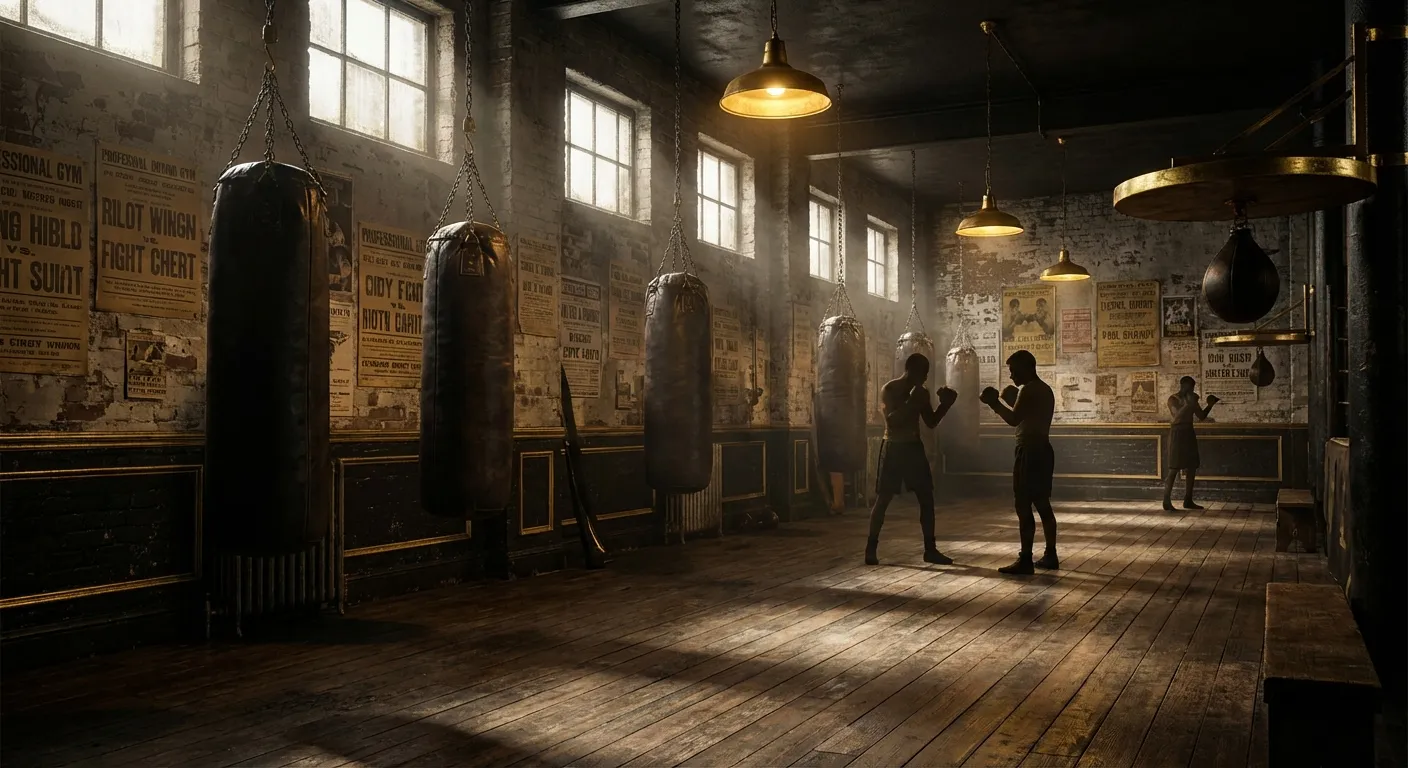
Historical fight records provide the verified statistics and rankings for historical upset results. Wikipedia's list of boxing upsets documents the context and odds for major upsets in British boxing history.
An upset in boxing is more instructive than a comfortable win. When the favourite loses, it is because something failed - preparation, tactics, physical condition, mental state. And when the underdog wins, it is because something exceptional happened.
Here are the great upsets in British boxing history, with the analysis that the straight result does not give you.
Randolph Turpin beats Sugar Ray Robinson (1951)
Robinson came to Britain in 1951 as the best pound-for-pound boxer in the world. He had held the world welterweight title for years and had just won the middleweight championship. He was on a European tour, essentially doing exhibition business, and treated the Turpin fight as one more date on the calendar.
Turpin was from Leamington Spa, mixed-race in a Britain that was not always welcoming, and had worked his way to British and European titles without attracting particular international attention. He was not considered a serious threat.
The fight at Earls Court was extraordinary. Turpin imposed his physical strength and his unorthodox style - a wide stance, unusual guard, shorter punching than Robinson had encountered - on a fighter who had not prepared seriously. Robinson was cut. He was dominated. He lost on points.
The lesson: Robinson was a better fighter and proved it in the rematch two months later. But the first fight showed what happens when exceptional talent meets complacency. Turpin was not an accident.
James "Lights Out" Toney beats Michael Nunn (1991)
Toney was British-eligible through his mother and has competed in Britain at various points. The Nunn fight was in America but shaped British boxing's understanding of Toney's talent.
Nunn was IBF super-middleweight champion, undefeated in 36 fights, considered one of the most talented boxers in the world. Toney was a 5-1 underdog.
Toney knocked Nunn out in the eleventh round with a right hand that Nunn did not see coming because he had not been shown one like it before.
The tactical lesson here: Toney had watched Nunn's habits carefully. He knew that Nunn dropped his left hand after throwing his jab - slightly, barely perceptibly. Toney worked behind his own jab all night, staying patient, and the moment Nunn gave him the opening, the punch landed.

Joe Calzaghe vs Jeff Lacy (2006)
Lacy came to Cardiff as IBF super-middleweight champion, undefeated, and one of the most physically intimidating fighters in the weight class. He was expected by most American and British boxing media to outpower Calzaghe.
The result was one of the most thorough performances in British boxing history. CompuBox recorded Calzaghe landing 351 punches to Lacy's 116, and Lacy had nothing for any of them.
What made it an upset - aside from media expectation - was the stylistic mismatch everyone predicted would favour Lacy. He was the pressure fighter, the big puncher. Calzaghe was the high-volume technician. Conventional wisdom said pressure would shut down volume.
The reality was that Calzaghe's speed was something Lacy had never encountered. The pressure fighter could never close distance when the counter-puncher moves as fast as Calzaghe did.
Ricky Hatton vs Konstantinos Tszyu (2005)
Tszyu was widely considered one of the two or three best pound-for-pound fighters in the world at the time. He had dominated the light-welterweight division for a decade and had not been seriously troubled in years.
Hatton was British, popular, aggressive, and given no serious chance by international boxing commentators.
The fight went twelve rounds with Hatton pressing forward all night and Tszyu, exhausted in his corner after the eleventh, not coming out for the twelfth.
The lesson: Tszyu did not lose to a better boxer in any traditional technical sense. He lost to conditioning and pressure. Hatton was in extraordinary shape and the pace he set was one Tszyu had simply never needed to deal with before. When your preparation has never been seriously tested, one exceptional test can expose its limits.
Nigel Benn's comeback wins
Benn lost badly to Chris Eubank in 1990 and was widely considered finished as a world-level fighter. He was stopped and dominated.
He came back and won two world titles, including a memorable fight with Gerald McClellan in 1995 that was both heroic and harrowing. The McClellan fight was not an upset in the conventional sense - both fighters were considered elite. But Benn's presence there at all, after the Eubank defeat, was itself improbable.
What the Benn story illustrates is that a single loss, even a thorough one, does not define what someone is capable of. The context of a defeat - who you were facing, what was happening in your preparation, where you were in your development - matters enormously.
What Upsets Teach Us
Every major upset in boxing history has a rational explanation after the fact. The result that seemed impossible turns out to have been probable once you understand what happened.
Complacency in the favourite. Exceptional preparation in the underdog. A tactical plan that exposed a specific weakness. Physical conditioning that outlasted superior technique.
None of these are random. They are all things that can be prepared for and prepared against.
For anyone training at Honour and Glory, the relevant lesson is simpler: the outcome is not determined by reputation. It is determined by what you do in the gym before you walk into any situation where it matters.
H&G Team
Writer at Honour & Glory Boxing Club, a community boxing gym in Kidbrooke, South East London.
KEEP READING
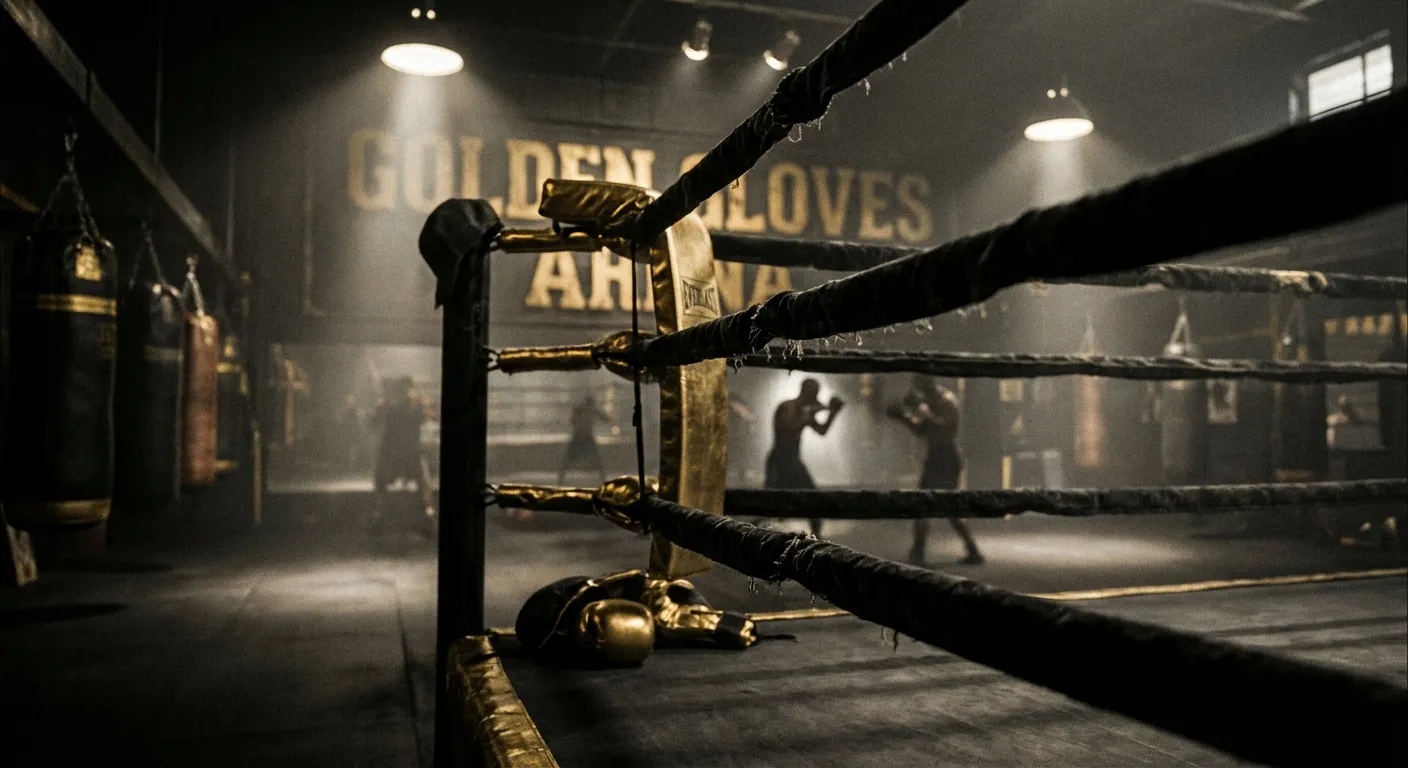
The Greatest Boxing Knockouts in History
The greatest knockouts in boxing history were not lucky punches. Each one was the result of specific technical and tactical conditions. Here is what made them happen.
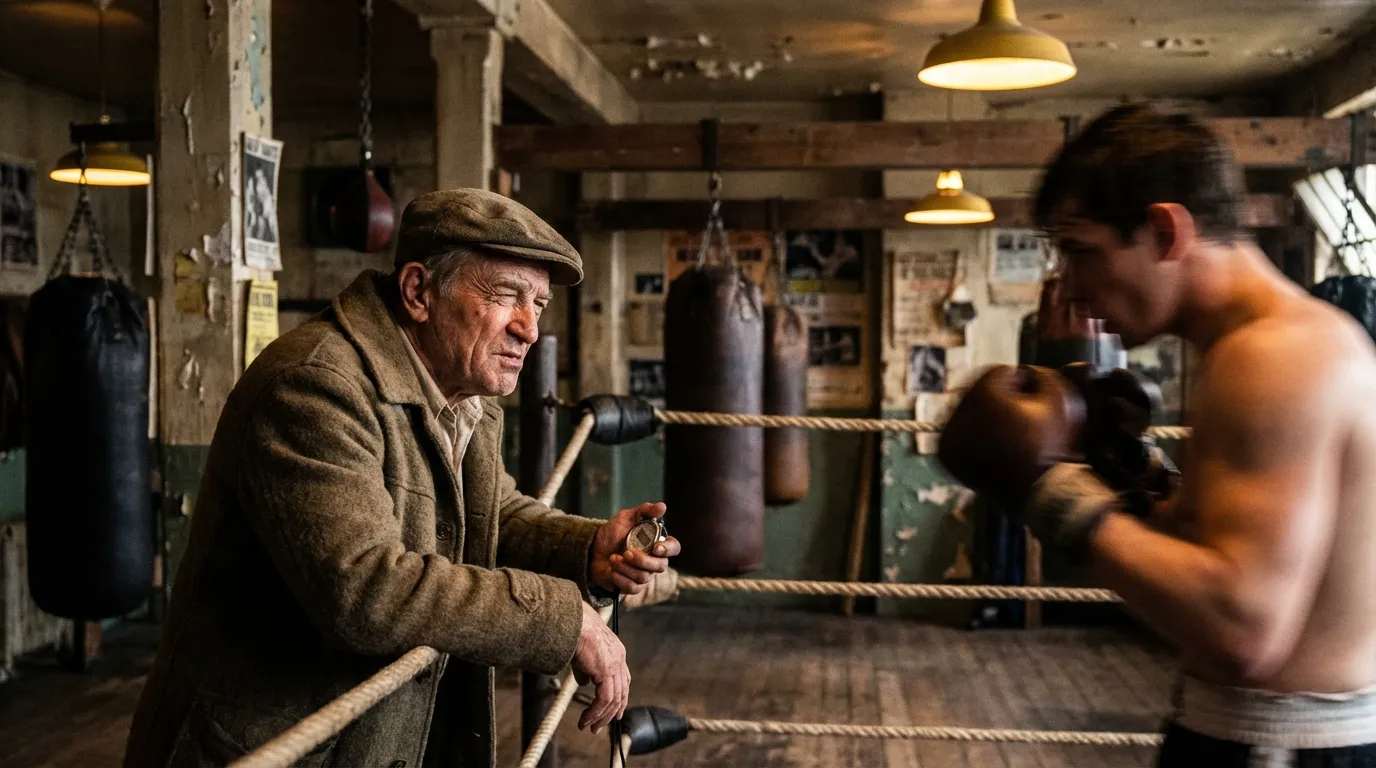
The Greatest Boxing Trainers Who Never Fought
Angelo Dundee never had a professional fight. Cus D'Amato barely threw a punch in competition. Yet between them they produced Ali, Tyson, and Leonard. The best boxing coaches prove that understanding the game matters more than playing it.
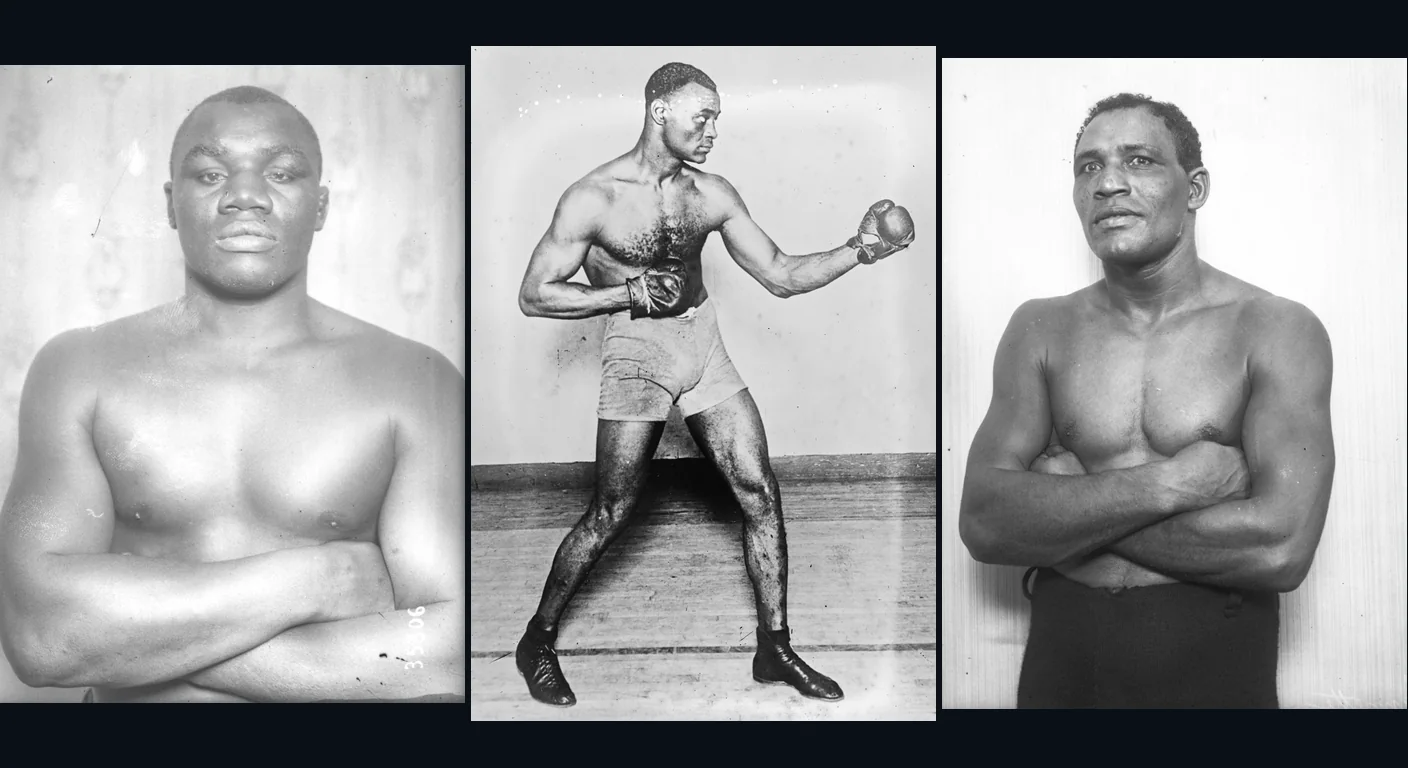
The Colour Line: The Champions Boxing Turned Away
For half a century the best Black boxers were barred from world title shots. This is what the colour line was, who it stopped, and how those men stand in our all-time rankings.
Was this page helpful?
It takes one tap, and it genuinely helps.
Choose your next step
Turn this article into the right action
Some readers are ready to book. Some need the class route first. Pick the route that matches what you actually want.