Fury vs Joshua: why the jab could decide the fight
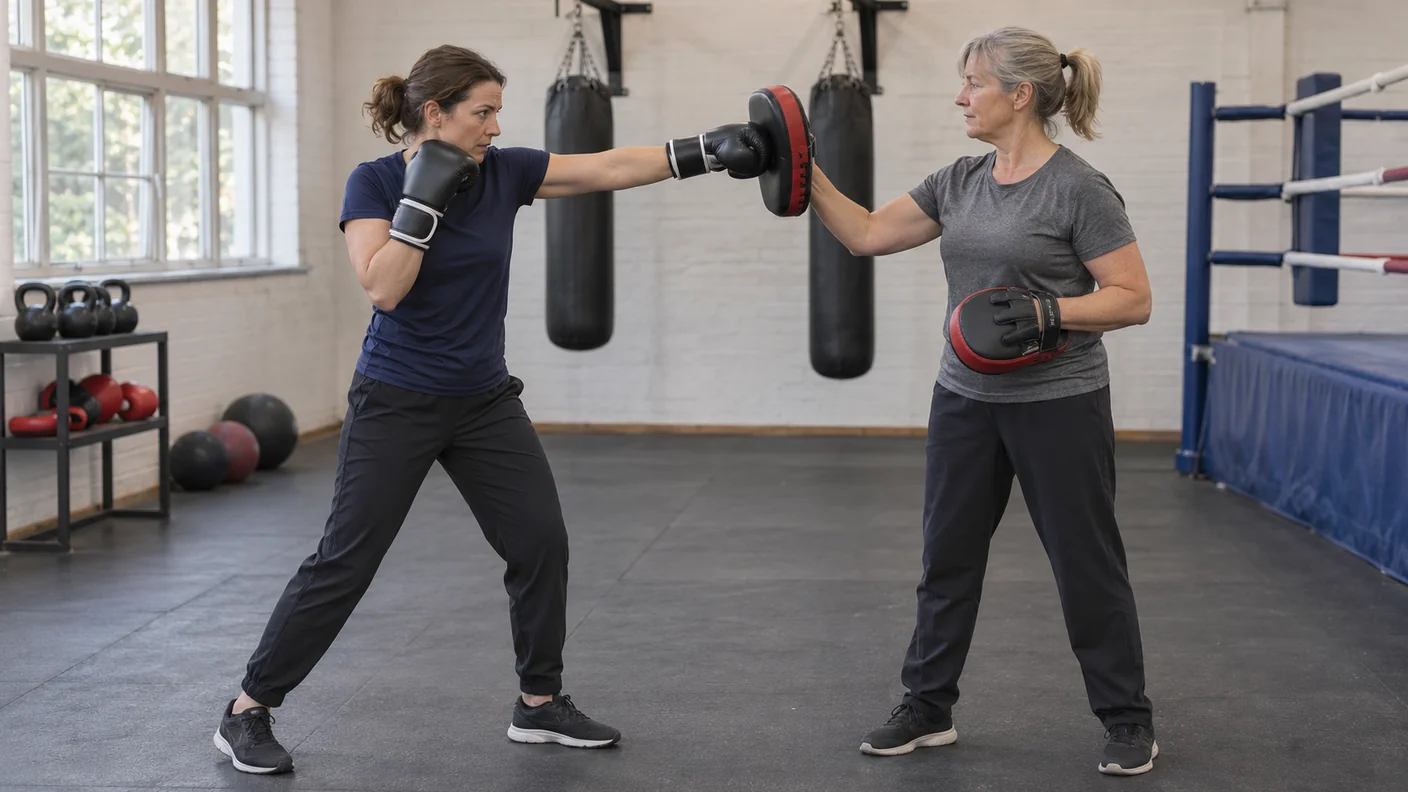
The jab could decide who gets time to set up the stronger punches and who keeps having to defend or reset. If Tyson Fury makes Anthony Joshua deal with the lead hand just as Joshua is about to throw his right, Fury has taken away an attacking turn. If Joshua makes Fury defend before he can jab again, Joshua can take that turn back.
Matchroom lists the bout for Friday 11 December 2026, with the Netflix announcement naming the Principality Stadium in Cardiff as the venue. This is our tactical reading of the routes each boxer might take, not either camp's confirmed plan or a prediction. For the bigger picture, read our take on why Fury vs Joshua matters to British boxing.
The jab can win time without landing cleanly
A jab is a straight punch with the front hand. Think of it as a question the other boxer has to answer. He might catch it on a glove, knock it aside, give ground or throw back. If the jab arrives just as he is preparing something of his own, even a comfortable block can cost him the chance to throw it.
Suppose Fury touches Joshua's guard and Joshua has to abandon a right hand he was about to set up. That is a useful jab, not a clean scoring punch. The distinction matters in both directions: Joshua might block the first jab and then land his own, making Fury's opening move the least important punch in the exchange.
Fury's route: keep Joshua waiting for the next lead
Fury could benefit from making similar first movements lead to different exchanges. A light, exploratory jab might draw a catch. A more committed one from the same guard gives Joshua a reason to keep taking the first movement seriously. If a second jab sometimes follows straight away and sometimes comes after a pause, Joshua has to decide when his turn starts.
Queensberry lists Fury's reach at 85in and the WBA lists Joshua's at 82in. That is a 3in difference in listed reach, not an extra 3in on one arm or a measure of effective jab range. It helps Fury only if the exchanges let him use it without reaching himself. Our Fury vs Joshua tale of the tape covers what the measurements can and cannot tell us.
The sign that this is working would be Joshua still waiting when Fury is ready to punch again. That wait gives Fury a choice: lead again, set up a stronger shot or leave the exchange on his terms. If Joshua is already answering by the time Fury gets his glove back, the same opening jab buys Fury much less.
Joshua's route: make the first jab cost Fury a turn
Joshua does not need to win a contest at full extension. A timely jab of his own can make Fury defend instead of throwing the second punch. Another possible route is to let Fury commit to the first jab and answer while Fury is recovering. The distinction is between choosing to wait for a particular punch and waiting because Fury has not let him do anything else.
For Joshua, holding out for the perfect right hand would leave Fury free to ask the first question again. A jab to a legal target on the torso would give Fury a different one. But if Joshua reaches down and leaves himself open upstairs, he has traded one problem for another. The value of changing target is what it makes Fury do next, not simply that the glove went somewhere different.
The second jab tells you more than the first
Picture Fury throwing two jabs close together in one exchange. The next time, he shows the same first jab but leaves a gap before the second. If Joshua moves his glove early to catch a punch that has not come, the pause has revealed something. If Joshua keeps his guard compact and does not commit, the same pause may buy Fury nothing.
Joshua can ask the same question. If he hints at a jab and Fury repeatedly gives ground before a punch is thrown, Joshua has changed the exchange without throwing a shot. If Fury holds his position and stays ready to answer, the feint has not earned a follow-up by itself. One reaction is a clue; the same reaction under similar conditions is worth much more.
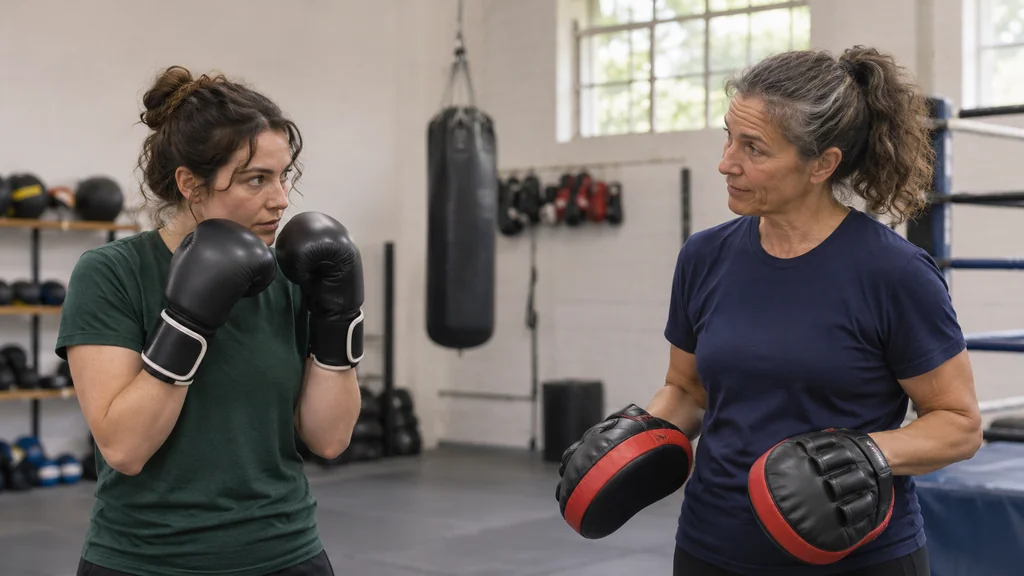
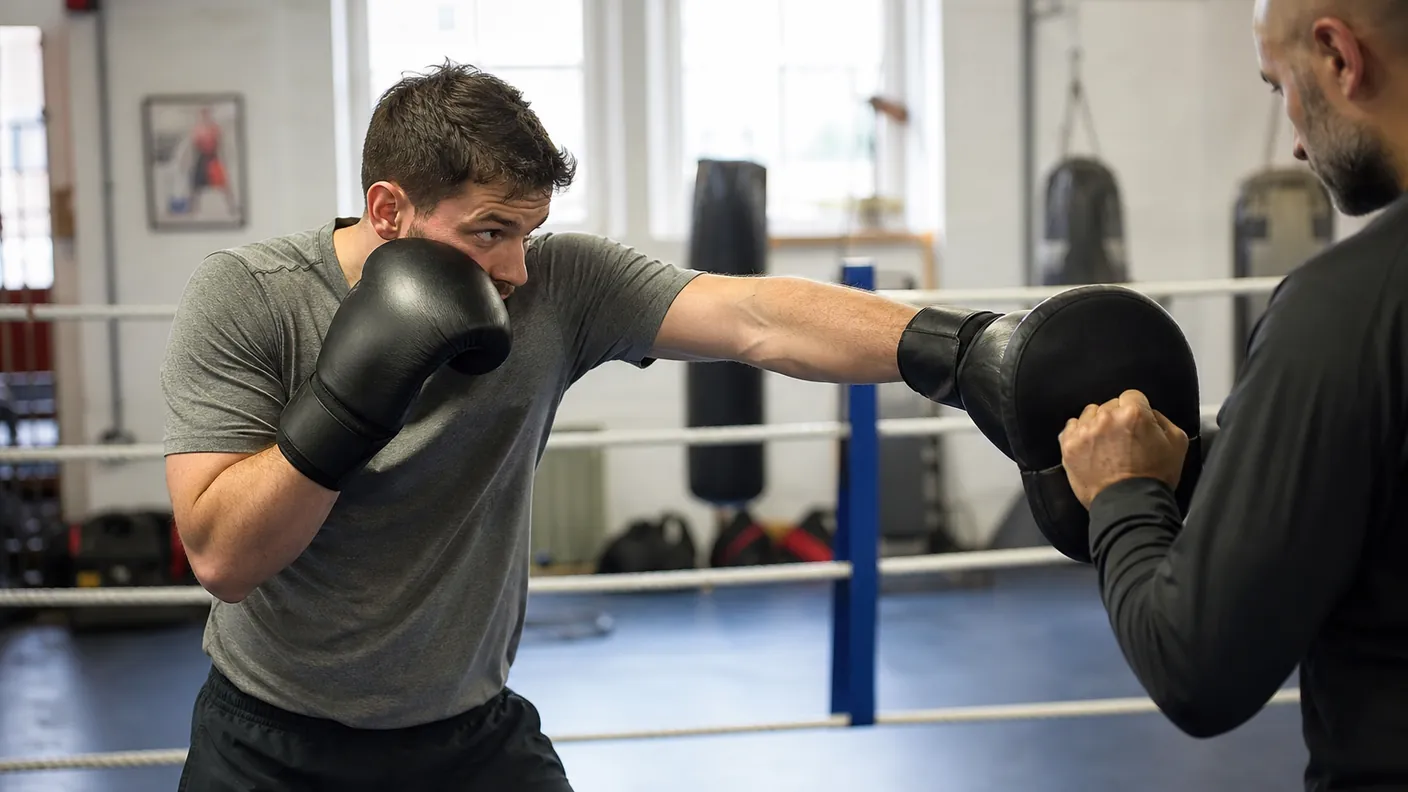
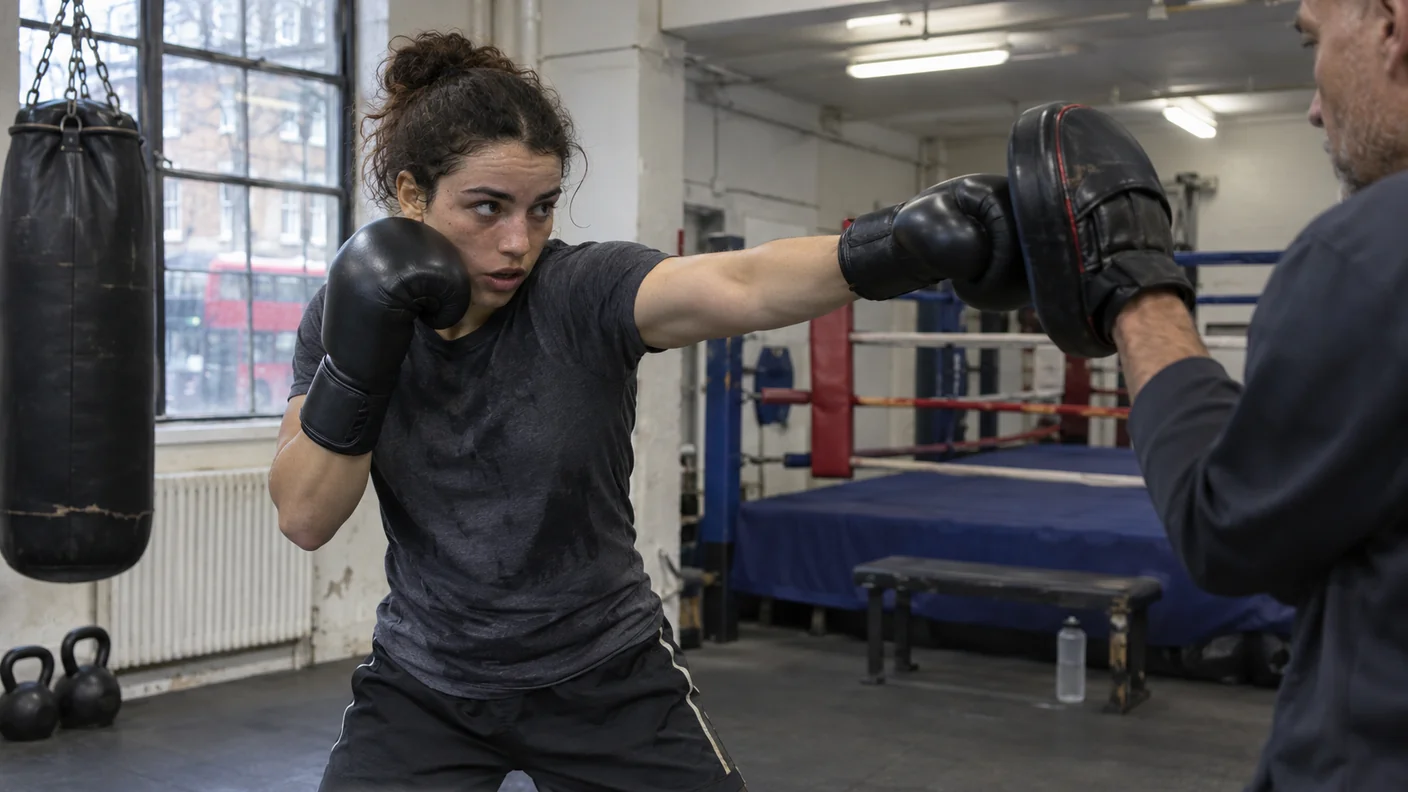
The images are illustrations, not photographs of the fighters or the Cardiff event.
Watch the glove on its way back
The England Boxing coaching handbook describes the jab as a way to judge range and interrupt an opponent's preparation. It stresses keeping the rear hand in guard and returning the lead promptly. It also notes that a small parry can leave the lead hand free to counter, while reaching for the parry or leaving the jab extended can create an opening.
If Fury repeatedly throws a single jab at the same beat, Joshua has a chance to time the return rather than race the outgoing glove. The reverse is true if Joshua starts his replies the same way each time. And a big parry, where the defender sweeps the jab well aside, may look emphatic while leaving the defender in a worse position for the next punch.
Watch the exchange until both men are ready again. A jab can land and still leave the boxer who threw it dealing with the better reply. Equally, a jab that falls short may tell you very little if neither man is in position to follow up.
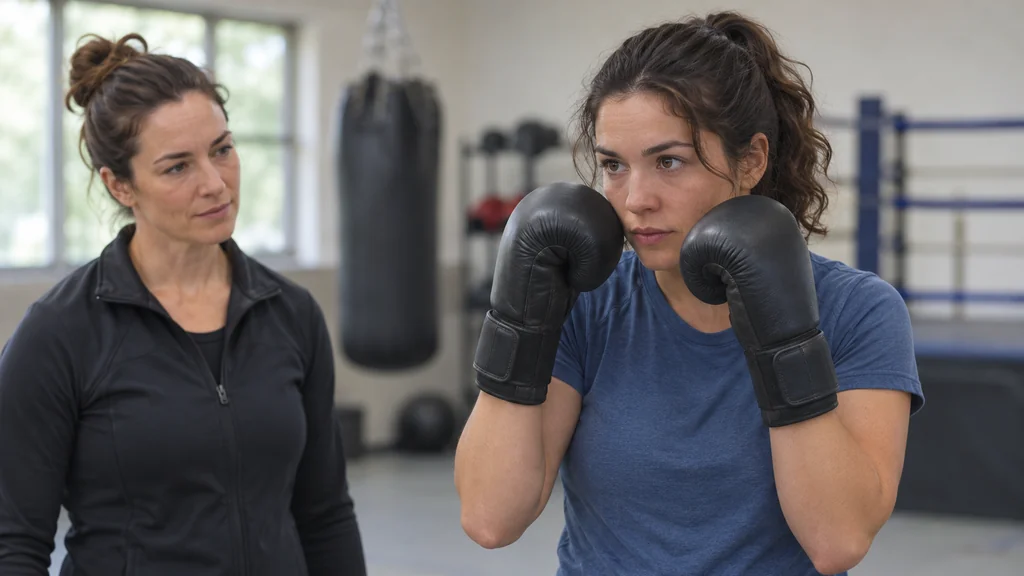
Three things to watch in the quiet exchanges
- Who can start with a jab without having to reach?
- Whose feint makes the other man move a glove before there is a punch to stop?
- After the first jab is defended, who is ready to throw the next one?
The answers may change as soon as one man closes the distance or changes the tempo. The boxer who gets the last word in the early lead-hand exchanges may not keep it once the other adapts. That is why the jab matters here: it can decide who gets to start the next exchange on his own terms, without deciding the whole fight on its own.
Try the timing lesson on pads
Ask a coach to present one focus mitt at an easy pace. Jab once, lightly, at the held mitt and bring your glove back to guard. The coach can vary the pause or leave the mitt down altogether. If there is no target, stay in guard. There is no head contact and no need to practise the counters from the fight. For more on the cues that give a punch away, see our guide to telegraphing the jab.
Our Adult Recreational boxing class is for ages 17 and over. Competitive sparring is not required. Honour and Glory is at 122 Broad Walk, Kidbrooke, London SE3 8ND.
H&G Team
Writer at Honour & Glory Boxing Club, a community boxing gym in Kidbrooke, South East London.
KEEP READING
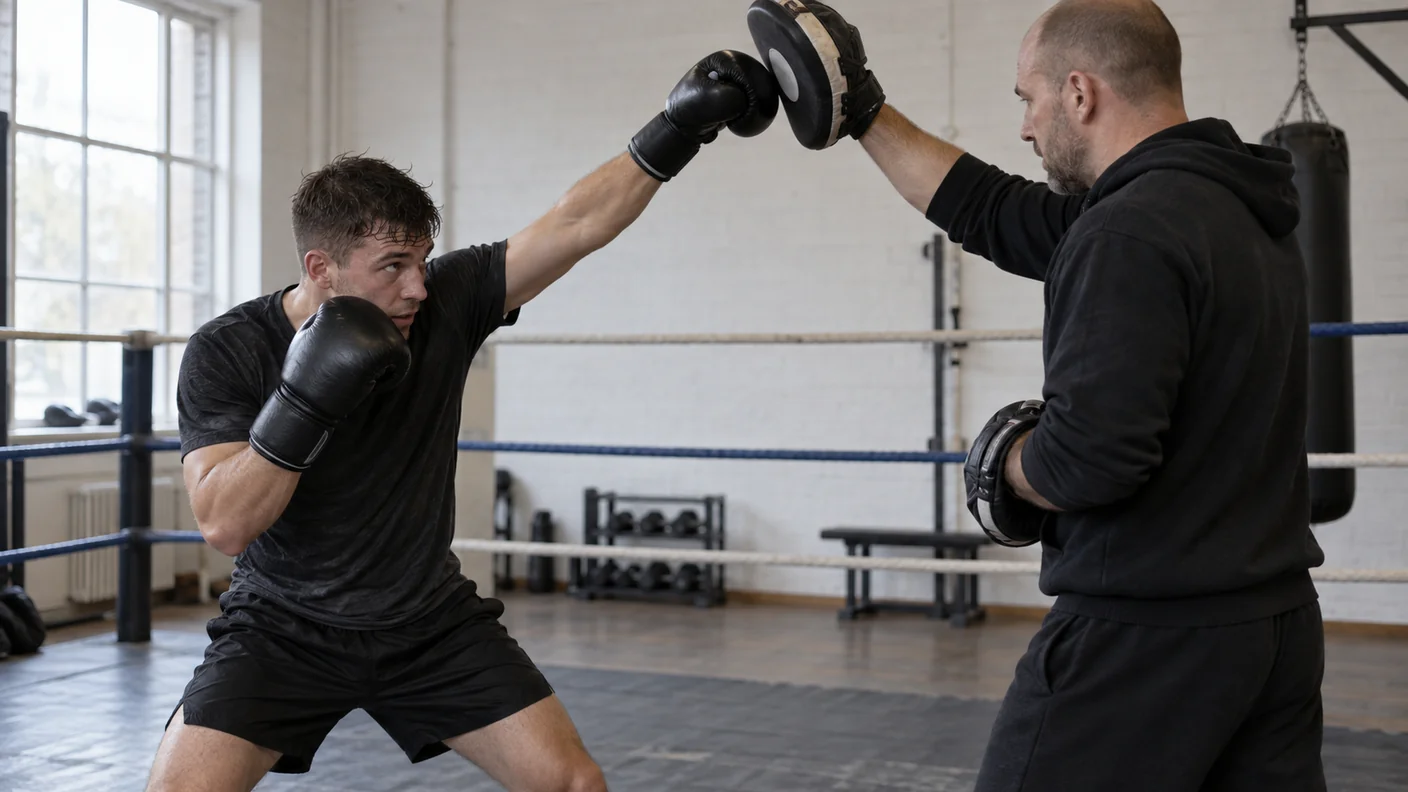
How to Use an Up Jab in Boxing
Use a compact up jab to change the line, test a high guard and keep your stance ready for the next decision.
The Body Jab: A Safe Boxing Setup
Use a compact body jab to change the target, check range and set up the next decision without falling over your front foot.
Power Jab in Boxing: Step In Without Falling Over
Use a committed boxing power jab to take ground without leaning, overreaching or standing still for the return.
Was this page helpful?
It takes one tap, and it genuinely helps.
Choose your next step
Turn this article into the right action
Some readers are ready to book. Some need the class route first. Pick the route that matches what you actually want.