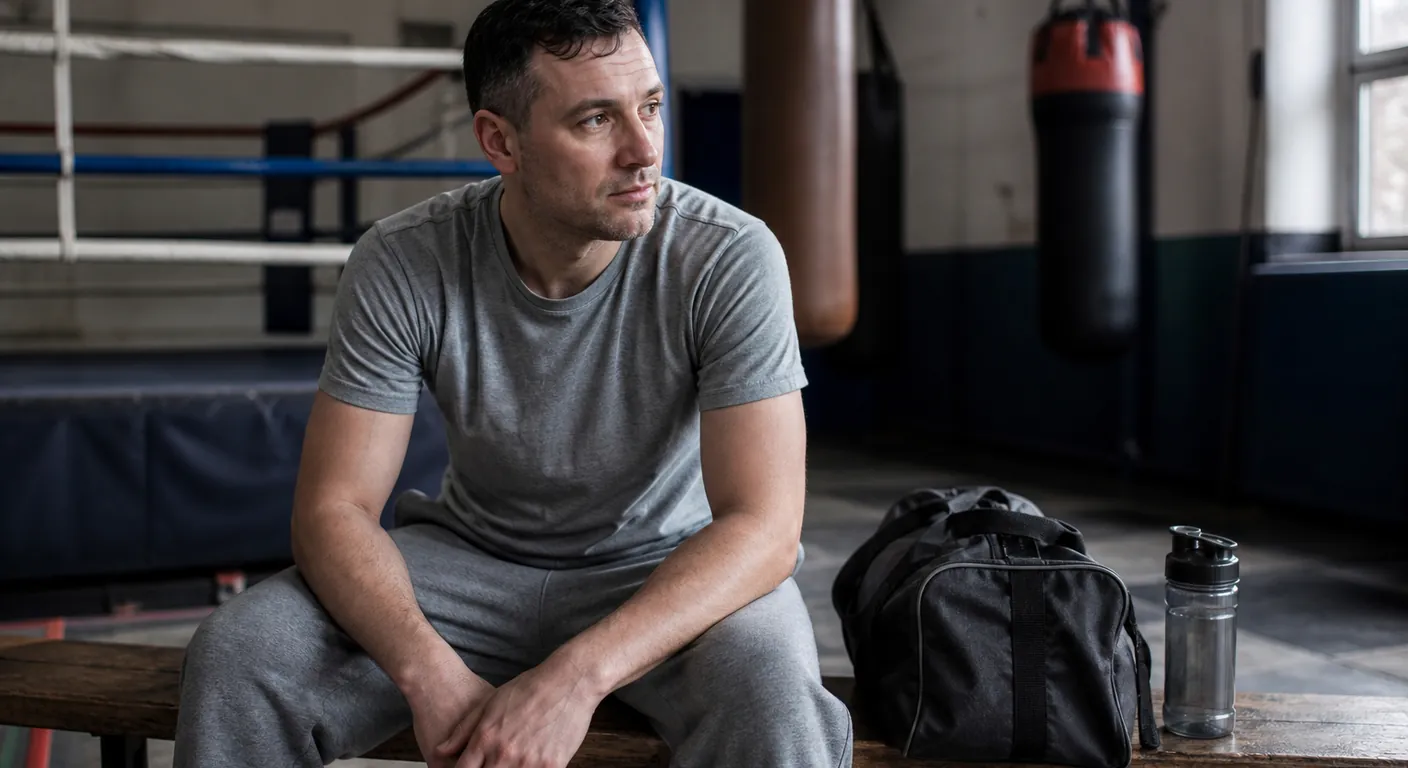
Usually, no. If you have a high temperature, body aches, a chesty cough, shortness of breath, or you feel too unwell for ordinary work and errands, skip boxing and rest.
That is not a weak decision or a lost week. Boxing asks for hard breathing, concentration, balance and close proximity to other people. Turning up ill can make a small illness feel worse, leave you flat in the later rounds, and pass it around the room.
The NHS says to stay at home and avoid contact with other people if you have a high temperature or do not feel well enough to do normal activities (NHS common cold guidance). For a boxing class, that is a sensible line. You do not need to prove your discipline by coughing through pad rounds.
The simple answer for boxing members
Use your symptoms, not your guilt, to make the call.
Stay home if you have a fever, chills, body aches, a heavy cough, chest discomfort, wheezing, breathlessness, dizziness, vomiting, diarrhoea, or the sort of fatigue that makes climbing stairs feel like work. Those are not conditions for hard intervals or a busy gym.
A runny nose or a slightly scratchy throat without fever does not automatically mean something serious. But boxing is not a solitary treadmill session. You share indoor air, pads, bags, benches and changing space. If you are visibly symptomatic or need to keep blowing your nose between rounds, resting is usually the considerate choice.
The useful question is not, "Can I force myself through an hour?" It is, "Would this session help my recovery, my training, or the people around me?" Most of the time, the honest answer is no.
Why a cold changes a boxing session
Boxing feels different when you are healthy because it loads several things at once. You are moving your feet, keeping your guard up, listening for instructions, breathing hard and trying to stay relaxed enough to punch cleanly.
A cold can make even simple work feel clumsy. A blocked nose changes how comfortably you breathe. Poor sleep makes timing worse. Tiredness turns a sensible round into one where the shoulders creep up and the hands start wandering.
That is not a character test. It is information. A technical class needs attention as much as effort. If you cannot hear the coach clearly, hold your guard without straining, or recover properly between rounds, you are not getting the session you came for.
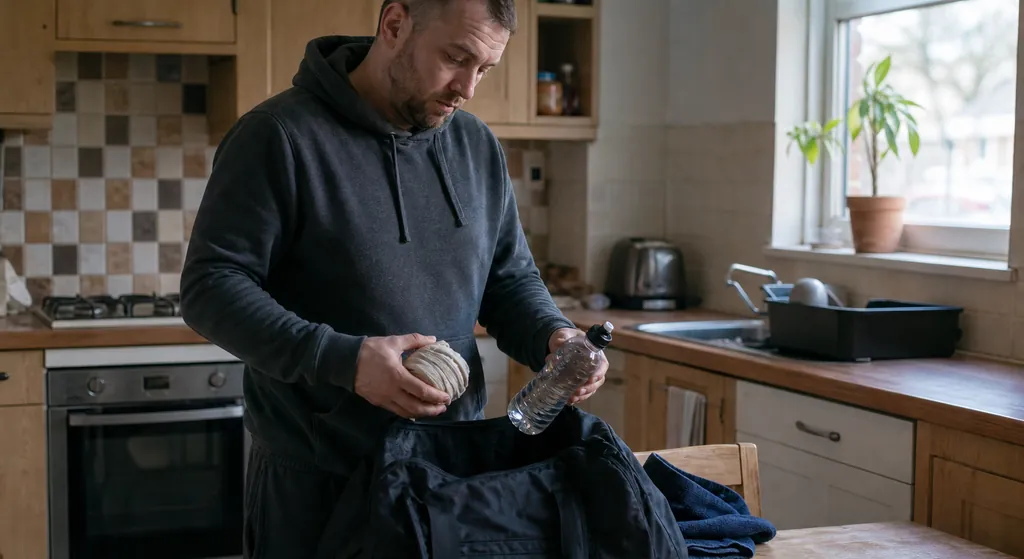
There is a separate hygiene issue too. The NHS lists a cough, sore throat, fatigue and feeling unwell among common cold symptoms (NHS cold symptoms). A boxing gym is a poor place to gamble with those symptoms. Keep your wraps, towel and water bottle to yourself, and do not turn up hoping that a hard warm-up will solve the problem.
When the answer is definitely no
Do not box with chest symptoms, a high temperature, or anything that makes breathing harder than usual.
The NHS describes chest infections as commonly involving a chesty cough, wheezing or shortness of breath, chest discomfort, a high temperature, headache, aching muscles and tiredness (NHS chest infection guidance). Those symptoms need rest and, where appropriate, medical advice. They do not need bag rounds.
Get urgent advice through NHS 111 or an urgent GP appointment if you have chest pain, find it hard to breathe, cough up blood, feel very unwell, or have a cough that is severe or getting worse (NHS cough guidance). If you have a long-term heart or lung condition, are immunosuppressed, or are unsure whether exercise is appropriate, speak to the clinician who knows your medical history.
This is general information, not a diagnosis. A coach can adapt a drill. A coach cannot clear you medically.
When can you return to class?
Return when you feel broadly back to normal and can manage daily life without being wiped out. A clear head and no fever are more useful signs than an arbitrary number of days.
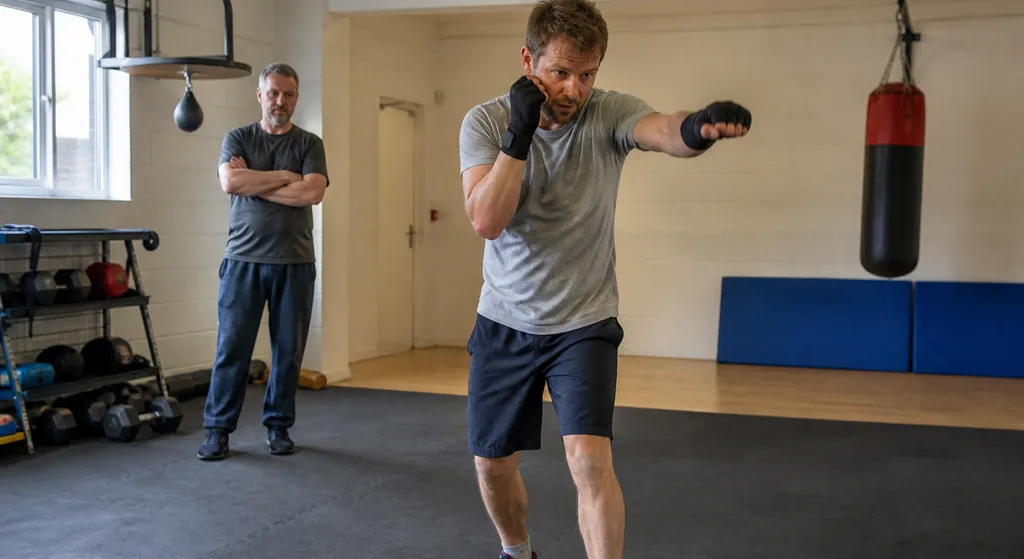
Make the first session back deliberately dull. Tell the coach that you have been ill. Keep the pace controlled. Start with a proper warm-up, simple footwork, shadowboxing and light technical rounds. Leave hard bag intervals, heavy conditioning and any contact work for when your breathing, energy and concentration have genuinely returned.
Do not try to repay missed sessions in one night. Your fitness will not disappear because you rested for a few days. Your first job is to finish the session feeling steadier than when you started, not to prove that you are back by emptying the tank.
If you feel light-headed, unusually breathless, weak, feverish or worse as the session goes on, stop. Go home, rest and reassess. The same rule applies if you are still coughing hard between rounds. A return to training is not a promise to finish every round.
Keep the gym decent for everybody else
Good gym etiquette is not only about shaking hands, wrapping properly and putting kit away. It also means not bringing a respiratory illness into a close training space because you are worried about losing momentum.
Message the gym instead. Say you are unwell, will miss the session, and plan to return when you are better. That takes less than a minute and lets a coach manage pair work or pads without guessing where you are.
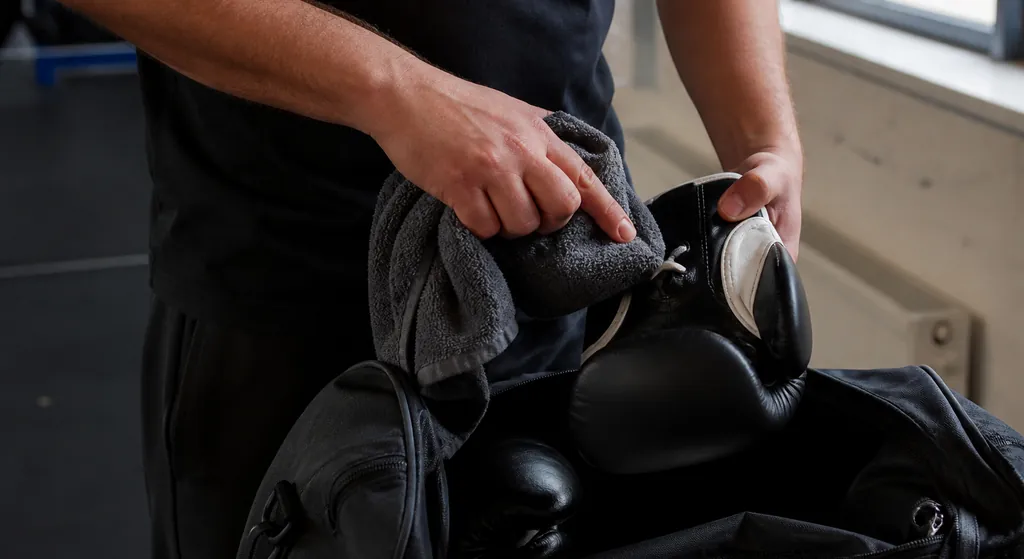
When you return, bring clean kit. Wash your hand wraps after training, air gloves properly, and do not share bottles, towels or personal equipment. Our guide to washing boxing hand wraps covers the straightforward routine. For a normal healthy session, the basics of boxing hydration are useful too.
A rest day is still part of boxing
People who enjoy boxing often find rest harder than training. You finally have a routine, you have booked the class, and you do not want to break the chain.
Keep the wider view. One missed session does not erase your jab, your footwork or your fitness. Training ill can turn a manageable cold into a longer interruption, and it can make someone else miss their session too.
If you are only dealing with ordinary muscle soreness after healthy training, that is a different question. Read our guide to boxing soreness versus injury rather than treating every ache as illness. But when you are genuinely unwell, rest is the training decision.
When you are healthy again, Recreational Adults boxing classes give you a coached route back into bags, pads, footwork and conditioning without needing to rush. If you are near Kidbrooke, come back when your body is ready, not when your impatience is loudest.
H&G Team
Writer at Honour & Glory Boxing Club, a community boxing gym in Kidbrooke, South East London.
KEEP READING
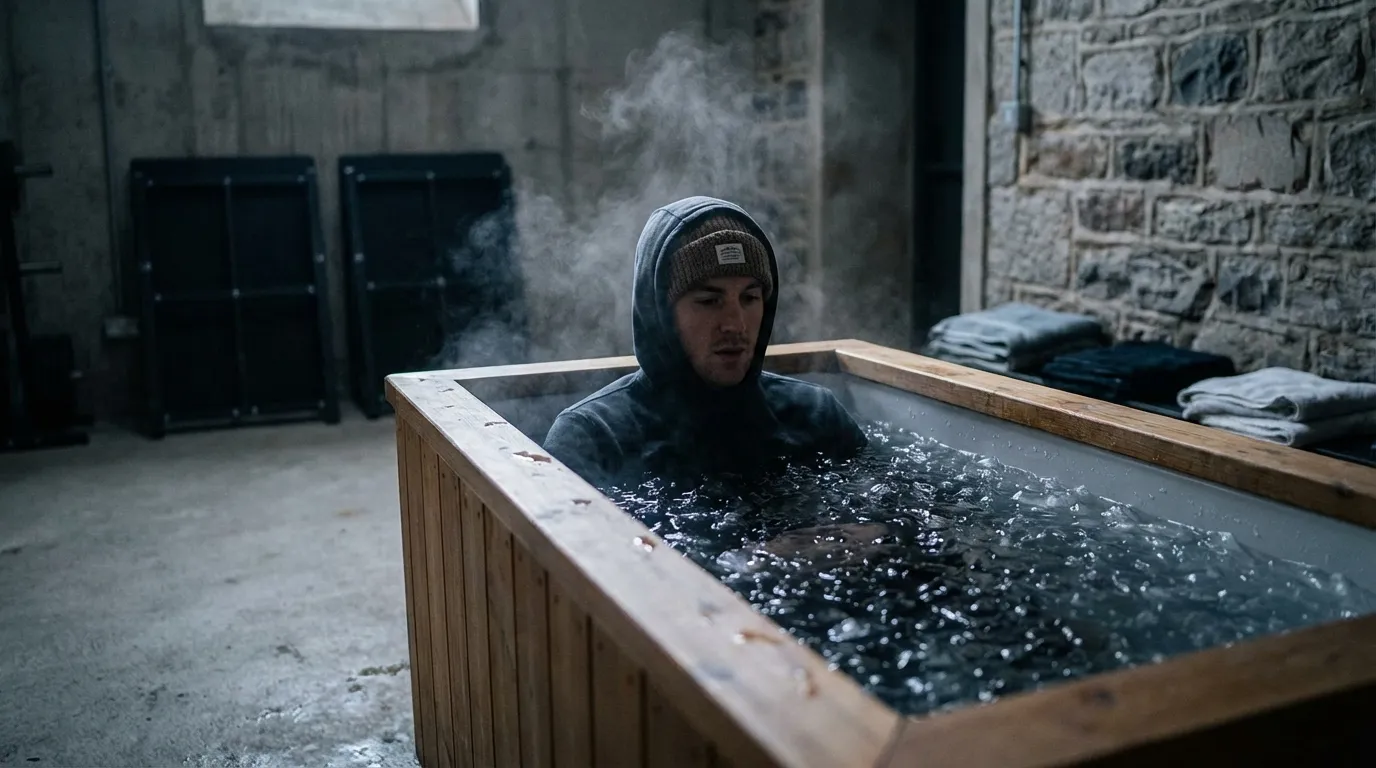
Ice Baths and Cold Plunge for Boxing Recovery
Do ice baths and cold plunge actually help boxing recovery? The science behind cold water immersion for fighters, when to use it, and how it compares to other recovery methods.
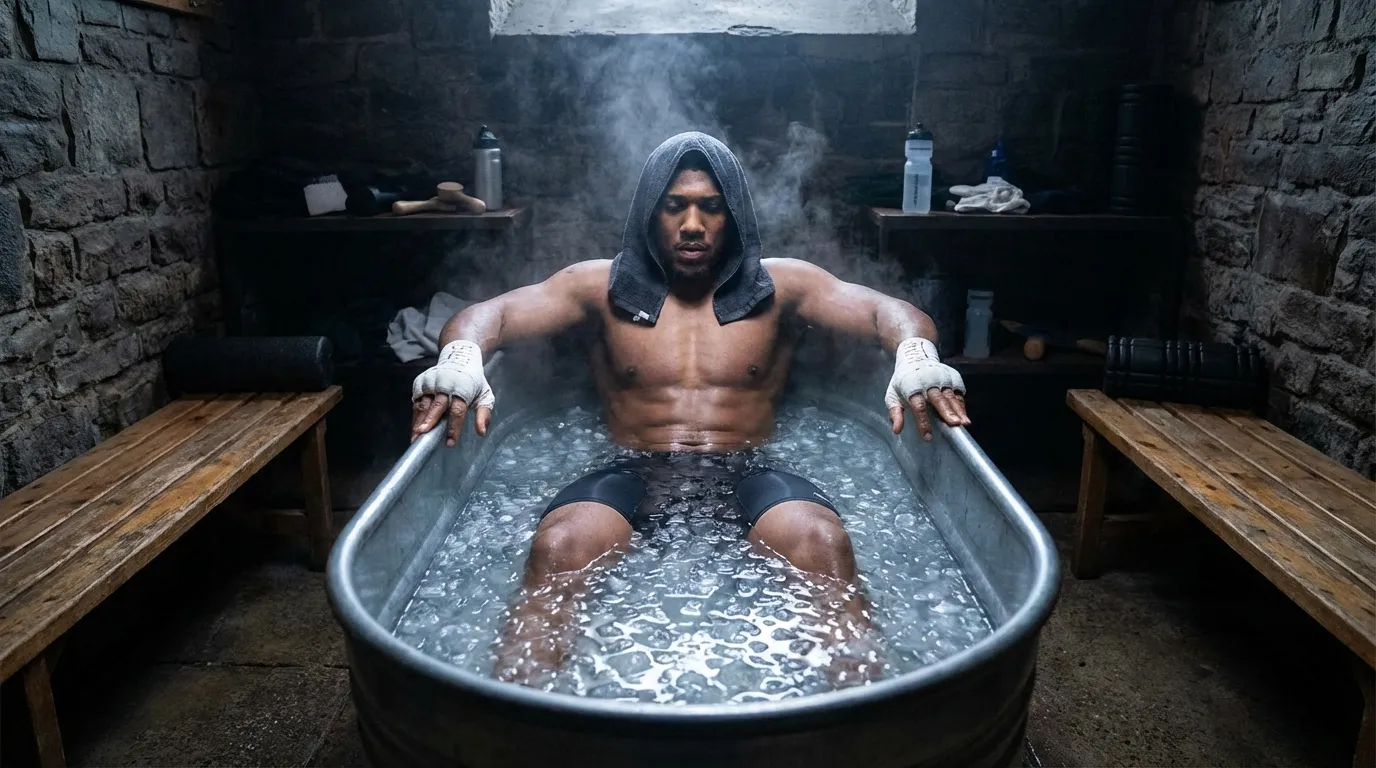
Boxing Recovery Tips After Training
Recovery tips for boxers after training. Learn what to eat, how to stretch, when to rest, and how to bounce back faster between sessions.
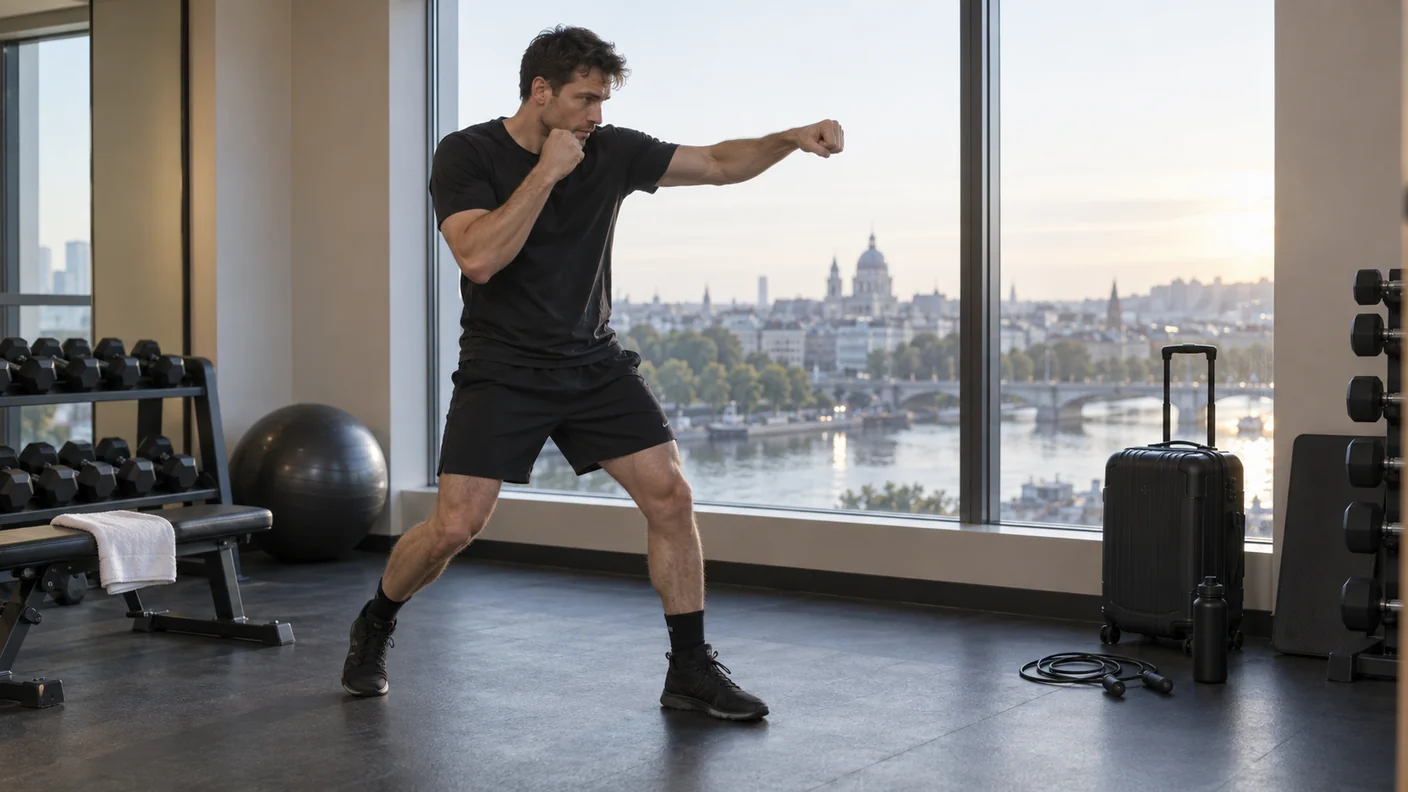
How to Keep Boxing Sharp When You Travel
A practical plan for keeping your boxing rhythm while travelling, without turning a break into a boot camp.
Was this page helpful?
It takes one tap, and it genuinely helps.
Choose your next step
Turn this article into the right action
Some readers are ready to book. Some need the class route first. Pick the route that matches what you actually want.