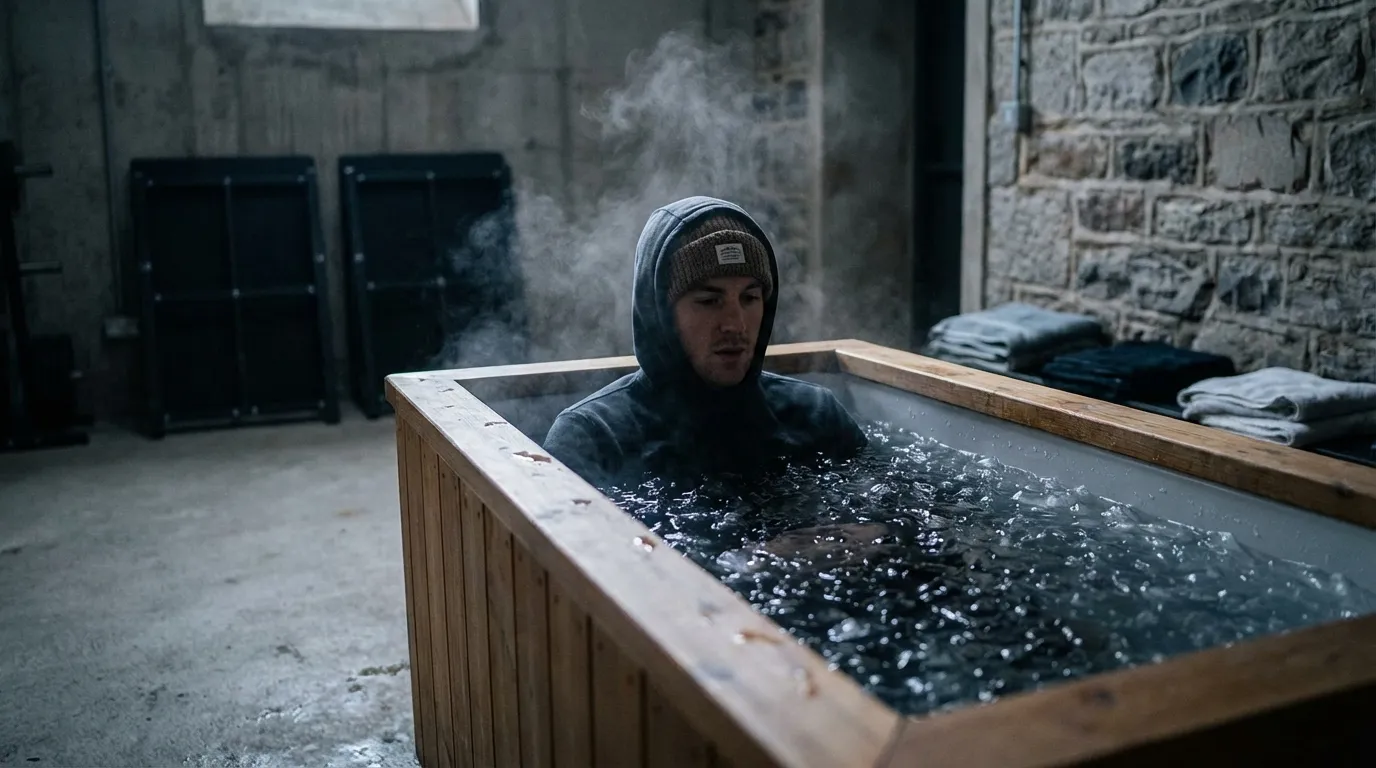
A systematic review of cold water immersion recovery found significant reductions in delayed onset muscle soreness (DOMS) following cold water immersion compared to passive recovery. Boxing Science's recovery protocols used with GB Boxing include cold water immersion as a standard post-session tool.
Walk into any professional boxing gym and you will eventually see a fighter lowering themselves into a tub of ice water, grimacing through the cold. From Carl Frampton to Canelo Alvarez, elite boxers have long sworn by ice baths for recovery.
But does the science support the practice? And should recreational boxers bother with cold water immersion?
The answer is not a simple yes or no. Here is what actually happens when you plunge into cold water - and when it makes sense to do it.
What Happens During an Ice Bath
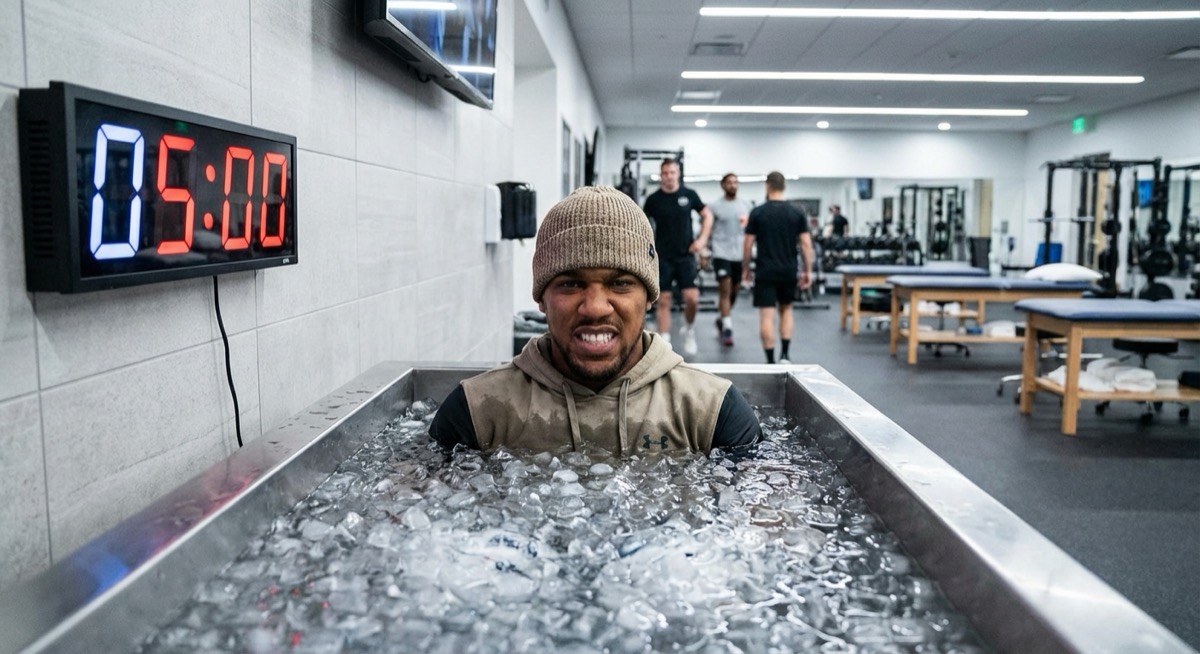
When you immerse yourself in cold water (typically 10-15 degrees Celsius), several things happen in your body:
Blood vessels constrict. Cold causes vasoconstriction - your blood vessels narrow to reduce heat loss. This reduces blood flow to the extremities.
Inflammation decreases. The cold reduces the inflammatory response in your muscles and joints. Swelling goes down. That puffiness from a hard session subsides.
Nerve activity slows. Cold numbs nerve endings, reducing pain perception. This is partly why ice baths feel uncomfortable at first but then become tolerable.
Metabolic rate increases. Your body works to maintain core temperature, burning additional calories in the process.
After you exit the cold, blood rushes back into your tissues. This "pumping" effect may help flush out metabolic waste products.
What the Research Says
The scientific evidence on ice baths is mixed - and more complicated than advocates often suggest.
The good news:
Studies consistently show that cold water immersion reduces perceived soreness. Boxers who ice bath after training generally report feeling less achy the next day.
For athletes with multiple competitions in a short period - like a tournament with multiple fights in a weekend - ice baths can help maintain performance by managing inflammation between bouts.
Cold exposure may also speed recovery of the nervous system after high-intensity training.
The concerning news:
Recent research has raised questions about whether reducing inflammation is actually desirable for long-term adaptation.
Inflammation after training is not just a nuisance - it is part of how your body adapts and gets stronger. When you train hard, you create micro-damage in muscles. The inflammatory response is part of the repair and adaptation process.
Studies have shown that regular ice baths after strength training can blunt muscle growth and strength gains over time. The cold interferes with the signalling pathways (particularly mTOR) that drive adaptation.
In one study, athletes who consistently ice bathed after training showed less muscle growth than those who did passive recovery - even though they felt less sore.
The nuance:
This does not mean ice baths are useless. It means timing and purpose matter.
When Ice Baths Make Sense
Between fights or competitions. If you have multiple bouts in a tournament or need to perform at high level on consecutive days, ice baths help manage inflammation and maintain short-term performance.
During a taper period. When competition is approaching and you are reducing training volume, ice baths can help you feel fresh and recovered for fight night.
After unusually intense sessions. If you have pushed far beyond your normal training load, cold water immersion can help manage the excessive inflammatory response.
For injury management. Cold therapy remains effective for acute injuries and managing chronic inflammation in specific joints.
When to Skip the Ice Bath
After regular training sessions. If you are trying to build fitness, strength, or conditioning, let your body's natural recovery processes work. The soreness and inflammation are signals of adaptation happening.
During a building phase. When your goal is improving physical qualities (getting stronger, more conditioned), regular ice baths may actually slow your progress.
If you hate it. The stress of forcing yourself through something you dread may outweigh any physical benefit. There are other recovery methods.
Practical Ice Bath Guidelines
If you decide to use ice baths, here is how to do it effectively:
Temperature: Aim for 10-15 degrees Celsius. Cold enough to trigger the response, not so cold that it becomes dangerous. Filling a bath with cold water and adding ice usually achieves this range.
Duration: Start with 8-10 minutes. You can work up to 15 minutes with experience. Longer is not necessarily better - you get most of the benefit in the first 10 minutes.
Depth: Submerge to at least your waist. Full body (up to shoulders) provides more benefit but is harder to tolerate.
Timing: If using ice baths, do them within an hour of finishing training. Delaying too long reduces effectiveness.
Breathing: Focus on slow, controlled breathing. The initial shock makes you want to gasp. Breathe through it.
Exit gradually: Stand up slowly when finished. Your blood pressure can drop quickly, causing dizziness.
Alternatives to Full Ice Baths
If you want some cold exposure benefits without filling a bath with ice:
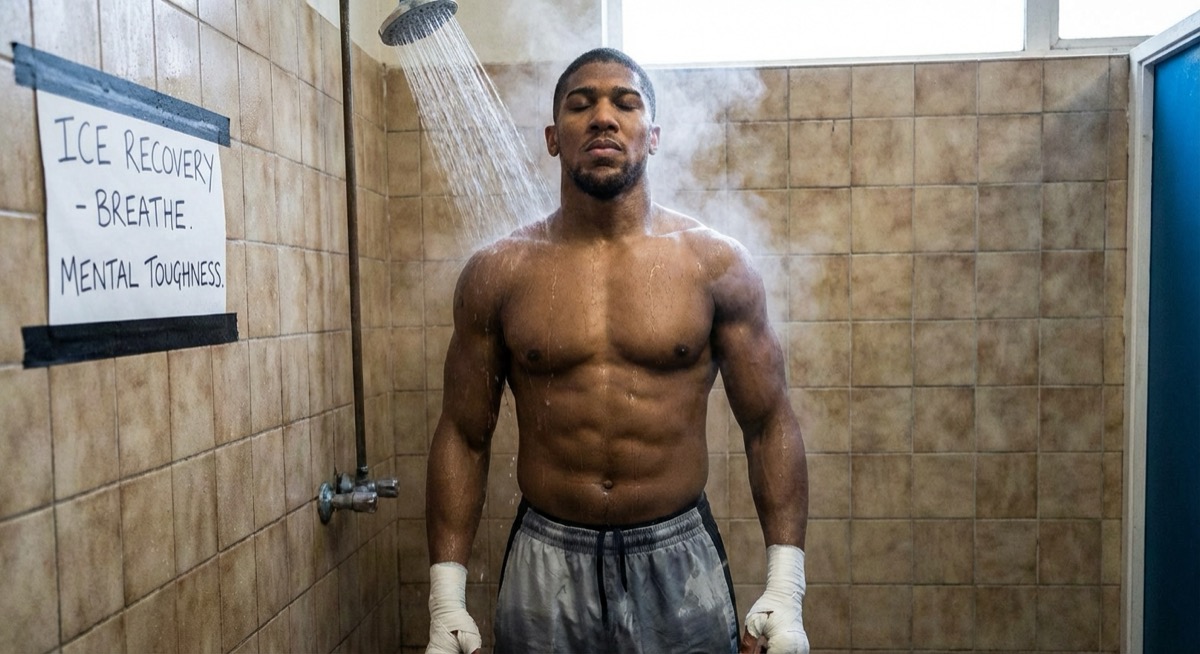
Cold showers. Turn the water cold for the last 2-3 minutes of your shower. Less intense than immersion but easier to incorporate daily.
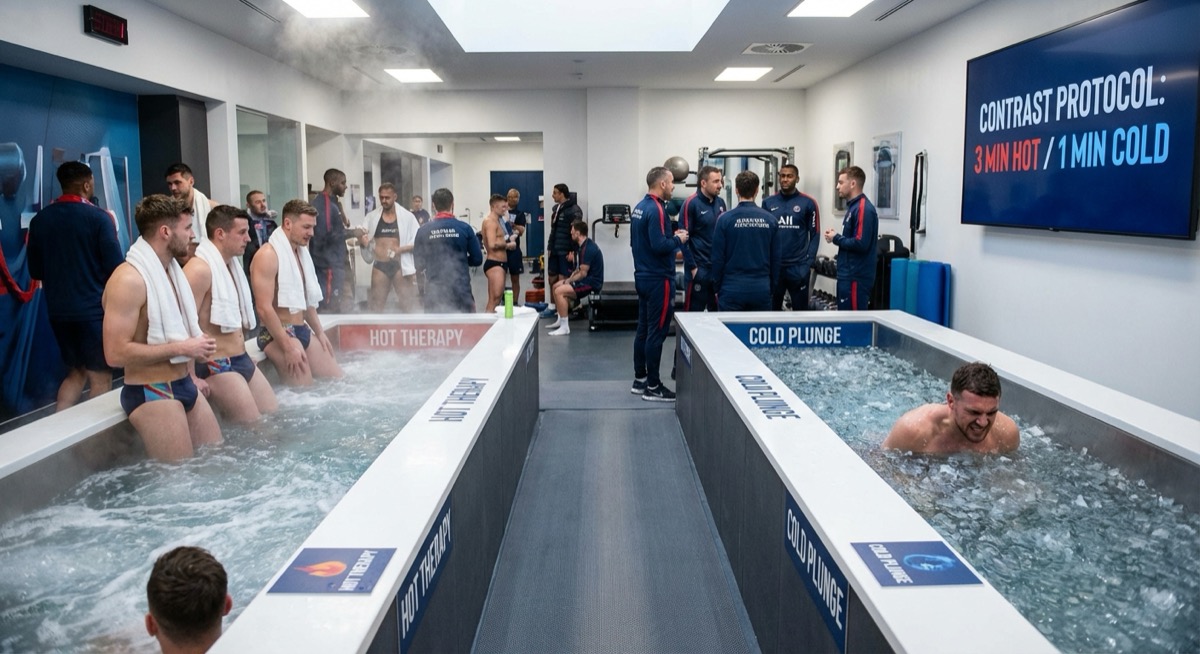
Contrast therapy. Alternate between hot and cold water - 3-4 minutes hot, 1 minute cold, repeated 3-4 times. This "pumps" blood through your tissues and may enhance recovery.
Ice packs on specific areas. If particular joints or muscles are problematic, local icing can help without affecting whole-body adaptation.
Cold water swimming. If you have access to outdoor water, brief cold swims provide similar benefits with the added element of movement.
The Mental Side
There is another dimension to ice baths that the physical research does not capture: mental toughness.
Voluntarily subjecting yourself to discomfort builds resilience. The ability to control your breathing and remain calm in unpleasant conditions is valuable for boxers. Staying composed when uncomfortable is exactly what you need to do when fatigued in the later rounds of a fight.
Many boxers report that the mental discipline of ice baths transfers to their training and competition.
This is not measurable in studies, but it is real. The practice of choosing discomfort and staying with it has value beyond the physical effects.
What Pro Boxers Actually Do
Professional boxers use ice baths strategically rather than after every session:
- During fight camps - ice baths become more frequent as the fight approaches and training intensifies
- After sparring - managing inflammation and reducing swelling from contact
- Before fights - helping the body feel fresh and recovered
- After fights - reducing swelling and beginning recovery
They do not typically ice bath after every training session during building phases, recognising that some inflammation supports adaptation.
The key is periodisation - using cold strategically rather than habitually.
The Bottom Line
Ice baths are a tool, not a rule. They can be valuable in specific situations:
- When competition is approaching or between multiple events
- After unusually demanding sessions
- For managing specific injuries
For regular training, let your body recover naturally. The soreness and inflammation are part of getting better. Embrace them rather than constantly fighting them.
If you do use ice baths, be strategic. Time them for when the benefits outweigh the potential downsides. And accept that the research is still evolving - we may learn more in coming years that changes best practice.
Most recreational boxers probably do not need ice baths at all. Good sleep, proper nutrition, adequate rest between sessions, and basic stretching will accomplish 95% of what expensive recovery protocols promise (source).
Focus on getting the basics right before adding cold water torture to your routine.
H&G Team
The coaching and community team at Honour & Glory Boxing Club, a community boxing gym in Kidbrooke, South East London.
KEEP READING
Can You Go Boxing With a Cold?
A practical guide to deciding when a cold means rest, when to speak to a clinician, and how to return to boxing without rushing.
Boxing Recovery Tips After Training
Recovery tips for boxers after training. Learn what to eat, how to stretch, when to rest, and how to bounce back faster between sessions.
How to Keep Boxing Sharp When You Travel
A practical plan for keeping your boxing rhythm while travelling, without turning a break into a boot camp.
Was this page helpful?
It takes one tap, and it genuinely helps.
Choose your next step
Turn this article into the right action
Some readers are ready to book. Some need the class route first. Pick the route that matches what you actually want.