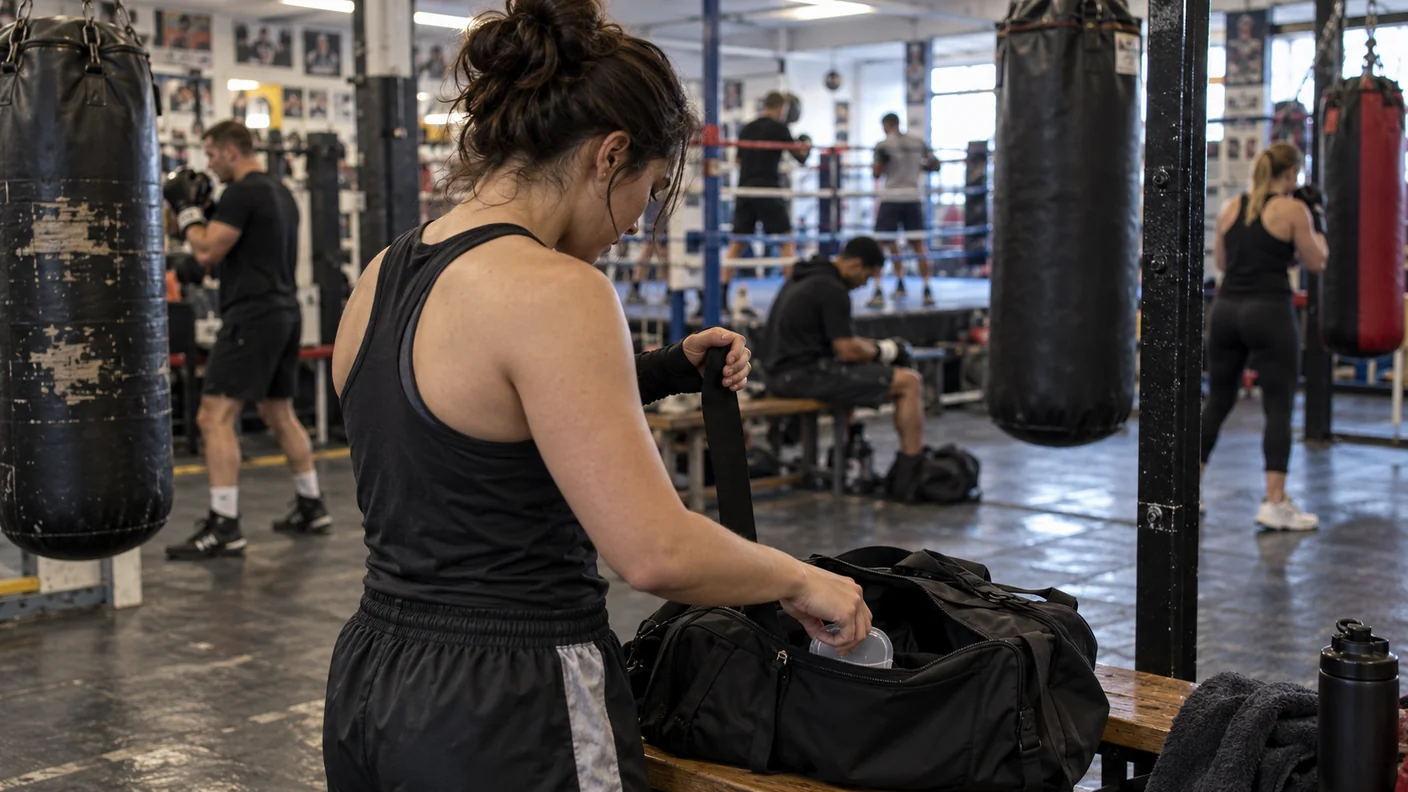
Yes, you can box with retainers. The practical answer depends on which retainer you wear and whether the session involves any chance of contact to the face.
For ordinary non-contact training, a removable retainer is usually a simple kit decision. You can take it out, put it in its case and get on with stance work, footwork, bags, pads and conditioning. For sparring or any real contact work, it is different: a removable retainer is not a mouthguard and should not be treated like one.
The sensible rule is clear. Tell the coach what you wear before class, keep the retainer safe, and use a properly fitted mouthguard instead if contact is planned. Your orthodontist or dentist is the person to ask about the exact setup for your mouth.
First, work out which kind of retainer you have
A removable clear retainer is the version that raises the most questions in a boxing gym. It is designed to hold teeth in position. It is not designed to take an impact, protect lips or stay put during a hard round.
The British Orthodontic Society retainer guidance is direct: wear a mouthguard instead of a removable retainer for contact sports. It also advises keeping the retainer in a protective box when it is out of your mouth.
That is not a reason to stop training. It just means your retainer needs its own routine. Take it out before you begin, put it in a named hard case inside your gym bag, and put it back in when the session is finished and your mouth is clean.
A fixed retainer is different. It is bonded behind the teeth and cannot simply be removed before a class. If you have one, tell the coach and ask your dentist or orthodontist what they recommend if you ever move towards contact work. Do not try to make the decision by copying what somebody else uses.
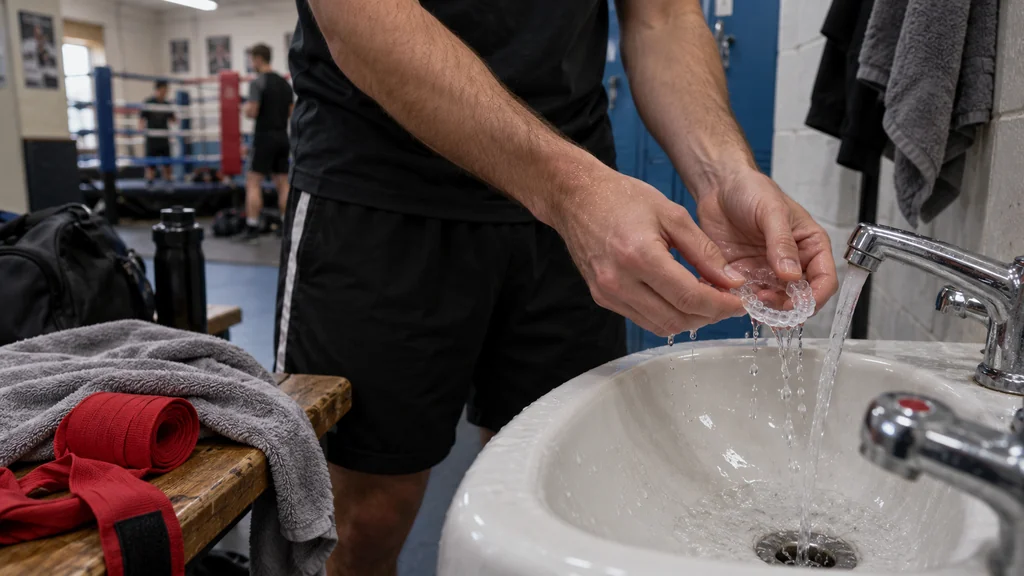
Can you keep a removable retainer in for non-contact boxing?
The cautious answer is that you should ask your orthodontist or dentist if you have been told to wear it full-time. They know why you are wearing it, how stable your teeth are and whether short periods out are appropriate.
From a boxing point of view, many early sessions do not need face contact at all. You can learn stance, guard, straight punches, footwork, shadowboxing, bag work and controlled pads without being hit. In that setting, the straightforward choice is often to store the removable retainer safely rather than wearing it while you are breathing hard and moving around.
The case matters more than people expect. Loose retainers disappear quickly in changing rooms, on benches and inside towels. A retainer wrapped in tissue is also one lunch break away from a bin. Use a rigid case, keep it in the same zipped pocket every time, and do not leave it beside shared equipment.
If you have only just been given a retainer, have sore gums, a pressure point, or a retainer that feels loose, do not try to solve that with a hard bag round. Ask the dental team. Boxing can wait a day. Teeth do not always forgive a bad decision.
Retainers are not mouthguards
This is the part worth being firm about. A clear retainer may look like a thin mouthguard, but it has a different job.
The American Dental Association lists boxing among sports where a properly fitted mouthguard is recommended. It says mouthguards help reduce the incidence and severity of dental and oral injuries in activities with a meaningful risk of impact.
A removable retainer is not built for that role. It may crack, move, create sharp edges or fail to protect the lips and teeth when you need it most. Do not wear a retainer underneath a mouthguard unless the orthodontist or dentist has specifically advised that arrangement.
If you eventually want to spar, ask your orthodontist or dentist about a mouthguard that fits your current teeth and treatment. Our UK boxing mouthguard guide explains the normal options, but a stock answer is not a personal dental plan.
For anyone with fixed braces as well as a retainer, read our practical guide to boxing with braces. That situation may need a brace-friendly guard and more frequent fit checks as teeth move.
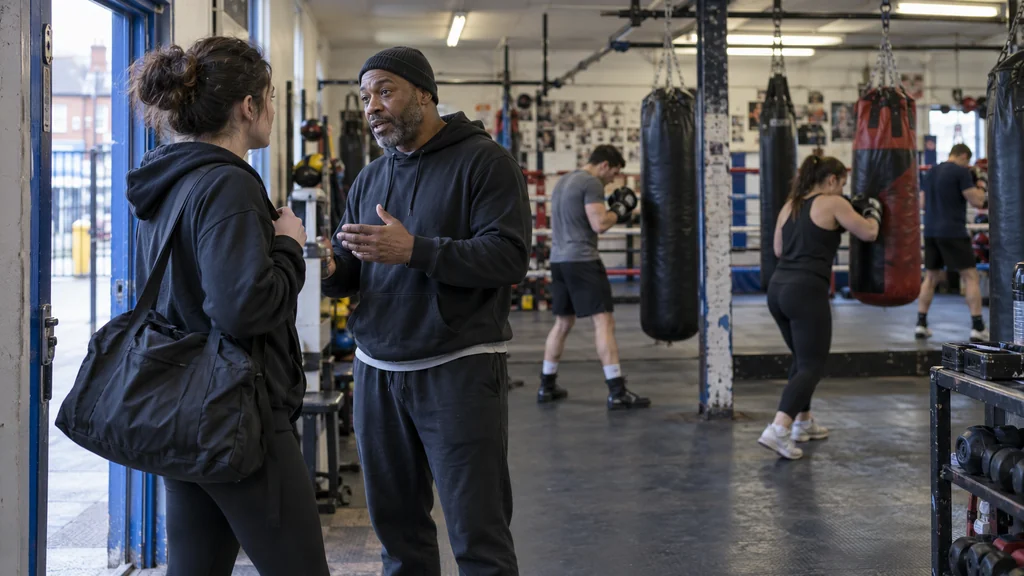
Tell the coach before the class starts
A coach does not need your whole dental history. They do need to know about anything that changes the safe version of the session.
Say that you wear a removable or fixed retainer when you arrive. Mention whether you have been told to keep it in for a set number of hours, whether your mouth is sore, and whether you are avoiding contact work. That lets the coach keep partner drills appropriate rather than discovering the issue halfway through a round.
At Honour and Glory, the Recreational Adults class is built around coached technique, bags, pads and fitness. Sparring is not required. That gives new adults room to learn the sport without pretending a retainer issue needs to become a fight-day decision.
The same principle applies to younger boxers. A parent should tell the coach before the session starts, keep the retainer case in the child’s bag and avoid any pressure to join contact drills before the dental advice and suitable mouthguard are sorted.
What to do before, during and after training
A simple routine prevents most avoidable mistakes.
Before training, put your removable retainer in its case and place the case in a zipped pocket. Take a quick photo of the case label if you are worried about mixing it up with somebody else’s kit. If you have a fixed retainer, make sure the coach knows and keep the session non-contact unless you have a mouthguard plan agreed with your dental team.
During training, do not leave the retainer in a towel, coat pocket or open glove compartment. Do not let it sit loose on a ring apron or bench. If you need to take it out halfway through because it is uncomfortable, clean your hands first and use the case.
After training, clean the retainer as your orthodontist has instructed before putting it back in. Do not use hot water, which can distort some clear appliances. If it has cracked, feels loose, has been stepped on, or has gone missing, contact the orthodontic team promptly. Teeth can shift when a retainer is not doing its job.
When to pause and get dental advice
Stop and seek advice if you have a loose or broken fixed retainer, a cracked removable retainer, tooth pain after a knock, bleeding that does not settle, a tooth that feels loose, or a mouthguard that no longer fits.
The NHS guidance on a knocked-out tooth makes clear that dental injuries can be time-sensitive. That is not a problem to test with another round. Stop, tell the coach and get the right help.
There is a difference between a normal training detail and an injury. A retainer is usually the first. A tooth injury is not. Keep those two categories separate.
The useful starting point
You do not need to delay boxing because you wear retainers. You need a tidy routine and honest communication.
Start with non-contact training. Keep the retainer in its case. Tell the coach what you wear. If you ever choose to move towards sparring, get dental advice and the right mouthguard before you do.
For adults in Kidbrooke, that is exactly what a beginner-friendly boxing class should allow: a proper introduction to the sport without being rushed into contact.
H&G Team
Writer at Honour & Glory Boxing Club, a community boxing gym in Kidbrooke, South East London.
KEEP READING
How Should Boxing Gloves Fit?
A practical guide to boxing glove fit: snug hands, straight wrists, wraps, weight, and the mistakes beginners make.
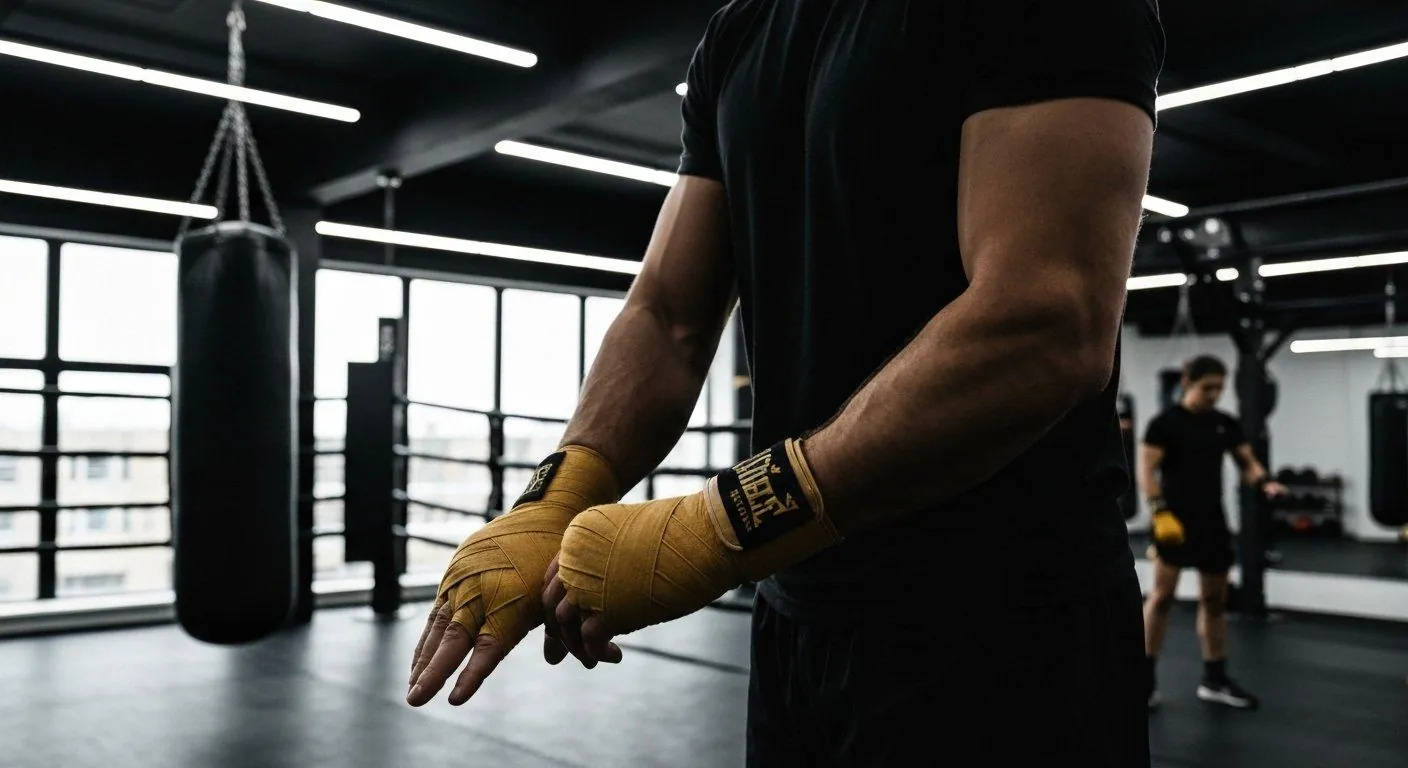
How to Wash Boxing Hand Wraps
A practical guide to washing boxing hand wraps properly, drying them faster, and stopping glove smell before it starts.
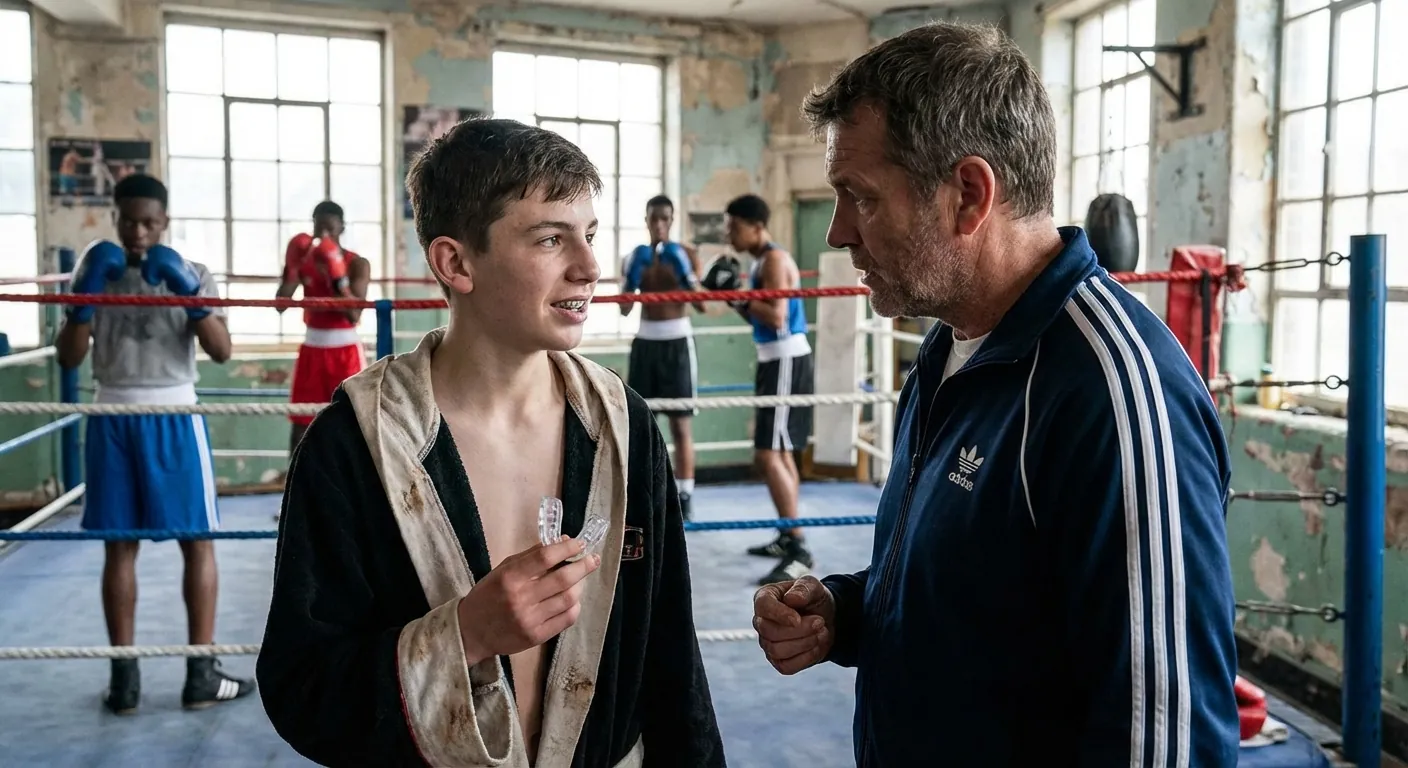
Can You Box With Braces? A Practical Guide
A practical guide for young boxers and parents on braces, mouthguards, non-contact training and when to ask the orthodontist.
Was this page helpful?
It takes one tap, and it genuinely helps.
Choose your next step
Turn this article into the right action
Some readers are ready to book. Some need the class route first. Pick the route that matches what you actually want.