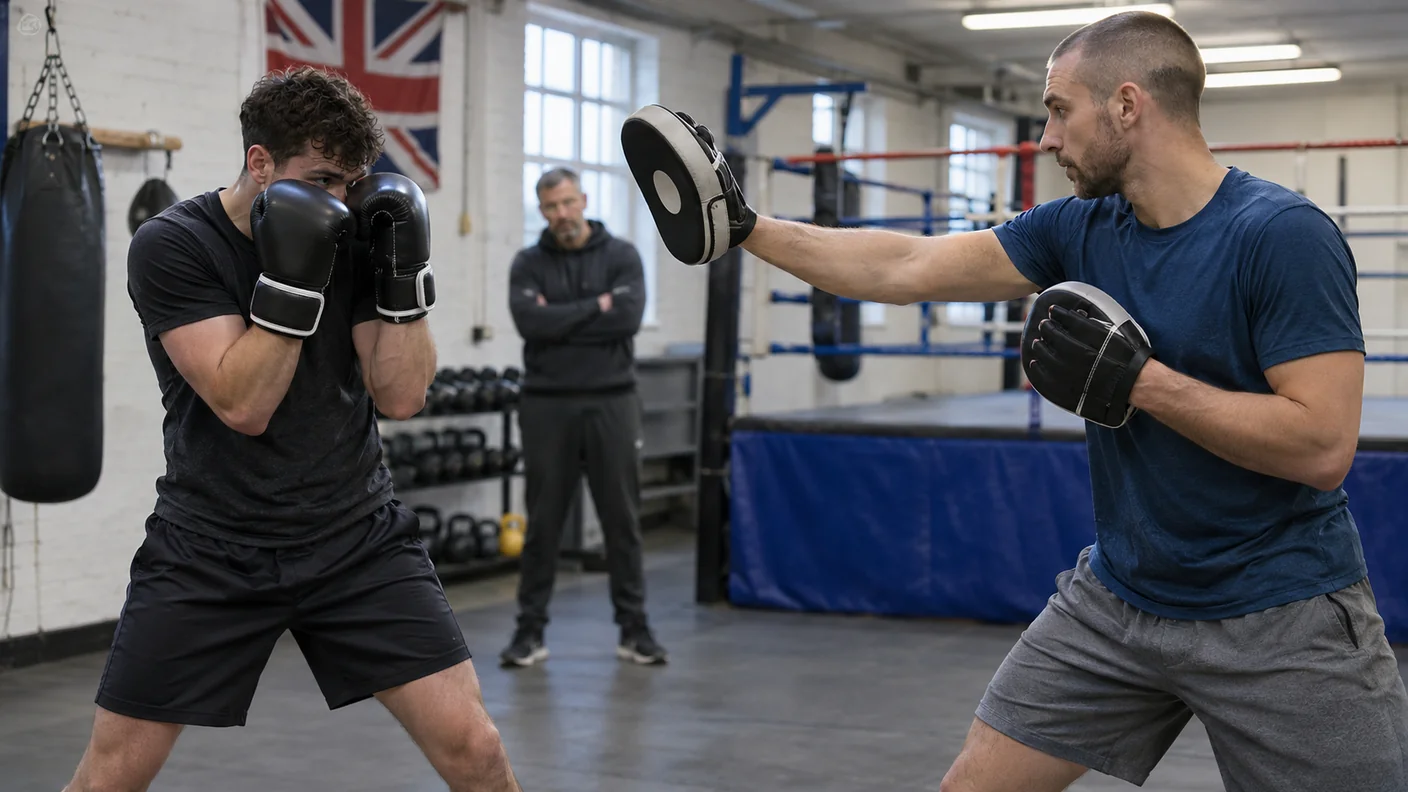
A block is not the end of an exchange. It buys you a second to make a better decision.
Many boxers do the first part well. They bring the glove home, cover a straight shot, then fire a fast one-two-three because that is what the pads have taught them. The problem arrives after the third punch. Their feet are still in the same spot, their guard is late, and the other boxer knows exactly where to answer.
This drill gives the straight-punch return a proper finish: block, answer in a controlled burst, then move or reset before you become a stationary target. It is not about throwing more. It is about making the reply leave you somewhere useful.
The block has to leave you able to punch
Start with a compact block against a straight line. For an orthodox boxer, the rear glove and forearm can close the line near the right cheek while the lead hand remains available. A southpaw reverses the picture. Keep the chin quiet, eyes up and feet underneath the body.
The block should be close to the face, not a reach towards the other boxer. If the rear hand travels out to meet the punch, it has a longer route back and the centre of your guard can open. If both shoulders rise to the ears, your feet tend to freeze and the return becomes an arm swing.
England Boxing places balance, guard and controlled technical progressions at the centre of its coaching handbook. That is the right test. After the block, could you still jab, cover, take a step or leave? If the answer is no, the cover is too large or the range is already wrong.
Three straight punches need a reason
A jab-cross-jab is useful because each punch asks a slightly different question. The first jab restores the line and interrupts the other boxer. The cross follows through the middle if the feet have stayed settled. The final jab can help you regain distance, cover the exit or make the other boxer think before they chase.
It is not a compulsory answer to every block. If the partner has crowded you, stepped away or covered the centre, the full sequence may not fit. A block followed by one calm jab and a reset is better than three punches thrown into a space that has already gone.
The useful version is compact. The gloves travel on straight lines and return towards guard between shots. The rear shoulder turns through the cross without pulling the rear foot beside the lead foot. The final jab does not become a long reach that leaves the head over the front knee.
A review of boxing biomechanics describes effective punching as coordinated work across the lower body, trunk and upper body. In the gym, that means the last punch is only clean if the feet still support it. If the first two shots have taken your stance away, do not try to rescue the sequence with a bigger third punch.
Move after the return, not after the trouble starts
This is the part people skip. Three punches from the same position can work on a bag because the bag stays where it is. A person can step, cover, fire back or change the level. Once you have answered, you need either a small change of range or an angle that keeps your stance ready.
The movement does not need to be dramatic. After the final jab, take a short step forward only if the other boxer has given ground and your feet can follow without stretching. If they have stayed close, take a small step out, cover or turn to a new line. If you are unsure, return to guard and reset at honest jab range.
That is not retreating for the sake of it. It is refusing to stand where the other boxer expects you to be. Our guide to boxing side steps without drifting is useful alongside this drill because a small lateral move can change the line without wrecking your stance.
Build the drill in three rounds
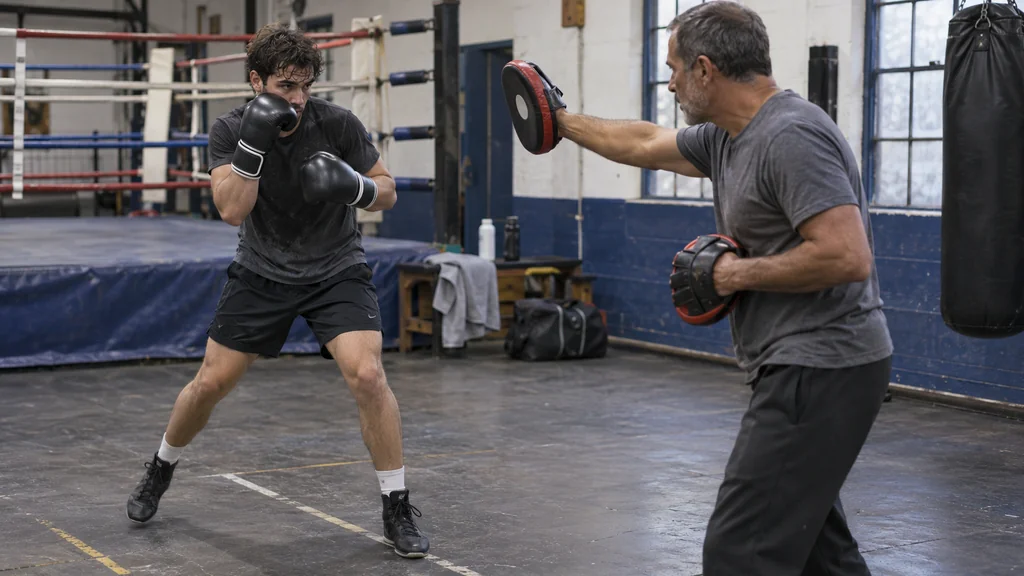
Use a coach with mitts, a foam cue or a trusted partner who understands that this is technical work. Keep the feed slow and agreed. Nobody needs to throw hard shots at a guard to make the lesson feel real.
Round one: block and freeze
The coach shows one slow straight mitt line. Make the compact block, return to a normal guard and freeze for one count. There is no punch back in this round.
Check three things: both feet remain staggered, the rear glove can return to its normal place, and the head stays between the feet. If the block pulls you backwards or turns your shoulders square, make the feed slower and shorten the movement.
Round two: block and one-two-three
Add three straight mitts after the block. Touch the first with the jab, the second with the cross and the third with the jab. Work at a pace where the coach can remove a mitt and you can stop without falling over the front foot.
Keep the shots light enough to hear the order. The sequence should feel like block, jab, cross, jab, rather than one long rush. Bring the gloves towards guard as each one finishes. If the coach needs to chase you with the mitts, the range has been lost.
Round three: return and choose the exit
After the final jab, the coach gives one of three pictures: a small step back, a close guard, or no follow-up. When the coach gives ground, take one calm step forward behind a working guard. When the guard stays close, take a small angle or reset. When there is no cue, simply settle back into stance.
The final decision makes the drill more useful than repeating a combination in place. You are learning that a defensive answer needs a finish, not only a loud last punch.
Do not turn the final jab into a chase
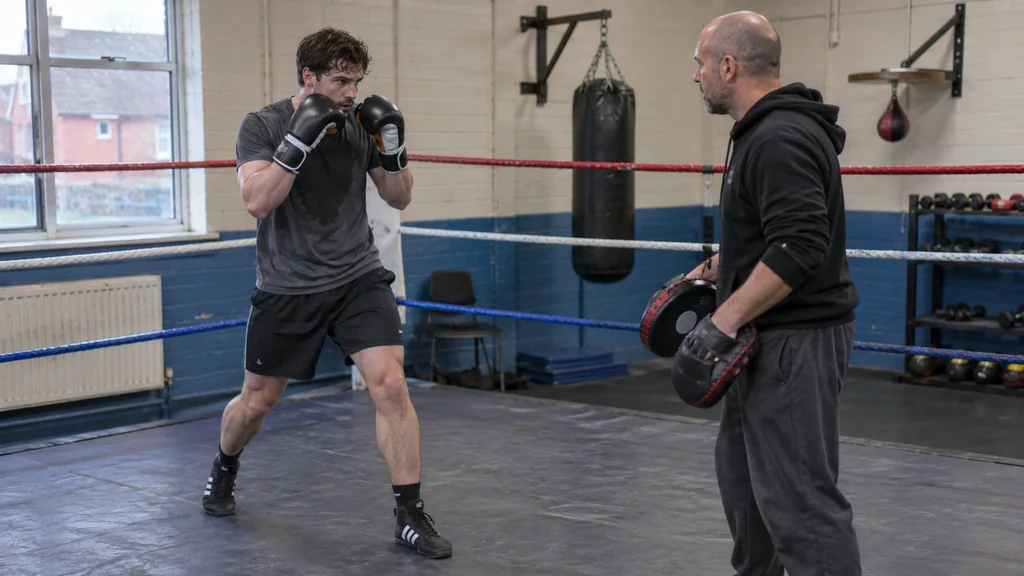
The most common error is reaching with the last jab because the other boxer has moved away. A jab that has to travel past your shoulder line or pull the rear hand down is no longer controlling space. It is offering a counter.
The second error is stepping without the guard. Boxers often finish the three punches, feel pleased with the sound on the mitts, then move with both hands low. Keep the gloves where they would need to be if a punch were already coming back.
The third error is trying to move and throw the rear hand at the same time before the stance is settled. A jab can travel as the lead foot makes a small adjustment. The rear hand needs a more stable base. Let the feet arrive, then throw the cross if the target is still there.
Finally, do not make this a hard partner exchange. The aim is recognition and position, not proving that the block can absorb a heavy punch. Controlled pad work gives you enough information to learn the order safely.
Where it fits in training
Use this after a general warm-up and before faster bag rounds or controlled partner work. It suits a boxer who has a basic guard and can throw a simple one-two, but it does not require sparring. Start with a predictable straight line and build the choice after the third punch only when the block remains calm.
For adults in Kidbrooke, our Recreational Adults boxing classes use pads, footwork and controlled partner drills to connect defence with a sensible next action.
The coaching cue is simple: block, answer, move before they answer back.
H&G Team
Writer at Honour & Glory Boxing Club, a community boxing gym in Kidbrooke, South East London.
KEEP READING
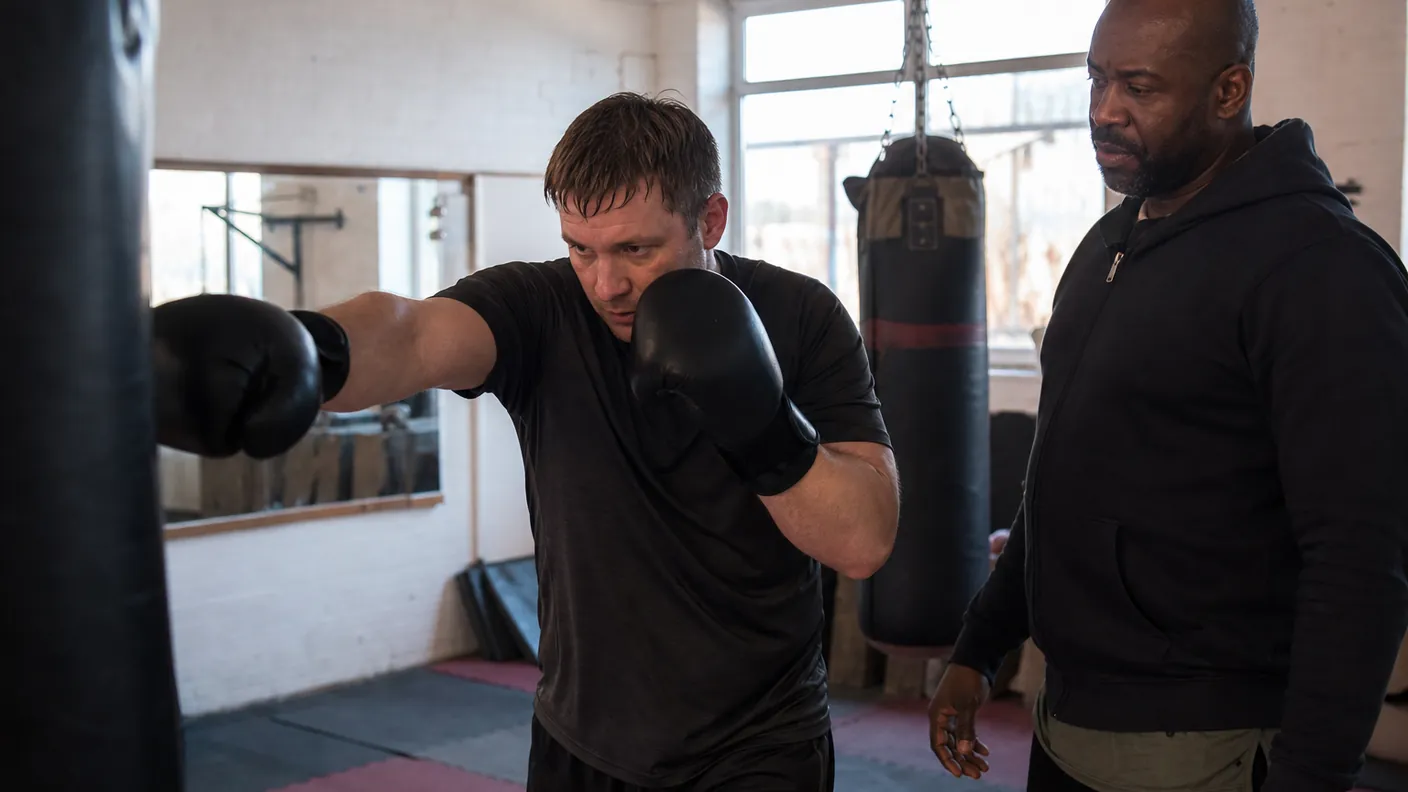
Straight Punch Shoulder Line Drill
A simple straight-punch drill for keeping the shoulder, glove and chin connected instead of reaching with the head.
Parry and Return: A Boxing Drill for Straight Punches
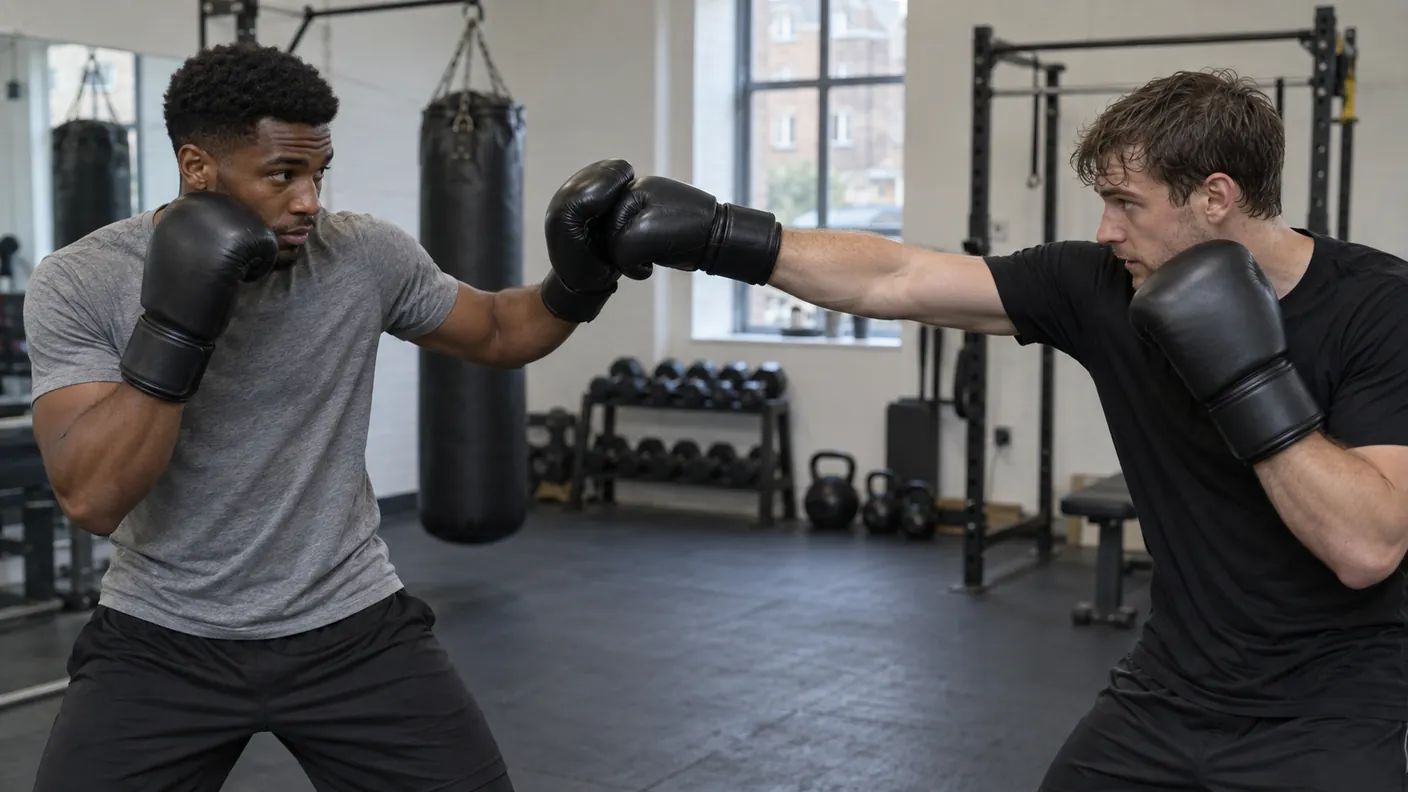
Use a compact parry against straight punches, keep your guard in place and return only when the range and stance make sense.
Why a Narrow Boxing Guard Spoils Straight Punches
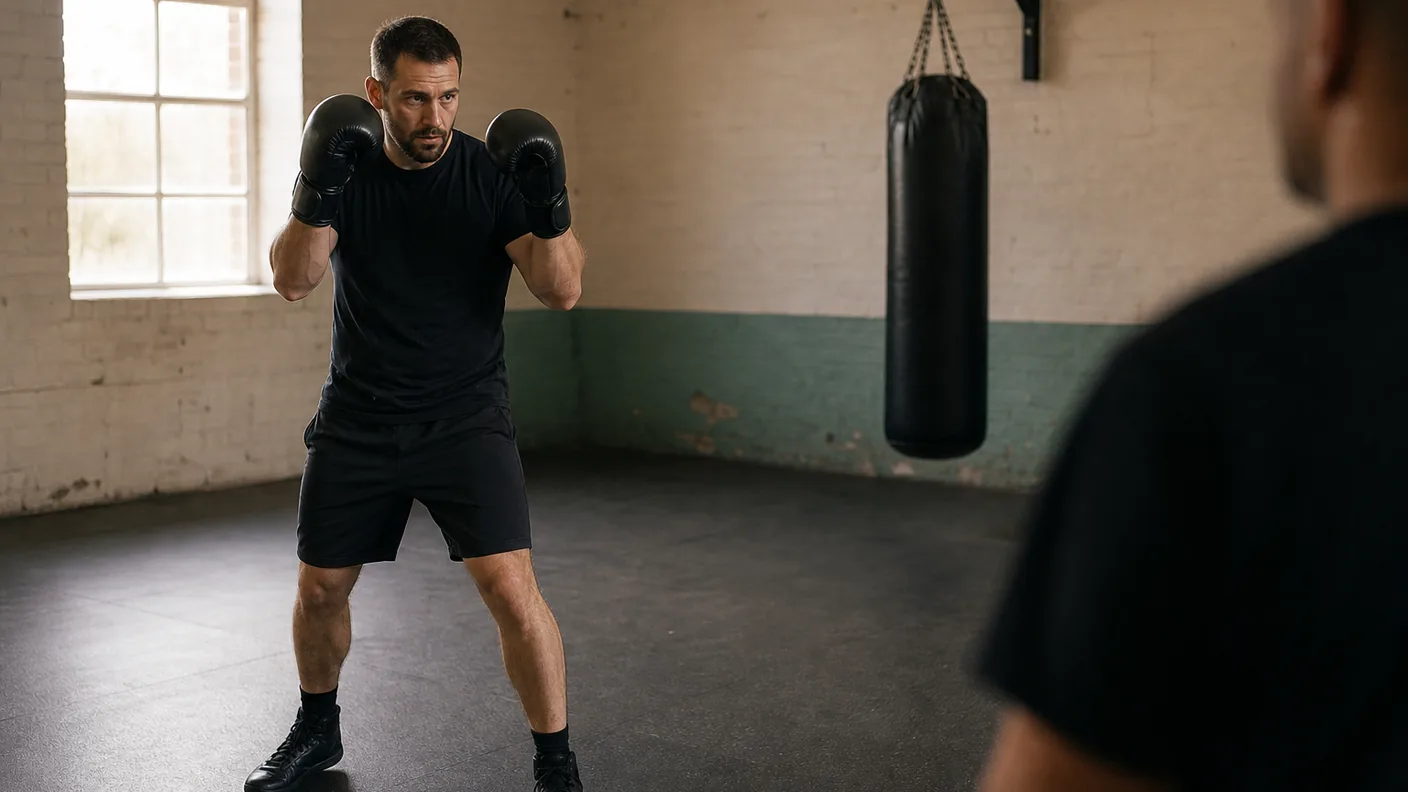
A cramped boxing guard can turn the shoulders away from clean straight punches. Use this simple check to keep your stance useful.
Was this page helpful?
It takes one tap, and it genuinely helps.
Choose your next step
Turn this article into the right action
Some readers are ready to book. Some need the class route first. Pick the route that matches what you actually want.