Which Boxing Style Suits Your Personality? The Honest Guide
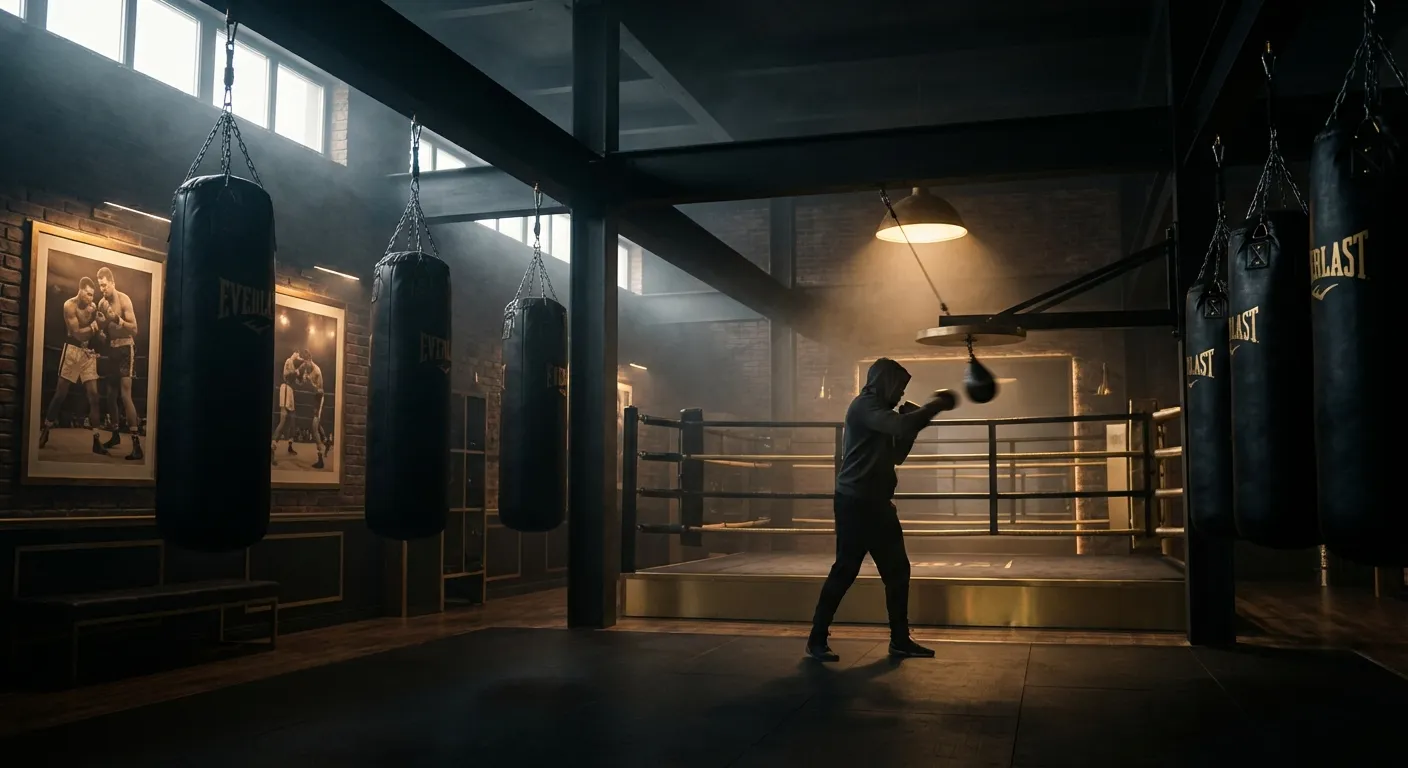
Biomechanical research on boxing styles documents the technical differences between pressure fighting, counter punching, and out-boxing approaches. Public fighter records categorise professional boxers by their primary technical approach.
Walk into any decent boxing gym and within a few weeks you can predict, with reasonable accuracy, which style each new member is going to develop. It is not just about physical attributes - height, reach, speed. It is about personality.
This is not pseudoscience. Coaches have observed it for generations. The way you approach problems, manage risk, and respond to pressure in everyday life tends to manifest in the ring.
Understanding your natural tendencies does not mean you are limited to one style. But it does help you understand where learning will feel natural and where you will have to work harder.
The Out-Boxer / Boxer-Puncher
Personality traits: Analytical, patient, comfortable with process over outcome. Likes to understand a situation before committing. Risk-averse in business or personal decisions. Often described as calm under pressure.
In the ring: Prefers to control distance, use the jab, and force the opponent to come to them. Scores and moves. Values not getting hit as highly as landing punches. Takes a longer view of rounds.
Natural strengths: Picks up footwork and defence quickly because these require spatial intelligence and the willingness to not always be "doing something". Develops the jab naturally because the jab is a patient punch.
Natural challenges: Getting drawn into exchanges. Tends to overplay movement at the expense of committing to punching. Can become predictable.
Who this looks like: Muhammad Ali, Floyd Mayweather, Vasyl Lomachenko.
The Pressure Fighter / In-Fighter
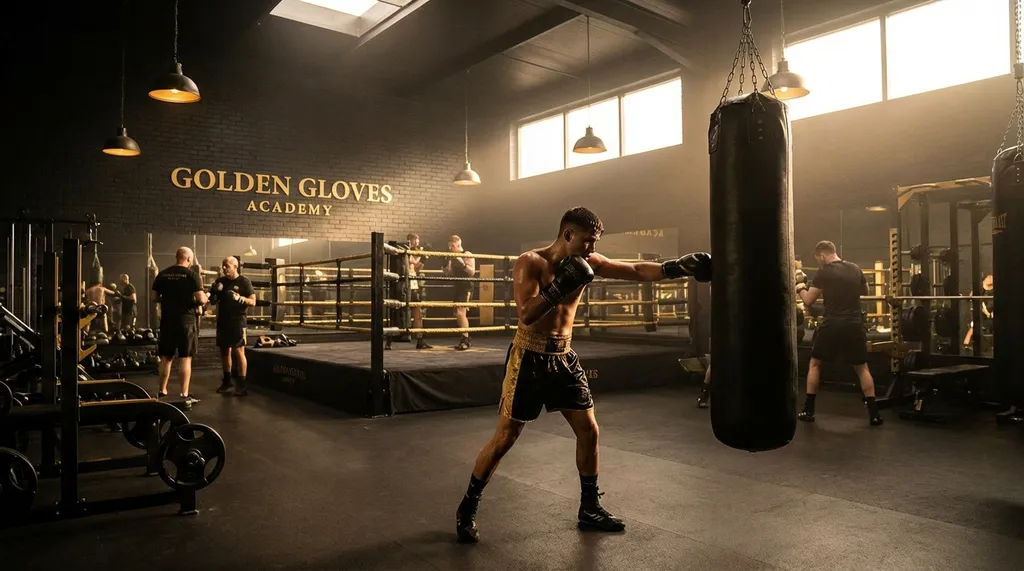
Personality traits: Action-oriented, high energy, uncomfortable with passive situations. Makes decisions quickly. Dislikes complexity and prefers direct approaches. Often described as intense.
In the ring: Advances constantly, cuts off the ring, forces exchanges at close range. Bases approach on conditioning - can sustain higher work rates than opponents over multiple rounds.
Natural strengths: Work rate comes naturally. Does not struggle with the mental side of committing to an attack. Naturally aggressive and this is an asset.
Natural challenges: Patience. Learning to pick shots rather than throw volume. Defence - tends to take punches in order to land, which works until it does not. Footwork can be neglected because forward movement feels intuitive.
Who this looks like: Joe Frazier, Ricky Hatton, Gennady Golovkin.
The Counter-Puncher
Personality traits: Reactive rather than proactive. Good at reading situations and responding to what is happening rather than imposing a plan. Comfortable in a support role. Strong at problem-solving under pressure.
In the ring: Waits for the opponent to commit, then exploits the opening created by the commitment. At their best, make opponents feel like everything they throw lands cleanly while every reply misses.
Natural strengths: Reads the game well. Develops the slip and roll naturally because they are watching the opponent closely. Often technically clean because they are reactive - they respond to what they see rather than executing a pre-planned sequence.
Natural challenges: Being too passive when pressing is required. Needs a willing opponent to work off - if the other fighter does not throw, the counter-puncher has nothing to work with.
Who this looks like: Juan Manuel Marquez, James Kirkland Arm (at his best), Pernell Whitaker.
The Swarmer / Brawler
Personality traits: High competitive drive. Dislikes technical complexity - wants to get things done. Uncomfortable with too much strategy. Strong will and comfort with physical discomfort. Gets energy from other people's energy.
In the ring: Volume puncher, comfortable in close, bases approach on physicality and work rate rather than technique. Often the most entertaining fighter to watch, and often the one who takes the most punishment too.
Natural strengths: Conditioning work. Naturally motivated in training. Pressure - intimidation is a real factor.
Natural challenges: Technical refinement. Tends to resist instruction that slows them down. Defence is often an afterthought. As they get older or face better technical opponents, the approach becomes costly.
Who this looks like: Rocky Marciano, Mickey Ward, many club-level amateur fighters in their early training.
Why This Matters in Training
A good coach identifies natural tendencies early and works with them before working against them. There is no point spending the first six months trying to make a natural pressure fighter into a subtle out-boxer. Build on instinct, then expand from it.
At the same time, every style has weaknesses that can be exploited. The most complete fighters are those who develop competence across styles - who can box when boxing is working and press when pressing is needed.
The categories above are starting points, not ceilings.
The Truth About Style Development
Most people do not fit neatly into one category, particularly in the early months of training. Your style emerges through practice, not instruction.
What you can do is notice your natural reactions. When you are under pressure, do you move away or move in? When you see an opening, do you commit immediately or wait to confirm it? When you are tired, do you slow down or speed up?
These instincts are data. Use them.
If you want to start finding out which style you naturally gravitate towards, the only way is to train. The Adult Recreational class at Honour and Glory runs Monday, Wednesday and Friday evenings. Come in, work with the coaches, and start developing your understanding.
H&G Team
Writer at Honour & Glory Boxing Club, a community boxing gym in Kidbrooke, South East London.
KEEP READING
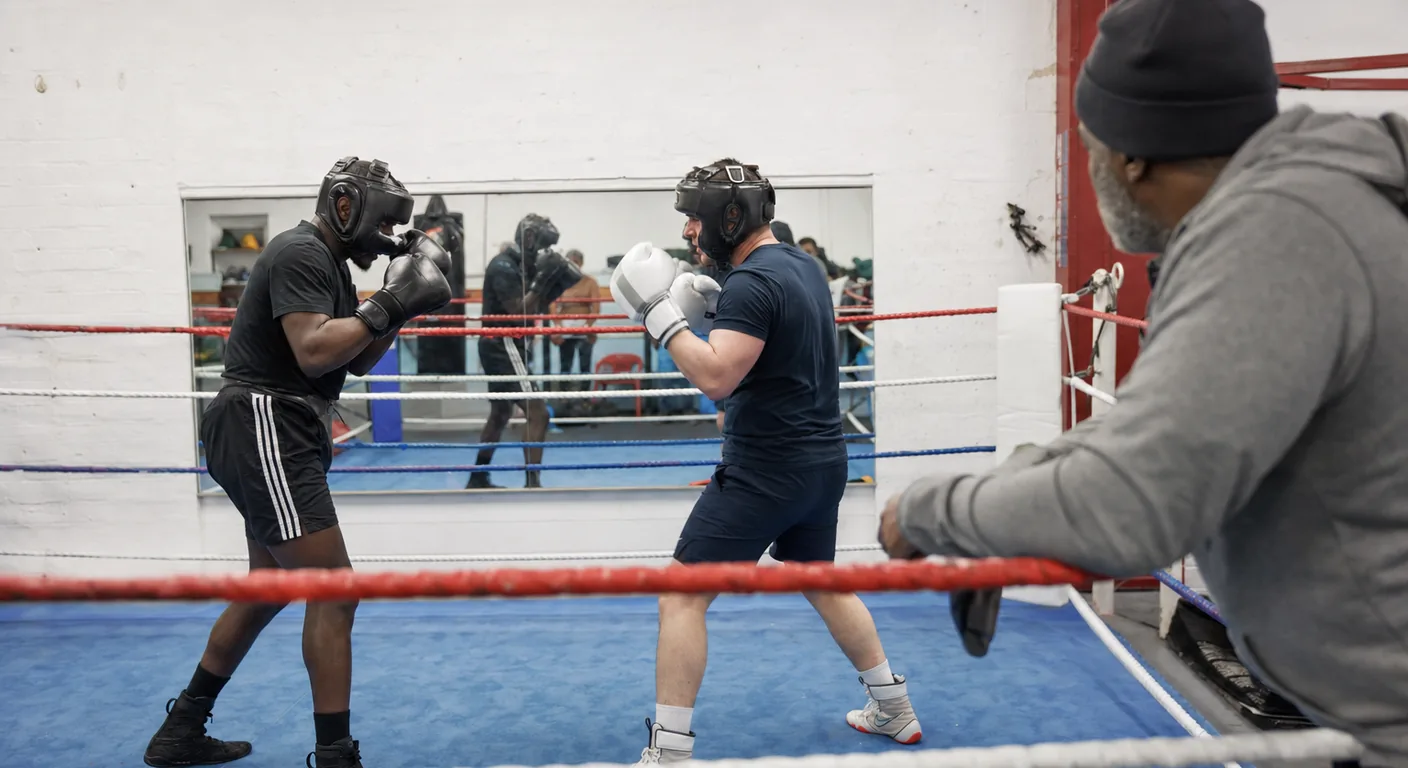
How to Box Against Any Fighting Style
Slugger, pressure fighter, out-boxer or counter-puncher: here is how to spot the problem and box with a cleaner plan.
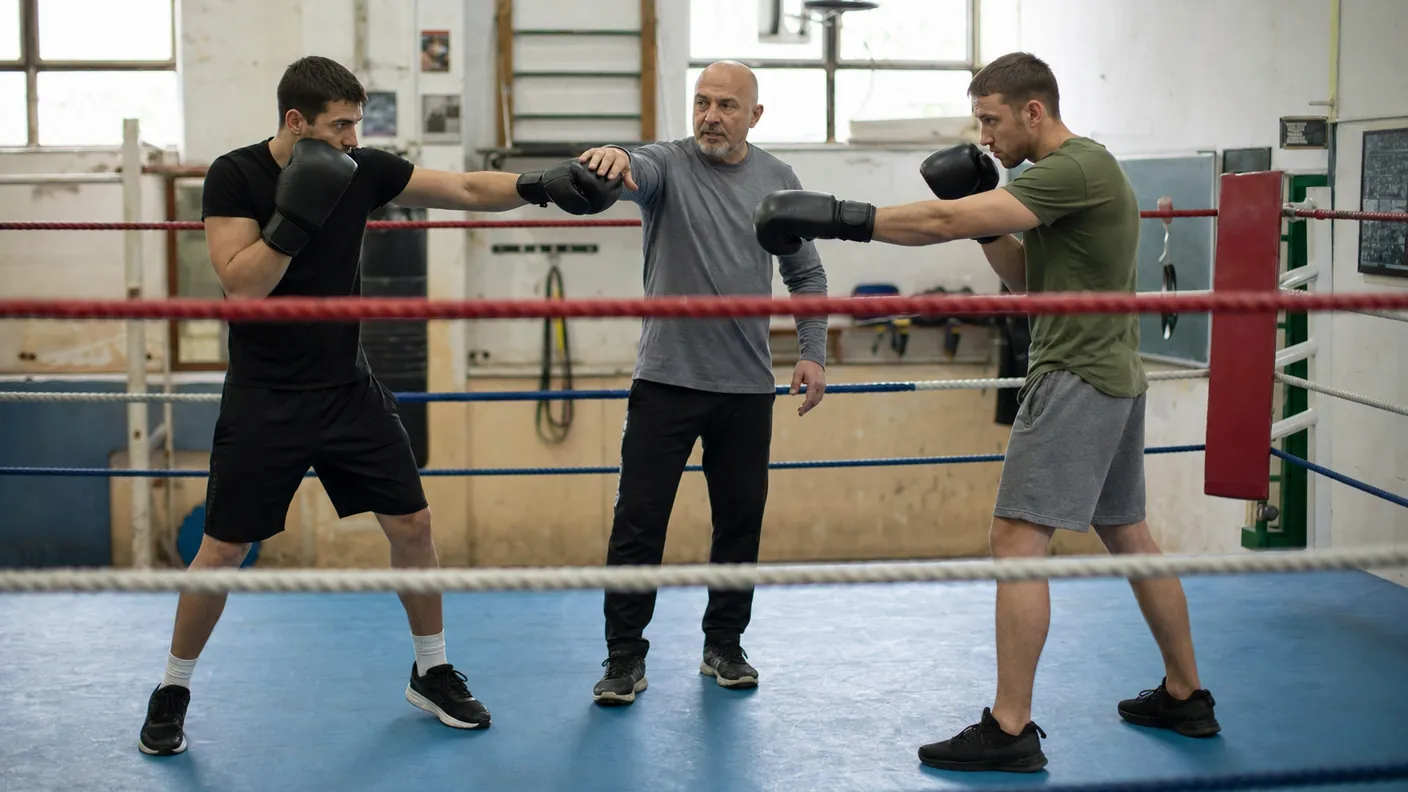
Boxing Range: Stop Throwing the Wrong Punch
Learn the five boxing ranges, which punches fit each distance, and why beginners miss when they throw from the wrong place.
Is Boxing Without Sparring Worth It?
Many people who box recreationally never spar and never compete. Is the training worthwhile without those elements? The honest answer from coaches and members.
Was this page helpful?
It takes one tap, and it genuinely helps.
Choose your next step
Turn this article into the right action
Some readers are ready to book. Some need the class route first. Pick the route that matches what you actually want.