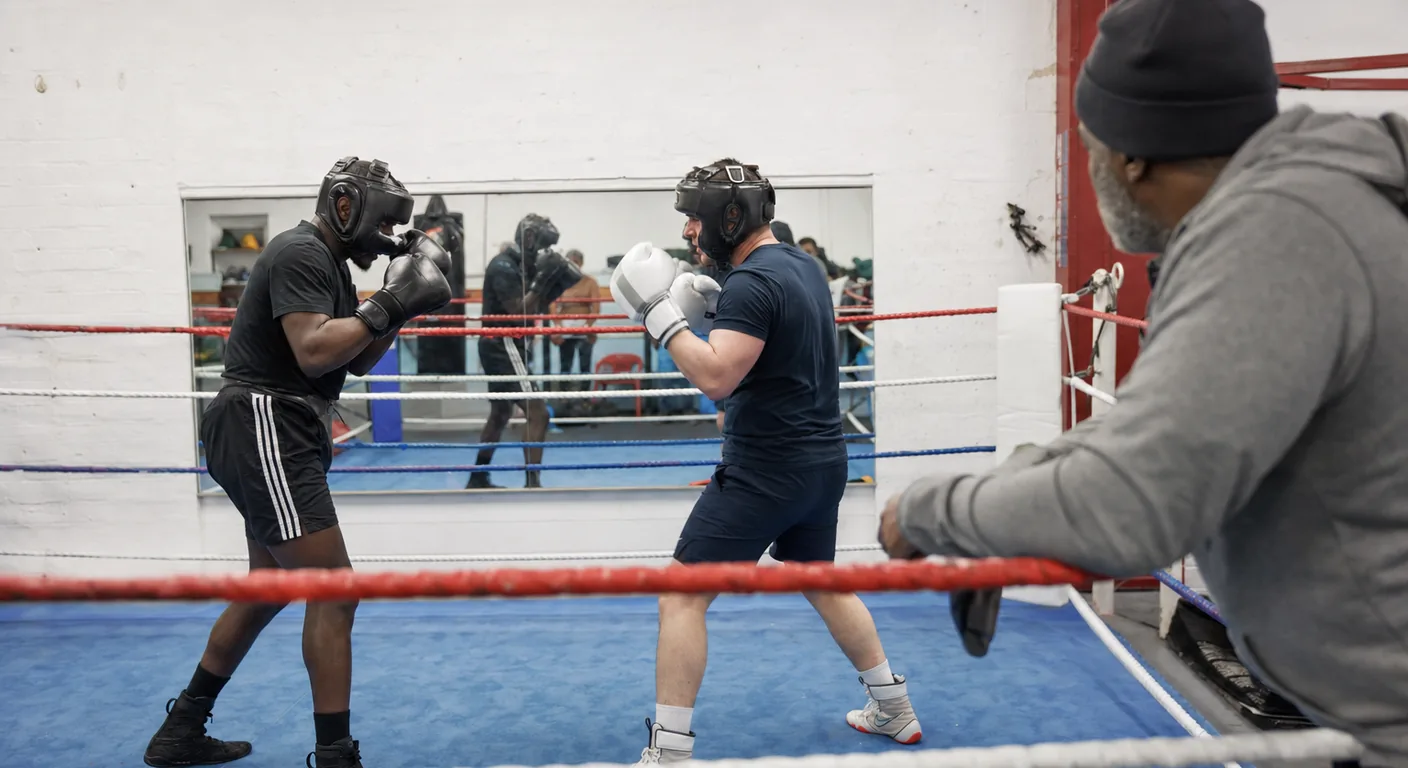
Most beginners think boxing styles are personality labels. Slugger. Pressure fighter. Out-boxer. Counter-puncher. People hear those words and start asking which one they are.
That is the wrong first question.
In training, styles matter because they create different problems. A slugger makes you pay for being lazy at close range. A pressure fighter makes you work when you want to rest. An out-boxer makes you chase. A counter-puncher makes you doubt every attack.
Your job is not to become obsessed with labels. Your job is to recognise the problem quickly, stay calm, and make better decisions than the person in front of you. Research on boxing match analysis and technical profiles makes the same broad point in a more formal way: different boxing approaches create different movement, punch, and distance patterns.
Here is the cleaner version for the gym.
First, stop guessing from the first exchange
You can misread someone in the first 20 seconds.
A nervous beginner might rush forward and look like a pressure fighter. A tired boxer might back up and look like an out-boxer. A strong puncher might throw one big right hand and make you decide they are a slugger before you have seen enough evidence.
Watch the pattern, not the moment.
Ask three questions:
- Where do they want the fight to happen?
- What punch or position are they trying to create?
- What do they do when their first idea fails?
That third question matters most. Good boxers have a second answer. Less experienced boxers tend to repeat the first answer harder.
If someone keeps stepping in with heavy single shots, you are dealing with a different problem from someone who keeps edging forward behind a guard. If someone circles away and jabs, that is different again from someone who waits, slips, and counters.

How to box against a slugger
A slugger wants one thing above everything else: a clean, damaging exchange.
They may not be crude. Plenty of strong punchers set traps well. But the shape of the problem is simple. They want you close enough, upright enough, and still enough for the big shot to matter.
The mistake is trying to prove toughness. Beginners do this all the time. They get clipped, feel embarrassed, then stand their ground and answer with something even bigger. That is exactly the fight the slugger wants.
Against a slugger, your first job is to make the big shot arrive at the wrong distance.
Do not admire your own work after punching. Touch, step, turn. If you jab, let the jab move your feet as well as your hands. If you land a right hand, do not hang around with your chin on the centre line. Make them reset before they can load again.
Three habits help:
Keep your exits small and early
You do not need to sprint away. A half-step back, a slight angle, or a pivot can be enough. The key is timing. Move before the slugger has fully planted.
Make them punch after moving
Power drops when the feet are not set. If you can make the puncher step, turn, reach, or punch while slightly off balance, the threat changes.
Do not trade hooks for ego
If the other boxer is built for short, heavy shots, do not give them a voluntary hook contest. Use the jab, straight right, frame, step out, and reset.
The goal is not cowardice. The goal is to be difficult to hit clean. A slugger who keeps missing by six inches starts spending energy and confidence very quickly.
Our guide to ring generalship and controlling the fight goes deeper on this idea: you are not only trying to land. You are trying to decide where the fight takes place.
How to box against a pressure fighter
A pressure fighter does not need one perfect punch. They want the round to feel crowded.
They come forward, cut space, make you work, and keep asking whether you can stay organised while tired. The good ones are patient. They do not just chase. They take away your exits and make the ring feel smaller. That is why experienced coaches describe pressure as controlled aggression rather than blind forward movement, a point made well in ExpertBoxing's pressure-fighting guide.
The mistake is running backwards in straight lines.
That gives the pressure fighter everything. They can follow your feet, build momentum, and start timing you as you retreat. Worse, you often end up on the ropes with your stance broken and your breathing high.
Against pressure, the phrase to remember is this: make entry expensive.
That does not mean throwing wild punches every time they step in. It means they should not be allowed to walk into range for free.
Use the jab to touch their chest, shoulder, or head. Step off after you touch. Turn them when they square up. If they keep coming in behind a high guard, change level and touch the body. If they rush from too far away, meet them with a straight shot and move before the second phase begins.
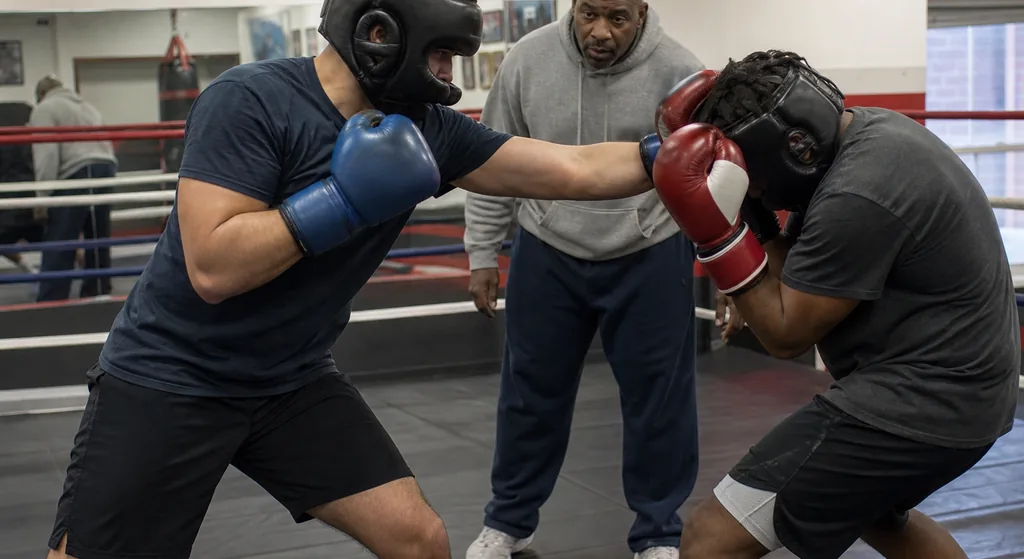
The best pressure fighters are tiring to face because they make you panic. Do not help them. Breathe, keep your stance, and win small moments.
You are not trying to escape the whole round in one dramatic movement. You are trying to deny them clean entries again and again.
That is why body shots matter here too. Good pressure usually depends on rhythm. A jab to the chest, a short right to the body, or a quick hook downstairs can interrupt that rhythm without needing a heroic exchange. Our article on the Mexican boxing style and pressure fighting explains why body work and forward pressure are connected when they are done properly.
How to box against an out-boxer
An out-boxer wants range, rhythm, and time.
They want you standing just outside your own punching distance while they touch you with the jab. They want you reaching. They want you following in a straight line. They want you frustrated enough to throw from too far away.
The mistake is chasing the head.
If you follow an out-boxer around the ring looking for one big shot, you will usually look worse as the round goes on. You will miss more, breathe harder, and become easier to turn.
Against an out-boxer, your first job is to win foot position before you punch.
That may sound less exciting than a knockout plan, but it is the real work. Step in behind the jab. Cut the ring rather than follow. Feint before entering. Make the out-boxer show you where they are going before you commit.
There are three practical cues:
Step to the exit, not the opponent
If they keep moving left, do not follow their chest. Step toward the space they want next. You are not trying to catch where they are. You are trying to arrive where they are going.
Touch the body when the head is gone
Out-boxers are good at pulling the head out of range. The body cannot disappear as quickly. A safe touch downstairs can stop them floating away untouched.
Feint before you rush
A feint asks a question. Do they step back? Do they parry? Do they throw the counter? Once you have that answer, your real entry is less blind.
You do not beat an out-boxer by becoming impatient. You beat them by taking away the comfort that lets them look patient.
How to box against a counter-puncher
A counter-puncher wants you to start the conversation badly.
They are waiting for the lazy jab, the overcommitted right hand, the dropped left hand after you hook, or the big step that leaves your chin behind your knee. Their best moments happen when you give them a clean trigger.
The mistake is thinking the answer is to stop punching.
If you freeze completely, they have won a different way. You become passive. They can touch you first, draw a reaction, then counter the reaction. So the answer is not fear. The answer is better entries and better exits.
Against a counter-puncher, use layers.
Feint before you jab. Jab to the chest before you jab to the head. Punch in twos rather than lonely singles. Finish with your guard back in place. If you miss, do not stand there waiting to find out what they think of it.
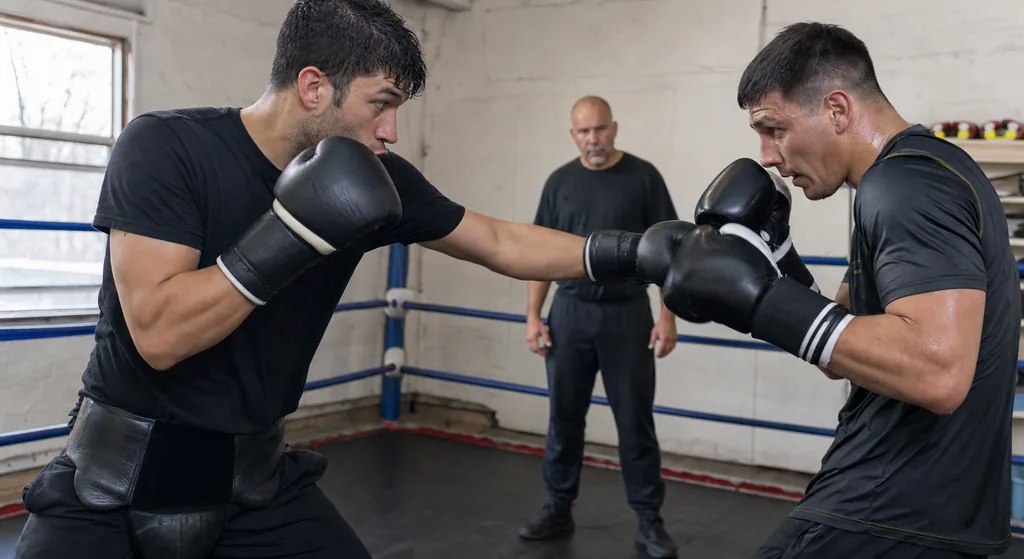
A counter-puncher hates being made to react first. If you can draw their counter with a feint or a safe touch, you can attack the next beat rather than walking into the first one.
This is where boxing IQ becomes more than a phrase. Smart boxing is not always a clever combination. Sometimes it is noticing that your opponent only counters after your right hand, then giving them a false right hand and punishing the answer.
The first 10 rounds tell you more than the labels
For newer boxers, the first 10 sparring rounds against different partners teach a useful lesson: almost nobody fits a clean label.
The slugger might jab better than expected. The pressure fighter might box on the back foot when tired. The out-boxer might suddenly plant and punch. The counter-puncher might lead if you give them too much respect.
That is why good coaching matters. You need someone watching the pattern from outside the exchange. When you are inside it, everything feels urgent. From the corner, a coach can usually see the simple truth: you are backing up too straight, throwing from too far away, loading up, forgetting the body, or giving the same entry every time.
Most tactical fixes are not glamorous. They are small and boring until they start working.
A better step. A calmer jab. A cleaner reset. A body touch at the right time. A feint before the real attack.
Those details are what turn styles from mysterious identities into solvable problems.
The simple rule for beginners
Do not ask, "What style am I?" too early.
Ask, "What problem is in front of me, and what is the simplest answer?"
Against the slugger, deny the clean trade. Against the pressure fighter, make entry expensive. Against the out-boxer, win the feet before chasing the head. Against the counter-puncher, use feints and safer first touches.
That is enough to make your sparring calmer and more useful.
If you are in Greenwich or nearby and want to learn this properly, our Recreational Adults boxing classes are built around coached rounds, footwork, pad work, and controlled partner drills. You do not need to know your style before you start. You need a room where someone can help you see what is happening.
H&G Team
Writer at Honour & Glory Boxing Club, a community boxing gym in Kidbrooke, South East London.
KEEP READING

Shift Counter in Boxing: Punch as You Move
Learn the shift counter: a simple way to step off pressure and punch while you change angle, instead of backing up in panic.
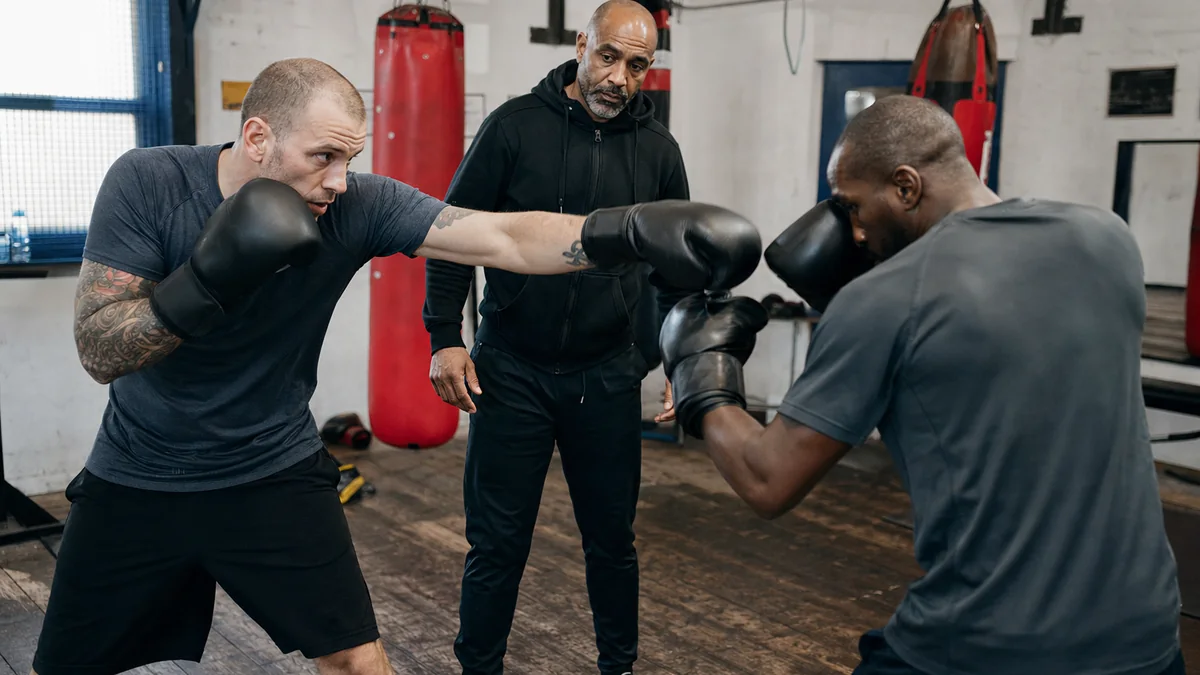
What to Do After You Punch in Boxing
Most beginners only think about landing the shot. Good boxing starts with what happens next: reset, exit, angle, or build the next phase.

Which Boxing Style Suits Your Personality? The Honest Guide
Your personality really predicts which boxing style you will learn fastest and enjoy most. Here is how to identify where you might naturally fit.
Was this page helpful?
It takes one tap, and it genuinely helps.
Choose your next step
Turn this article into the right action
Some readers are ready to book. Some need the class route first. Pick the route that matches what you actually want.