Boxing Diet for Teenagers: What Young Boxers Should Eat
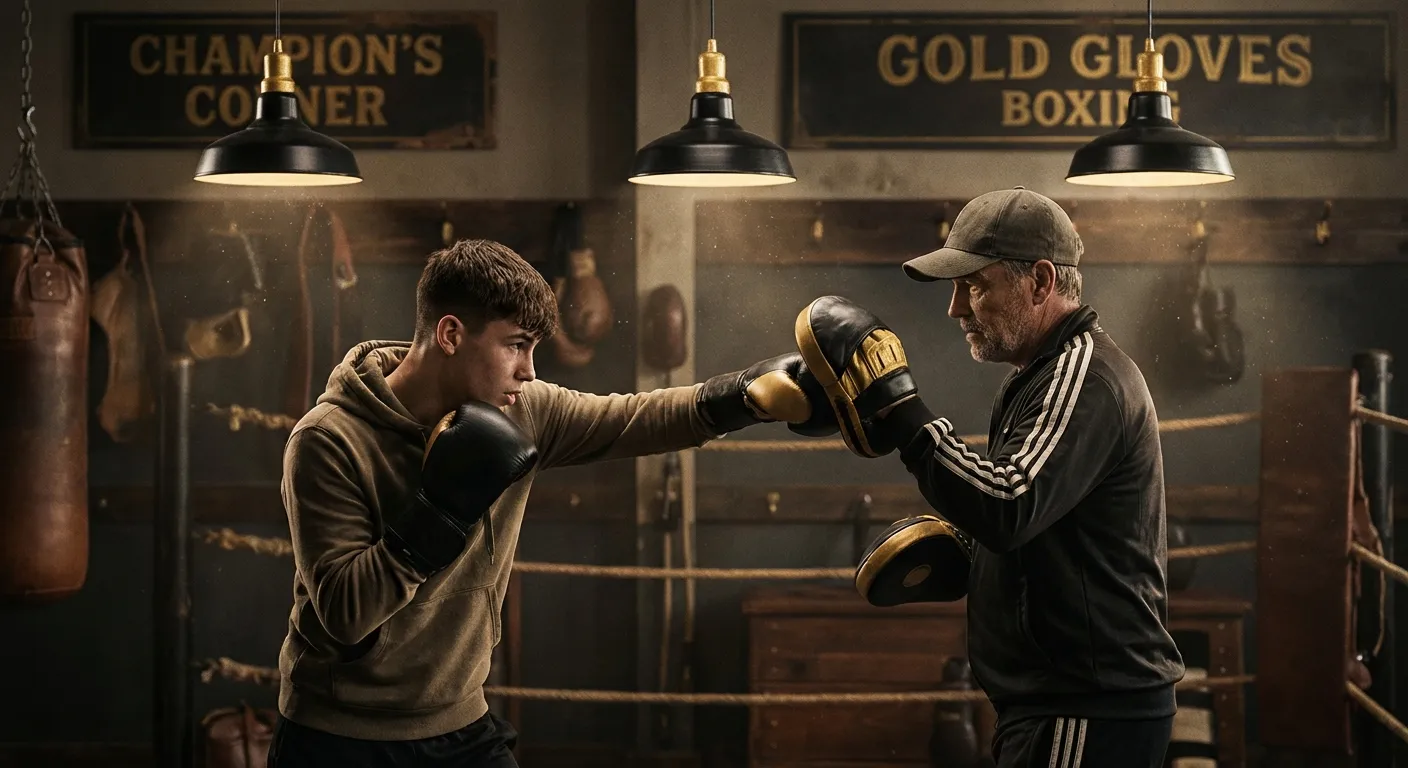
Teenage athletes have specific nutritional needs that generic sports nutrition advice does not fully address. Growth requires nutrients. Training requires energy. The combination creates demands that are higher per kilogram of bodyweight than at any other stage of life.
Here is the practical guide for teenage boxers and their parents.
The short version: feed growth first. A teenage boxer needs enough total food, plenty of protein spread across the day, and carbohydrates for training energy - not weight cutting, and not supplements. Get those basics right and the rest is detail.
The Priority Order
For teenage boxers, the nutritional priority order is different from adult athletes.
First: adequate total energy. Teenagers who restrict calories to make weight, who are skipping meals to manage weight class, or who are chronically underfuelled are harming both their development and their boxing. Growth takes precedence over any weight class ambition.
Second: sufficient protein. Teenage muscle development requires protein. The general recommendation for training teenagers is 1.4-1.7g of protein per kilogram of bodyweight daily. This is achievable through regular meals without supplementation.
NHS guidance on teenage nutrition recommends 45-55g protein daily for teenagers in active sport. Research on adolescent athlete nutrition from Loughborough University covers the specific requirements for teenage combat sport athletes.
Third: adequate carbohydrates. The energy for training and recovery comes primarily from carbohydrates. Low-carbohydrate approaches are inappropriate for training teenagers.
Fourth: everything else - micronutrients, timing, specifics.
The Weight Class Warning
Weight cutting - the practice of rapidly losing water weight before a weigh-in to compete in a lower weight class - is dangerous for teenagers and is explicitly discouraged by England Boxing at junior levels (source).
If your teenage boxer is trying to make weight through dehydration or food restriction in the days before a bout, this needs to stop. The risks include growth impairment, cognitive effects during competition, and dangerous electrolyte imbalances.
Competing at natural weight is the appropriate approach for developing boxers.
What to Eat Around Training
Before training (2-3 hours): A normal meal. Carbohydrate-focused but including protein. Rice, pasta, or bread with protein source. Nothing too heavy or fatty.
During training: Water. Sports drinks are not necessary for sessions under ninety minutes. Keep hydration consistent throughout.
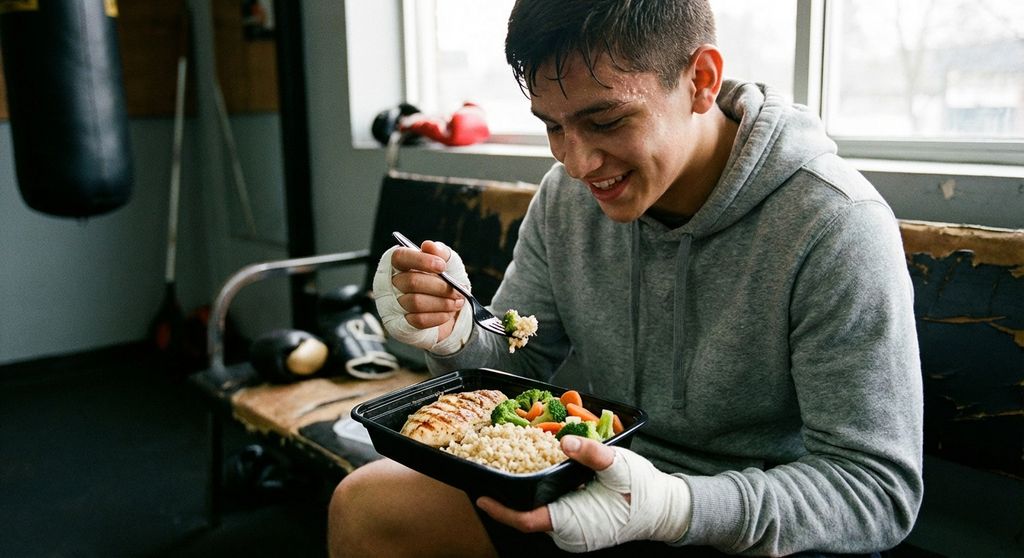
After training (within 30-60 minutes): Protein and carbohydrates together. This is the window where muscle repair and glycogen replenishment are most efficient. A milk and banana combination, a sandwich with protein filling, or a recovery shake are all appropriate.
Practical Meal Planning for Young Boxers
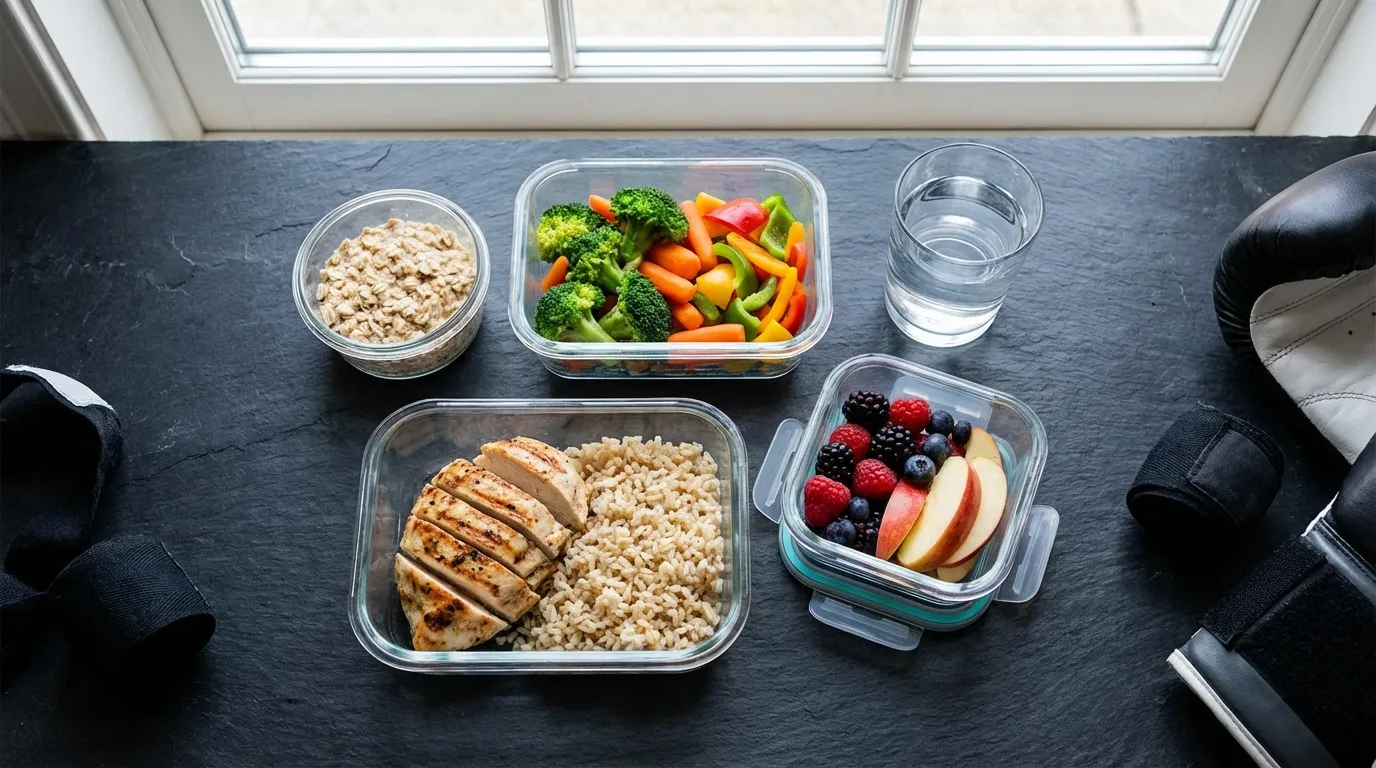
The simplest approach: three meals per day with two snacks, each meal including protein and carbohydrates.
Breakfast: eggs on toast, or overnight oats with milk. Protein and carbs.
Mid-morning snack: fruit with yogurt or nut butter.
Lunch: sandwich or wrap with protein filling, plus fruit.
Pre-training snack (if training is in the evening): banana and peanut butter, or similar.
Post-training: protein-carbohydrate combination within an hour of finishing.
Dinner: normal family meal. The priority is getting enough of what the body needs, not elaborate sports nutrition.
Easy protein sources to build meals around: eggs, milk, Greek yoghurt, chicken, turkey, tuna, beef mince, beans and lentils, cheese, and peanut butter. Most teenage boxers hit their protein target just by including one of these at every meal and snack - no powders required.
Supplements
Teenage boxers do not need protein shakes, pre-workouts, creatine, or any sports supplement. These are adult tools for specific adult training contexts.
The one exception: vitamin D, which is commonly insufficient in the UK particularly in winter months, especially for teenagers who spend most of their day indoors. A standard vitamin D supplement through autumn and winter is appropriate.
At Honour and Glory, nutrition questions about young boxers are best discussed with the coaches at the gym. General guidance like the above is a starting point - individual situations vary.

H&G Team
Writer at Honour & Glory Boxing Club, a community boxing gym in Kidbrooke, South East London.
KEEP READING
The Boxing Diet - What Boxers Actually Eat
Forget the Hollywood montages of raw eggs. Here is what boxers really eat to fuel training, make weight, and perform at their best.
What Do Professional Boxers Eat?
Ever wondered what professional boxers eat to stay in fighting shape? Here is a detailed look at the diets behind elite fighters.
Boxing Diet Plan for Beginners
Starting boxing and confused about nutrition? Here is a simple, practical diet plan that will not overwhelm you.
Was this page helpful?
It takes one tap, and it genuinely helps.
Choose your next step
Turn this article into the right action
Some readers are ready to book. Some need the class route first. Pick the route that matches what you actually want.