
England Boxing's official weight categories define the full range of amateur weight divisions. Professional weight-class definitions document both the amateur and professional systems and where they diverge.
Boxing has seventeen recognised weight classes, though this number has varied across different sanctioning bodies and eras. The classes exist to make competition fair by ensuring fighters of similar size face each other.
Here is each class, explained.
Why Weight Classes Exist
Before regulated weight classes, boxers competed across broad weight ranges. A smaller, faster fighter could face a much heavier opponent. This produced some memorable fights but was inherently unfair and often dangerous.
The modern weight class system developed gradually through the nineteenth and early twentieth centuries. The proliferation of classes - from the original handful to the current seventeen - reflects both a better understanding of the distinct athletic challenges at different weights and commercial pressure to create more championship opportunities.
The downside of too many classes is that the word "champion" becomes diluted. When there are four major sanctioning bodies each with a champion at each of seventeen weight classes, there can theoretically be sixty-eight "world heavyweight champions" simultaneously. The significance of the title is undermined.
The undisputed champion - the fighter who holds all major titles in a single weight class simultaneously - is the real meaningful designation. At most weights, there is no current undisputed champion.
The Classes (Professional Boxing)
Strawweight / Minimumweight
Upper weight limit: 105 pounds (47.6 kg)
The lightest class. Contested primarily in Asia and Latin America. Rarely promoted in the UK or Europe. The fighters are technically skilled but have little knockout power by necessity.
Light Flyweight / Junior Flyweight
Upper weight limit: 108 pounds (49 kg)
Still very light. British and European competition at this level is sparse.
Flyweight
Upper weight limit: 112 pounds (50.8 kg)
The lightest weight class with significant history in Britain. Benny Lynch was a legendary British flyweight champion. Charlie Magri held the world title in the 1980s.
Super Flyweight / Junior Bantamweight
Upper weight limit: 115 pounds (52.2 kg)
Bantamweight
Upper weight limit: 118 pounds (53.5 kg)
A weight class with significant British history. Duke McKenzie held a world title at bantamweight. Active class globally.
Super Bantamweight / Junior Featherweight
Upper weight limit: 122 pounds (55.3 kg)
Featherweight
Upper weight limit: 126 pounds (57.2 kg)
Barry McGuigan is the most famous British featherweight. One of the most watched weight classes historically, partly because featherweights tend to combine good speed with enough power to finish fights.
Super Featherweight / Junior Lightweight
Upper weight limit: 130 pounds (59 kg)
Lightweight
Upper weight limit: 135 pounds (61.2 kg)
One of the most active weight classes globally. Caroline Dubois is the current prominent British lightweight.
Super Lightweight / Junior Welterweight
Upper weight limit: 140 pounds (63.5 kg)
Welterweight
Upper weight limit: 147 pounds (66.7 kg)
Perhaps the richest weight class in boxing history, given that Sugar Ray Robinson and Sugar Ray Leonard both competed here. Sandy Ryan is the current British world champion at this class.
Super Welterweight / Junior Middleweight
Upper weight limit: 154 pounds (69.9 kg)
Middleweight
Upper weight limit: 160 pounds (72.6 kg)
Traditionally one of the most celebrated weight classes. Randolph Turpin was the notable British world champion. Chris Eubank Sr fought much of his career here.
Super Middleweight
Upper weight limit: 168 pounds (76.2 kg)
Chris Eubank Jr. and Joe Calzaghe are the most prominent British fighters at this class.
Light Heavyweight
Upper weight limit: 175 pounds (79.4 kg)
Cruiserweight
Upper weight limit: 200 pounds (90.7 kg)
Heavyweight
No upper weight limit - any fighter above cruiserweight competes here.
The heavyweight division gets the most attention and the biggest prize money. Lennox Lewis, Anthony Joshua, and Tyson Fury are the notable British world champions.
Amateur Boxing Weight Classes
The England Boxing and international amateur system uses somewhat different weight classes from the professional game. The categories are adjusted periodically and differ for junior, youth, and senior competition (source)).
The principle is the same - fighters are matched by weight - but the specific limits and the naming conventions differ. Your coach at an ABA-affiliated club can advise on the exact class for your current weight.
What Class Would You Compete In?
If you are interested in eventual amateur competition through the Honour and Glory Amateur programme, your natural weight class is simply your current walking-around weight, or close to it.
Most amateur competitors do not cut weight significantly. Competing at or near your natural weight is both safer and more effective for development fighters. Aggressive weight cutting is a professional-level tactic with real health risks, not something appropriate at the amateur level.
Ask the coaches when you come in for your free trial session and they will explain what the amateur pathway looks like from where you are now.
H&G Team
Writer at Honour & Glory Boxing Club, a community boxing gym in Kidbrooke, South East London.
KEEP READING
How to Become a Boxer in the UK
The practical steps to becoming a boxer in the UK, from finding a club to getting your licence. Honest advice from coaches who have taken dozens of beginners through the process.
How to Get Fit Before Your First Boxing Class
People put off trying boxing because they think they need to get fitter first. This is the wrong order of operations. Here is why and what to do instead.
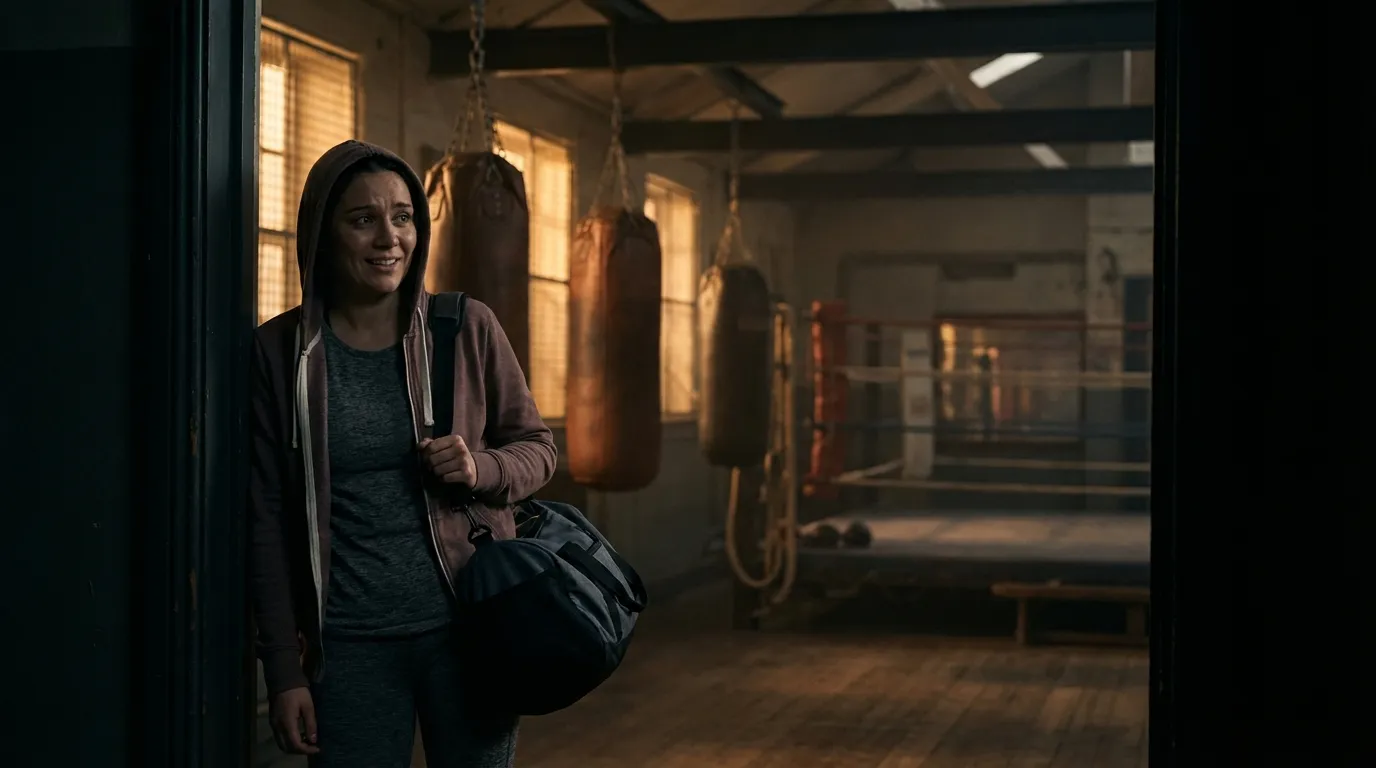
What to Expect at Your First Boxing Class
Nervous about your first boxing class? Here is exactly what happens when you walk through those doors, so you can focus on learning instead of worrying.
Was this page helpful?
It takes one tap, and it genuinely helps.
Choose your next step
Turn this article into the right action
Some readers are ready to book. Some need the class route first. Pick the route that matches what you actually want.