How to Choose a Professional Boxing Trainer in London
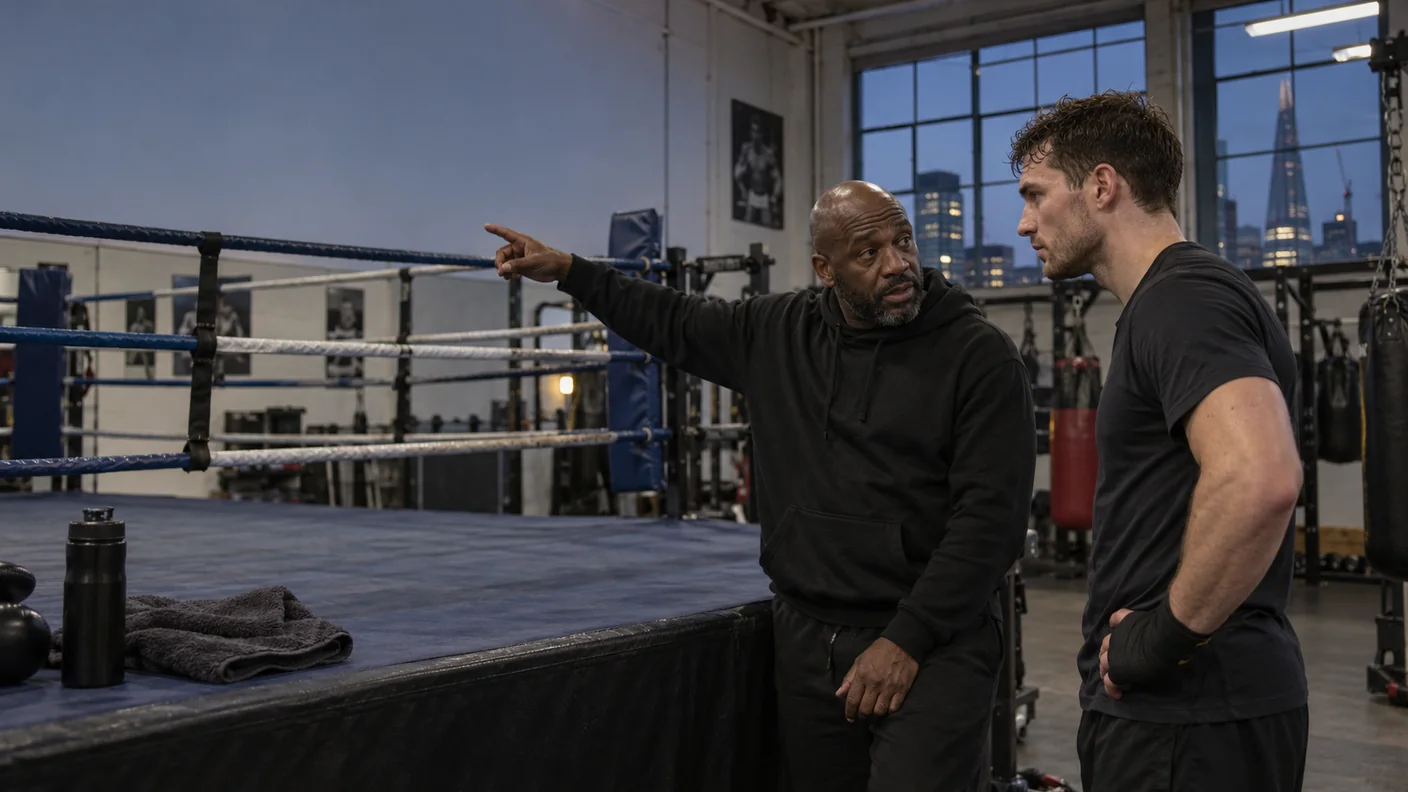
Choosing a professional boxing trainer in London is not about finding the loudest gym, the best-lit padwork clip or somebody who says they can "get you fights". It is about deciding who will supervise your work, what they are licensed to do, whether the relationship fits your current team, and whether you can sustain the arrangement when camp stops being exciting and becomes repetitive.
That applies to an active professional looking at a new base and to a serious amateur preparing to turn over. In both cases, a good first conversation is specific. You should be able to explain your current licence position, division, record, training history, existing trainer and manager arrangements, and what you actually want from a new trainer.
Start with the job, not the label
"Coach", "trainer", "second" and "corner" get used loosely in boxing. They are not interchangeable jobs when you are dealing with professional boxing.
The British Boxing Board of Control describes a trainer/second as someone who may train a boxer in the gym and also act as a second during a contest. Its boxer guidance also says an applicant must be trained and supervised by a licensed trainer/second. That does not mean every trainer is being asked to take every responsibility. It means you need to define the work before you judge whether the person is right for it.
Ask yourself which of these you need:
- Regular technical supervision at a new training base
- A focused block of padwork, tactical work or ringcraft
- A trainer/second for a defined contest
- A clearly limited role within an established corner team
- An honest assessment before you change anything
Those are different discussions. A trainer who is a good fit for a two-week technical block may not be the right person to supervise a full camp. A valuable second for one event may not be asking to become your day-to-day trainer. Begin by naming the actual job rather than hoping the details will settle themselves later.
Check the licence and its scope
Professional boxing is regulated work. Under the BBBofC's 2025 Rules and Regulations, a trainer/second must hold a valid Trainer/Seconds licence and may act as a second. A person holding only a Second's licence may work in the corner, but that licence does not permit them to act as a trainer.
That distinction is not administrative trivia. It is a useful filter when you are choosing who will train you, who will attend a contest, and what you expect them to be accountable for.
Ask plainly:
- What professional licence do you hold, and what role are you available to take on?
- Are you being asked to train me regularly, act as a second for one contest, or both?
- If I already have a trainer, manager or chief second, how would you work alongside them?
- Is there any part of this arrangement that needs to be confirmed with the Board or my existing licensed representatives?
The right answer may be "that is not my role". Treat that as a good sign, not a sales failure. A serious trainer should be clear about the limits of their responsibility instead of blurring coaching, management, matchmaking and promotion into one vague promise.
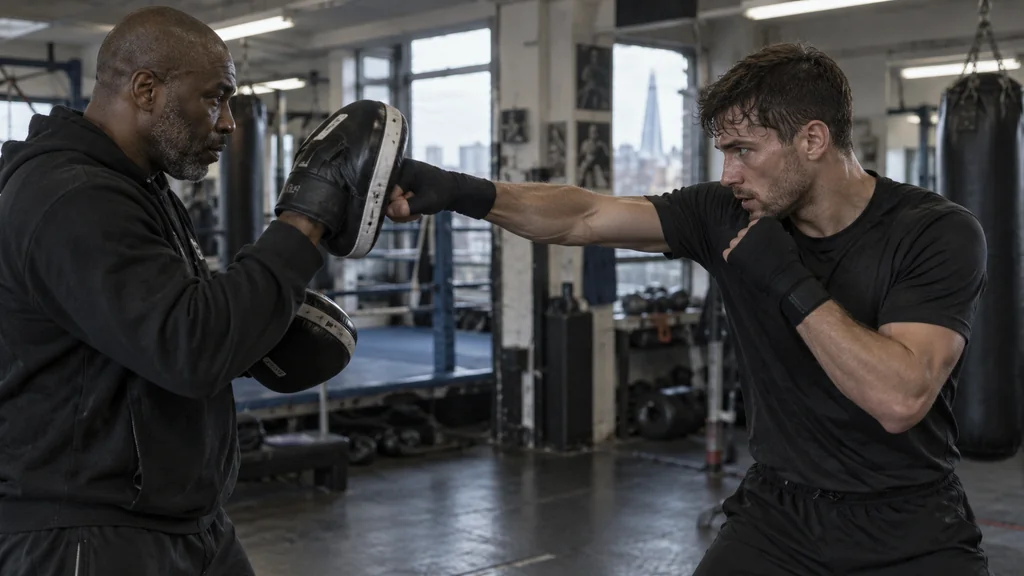
Look for clear responsibility before clever padwork
Good padwork can show timing, movement and communication. It cannot by itself tell you how somebody plans training, handles pressure, manages a corner, or responds when the original plan is not working.
Watch a session if you can. You are not looking for a performance. Look for whether instruction is precise, whether the boxer is being corrected without theatre, and whether the trainer can explain why a drill matters. The best answer might be simple: establish the jab, recover the lead foot after the cross, stop overreaching, or solve one repeatable problem from sparring.
Then ask how the trainer makes decisions between sessions. Who owns the weekly plan? How is sparring chosen and reviewed? What happens when a boxer is carrying fatigue, has a clash with work, or needs a change in volume? These are coaching questions, not requests for medical advice. A trainer should know the difference and should not pretend to replace a doctor, physiotherapist, manager or the Board.
For a serious amateur planning a professional route, this is also where competitive boxing training at H&G can help you test whether a technical environment is right before you make bigger decisions. It is not a professional licence route and it is not a promise that turning over is the next step.
Treat existing relationships with respect
If you are already licensed, you may have a manager, a trainer, a chief second, a promoter arrangement or all four. Do not arrive at a new gym asking for a quick replacement verdict on people who are not in the room. Explain your current position accurately and ask what can realistically be discussed without cutting across an existing agreement.
The Board's rules set out separate roles for managers, promoters, matchmakers and trainer/seconds. Its published boxer page describes a manager as the representative of a boxer under a Boxer/Manager contract, while a trainer/second may train a boxer and act as a second. The Rules and Regulations also set conditions around trainer engagements and retained trainer contracts. Read the current official wording and get appropriate advice on any agreement rather than treating a gym conversation as contract interpretation.
This protects everyone. It gives a prospective trainer a fair picture of the job. It keeps you from creating a problem through loose language. It also makes the first conversation more useful because the focus can stay on coaching fit, logistics and scope.
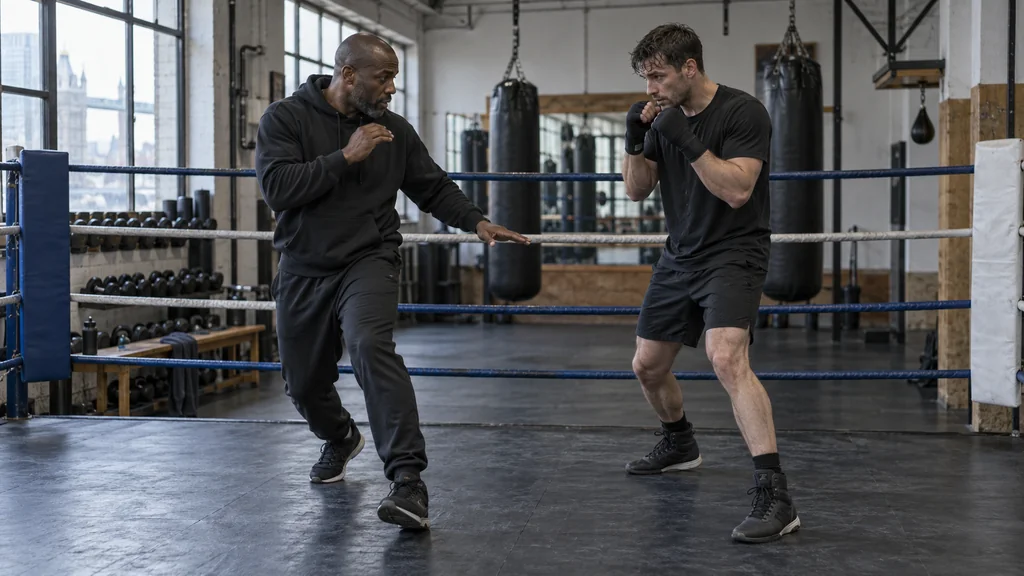
Test whether London logistics work in real life
London has enough boxing gyms to make shortlisting easy and consistent training difficult. A gym can be excellent and still be the wrong choice if the journey turns a six-week camp into three good weeks and three missed sessions.
Be honest about your travel pattern. Where do you live, where do you work, which sessions can you reliably reach, and what happens when you need extra technical work close to a contest? If you are considering a base in South East London, look at the practical journey to Kidbrooke, not just the time shown on a quiet Saturday afternoon.
Ask the trainer what regular attendance would actually look like. Do not ask for a guaranteed camp result. Ask what rhythm they would need to see your development, what can be done in a defined block, and what needs longer-term consistency. A credible answer should be concrete without pretending to predict fights, opportunities or outcomes.
Make the first conversation useful
A private professional conversation works best when both people have enough context to decide whether a second conversation is worthwhile. Bring the useful facts rather than a generic ambition statement:
- Your current status: active professional, preparing to apply, or considering whether turning over is sensible.
- Your division, record or amateur summary, and the level you have been competing at.
- Your current trainer, manager and team setup, including any commitments that matter.
- The support you want to discuss: regular training, a technical block, camp work, licensed second support, hand wraps or an initial assessment.
- Your location, work commitments and realistic availability.
- Any confirmed or provisional date, stated as provisional if it is not fixed.
That information helps a trainer decide whether they can be useful. It does not secure a licence, manager, fight, purse, sponsor, promoter or broadcaster relationship. It should not. Those are separate matters with their own rules, people and decisions.
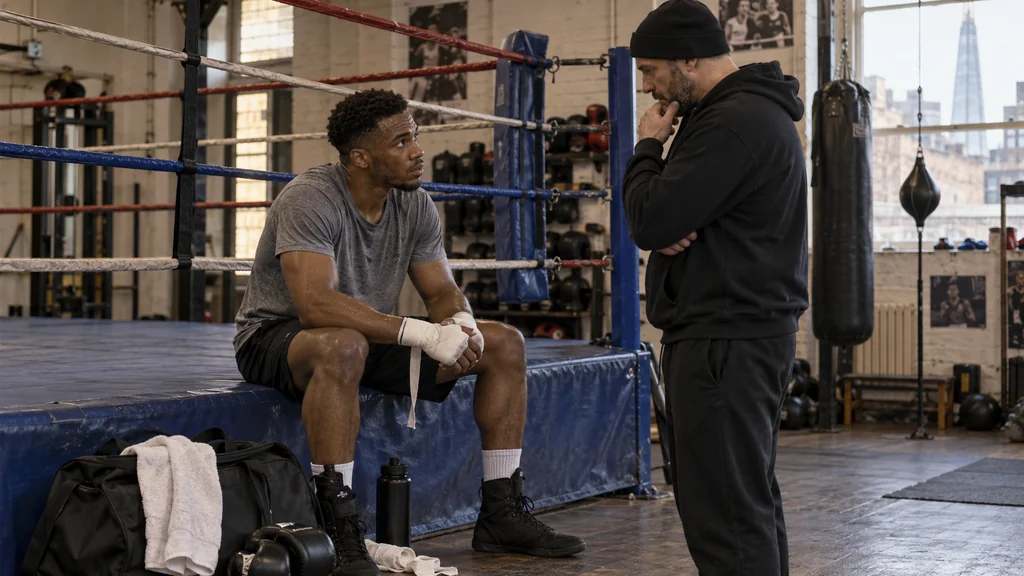
What H&G can discuss, and what it will not promise
At Honour and Glory, Anton Pattenden's professional route is for a private conversation about coaching and licensed trainer/second support. It can start with an active professional career, an amateur preparing to turn over, a defined camp or corner question, professional hand-wrap support, or a potential training-base change.
It is not a claim to act as your manager, promoter or matchmaker. It does not promise licensing, fights, opponents, purses, sponsorship, medical outcomes, weight-loss outcomes, or promoter and broadcaster deals. If the fit is not right, a clear answer is better than a loose promise.
For the regulatory path itself, read our guide to turning professional through the BBBofC application route and our overview of getting a boxing licence in the UK. Both point back to the Board for the official rule position.
Request a private professional conversation
If you are a licensed professional or a serious amateur preparing to turn over, start with the facts of your situation. Explain what you need, who is already involved, and whether you are looking for a regular base, a defined assignment or an initial assessment.
Request a confidential professional-boxing conversation with Anton
Primary sources
- British Boxing Board of Control: Applying to Be a Boxer
- British Boxing Board of Control: Rules and Regulations 2025, especially Regulations 4, 5, 6, 16 and 19
Check the current Board wording before acting on a licensing or contractual question.
H&G Team
Writer at Honour & Glory Boxing Club, a community boxing gym in Kidbrooke, South East London.
KEEP READING

Boxing Coach Near Me: How to Find the Right One
3,600 people search 'boxing coach near me' every month. Most end up with a fitness instructor who boxes, not an actual boxing coach. Here is how to tell the difference.

Best Amateur Boxing in SE London
Serious amateur boxing in South East London. Honour & Glory in Kidbrooke SE3 offers BBBofC-licensed coaching and Amateur Boxing Alliance competition pathways.
Boxing and Belonging: Why the Gym Becomes Home for So Many
Why boxing gyms become a second home: shared hard training, an enforced culture of respect, and a sense of belonging few other places still offer.
Was this page helpful?
It takes one tap, and it genuinely helps.
Professional boxing route
Continue with the right professional conversation
No class-trial detour. Choose the private enquiry, compare the four professional situations, or review the evidence and role boundaries first.