Turning Professional in British Boxing: The BBBofC Application Route
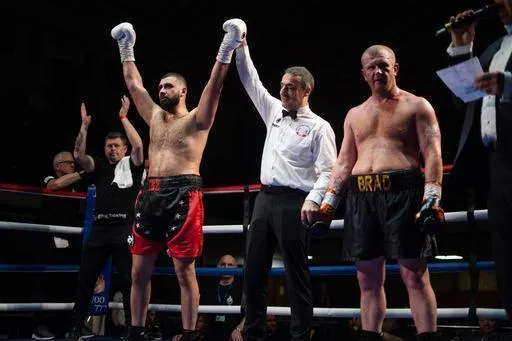
Turning professional is not a change of class timetable. It is a regulated licence application with distinct roles for the boxer, manager, trainer, Area Council and British Boxing Board of Control.
This guide is based on the BBBofC's public boxer application page and its published 2025 Rules and Regulations, checked on 22 July 2026. The Board is the authority on applications. A gym cannot approve a licence, replace the Board's guidance or promise an outcome.
Who the professional application route is for
The BBBofC says it expects applicants to have amateur boxing experience. It also says that an applicant with no or limited amateur experience may still be considered, but would need proper tuition under a professional trainer and a gym assessment before further consideration.
That distinction matters. An amateur record is relevant evidence, but it is not automatic approval. Equally, calling yourself professional before the licence is granted does not move the process forward.
The practical first question is not "How soon can I get a fight?" It is "What evidence do I have that I am ready to apply, and which licensed people are responsible for each part of the route?"
What the BBBofC public checklist currently asks for
The Board's boxer page says the initial application supplied to Head Office includes:
- A fully completed original application form
- Four passport photographs
- An original driving licence or passport
- Boxer/Manager contracts
- An amateur record card
- The licence fee advised at the time of application
The Board says the information is then forwarded to the relevant Area Secretary. Following a successful interview and Area Council recommendation, Head Office requests its listed medical and testing material for consideration. The same official page is explicit that the full Board must approve applications before an applicant may participate in professional boxing contests.
Use the current BBBofC boxer page as the live checklist and contact Head Office for the current form, fee and instructions. Do not rely on an old downloaded form, a social-media list or a gym promising to "sort the licence".
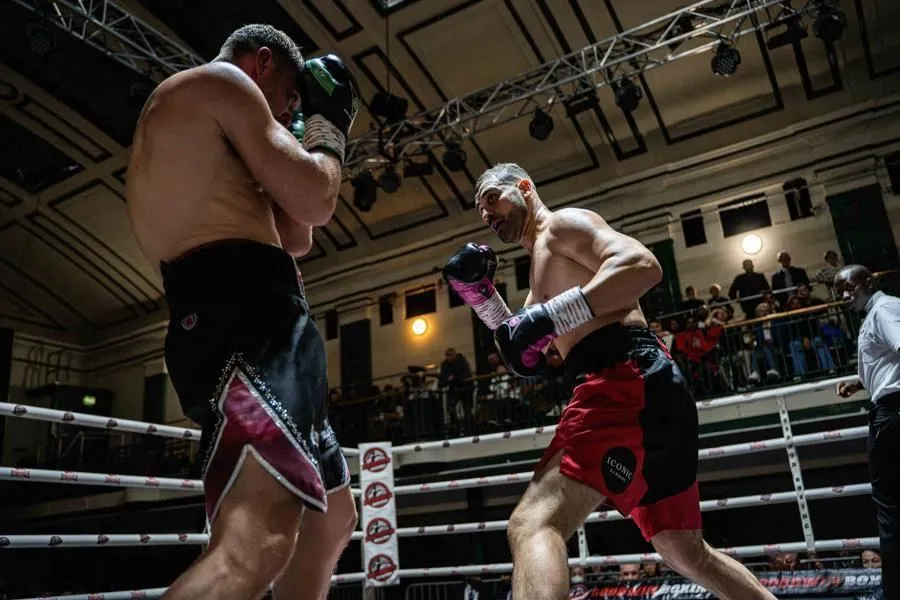
Why a licensed trainer conversation belongs early
The Board's public guidance says applicants must be trained and supervised by a licensed trainer/second. Regulation 5.19 also states that a licensed boxer may only be trained, coached, managed or advised under the rules by their licensed manager or licensed trainer.
That does not mean you should leave your amateur gym after one conversation. It means the responsibilities and proposed setup should be clear before you make claims, sign arrangements or build a camp around assumptions.
A useful first conversation with a licensed trainer should cover:
- Your amateur record and the level of opposition you have faced
- Your present coaching, club and management position
- Technical gaps that would matter over professional rounds
- Work, travel and training availability
- Whether the trainer is being asked to assess, supervise, coach regularly or support a defined camp
None of those questions guarantees a recommendation or licence. They make the conversation honest enough to be useful.
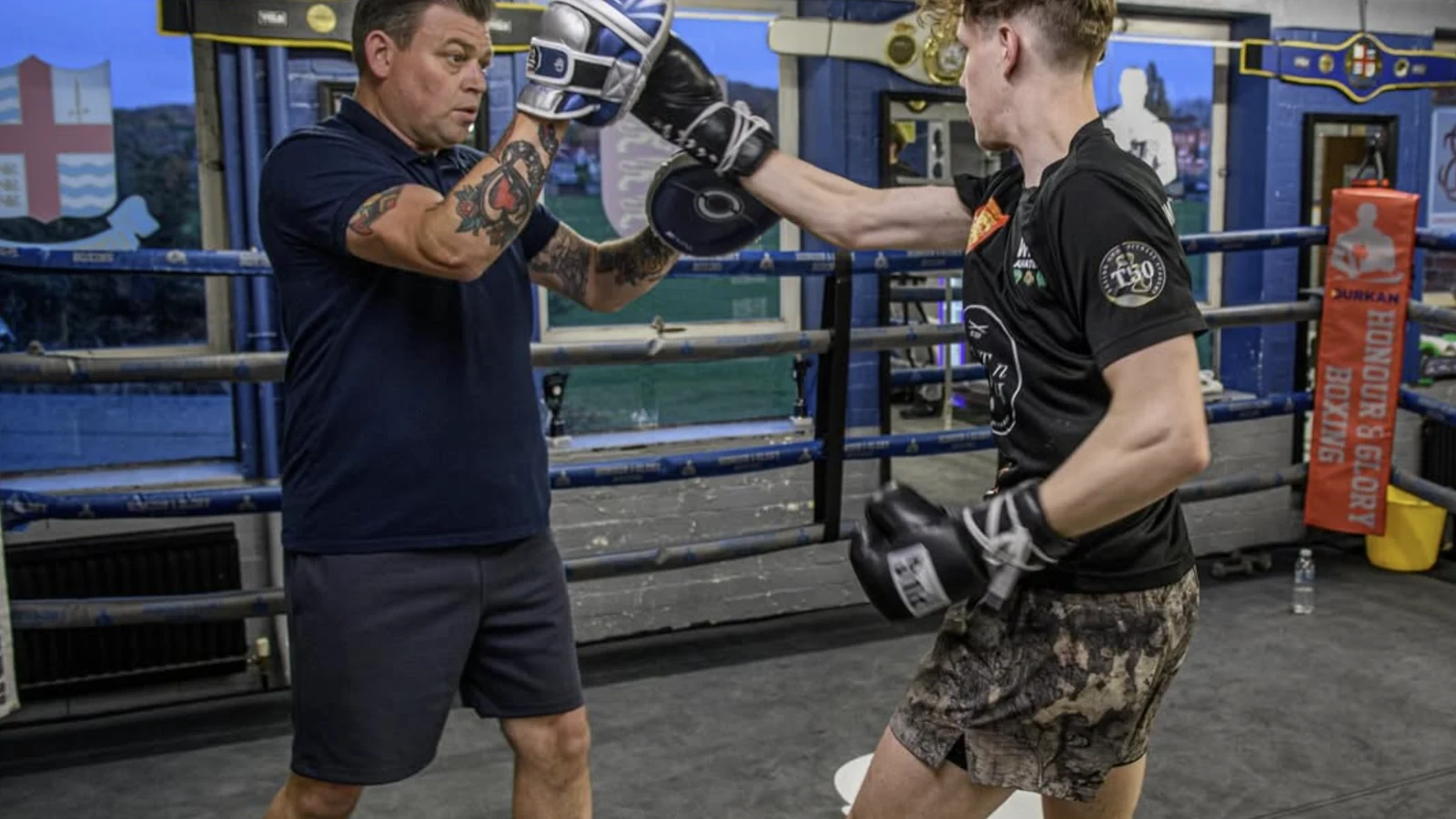
Keep the licensed roles separate
The BBBofC documentation page describes a manager as the representative of a boxer under a Boxer/Manager contract. It describes a matchmaker as someone who works with promoters, managers and the Board to arrange contests. A trainer/second may train a boxer and act as a second.
Those are not interchangeable labels.
Honour & Glory's professional route is a coaching and licensed trainer/second conversation with Anton Pattenden. The club does not claim to be your manager, promoter or matchmaker and does not promise a fight, opponent, purse or licence approval.
Before you change your current setup
Write down four things before approaching a new training base:
- Current obligations. Who currently coaches or represents you, and what has already been agreed?
- The actual gap. Do you need regular supervision, technical work, camp structure, corner support or simply an initial assessment?
- The logistics. Can you reliably reach the gym and train at the times the work requires?
- The decision owner. Which question belongs to the Board, your manager, a licensed trainer or an appropriately qualified medical professional?
This prevents a training conversation from drifting into legal, medical or matchmaking claims that a coach should not make.
Speak privately about the next step
If you are an amateur preparing to turn over, use the professional boxing enquiry route. Include your amateur summary, division, current setup, location and what you want Anton to assess.
If you are already licensed, use the same route but select "Active professional boxer" so the conversation starts from your current licence and team rather than from the application checklist.
Primary sources
- BBBofC: Applying to be a Boxer
- BBBofC: Rules and Regulations 2025, especially Regulations 5.1, 5.19, 16.1 and 16.2
- BBBofC: Documentation and licence-holder roles
Rules, forms and fees can change. Check the official pages and contact the Board before acting on an application.
H&G Team
Writer at Honour & Glory Boxing Club, a community boxing gym in Kidbrooke, South East London.
KEEP READING
How to Choose a Boxing Personal Trainer in the UK
What to look for in a boxing personal trainer, what qualifications actually mean, and the questions to ask before booking your first session.
How to Get Into Misfits Boxing: A Realistic Route
Want to fight on Misfits? Understand crossover selection, the professional route, what to put in an approach, and why training must come first.
British Boxing History: From Bare-Knuckle Fights to Olympic
British boxing did not begin with the Marquess of Queensberry. It began much earlier and stranger. Here is the full arc from prize fighting to Olympic champions.
Was this page helpful?
It takes one tap, and it genuinely helps.
Professional boxing route
Continue with the right professional conversation
No class-trial detour. Choose the private enquiry, compare the four professional situations, or review the evidence and role boundaries first.