British Boxing History: From Bare-Knuckle Fights to Olympic
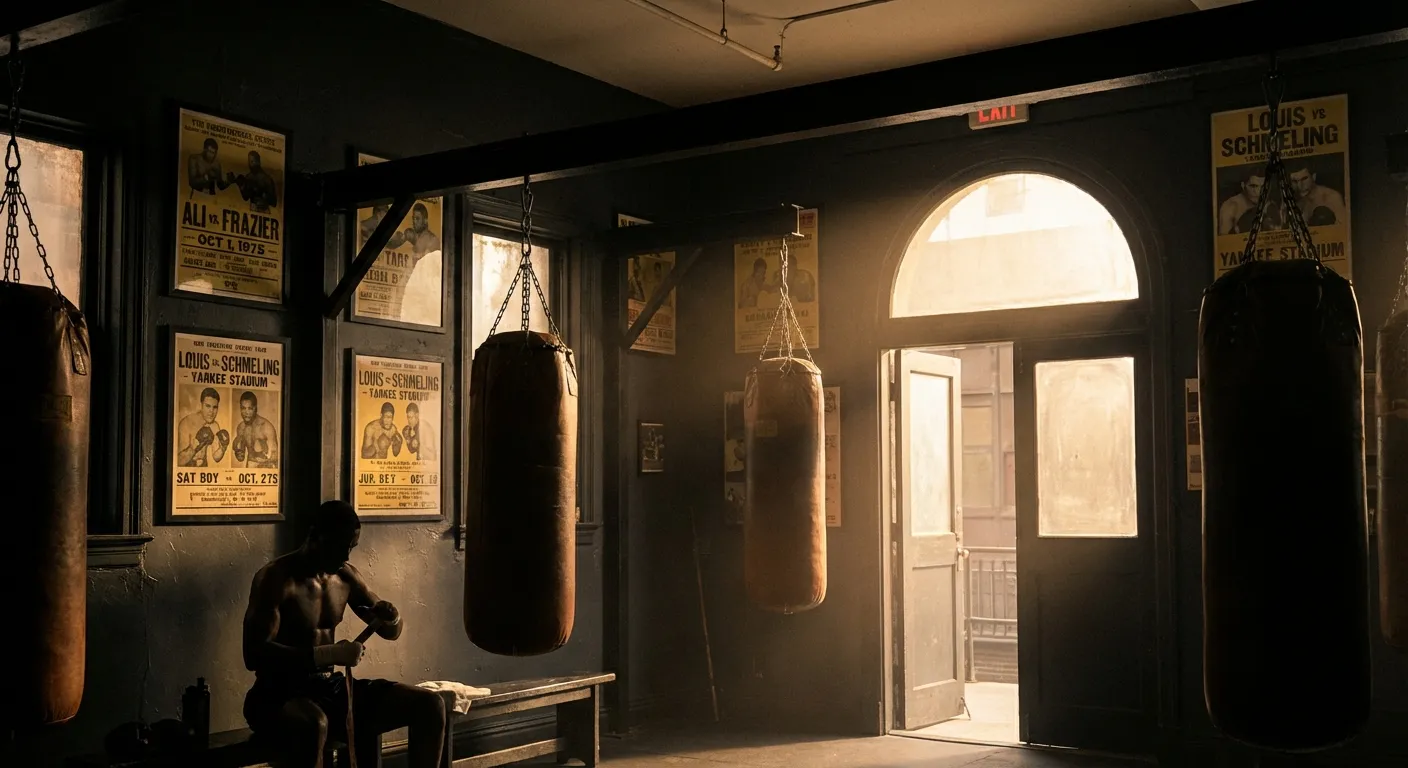
Boxing has existed in Britain for longer than almost any other organised sport. The first recorded bare-knuckle prize fight in England took place in 1681. The rules we recognise today - the Queensberry Rules - were not adopted until 1867. Between those dates lies nearly two centuries of a sport that looked almost nothing like the modern version.
Understanding that history puts contemporary boxing in context. The sport has never been more safe, more accessible, or more regulated than it is now. And it has never been more distant from its origins.
The Prize Fighting Era
Bare-knuckle boxing in the eighteenth and early nineteenth century was not a sport in any regulated sense. It was entertainment, often connected to gambling, taking place wherever crowds could gather and money could change hands.
James Figg is generally credited as the first champion of England, holding the title in the 1720s. His fights were not pure boxing by modern standards - they included wrestling and were partly performances as well as genuine contests.
Jack Broughton, one of Figg's pupils, introduced the first set of rules in 1743 - Broughton's Rules. These banned hitting a man when he was down and introduced the concept of a "line" (later "scratch") that fighters had to return to at the start of each round. These were safety innovations driven by practical concern: Broughton had killed an opponent in the ring.
The prize-fighting era produced fighters of genuine skill alongside considerable brutality. Tom Cribb, Tom Spring, Jem Mace - these were serious athletes who fought under conditions that would be unrecognisable to modern boxers.
The Queensberry Rules
The Marquess of Queensberry did not actually write the rules that bear his name. John Graham Chambers, a Cambridge athlete, drafted them in 1867. The Marquess endorsed them.
The rules introduced gloves (three-ounce versions, which provided little protection but changed the dynamic), established three-minute rounds with one-minute rests, and introduced the ten-count for a knockdown. Wrestlers' holds were banned.
Adoption was gradual. Bare-knuckle prize fighting remained more prestigious in many circles for years after the Queensberry Rules were available. The last major bare-knuckle championship fight took place in 1889, between John L. Sullivan and Jake Kilrain in Mississippi, running 75 rounds.
The shift to gloves and rules changed the mechanics of the sport fundamentally. Punches had to be thrown differently. Fighters could work closer. The emphasis shifted from endurance (fights could run dozens of rounds) towards skill. Modern boxing technique became possible because the rules made it practical.
British Boxing in the Twentieth Century
Britain produced a succession of significant figures throughout the twentieth century, across multiple weight classes.
Ted "Kid" Lewis won multiple world titles in the 1910s and 1920s and is one of the most underappreciated British boxing champions in history. He held the world welterweight title twice and fought over 300 professional contests.
Benny Lynch, from Glasgow, was world flyweight champion in the 1930s. His story is one of the most tragic in British boxing - extraordinary talent destroyed by alcoholism. He was dead at 33.
Randolph Turpin shocked the world in 1951 by defeating Sugar Ray Robinson to become world middleweight champion. Robinson, considered by many to be the greatest pound-for-pound boxer in history, reclaimed the title two months later. Turpin's story also ended in tragedy - suicide in 1966.
Henry Cooper became the most beloved British heavyweight in history despite never winning a world title. His left hook knocked down Muhammad Ali (then Cassius Clay) at Wembley in 1963, though Ali recovered to win. Cooper's two fights with Ali were defining moments of British boxing history.
The Amateur Game in Britain
While the professional game gets most attention, British amateur boxing has an equally rich history.
The Amateur Boxing Association was founded in 1880, making it one of the oldest sporting governing bodies in the world. The ABA Championships are the oldest continuously running boxing competition in the world.
Britain has won Olympic boxing medals at every Games from London 1908 onwards, with the exception of a small number of boycotted Games. The list of British Olympic boxing champions includes names that have largely been forgotten outside the sport but were significant in their time (source).
The Modern Era
The modern era of British boxing, from the 1980s onwards, has been dominated by a succession of world champions across multiple weight classes.
Barry McGuigan won the featherweight world championship in 1985, defeating Eusebio Pedroza in front of 25,000 people at Loftus Road. His crossover appeal - an Irishman representing sport as something above political division during the Troubles - made him one of the most significant cultural figures in boxing.
Lennox Lewis, born in London, won the undisputed heavyweight championship of the world. That phrase - undisputed - is important. Lewis was the last undisputed heavyweight champion before the title was fragmented across multiple sanctioning bodies. His wins over Holyfield, Tyson, and Vitali Klitschko define an era.
Nicola Adams's London 2012 gold medal changed the trajectory of women's boxing in Britain permanently. The women's programme has continued to develop since (source).
Where British Boxing Stands Now
British boxing in 2026 is producing world champions at a rate that has few historical comparisons. The professional scene is active and well-supported. The amateur pathway through England Boxing is well-structured (source).
The grassroots clubs that feed this system - clubs like Honour and Glory in Kidbrooke - are part of a continuum that runs back to the Victorian gyms that first taught working-class men to box under rules.
The sport has changed enormously. The brutality of the prize-fighting era is gone. The accessibility has transformed - women, children, recreational adults of all backgrounds train now in ways that would have been unimaginable to Jack Broughton's contemporaries.
What has not changed is the basic human appeal of learning to fight well, of the discipline required to develop genuine skill, and of the community that forms around shared training.
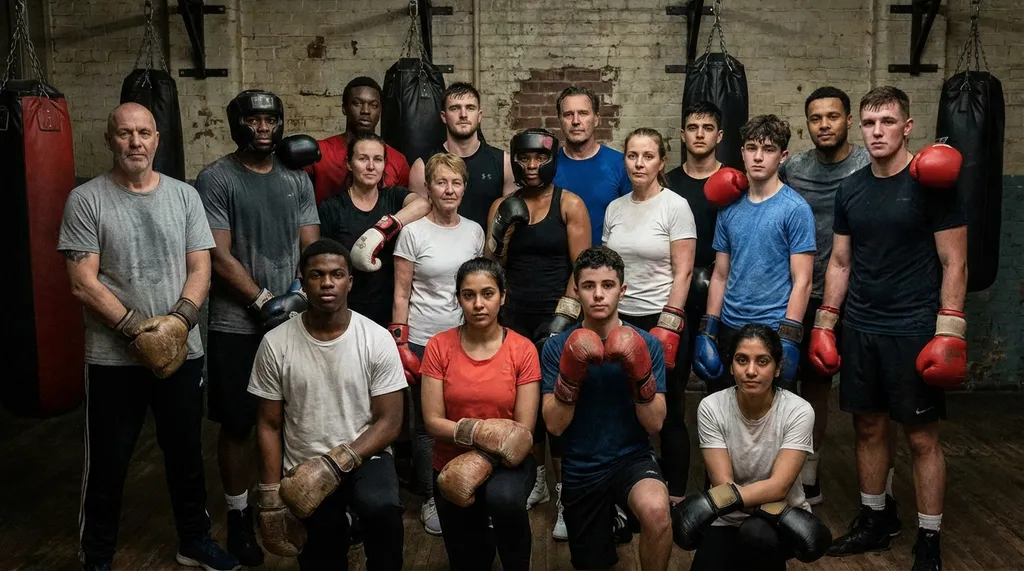
The Adult Recreational class is where most members begin.
H&G Team
Writer at Honour & Glory Boxing Club, a community boxing gym in Kidbrooke, South East London.
KEEP READING
The Most Iconic Boxing Venues in the UK
The venue shapes the fight. Some of the most memorable nights in British boxing happened in specific places for specific reasons. Here are the venues that matter.
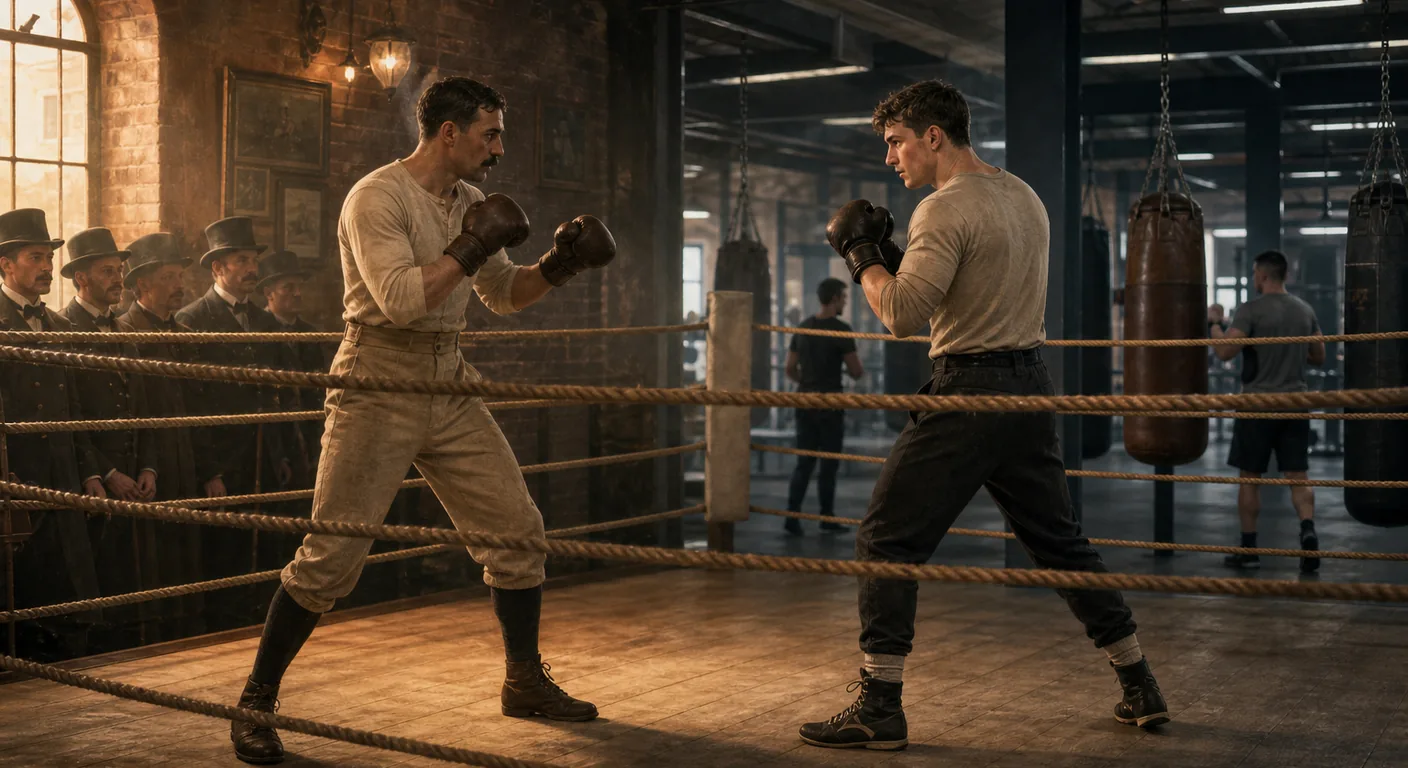
What Are the Queensberry Rules in Boxing?
The Queensberry Rules gave boxing gloves, timed rounds, the ten-count and a cleaner shape. They did not make boxing safe, but they made modern boxing possible.
The Best Boxing Books Ever Written
Coaches, champions, historians and novelists have all written about boxing. These are the books that actually repay the time you put into them.
Was this page helpful?
It takes one tap, and it genuinely helps.
Choose your next step
Turn this article into the right action
Some readers are ready to book. Some need the class route first. Pick the route that matches what you actually want.