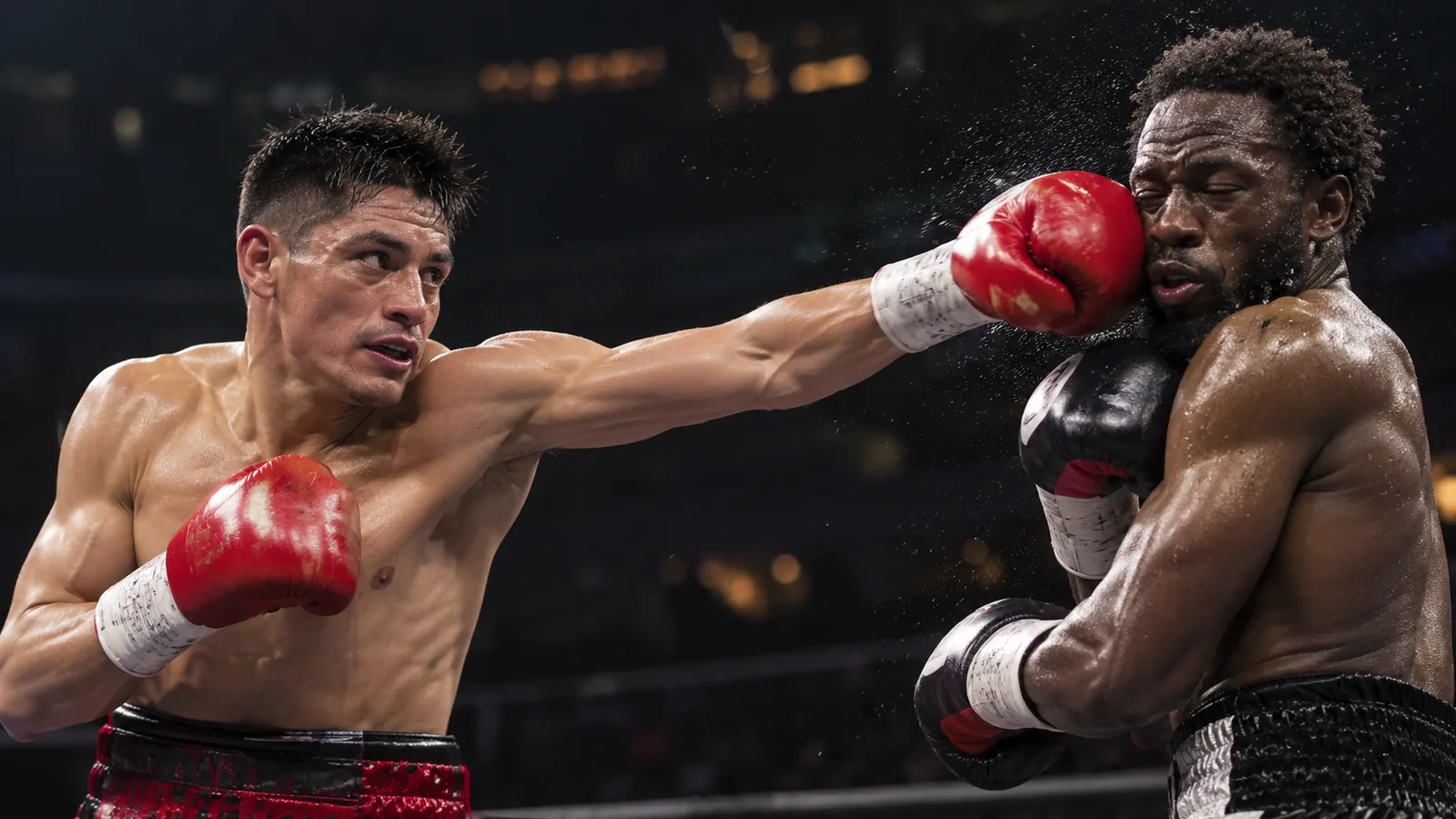
O’Shaquie Foster beats Emanuel Navarrete to unify super-featherweight titles in San Antonio
O’Shaquie Foster has his revenge, his defining win and three world titles around his waist.
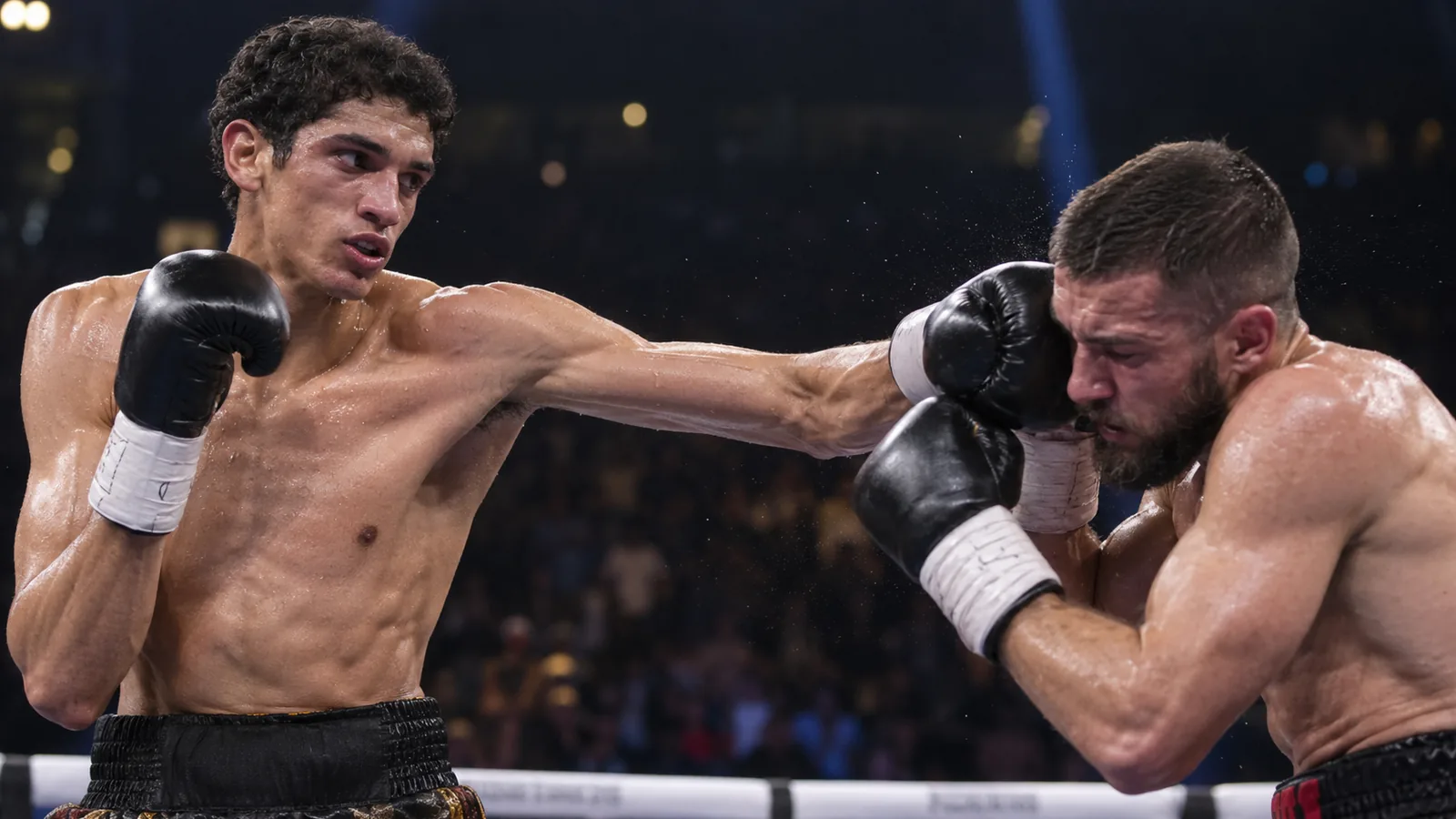
The Texan outboxed Emanuel Navarrete over 12 rounds to win by unanimous decision at the Frost Bank Center in San Antonio, Texas, on Saturday 24 October 2026. The result made Foster the unified WBC, WBO and IBF super-featherweight champion.
This was not the pair’s first meeting, and that matters. Navarrete won their first fight in May 2024 by split decision in a result many observers felt went against Foster. Saturday’s contest was a different proposition: a genuine title unification, staged in Foster’s home state, with much more at stake than settling an old score.
FIGHTMAG’s live results confirmed Foster’s victory and the unification, while Boxing News 24 reported the unanimous decision. The date is worth being clear about. This was the 24 October 2026 bout in San Antonio, not the controversial earlier contest between the two.
The result: Foster makes the adjustments that mattered
Navarrete entered holding the WBO and IBF belts. Foster brought the WBC title. Both men made weight on Friday, Navarrete at 130lb and Foster at 129.8lb, before meeting at the 130lb limit on fight night.
Foster won the contest on points after 12 rounds, adding Navarrete’s WBO and IBF titles to his own WBC crown.
The early rounds told the story. Foster was quicker, sharper and more controlled. According to Bleacher Report’s round-by-round coverage, Navarrete did not land a punch in the opening three minutes. That is a startling start for a fighter as busy and unpredictable as the Mexican champion.
Foster took the centre only when he wanted it. More often, he worked from the edge, giving Navarrete angles rather than a stationary target. His lead left hook got Navarrete’s attention early, while his jab repeatedly disrupted the champion’s rhythm.
Navarrete had moments. He always does. He forced collisions, lunged in with his long shots and landed a left uppercut in the second round that moved Foster backwards. But forcing a reaction is not the same as winning an exchange. Foster did not panic, did not trade simply to satisfy the crowd and did not allow Navarrete’s awkward pressure to set the terms.
That discipline won him the fight.
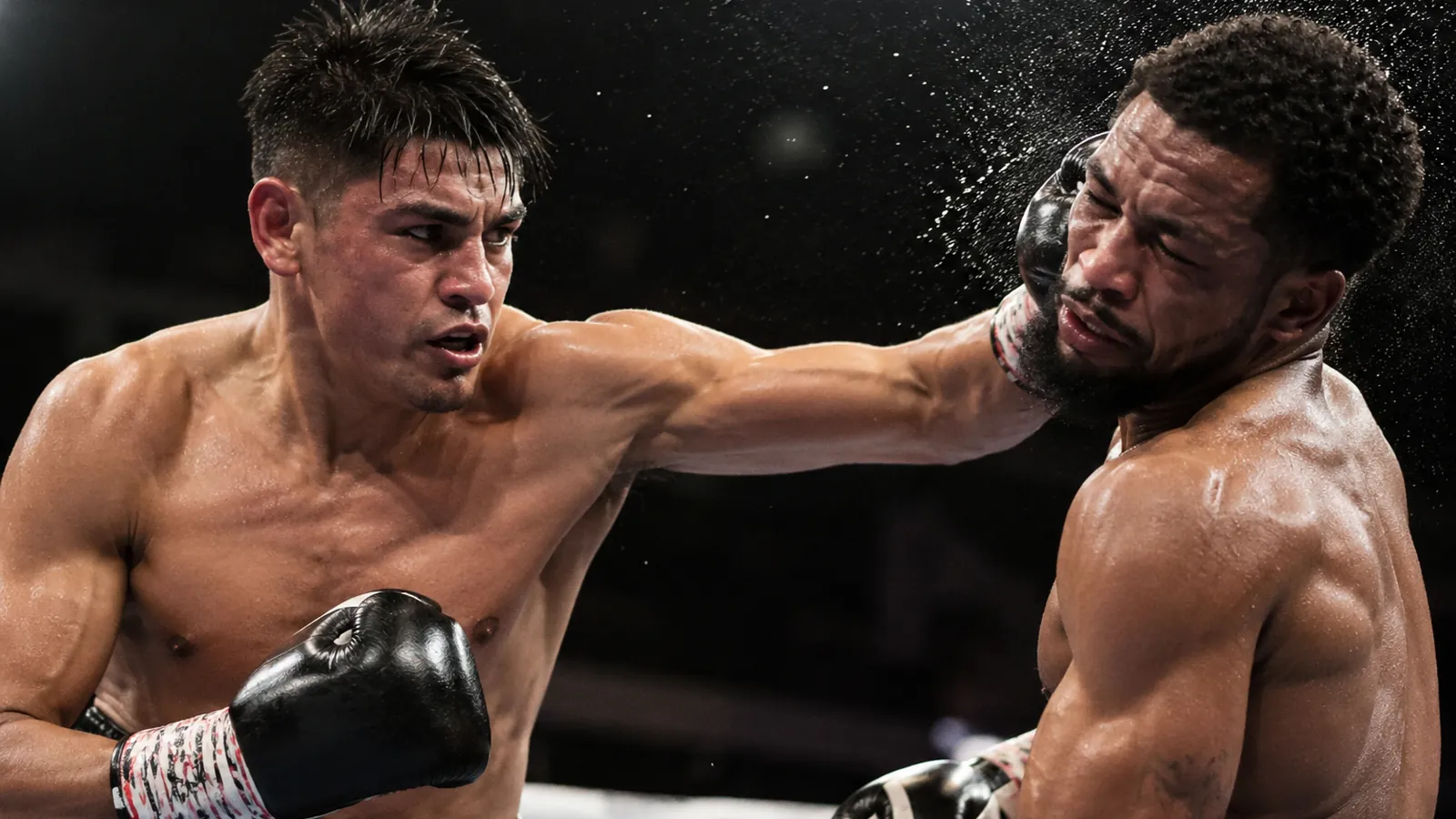
Why Foster won
Foster is one of boxing’s most underappreciated defensive boxers. He is not defensive in the timid sense. He is defensive because he understands range, timing and the value of making an opponent reset.
Navarrete has built his career on making clean boxing uncomfortable. He throws from strange positions, punches while off balance, attacks in clusters and creates chaos when an opponent starts waiting too long for the perfect opening. At his best, he makes technically sound fighters look hesitant.
Foster refused to be dragged into that sort of contest.
His first key adjustment was distance. Both fighters have a reported 72-inch reach, but Foster used his height and footwork better. He slid away from the rush rather than moving straight back in long lines. That meant Navarrete often had to cover too much ground before he could punch effectively.
The second was punch selection. Foster did not waste combinations at a fighter who is comfortable throwing back from odd angles. He picked at Navarrete with the jab, brought in the hook when the opening appeared, then moved before the return came. It is less dramatic than a wild exchange, but championship boxing is not scored on noise.
The third was composure in the clinches and scrappy moments. Navarrete had success whenever the fight became untidy. Foster’s task was not to eliminate every rough patch. That would have been impossible. His task was to make those patches brief, then restore the range where his cleaner work counted.
That is exactly what he did.
Navarrete was too slow to find the answer
Navarrete remains a brilliant, unconventional fighter. Three-division champion, high-volume puncher and capable finisher, he has earned his reputation the hard way. But against Foster, his usual strengths came with a cost.
He spent too much of the early fight chasing.
When Navarrete lunges, he can look dangerous because his punches arrive from places opponents do not expect. Yet lunging also leaves a fighter off balance and gives a calm mover the chance to score before escaping. Foster had clearly prepared for this. He was not merely moving to survive. He was drawing Navarrete forward, making him reach, then touching him with the quicker punch.
The live coverage from FightBook MMA listed a seven-bout card, but the main event had the rare feeling of a contest where tactics carried more weight than entertainment between rounds. Navarrete needed to change the pattern decisively. He needed to cut off the ring earlier, jab to the chest, work Foster’s body and make the champion stand in front of him.
Instead, too many attacks began from too far away.
There is an important lesson there for young boxers. Pressure is not simply walking forward. Good pressure is built with the feet first. It closes exits, shortens the gap and gives the puncher a stable position to throw. Bad pressure is chasing. Foster made Navarrete chase, and he paid for it on the scorecards.

Revenge, but more than revenge
The first Navarrete-Foster fight left a bitter taste because Foster appeared to do enough with his movement, jab and cleaner punches, only for Navarrete to receive the split decision. The rematch gave Foster an opportunity he had earned.
More importantly, it gave him the chance to prove that the first performance had not been a one-off.
This time, Foster did not leave room for debate. A unanimous decision is not merely a reversal of the first verdict. It is a statement that his style can beat Navarrete’s pressure when the preparation, patience and application are all right.
That is significant for the super-featherweight division. Foster now holds three of the four major belts and has beaten the man many regarded as the division’s most difficult stylistic problem. He is no longer simply a clever champion who can make a fight awkward. He is the man other champions and contenders must chase.
For Navarrete, the defeat is a setback but not a reason to write him off. He remains dangerous at 130lb, and his unusual rhythm still troubles almost anyone. However, he will need to consider whether he can make sharper technical adjustments against movers rather than relying on volume and late momentum.
What Kidbrooke boxers can take from it
Foster’s win was a reminder that boxing is not about being the busiest person in the ring. It is about making the right decisions when the pressure arrives.
His jab created space. His feet protected that space. His calmness allowed him to see Navarrete’s attacks before responding. Those are skills built through repetition, smart sparring and learning not to rush when a tougher opponent tries to force the pace.
At Honour & Glory, that is why technical work matters from the first session. Whether you are learning the basics or returning to training after time away, understanding distance, balance and ring craft gives every punch more value. Our boxing classes in Kidbrooke are open to ages 7+ and you can book a trial session here.
Foster did not beat Navarrete by trying to become Emanuel Navarrete. He won by making Navarrete fight his fight. That is what good boxing looks like.
H&G Team
Writer at Honour & Glory Boxing Club, a community boxing gym in Kidbrooke, South East London.
KEEP READING
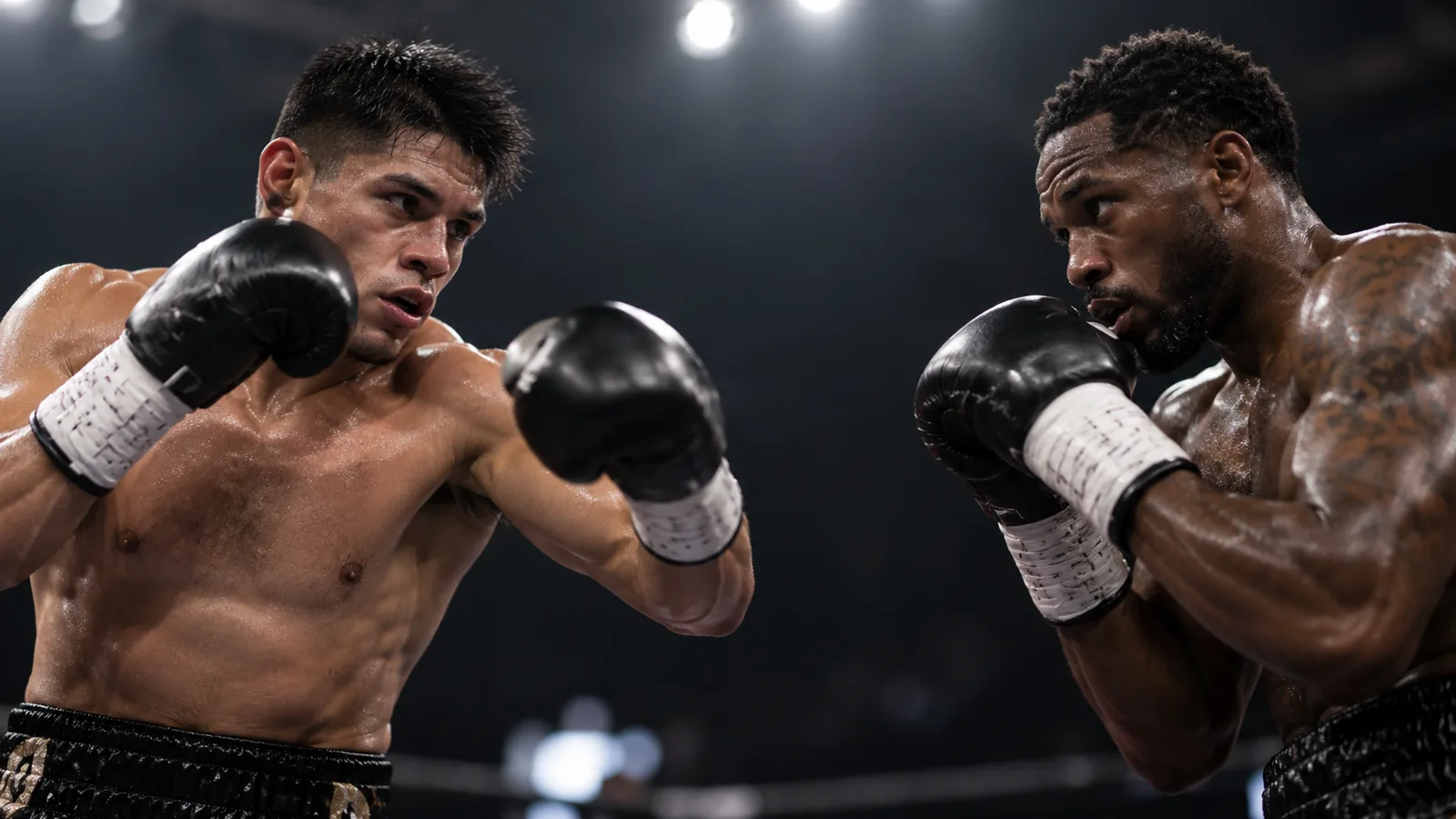
Navarrete vs Foster: fight-week guide
Preview the confirmed contest, tactical questions and UK viewing information at San Antonio, USA on 2026-10-24. Verify the exact event date and do not confuse an earlier meeting with this bout.
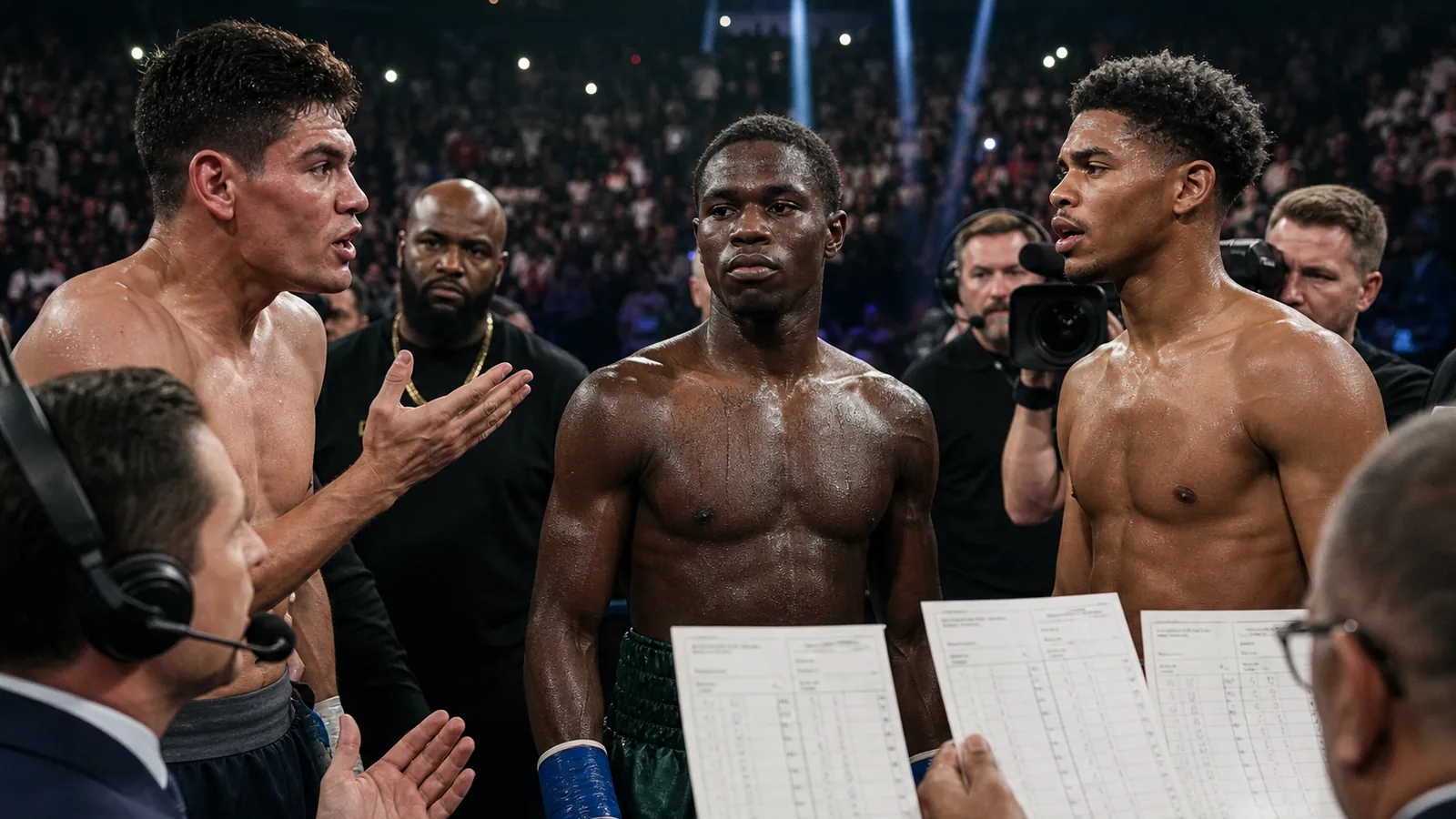
O'Shaquie Foster Debate: Navarrete, Ford and Shakur
Turn the current online debate into a judging-and-styles explainer: why Foster divides opinion, why Max Kellerman favours Navarrete, and how old Shakur Stevenson comments are being used in current fan arguments.
Fundora vs Hadribeaj: result and analysis
Report the verified result and analyse the contest at Las Vegas, USA on 2026-10-17. Verify the exact event date and do not confuse an earlier meeting with this bout.
Was this page helpful?
It takes one tap, and it genuinely helps.
Choose your next step
Turn this article into the right action
Some readers are ready to book. Some need the class route first. Pick the route that matches what you actually want.