O'Shaquie Foster Debate: Navarrete, Ford and Shakur
O'Shaquie Foster is one of those fighters who makes boxing people argue past each other.
One side sees a slick, calm, technically sharp champion who wins rounds by making opponents miss, controlling space and landing the cleaner work. The other side sees a fighter who gives away too much time, lets pressure fighters look busier than they really are, and leaves judges with awkward decisions.
That is why the current debate around Foster, Emanuel Navarrete, Raymond Ford and Shakur Stevenson is more than normal boxing noise. It is really a debate about how you score fights.
Do you reward clean defensive boxing even when it is low volume? Do you reward aggression even when much of it is missing or hitting arms? Do you care more about who is making the fight, or who is controlling it?
Foster sits right in the middle of that argument.
Why Foster Divides Opinion
Foster’s record, listed on BoxRec, tells part of the story. He is not an unbeaten hype job. He has losses, setbacks and hard-earned title nights behind him. That matters because his style is not built around blowing people away early. He is a rhythm fighter, a distance fighter, a man who often needs judges to understand what he is doing.
The Ring’s preview of O'Shaquie Foster vs Raymond Ford framed the Ford fight as a serious test, not a routine defence. Ford brought speed, southpaw angles and confidence. Foster brought experience, timing and the habit of making opponents look less effective than they feel in the moment.
That is where Foster becomes difficult to score.
He will stand in front of a fighter, slip by inches, catch shots on the glove, roll with the right hand, take a half step back and answer with a cleaner counter. To a trained eye, that is control. To a crowd, or to a judge who likes activity, it can look like he is being pushed back.
This is the old problem with defensive boxing. The best defensive work often looks quiet. A blocked shot does not make the same sound as a clean punch. A missed punch still creates movement. A forward-moving fighter still looks like he is doing something.
Foster’s critics are not always casuals. Some of the criticism is fair. There are rounds where he waits too long. There are spells where his accuracy is not enough to offset the opponent’s activity. If you are going to fight at a measured pace, you have to make your clean work obvious. You cannot assume the judges will give you credit for subtle defence.
That is the danger zone for Foster. He can be the better boxer and still make rounds too close.

The Navarrete Problem
Emanuel Navarrete is almost the opposite kind of headache.
Navarrete is not tidy. He is long, strange, loose, heavy-handed and rhythm-breaking. He throws punches from awkward positions. He can look technically wrong and still be effective because opponents cannot settle against him. His volume and angles can make clean boxers uncomfortable.
That is why Max Kellerman’s preference for Navarrete in a Foster matchup has become such a talking point. Whether you agree with him or not, the logic is not hard to understand. Kellerman has always valued ring identity. Navarrete has one. He comes to impose physical and mental disorder.
A BoxingScene article on Foster as a possible detour for Navarrete captured the appeal of that matchup. It is not just champion versus champion. It is order versus chaos.
Foster wants to reduce a fight. He wants fewer clean exchanges, fewer emotional moments, fewer mistakes. Navarrete wants to multiply problems. He makes you defend from odd angles, then asks you to punch back before your feet are set.
That is why this debate is not as simple as “skills beat pressure” or “pressure beats skills”. Foster has the ability to make Navarrete miss badly. He can turn him, time him and punish those wide attacks. But Navarrete has the kind of style that can make a judge ignore three missed punches if the fourth one lands heavy and the crowd reacts.
The scoring question is obvious. If Navarrete throws 70 punches in a round and Foster lands the eight best shots, who won it?
The textbook answer should be clean, effective punching. Boxing is not scored by punch count alone. But judges are human. Pressure, body language and crowd response can tilt close rounds.
Foster seems confident that he would solve that puzzle. In The Ring, he said he believes he would dominate Navarrete in a future fight, which you can read in O’Shaquie Foster sure he dominates future fight with Emanuel Navarrete. He has also given his view on Navarrete’s fight with Eduardo Nunez, covered by DAZN.
That confidence is believable. Foster is a very good boxer. But Navarrete is exactly the sort of fighter who can turn “very good boxer” into “why did he not do more?”
Ford Showed the Scoring Tension
Raymond Ford sharpened the debate because he is not a crude pressure fighter. He can box. He can move. He can punch sharply. Foster was not dealing with a basic come-forward opponent.
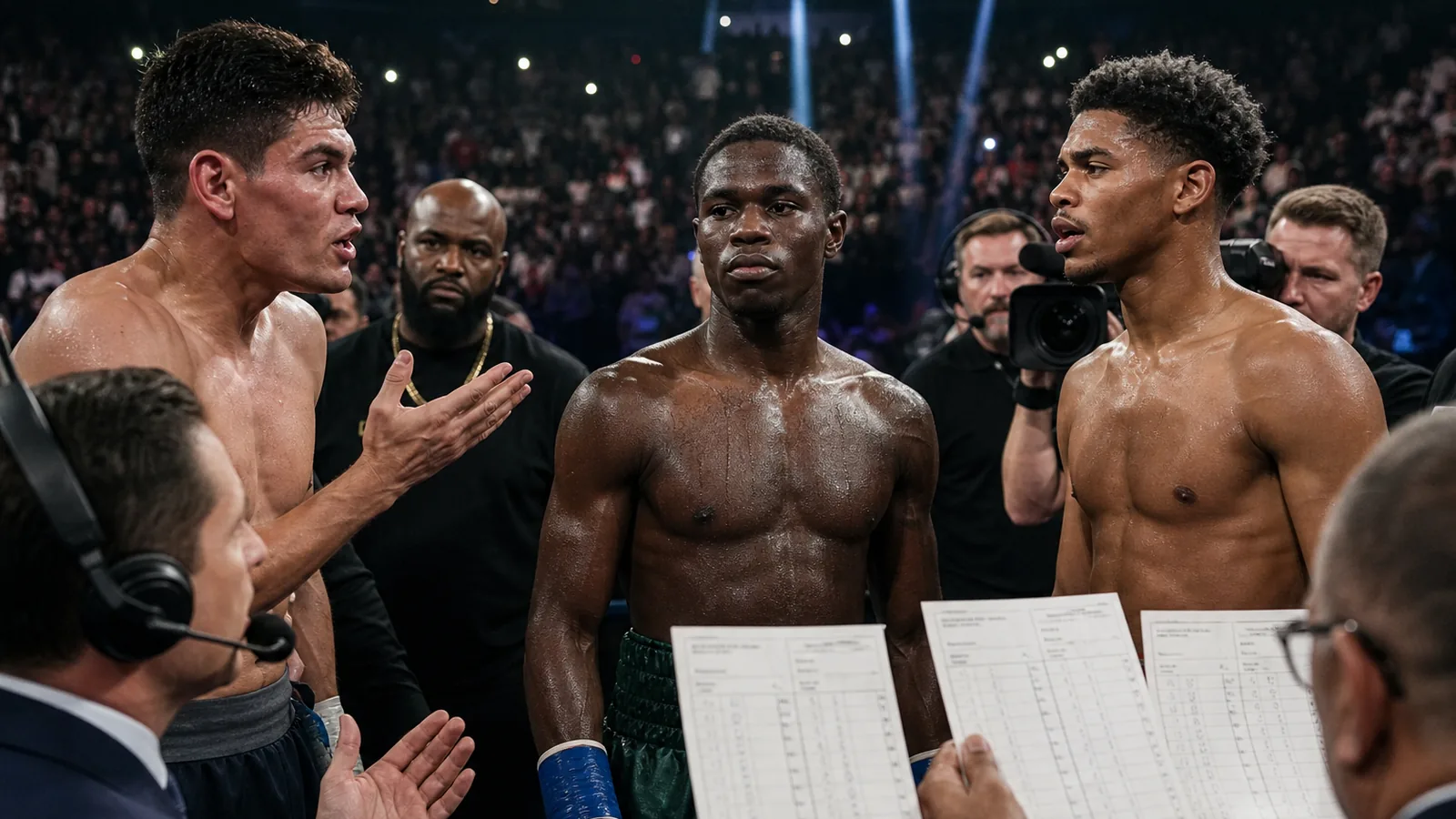
After Foster beat Ford, reports focused not only on the result but on what happened next. Yahoo Sports described Foster as having outclassed Ford before clashing with Shakur Stevenson in a heated post-fight altercation, in its live report on O'Shaquie Foster decisions Ray Ford. Sports Illustrated also covered Shakur Stevenson confronting Foster after the Raymond Ford title loss.
The Ford fight matters because it gave both sides of the Foster argument something to use.
If you rate Foster highly, you saw a champion handle a fast, skilled challenger and retain control under pressure. If you are sceptical, you saw another Foster fight that required careful scoring and left room for argument.
That is the point. Foster wins in ways that make boxing coaches nod and impatient viewers complain.
At Honour & Glory, when we teach scoring and ring craft in our boxing classes, this is exactly the kind of fight that is useful. Young boxers and adults alike need to learn that winning is not just about throwing more. It is about landing clean, defending properly, holding your shape and making the other person fight your fight.
But they also need to learn the second lesson. If you are too quiet, you are giving other people permission to misread your work.
Where Shakur Fits In
Shakur Stevenson has become part of the argument because he represents another extreme version of the same debate.
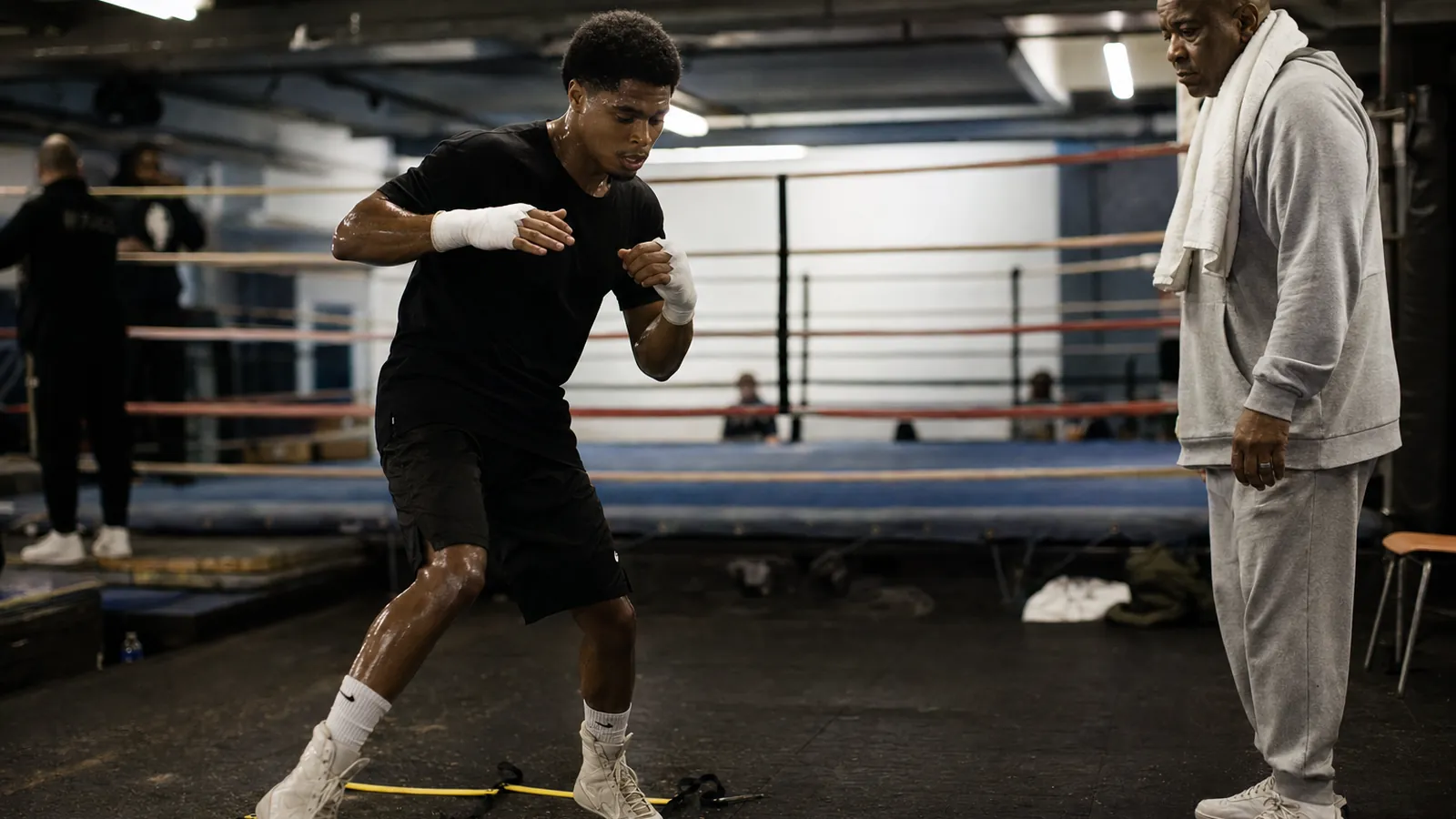
He is brilliant defensively. He controls distance. He takes away opponents’ best weapons. He can also frustrate viewers who want more risk, more exchanges and more visible damage.
That is why old Shakur comments are now being dragged into current Foster arguments. Fans are using Shakur’s past words, his confrontation with Foster and his own reputation as a defensive master to score points in a wider argument about what boxing should reward.
The post-fight moment is available here:
Matchroom also posted footage of the title retention and face-off in O’Shaquie Foster Retains Title Vs Ray Ford and Faces Off With Shakur Stevenson. BoxingScene reported Foster calling for a showdown with Stevenson after victory in Victorious O’Shaquie Foster calls for showdown with Shakur Stevenson.
The funny part is that Shakur and Foster are not identical fighters, but they are being used in the same online argument. Shakur is often accused of being too safe. Foster is accused of being too quiet. Both accusations come from the same place. Some viewers struggle to separate defensive control from lack of ambition.
That does not mean the criticism is always wrong. Defence alone does not win rounds unless it creates scoring offence. Making a man miss is valuable, but judges still need to see what you did with the opening. A slip followed by nothing is clever. A slip followed by a clean counter is scoring boxing.
Foster’s best rounds have that second part. His risky rounds have too much of the first.
How to Score a Fighter Like Foster
The cleanest way to judge Foster is to ask four questions.
Who landed the cleaner punches?
Not who threw more. Not who looked busier. Who landed clean? Foster often wins this category, especially when opponents are hitting gloves, shoulders and air.
Who controlled the range?
If Foster is making an opponent reach, reset and fall short, he is doing ring-generalship work. It may not be dramatic, but it matters.
Was the pressure effective?
This is where Navarrete becomes dangerous. Pressure only counts if it creates scoring punches or forces mistakes. Navarrete’s pressure often does both, even when it looks messy.
Did Foster make his superiority obvious enough?
This is the uncomfortable question for his supporters. A fighter should not have to perform for bad judging, but professional boxing is not scored in a laboratory. If you leave rounds close, you invite disagreement.
The Stance
Here is the honest view. Foster is better than some of his critics admit, but he is also more vulnerable on the cards than his biggest supporters want to accept.
Against Ford, his skill and maturity were enough. Against Navarrete, the same approach could work beautifully, or it could become a scoring argument after twelve rounds of pressure, noise and awkward exchanges. That is why Kellerman favouring Navarrete is not a wild take. It is a style judgement.
I would not dismiss Foster in that fight. In fact, I would expect him to make Navarrete miss badly for long stretches. But if he lets Navarrete be the one asking the louder questions, he may find himself in the same place many pure boxers have found themselves before: technically right, publicly debated and dependent on three scorecards.
The Shakur angle adds heat, but the real lesson is simpler.
Boxing is not just about what you do. It is about what the judges can see, what the opponent can sell and whether your style leaves room for argument. Foster’s gift is making good fighters look ordinary. His risk is that ordinary-looking rounds can become disputed rounds.
That is why the Foster debate will not go away. It is not only about him. It is about how we watch boxing.
H&G Team
Writer at Honour & Glory Boxing Club, a community boxing gym in Kidbrooke, South East London.
KEEP READING

Shakur Stevenson joins Zuffa Boxing
Shakur Stevenson signing with Zuffa Boxing tests whether Dana White can help make elite fights, not just loud announcements.
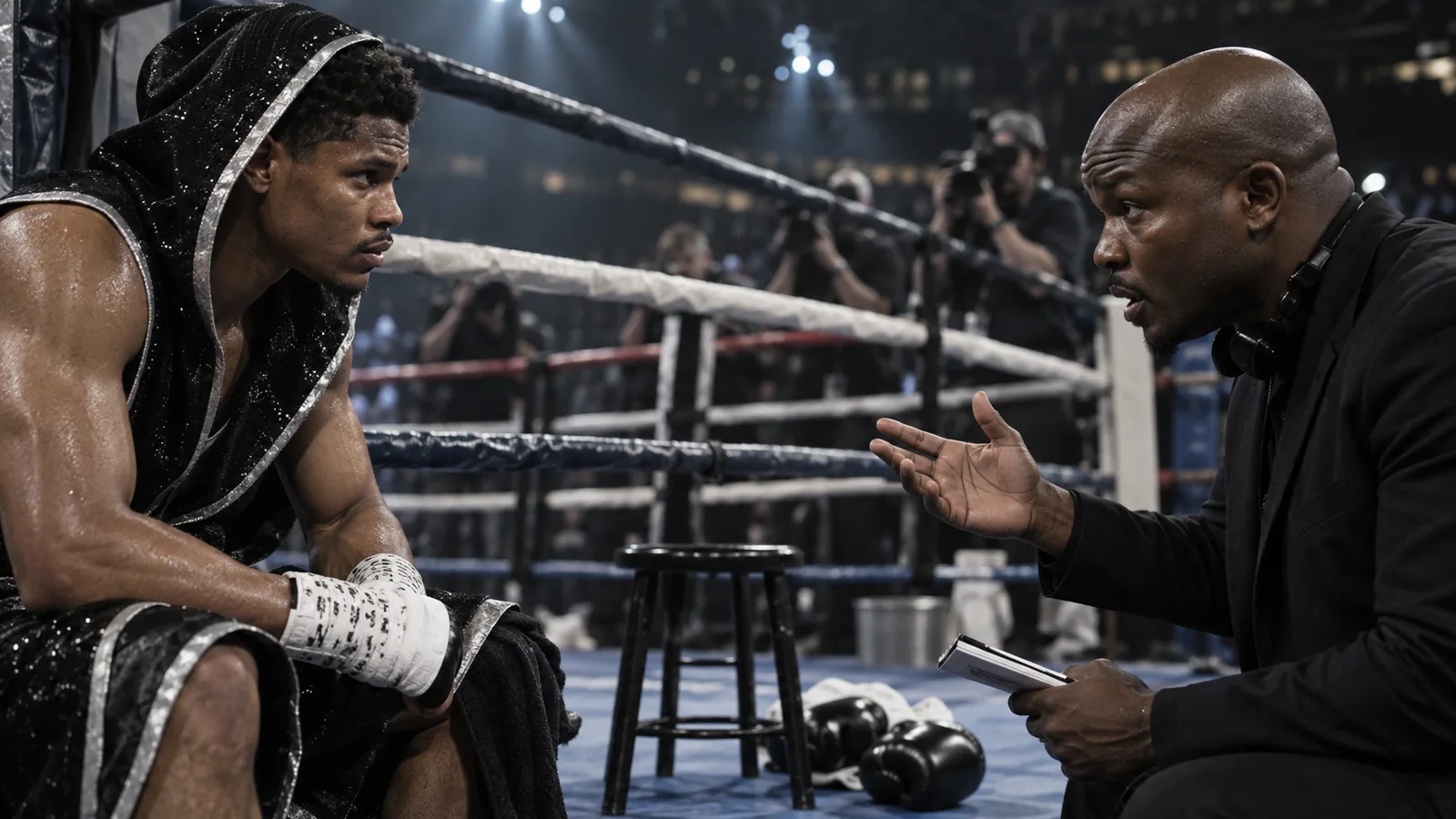
Shakur Stevenson and Tim Bradley: when criticism turns personal
Use the latest public exchange to examine the line between sharp former-fighter analysis and a feud that distracts from the technical argument around Stevenson.

Joe Joyce’s Comeback Loss: When Should a Boxer Call Time?
Use the renewed retirement debate around Joyce to explore the difference between a difficult loss, declining durability and responsible career decision-making.
Was this page helpful?
It takes one tap, and it genuinely helps.
Choose your next step
Turn this article into the right action
Some readers are ready to book. Some need the class route first. Pick the route that matches what you actually want.