Abdullah Mason vs Albert Bell: Why The Stoppage Debate Is The Real Lesson
Abdullah Mason kept his WBO lightweight title, but the cleanest lesson from the Albert Bell fight is not the stoppage itself. It is the argument around it.
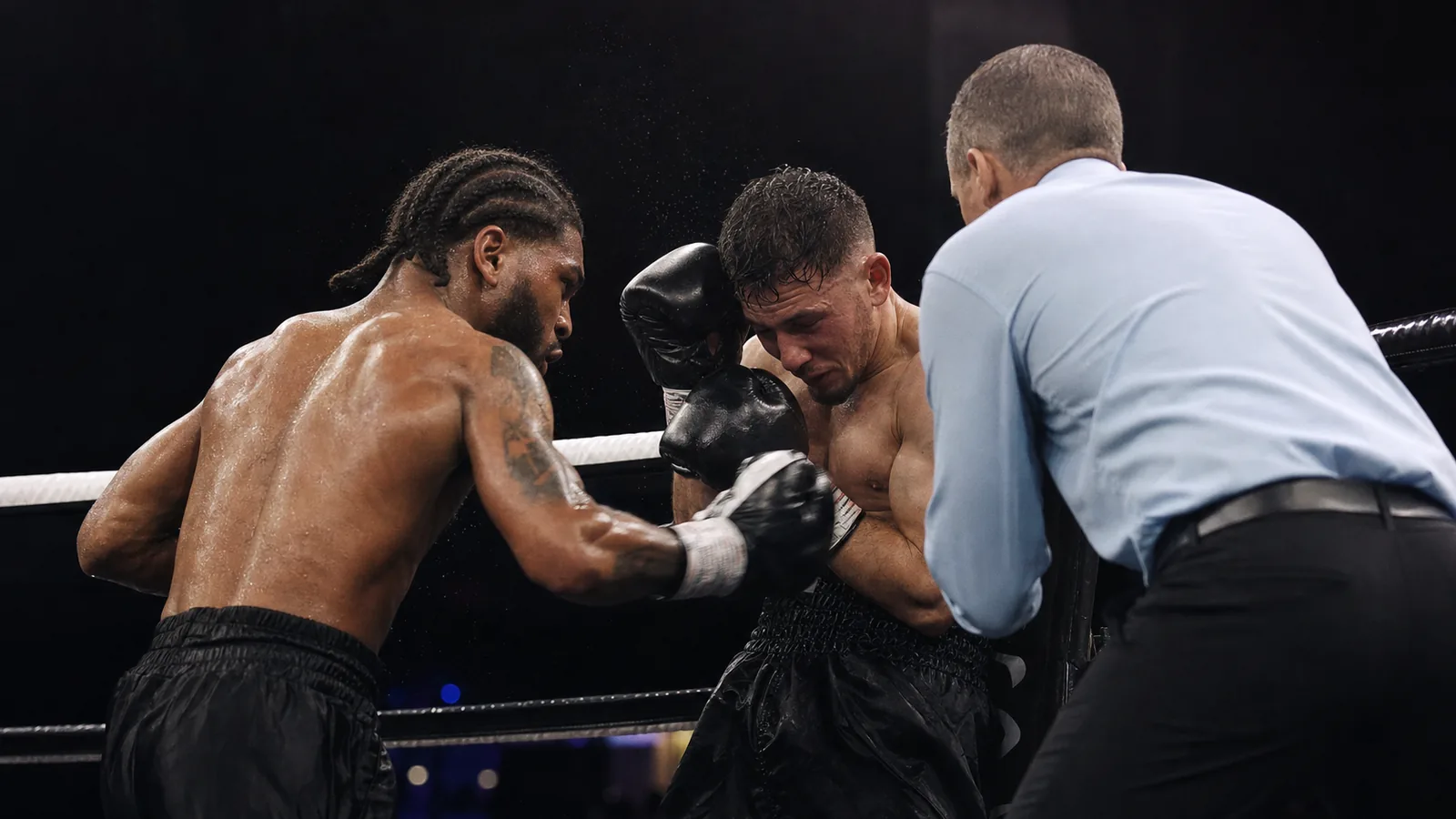
Mason beat Bell by 12th-round TKO in Cleveland, after a fight that was awkward early, increasingly physical late and then suddenly messy at the finish. Bad Left Hook called it a controversial stoppage, while The Sporting Tribune reported that referee Mark Nelson waved it off 45 seconds into the final round after Bell had gone down twice. World In Sport’s review landed in the sensible middle: the ending was debatable rather than disgraceful.
That is my view too. It was not a beautiful stoppage. It was not a robbery either. It was one of those late-fight moments where every part of boxing pulls in a different direction: the champion’s pressure, the challenger’s pride, the referee’s angle, the crowd’s appetite and the sport’s duty of care.
The fresh footage matters because it shows why stoppage debates are rarely as simple as “good call” or “bad call”. Slow it down and you see a tired fighter, a surging champion and a referee forced to decide in real time whether the next punch is sport or avoidable damage.
Bell Made Mason Work Before Mason Made Bell Pay
Albert Bell did not arrive as a prop for a homecoming. He gave Mason real problems.
Bell used height, timing and distance well enough to make Mason think in the first half of the fight. He did not simply run. He changed the rhythm, touched Mason at range and made the young champion reset more often than he wanted. The Sporting Tribune noted that Bell controlled range early with his right hand and timed Mason’s aggression with counters. Bad Left Hook had Bell ahead 59-55 after six rounds, which tells you this was not a routine defence dressed up by a dramatic ending.
That early work is important because it explains the late pressure. Mason did not just decide to go for a highlight. He had been made uncomfortable. He had to change the fight.
By the middle rounds, the body work started to matter. Mason’s pressure became less about one clean shot and more about accumulation. Straight shots downstairs, looping punches around the guard, steps that forced Bell to defend before he could reset. It was not always tidy, but pressure does not need to be tidy to be effective. It needs to be repeated.
That is where Bell’s problem became visible. His jab lost snap. His reactions slowed. His feet still moved, but not with the same authority. The fight had changed from Bell making Mason chase into Mason making Bell survive each exchange.
Sustained Pressure Changes The Referee’s Picture
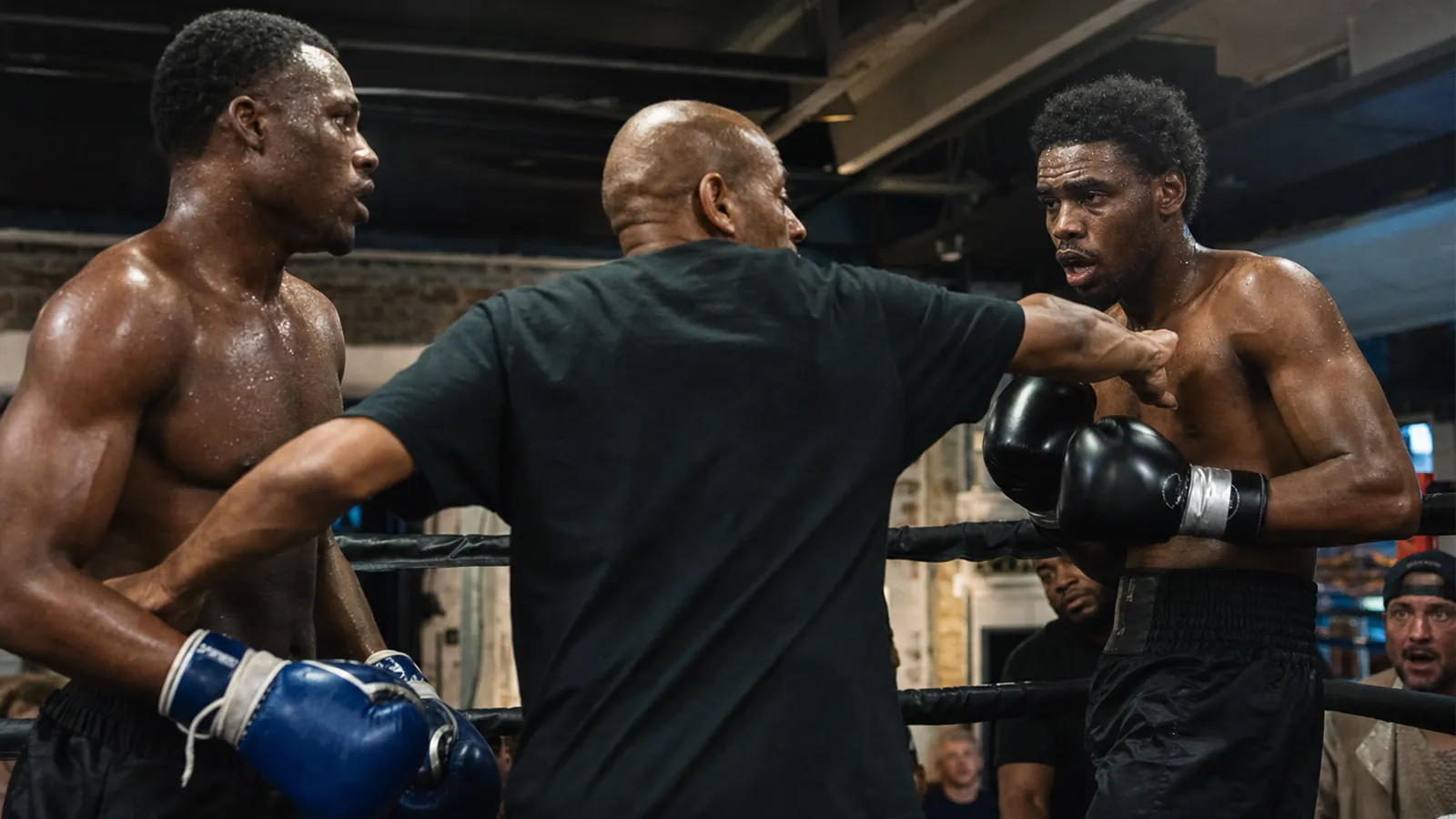
People often judge stoppages as if the final punch is the only evidence. That is a mistake.
A referee is not only looking at the last shot. He is reading the last few minutes, sometimes the last few rounds. Has the fighter stopped returning fire? Is he protecting himself properly? Are the legs responding? Is the body language of survival replacing the body language of boxing?
By round 12, Bell had taken sustained pressure. Mason had scored a quick knockdown. Then Bell went down again in a sequence that split opinion immediately. Bloody Elbow reported that commentators reacted angrily, with the broadcast questioning whether the final fall justified an immediate stoppage. MSN’s syndicated result page carried the same broad controversy around the result.
The argument against the stoppage is easy to understand. It was a world-title fight. It was the final round. Bell had earned the right to be treated like a serious challenger, not a man being moved out of the way for a television finish. If the second knockdown looked more like exhaustion, balance or a push than a clean finishing blow, then many people will say he deserved a count.
There is force in that argument.
But the argument for the stoppage also has force. Bell had been dropped. He had been worn down. He was not fresh, sharp and complaining from a position of control. He was in the last round of a fight where the champion had been closing the physical gap for several rounds. Referees are not there to protect narratives. They are there to protect fighters.
At Honour & Glory, we teach this distinction from the start in our boxing classes in South East London. A boxer can be brave and still be unsafe. A boxer can want to continue and still not be in a position to defend properly. Courage is not the same thing as readiness.
Referee Positioning Is Not Television Positioning
Television gives us replays, angles and outrage. The referee gets one view, one second and two bodies moving in front of him.
That matters here. A referee close to the action can see things the camera may not catch clearly: the eyes, the breath, the way a fighter’s legs answer when he tries to rise, whether he is looking at the opponent or only trying to survive the moment. At the same time, television may show something the referee missed, especially if a fall includes tangled feet, a shoulder, a shove or a punch that did not land as cleanly as it first appeared.
That is why good people can watch the same stoppage and disagree.
The official is not marking a school exam. He is making a risk decision inside a violent sport. If he waits too long and Bell takes two unnecessary clean shots, the criticism becomes “Where was the referee?” If he stops it early, the criticism becomes “He robbed Bell of his chance.” Both criticisms can be sincere. Both can be made from incomplete information.
The best referees avoid becoming part of the result. Sometimes boxing does not give them that luxury.
A Dramatic Finish Is Not Always A Clean Tactical Lesson
This is where coaches have to be careful.
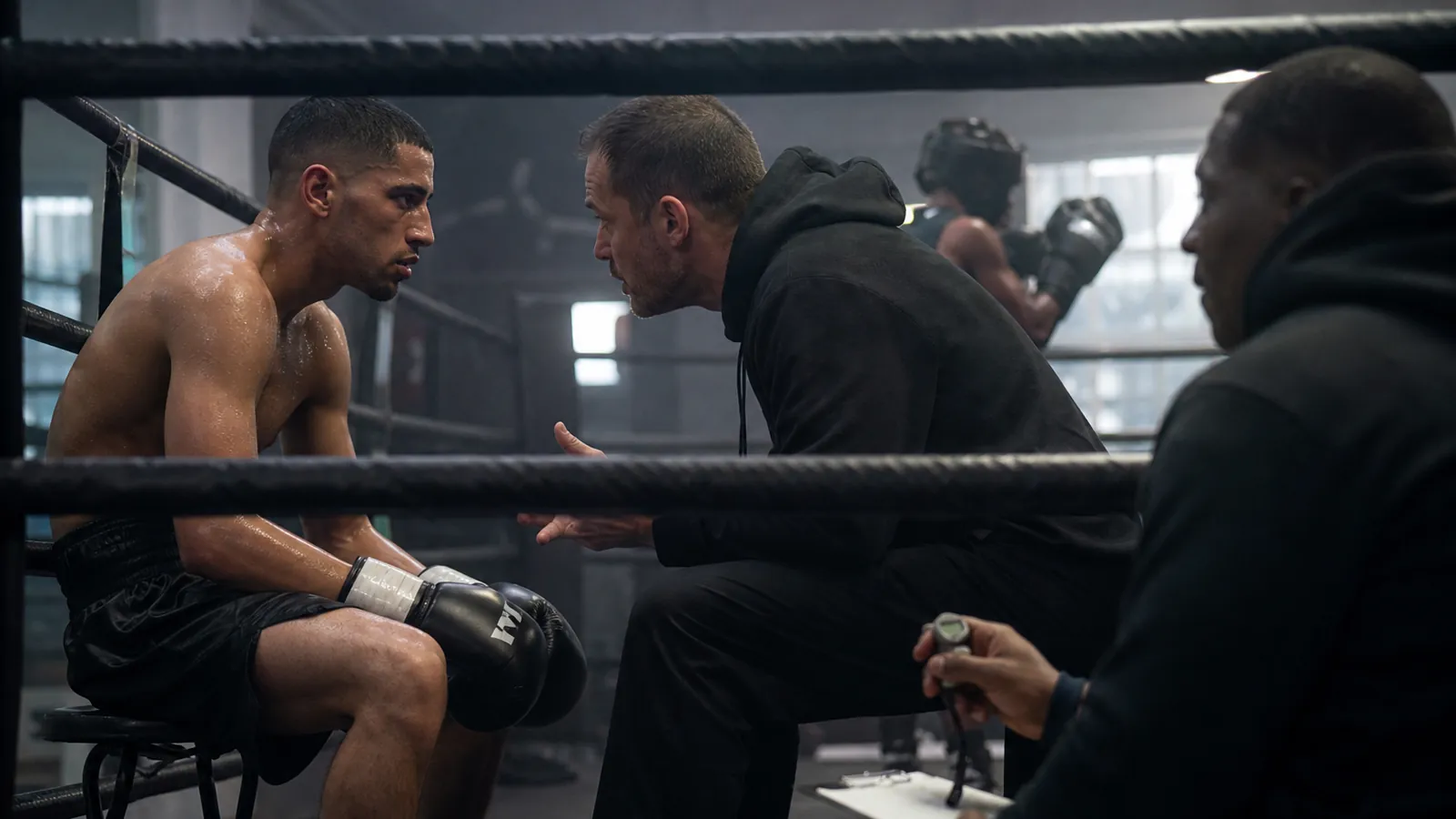
It is tempting to turn Mason’s finish into a neat lesson: stay patient, go to the body, break the man down, force the stoppage. There is truth in that. Mason did adjust. He did keep working. He did show that he can win when the fight is not going his way early.
But the finish itself is not a clean tactical model. It was dramatic, not pure.
The better lesson is the build-up. Bell’s early success came from making Mason reach and reset. Mason’s comeback came from sustained pressure, body work and forcing Bell to defend at a pace he could not maintain. That is teachable. The final wave-off is not something to copy. You cannot train “get a debated stoppage”. You can train the pressure that makes an opponent’s defence collapse.
For young boxers, especially those who love highlight clips, this matters. Do not watch the last ten seconds and think you have understood the fight. Watch the rounds where Mason had to solve Bell’s reach. Watch how Bell’s jab changed as the body shots mounted. Watch how pressure can be patient without being passive.
The finish is the argument. The rounds before it are the education.
Why The Coverage Split So Hard
Part of the split comes from how people entered the fight.
If you were watching Mason as the youngest male world champion, defending at home, the finish felt like confirmation. He had weathered difficulty, found another gear and closed the show. Yahoo Sports framed the event around Mason’s first title defence in Cleveland, with Bell stepping in after Joe Cordina withdrew. Sports Illustrated’s result piece presented it as Mason storming back to notch that first defence.
If you were watching Bell as the late replacement who boxed above expectation, the ending felt harsh. He had made the champion uncomfortable. He had reached the final round of a world-title fight. He wanted the chance to rise, answer the count and finish on his own terms.
Both readings can live in the same fight.
That is why the wider boxing reaction spread quickly across live blogs and threads. DraftKings Network tracked the fight in round-by-round form, FIGHTMAG logged the live result, the UK Yahoo page carried the same live coverage, and SI’s preview had already set up the card as a major title night. On Reddit, the raw reaction sat across the fight thread, the spoiler thread, the old Reddit mirror, a Top Rank Cleveland show thread, a podcast recap thread, a pre-fight discussion about whether Bell could win, a tale-of-the-tape post and even a stray livestream post outside the main boxing forum. None of that proves the stoppage was right or wrong. It proves the ending gave people enough ambiguity to argue from different starting points.
My Verdict
The stoppage was early enough to criticise and understandable enough to defend.
Bell deserved respect for the work he did before the fight turned. Mason deserved credit for forcing the crisis rather than waiting for a decision. Mark Nelson made a safety call in a moment where the fighter was tired, hurt, under pressure and no longer getting the same reactions from his body.
Would I have preferred a count? Yes. In a world-title fight, with the challenger conscious and the clock still there, a count would have made the ending cleaner.
Do I think the stoppage was a scandal? No. That word gets thrown around too easily. A scandal is a fighter being denied a fair contest for no good reason. This was a referee seeing a damaged fighter in a fast-worsening situation and choosing safety over theatre.
The real lesson for boxers is not “always let fighters go out on their shield”. That line sounds brave until the shield is someone’s health.
The lesson is this: sustained pressure creates unclear endings. If you let a strong fighter keep touching the body, keep closing the space and keep making you reset, eventually the referee starts watching you differently. Not just your punches. Your breathing. Your legs. Your eyes. Your ability to answer the next question.
Mason asked those questions late. Bell ran out of convincing answers. The stoppage debate will continue, but the boxing lesson is already clear. Dramatic finishes are not always clean teaching clips. Sometimes they are warnings about how quickly bravery, fatigue and referee judgement can collide.
H&G Team
Writer at Honour & Glory Boxing Club, a community boxing gym in Kidbrooke, South East London.
KEEP READING
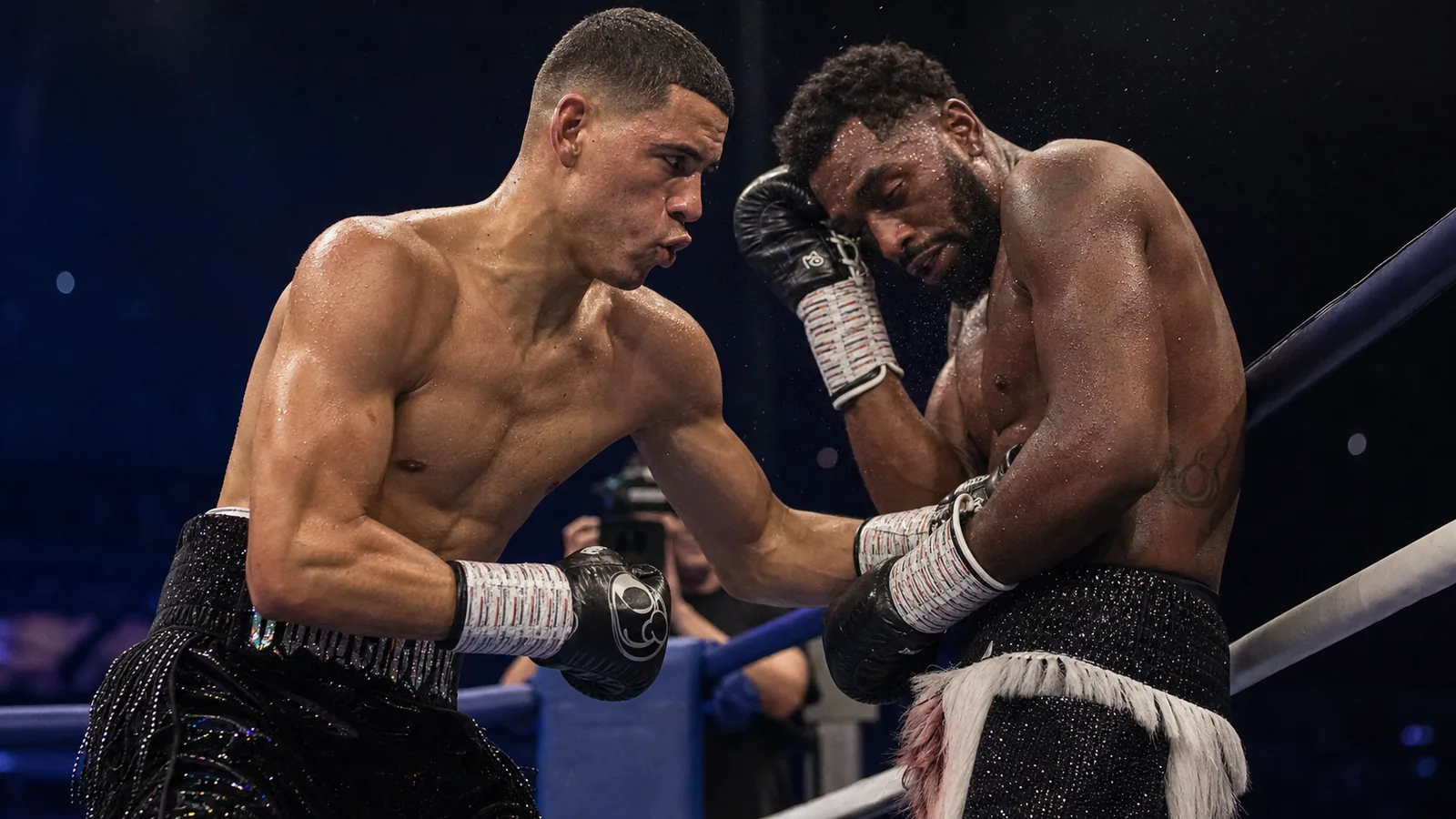
Diego Pacheco’s late stoppage: how pressure wins
Use Pacheco’s 11th-round stoppage of Immanuwel Aleem to explain how disciplined body work, distance control and accumulated pressure can create late finishes without reckless chasing.
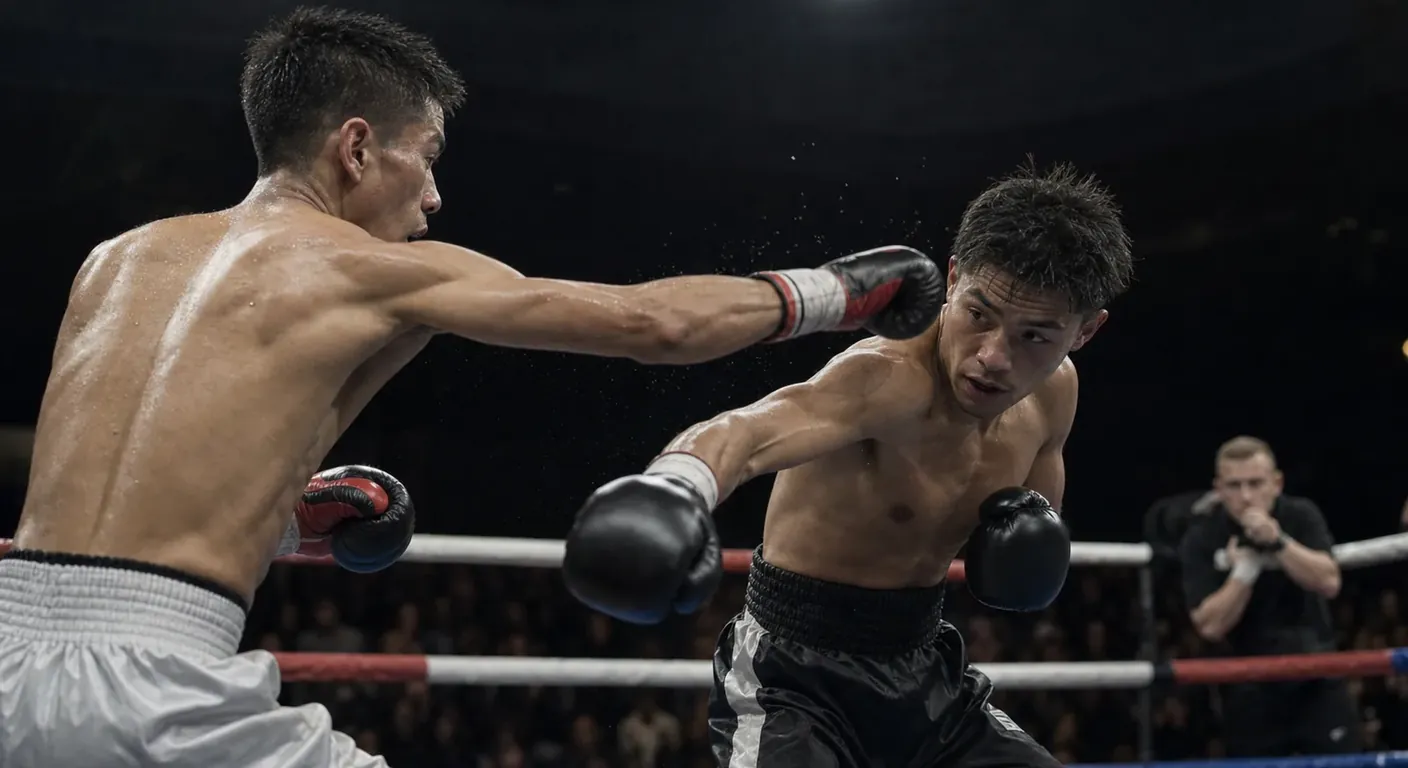
Gonzalez vs Perez: flyweight title fight lessons
Use fresh DAZN highlights to break down what beginners can learn from a fast flyweight title fight: tempo, positioning, punch selection and staying composed under pressure.
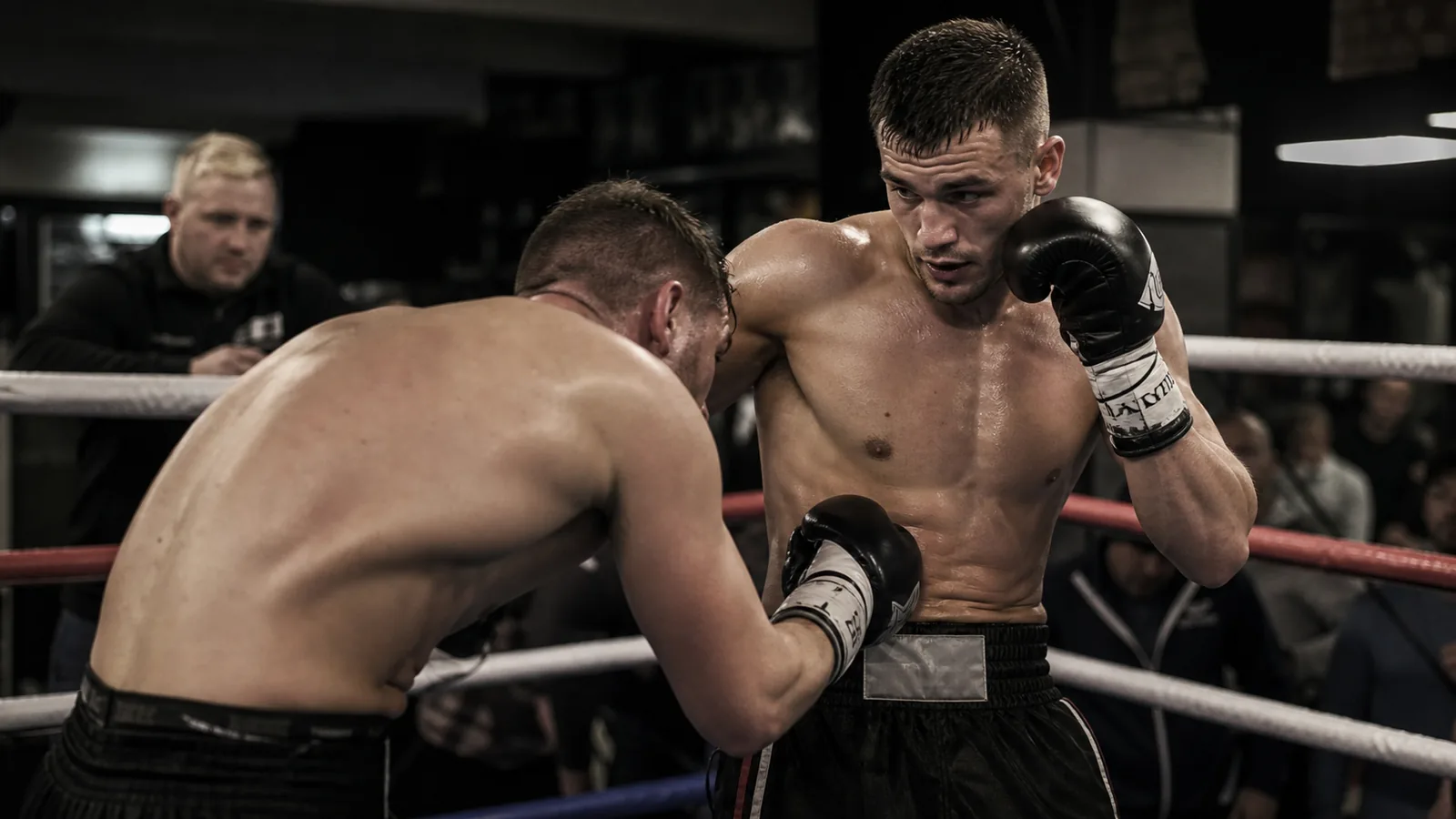
Ryan Garner vs Michael Magnesi: pressure-fight lessons
Use Garner's fresh interim-title fight footage to explain how pressure, body work and composure decide hard domestic-level step-ups.
Was this page helpful?
It takes one tap, and it genuinely helps.
Choose your next step
Turn this article into the right action
Some readers are ready to book. Some need the class route first. Pick the route that matches what you actually want.