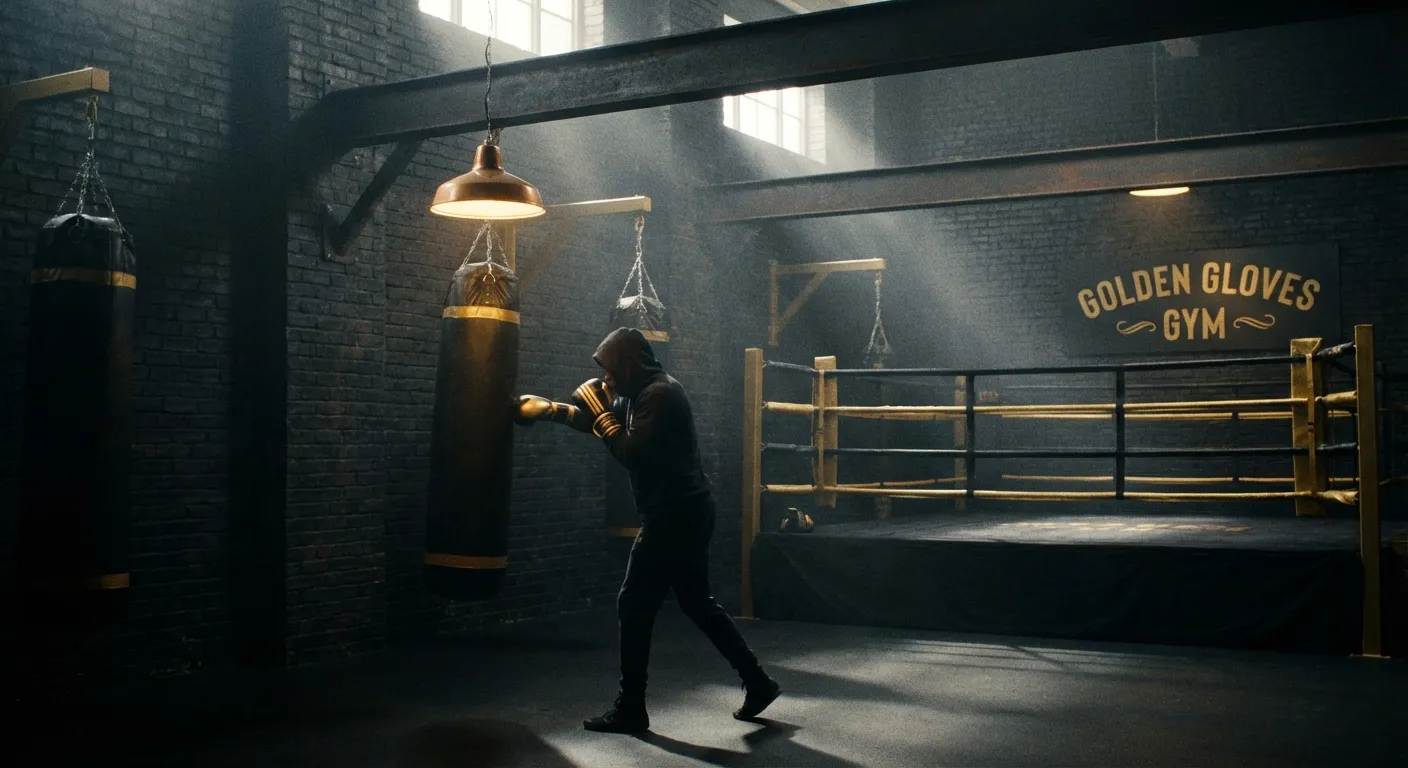
The venue changes the fight. Not the outcome necessarily, but the experience and the meaning. Some venues amplify boxing in ways that others cannot replicate, regardless of the quality of the card.
Here are the British venues that have mattered most, and why.
Wembley Arena / Wembley Stadium
Wembley has hosted British boxing at its biggest moments for decades. The Stadium version - outdoor, summer nights - creates a specific atmosphere that indoor arenas cannot produce. The crowd noise travels differently. The scale changes what a big fight feels like.
Henry Cooper vs Muhammad Ali (1963) at Wembley Stadium is one of the defining nights in British boxing history (Boxing News). Cooper's left hook - the punch that knocked Ali down in the fourth round - landed in front of tens of thousands of people. The scale of the occasion was part of why that moment has lasted in the national memory.
Wembley Arena has hosted some of the most significant professional fights in British boxing across multiple generations. It remains the benchmark for big domestic fight nights.
The O2 Arena, Greenwich
The O2 sits on the Greenwich Peninsula, less than five miles from Honour and Glory in Kidbrooke. The venue opened as the Millennium Dome in 2000 and reopened as The O2 in 2007, and it has since hosted the full range of major British professional promotions, including world title nights.
The capacity and the acoustics make it work for boxing in ways that other large entertainment venues do not always manage. A full O2 for a major fight night is a genuine experience, and it is accessible from south-east London in a way that most major British boxing venues are not.
Anthony Joshua has headlined multiple events here. So has Tyson Fury. For anyone from Kidbrooke or the wider Greenwich area, the O2 is the nearest major boxing venue.
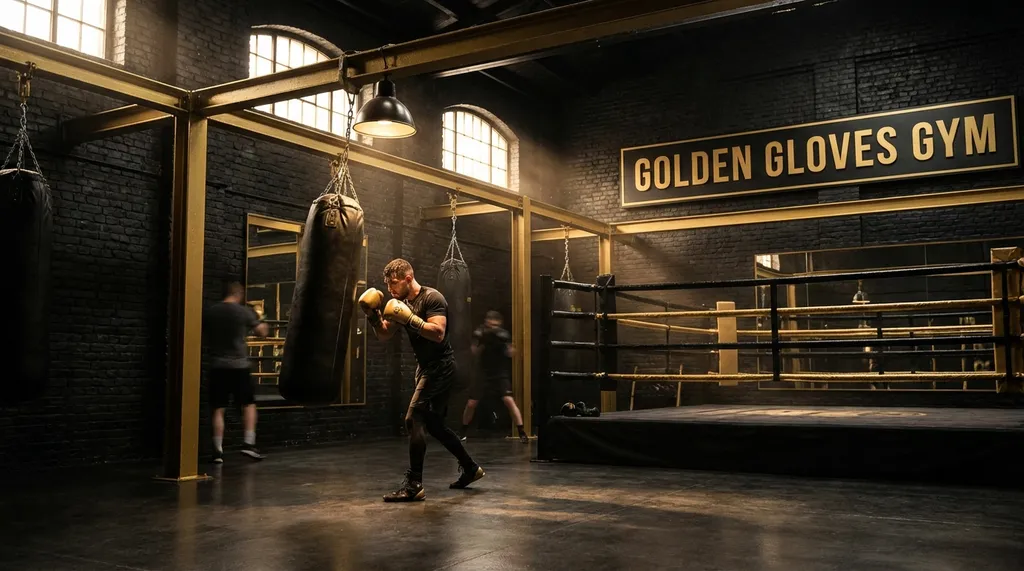
York Hall, Bethnal Green
York Hall is boxing. Not just a venue that hosts boxing - boxing in its DNA.
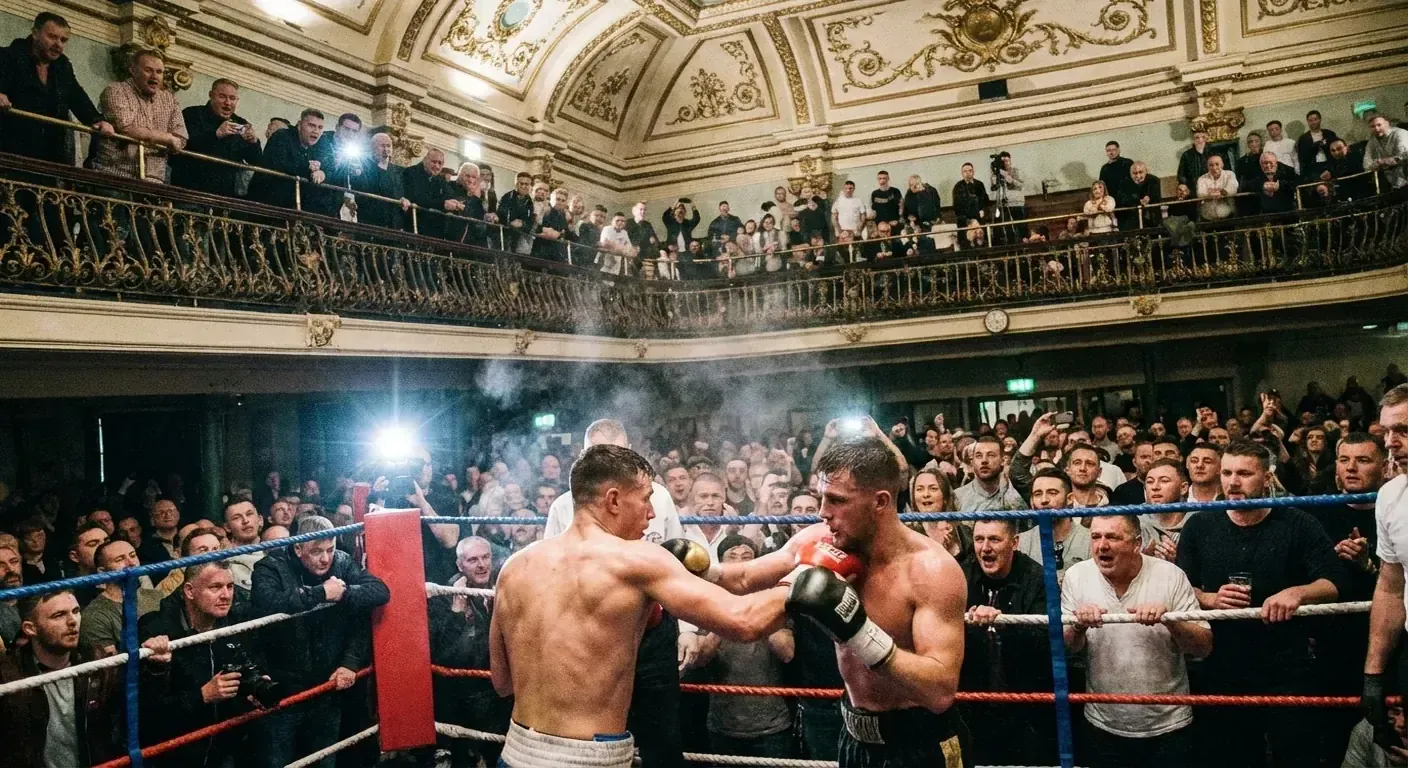
The building dates from the 1920s. The boxing heritage runs from the bare-knuckle era through to today. The listed interior - the balcony, the ornate ceiling, the specific proportions of the main hall - creates an atmosphere that modern arenas cannot replicate.
This is where careers begin. York Hall hosts the early professional shows, the four-rounders, the domestic title fights. It is where a fighter makes their name before they can fill larger venues.
The intimacy is part of its power. The ring is close to the audience. The noise is concentrated. A fighter who has headlined York Hall has done something - not because the purse is large, but because the place is real.
Earls Court Exhibition Centre (1930s-2014)
No longer operating as a boxing venue. The Earls Court Exhibition Centre hosted some of the most significant fights in British boxing history before its demolition in 2014.
Randolph Turpin's first fight with Sugar Ray Robinson in 1951 was at Earls Court. Barry McGuigan's world title fight with Eusebio Pedroza in 1985 - one of the most emotionally significant fights in British boxing history - was at Loftus Road, but the earlier stages of McGuigan's career were at Earls Court. The venue was the template for the large-scale British indoor boxing promotion through most of the post-war era.
The MEN Arena / AO Arena, Manchester
London does not have a monopoly on British boxing. Manchester has produced consistently high-quality cards over the past thirty years and the AO Arena is the primary venue.
Ricky Hatton was the defining Manchester figure - his hometown fights at the MEN were as atmospheric as anything in British boxing, with the working-class Manchester crowd creating an intensity that added something to the actual performances.
For the Lancashire-Yorkshire-Midlands corridor that produces significant boxing talent, Manchester is the home venue.
The Motorpoint Arena, Cardiff and Sheffield
Wales has a boxing culture that punches above its weight nationally. Joe Calzaghe's record at the Motorpoint Arena - he effectively did not lose at home - is one of the remarkable achievements in British boxing history.
Sheffield, through the Brendan Ingle stable, produced a succession of world champions from the 1980s through to the early 2000s and the Motorpoint Arena there hosted significant cards through that era.
Small Halls Matter Too
The venues above are the big ones. But boxing happens at a level that small halls sustain.
The small hall shows - leisure centres, sports halls, working men's clubs that still host amateur and low-level professional boxing - are where the sport actually lives. The big arenas are the exceptions. The local shows are the rule.
Honour and Glory's amateur boxers compete at venues like these across London and the home counties. These shows matter to the fighters and communities involved as much as any O2 card.
If you want to see boxing live at the level where it is genuinely raw and unpolished, find a small hall show. They are listed through England Boxing and promoted locally through affiliated clubs (source).
For our own fighters' competition schedule, follow Honour and Glory on Instagram or ask at the gym.
The Adult Recreational class is where most members begin.
H&G Team
Writer at Honour & Glory Boxing Club, a community boxing gym in Kidbrooke, South East London.
KEEP READING
British Boxing History: From Bare-Knuckle Fights to Olympic
British boxing did not begin with the Marquess of Queensberry. It began much earlier and stranger. Here is the full arc from prize fighting to Olympic champions.
York Hall Boxing: First-Time Fan Guide
What to expect at York Hall boxing, why the Bethnal Green venue matters, and what beginners can learn from watching live.
Every Major Boxing Film Ranked: Which Ones Still Hold Up
An honest ranking of the major boxing films from all eras - including which ones get the sport wrong, which ones get it right, and which ones transcend the sport entirely.
Was this page helpful?
It takes one tap, and it genuinely helps.
Choose your next step
Turn this article into the right action
Some readers are ready to book. Some need the class route first. Pick the route that matches what you actually want.