Moses Itauma and the pressure of heavyweight expectation
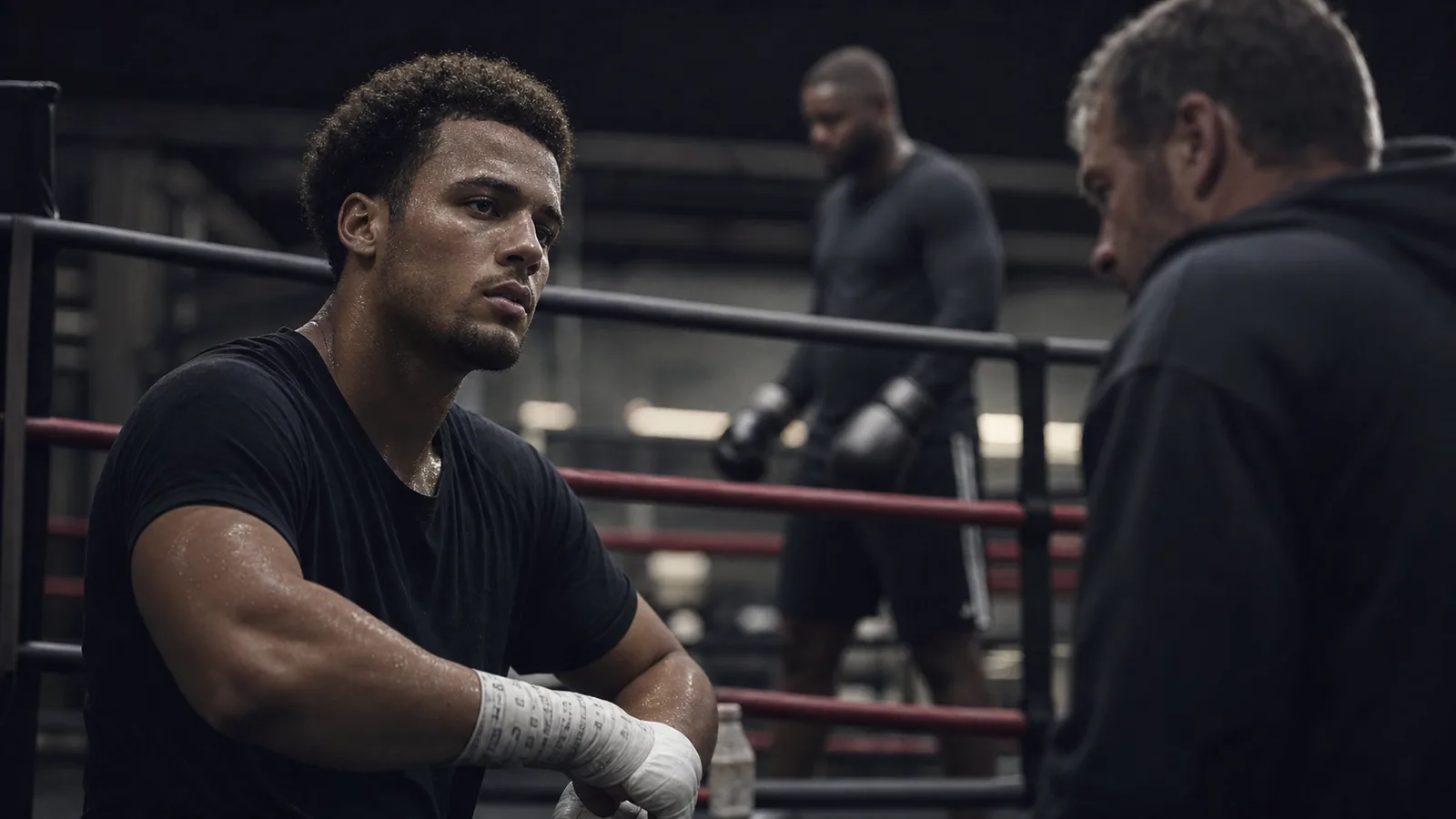
Moses Itauma and the pressure of heavyweight expectation
Heavyweight boxing has a habit of making young fighters carry other people’s dreams before they have had time to build their own career.
Moses Itauma is the latest example. He is 21, unbeaten at 14-0 with 12 knockouts, a quick and heavy-handed southpaw with the physical scale of a modern heavyweight and the composure of someone who does not appear overwhelmed by the room. He has stopped Dillian Whyte, gone five rounds to break down Jermaine Franklin, and has made good professionals look as though they arrived a round late.
That is real evidence. It is also why the noise has become dangerous.
The Oleksandr Usyk comparison is now unavoidable. In recent coverage, Itauma’s response has been notably level-headed: respect for the champion, confidence in himself, but no obvious panic about whether a fight materialises. Watch his reaction here.
That attitude is more valuable than another viral knockout. Itauma does not need to become Usyk’s successor by declaration. He needs to become Moses Itauma by beating the right men at the right point in his development.
A comparison is not a title shot
Usyk is not merely the man holding a place at the top of the heavyweight division. He is an Olympic gold medallist, a former undisputed cruiserweight champion and a heavyweight operator who has beaten elite men while making the most difficult parts of boxing look controlled.
When Usyk ruled out an Itauma fight in comments reported by the BBC, he made the familiar point that the younger man has time. That was not a slight. It was an accurate reading of the gap between promise and proven elite experience.
Itauma has responded well to the attention. In comments carried by Boxing News, he did not pretend that Usyk’s public words were an insult requiring a public tantrum. He acknowledged the realities of fight promotion, backed himself, and kept the door open without making his whole identity depend on one opponent.
That is exactly right.
A young heavyweight must believe he can beat anyone. His team must not behave as though he already has.
The mistake people make is treating a comparison as an instruction. Itauma is a southpaw with speed, timing and unusual composure. Usyk is also a southpaw whose movement, angles and discipline have made larger men look clumsy. The similarities are interesting. They are not a reason to throw a 21-year-old with limited championship-round experience straight at one of the outstanding fighters of the era.
The Ring Magazine report on Itauma calling a potential Usyk bout “win-win” catches the logic from a fighter’s perspective. Beat Usyk and history changes. Lose to a great champion while young and there is no shame in it.
But a boxer’s calculation and a coach’s calculation are not identical. A coach has to ask a colder question: what does this fight teach the boxer that he could not learn in a better stage of the journey?
The heavyweight division is open, not easy
The heavyweight picture is opening up because Usyk’s reign cannot last forever and the belts, rankings and big-fight routes are beginning to separate. That creates opportunity, but it also creates a temptation to skip steps.
A vacant route is not the same thing as a safe route.
Itauma is highly ranked and has already done more than enough to be discussed seriously. The issue is not whether he belongs in the conversation. He does. The issue is whether the division should hand him its biggest exam before he has sat enough difficult papers.
The best current answer is Filip Hrgovic.
Itauma is scheduled to meet Hrgovic at London’s O2 Arena on 29 August, a fight confirmed by ESPN’s UK guide. This is the sort of match that tells us far more than a flattering comparison ever can.
Hrgovic is experienced, physically imposing and hard enough to make a fight ugly. His only professional loss came against Daniel Dubois. He has spent years around the proper end of heavyweight boxing, where a clean first-round finish is not always available and a fighter must work through clinches, missed shots, interruptions and pressure.
That is what Itauma needs.
Not a man brought in to make him look good. Not an old name brought in to collapse on schedule. A heavyweight who can make him solve problems.
Opponent selection is part of development
There is a lazy view of matchmaking that says a boxer should face the best available opponent immediately, because anything less is cowardice.
It is nonsense.
Good matchmaking is not about protecting a prospect from risk. It is about choosing risks that develop the fighter instead of simply exposing him. There is a vast difference.
A carefully selected opponent can test a young heavyweight’s jab, stamina, composure, body work or ability to fight off the ropes. Another can force him to handle a taller man, a pressure fighter, a counter-puncher or someone willing to spoil and lean. Those rounds become part of a fighter’s equipment.
The wrong jump can turn a learning opportunity into a night of survival.
Itauma’s win over Franklin was important precisely because Franklin had gone the distance with Anthony Joshua and Dillian Whyte. Queensberry’s fight page described Franklin as an accomplished, durable American whose only defeats at that stage had come on points in Britain. Itauma did not just blast through a familiar name. He had to show that he could stay patient, carry his work into later rounds and break down an opponent who knew how to stay in a fight.
That is growth.
The Hrgovic fight should ask different questions. Can Itauma stay relaxed if he is hit cleanly? Can he keep his feet underneath him when an older heavyweight leans on him? Can he build behind the jab rather than hunt a knockout? Can he hear his corner when the O2 crowd expects a statement?
Those answers matter more than whether he can produce another frightening clip for social media.
Patience is not hesitation
Itauma should not be wrapped in cotton wool. That would be a waste of his talent and a poor use of the momentum he has earned. A fighter with his ability needs meaningful fights, and he needs them soon enough that ambition does not turn into stagnation.
But patience is not passivity.
Patience means taking the Hrgovic test seriously. It means learning from it whether the result is a statement stoppage, a hard points win or a difficult night that reveals areas to improve. It means recognising that an unbeaten record is not a personality trait. It is a record of what has happened so far.
The official Itauma website calls him “The Future Is Now”, which is exactly how a promotional site should present a rising star. The sport itself needs a slightly steadier view. The future can be now without every final destination having to happen this month.
Usyk’s reaction has helped, in an odd way. It has removed the fantasy fight from the centre of the story and returned the focus to Itauma’s own route. As Sports Illustrated noted in reporting Itauma’s response to Usyk’s decision, Itauma has framed the older champion as being from a different generation. That is sensible. Great fighters do not have to pass a torch personally for the next generation to rise.
Itauma can build his own era through proper opponents, hard rounds and good decisions.
The H&G view
The hype around Moses Itauma is justified. The rush around Moses Itauma is not.
He has the talent to become a world champion. He may have the tools to become far more than that. But heavyweight boxing does not reward imagination alone. It eventually demands proof against men who can punch back, take away your first plan and make you work when the crowd has stopped cheering.
Beat Hrgovic. Learn from the fight. Take the next serious step. Then take another if it is needed.
That is not caution for caution’s sake. It is how a promising heavyweight becomes a finished one.
The same principle applies in every boxing gym. Progress comes from the right pressure at the right moment, not from being thrown into the hardest possible round to satisfy someone else’s excitement. At Honour & Glory’s boxing classes in Kidbrooke, new boxers aged 7+ learn the fundamentals first: stance, balance, defence, composure and the patience to improve properly.
Itauma’s next fight is not a delay on the road to expectation. It is the road.
H&G Team
Writer at Honour & Glory Boxing Club, a community boxing gym in Kidbrooke, South East London.
KEEP READING
Itauma Stops Franklin: A Heavyweight Shift
Moses Itauma became the first fighter to stop Jermaine Franklin. What that fifth-round knockout tells us about British heavyweight boxing.
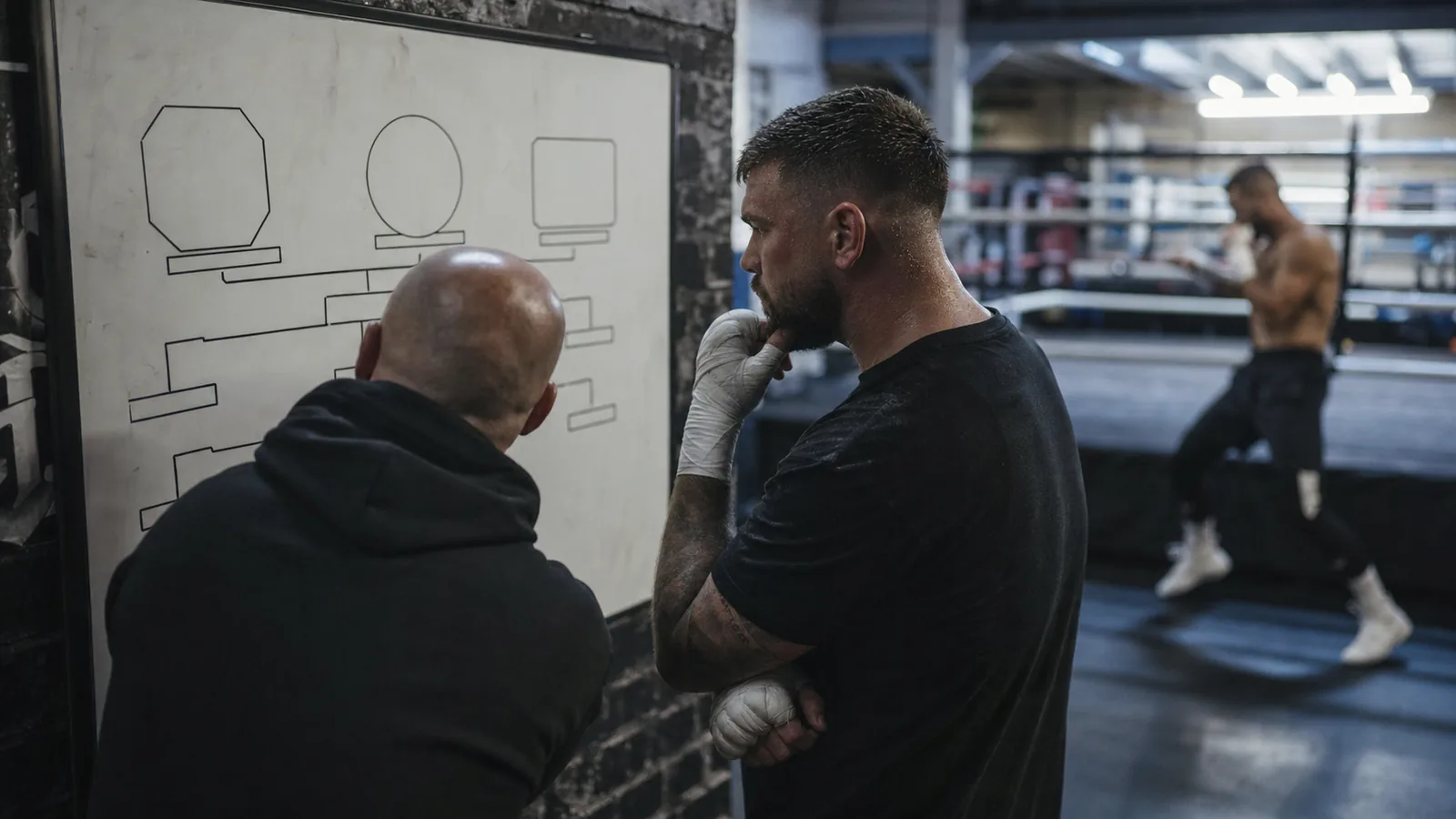
Usyk vacates titles: what it means for heavyweight boxing
A clear UK-club explainer on how Oleksandr Usyk giving up the WBC, WBA and IBF belts reshapes the heavyweight division, separates a vacant-title route from retirement, and explains why the contenders now matter.
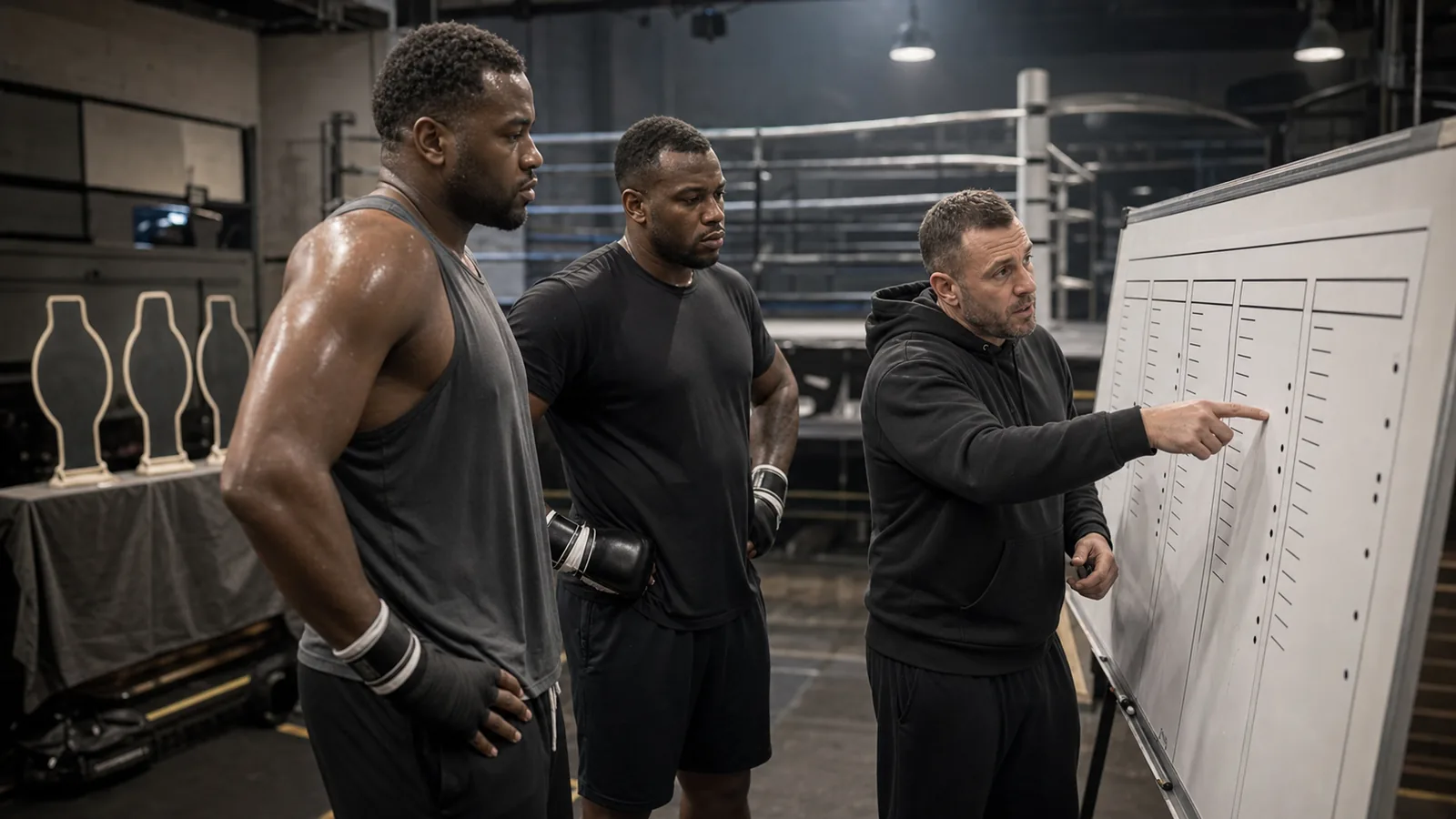
Usyk vacates three heavyweight belts: what changes next
A focused explainer on how Oleksandr Usyk giving up the WBC, WBA and IBF titles changes the heavyweight queue, why governing-body routes now matter, and why vacant belts create opportunities without proving who is the best heavyweight.
Was this page helpful?
It takes one tap, and it genuinely helps.
Choose your next step
Turn this article into the right action
Some readers are ready to book. Some need the class route first. Pick the route that matches what you actually want.