Moses Itauma's loss: why sparring stamina is not fight stamina
Moses Itauma’s Loss Shows Why Sparring Stamina Is Not Fight Stamina
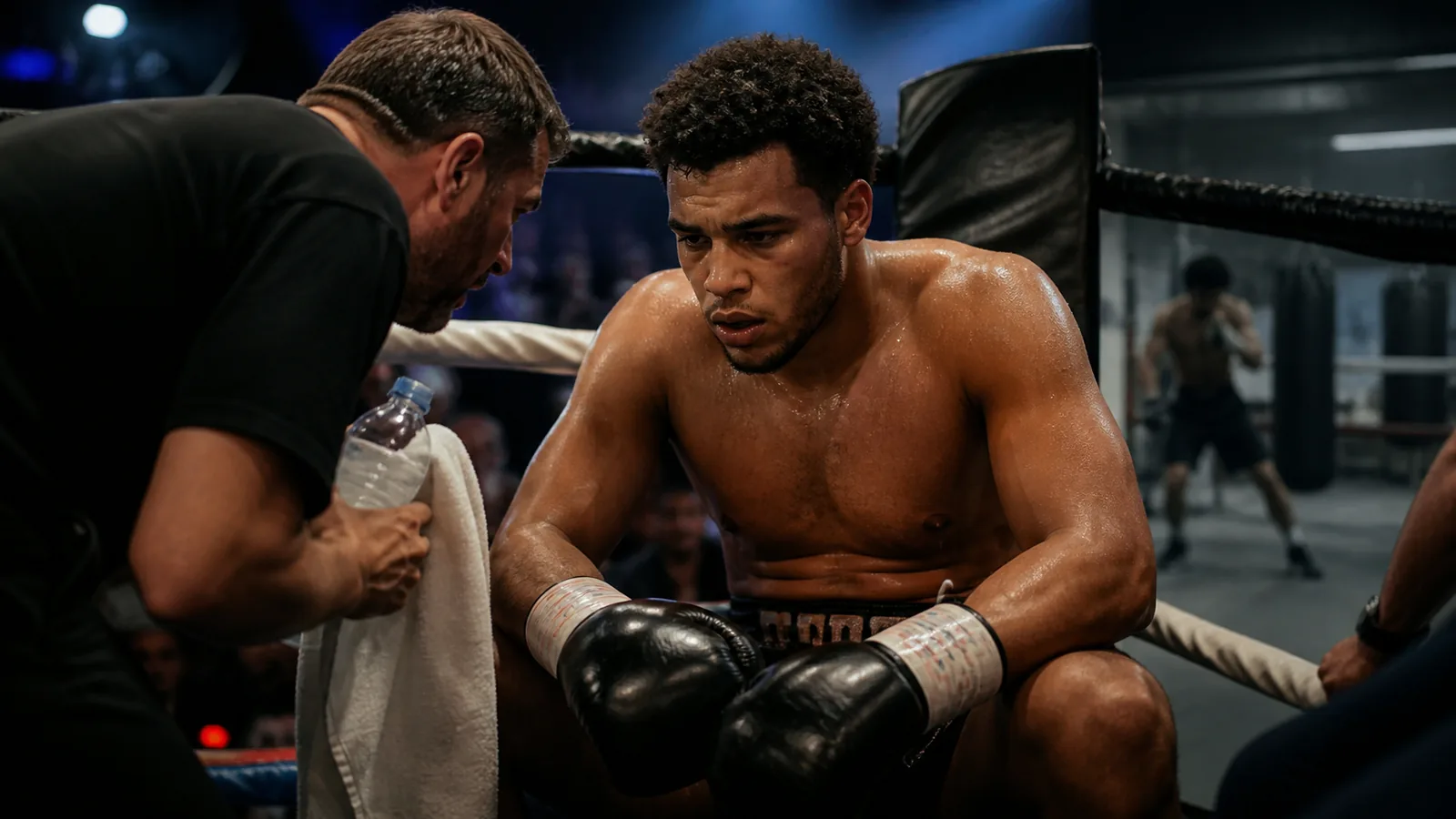
Moses Itauma did not lose to Filip Hrgovic because he could not fight. That is the lazy reading.
For long stretches at The O2, the young southpaw looked quick, sharp and dangerous. He put Hrgovic down in the second round, landed clean shots, and appeared to be building a sizeable lead. Then the contest changed. Itauma’s output became expensive, his breathing became visible, and Hrgovic, a seasoned heavyweight with a very good chin, kept walking forward. By the ninth round, Itauma had nothing left to defend with and the towel came in.
The BBC’s report on the fight described a fighter who had boxed only 26 professional rounds before his first world-title bout, started fast, and was already breathing heavily by the end of the third. That is not a character flaw. It is a lesson in the difference between being fit enough to work hard in the gym and being able to spend your energy properly when a world title is on the line.
The argument after the fight has centred on the claim that Itauma had done long sparring rounds. Fabio Wardley’s defence of Ben Davison is worth reading because it pushes back against the idea that one result proves a gym does not know what it is doing. But the reaction also misses the bigger point.
A boxer can complete 12 rounds of sparring and still be unprepared for the particular physical and mental cost of an elite fight.
Twelve sparring rounds are not twelve fight rounds
Sparring is essential. It is where a boxer learns distance, timing, composure, recovery, defence and the discipline of thinking while tired. Good sparring is not play-fighting. At a serious level, it can be punishing.
But it is not the same environment as a professional title fight.
In a gym, there is no walkout at a packed O2 Arena. There is no vacant belt in the ring. There is no opponent trying to take away the biggest night of your career. There is no crowd reacting to every punch, no television clock, no scorecards in your mind, and no sense that one mistake might become the clip that follows you for years.
Those things alter the body before the first bell.
A young heavyweight can be physically capable of 12 hard rounds, yet burn through his energy much faster because he is tense. Shoulders rise. Breathing becomes shallow. Feet get heavy. Punches that are normally thrown with balance become loaded and forced. A fighter starts working twice as hard to land half as cleanly.
That is fight stamina. It is not simply lung capacity or the ability to survive a hard session. It is the ability to stay relaxed, make decisions and use the right amount of energy when the stakes are highest.
The mistake was not effort. It was spending too much too soon
Itauma’s early success made the problem harder to spot.
He was quicker than Hrgovic. He landed first. He scored the knockdown. He had the crowd behind him. Against a less durable opponent, that start may have produced a spectacular finish and everyone would have called it a statement win.
Hrgovic did not cooperate with that script.
The Croatian was hurt at points but did not disappear. He stayed present, absorbed punishment, and made Itauma keep proving the point. That is a very different question from knocking over opponents who are already looking for the exit.
The fight highlights from Sky Sports show the essential pattern. Itauma had success, but he kept committing to exchanges and chasing the decisive moment. Hrgovic’s durability turned every failed finishing sequence into an energy bill that had to be paid later.
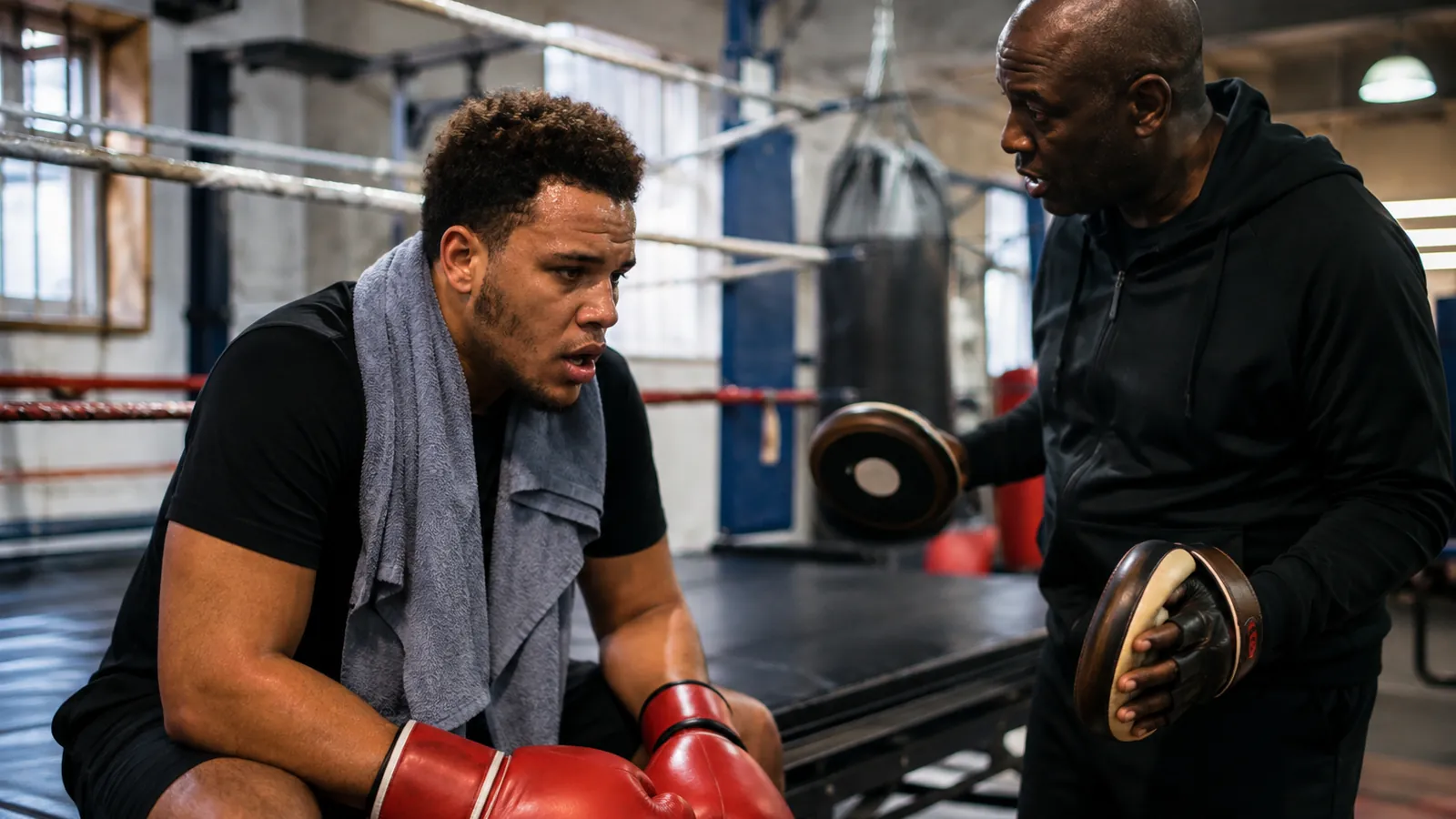
Frank Warren’s assessment, reported in Yahoo Sports’ coverage of Fabio Wardley’s defence of Davison, was blunt: Itauma put his foot on the accelerator and did not take it off. He could have gone back to the jab, moved, calmed the fight down and banked rounds.
That is the central criticism, and it is fair.
A fighter who is winning does not need to prove he can win every exchange. He needs to keep winning the fight.
The best conditioning is often decision-making
There is a habit among boxing fans of treating conditioning as a simple measure of toughness. A fighter gasses, so they must not have run enough hills, done enough rounds, or pushed hard enough in camp.
Sometimes that is true. Often it is not.
The fitter fighter is not always the one who throws the most. It is often the one who can recognise when to throw less.
A jab costs less than a four-punch burst. Taking half a step back costs less than trying to force an opponent into the ropes. Clinching after a hard exchange costs less than standing in front of a bigger man and trading when your legs are beginning to fail.
These are not signs of fear or negativity. They are signs of ring judgement.
Hrgovic said afterwards that he could see Itauma fading from the first round and knew that he had the pace in his favour. That is an experienced heavyweight’s mindset. He did not need to win the first three rounds. He needed to make sure the fight was still alive when the younger man’s pace began to fall apart.
That is exactly why elite boxing is hard to simulate. In sparring, a partner may be asked to work a certain style, a coach may stop a round at the right moment, and both fighters return to the same gym the next morning. In a real fight, an opponent senses weakness and makes a career decision to attack it.
What young boxers should learn from it
The lesson for young fighters is not to be cautious to the point of paralysis. Boxing needs ambition, confidence and the willingness to commit when a real opening appears.
The lesson is that hard work must be controlled.
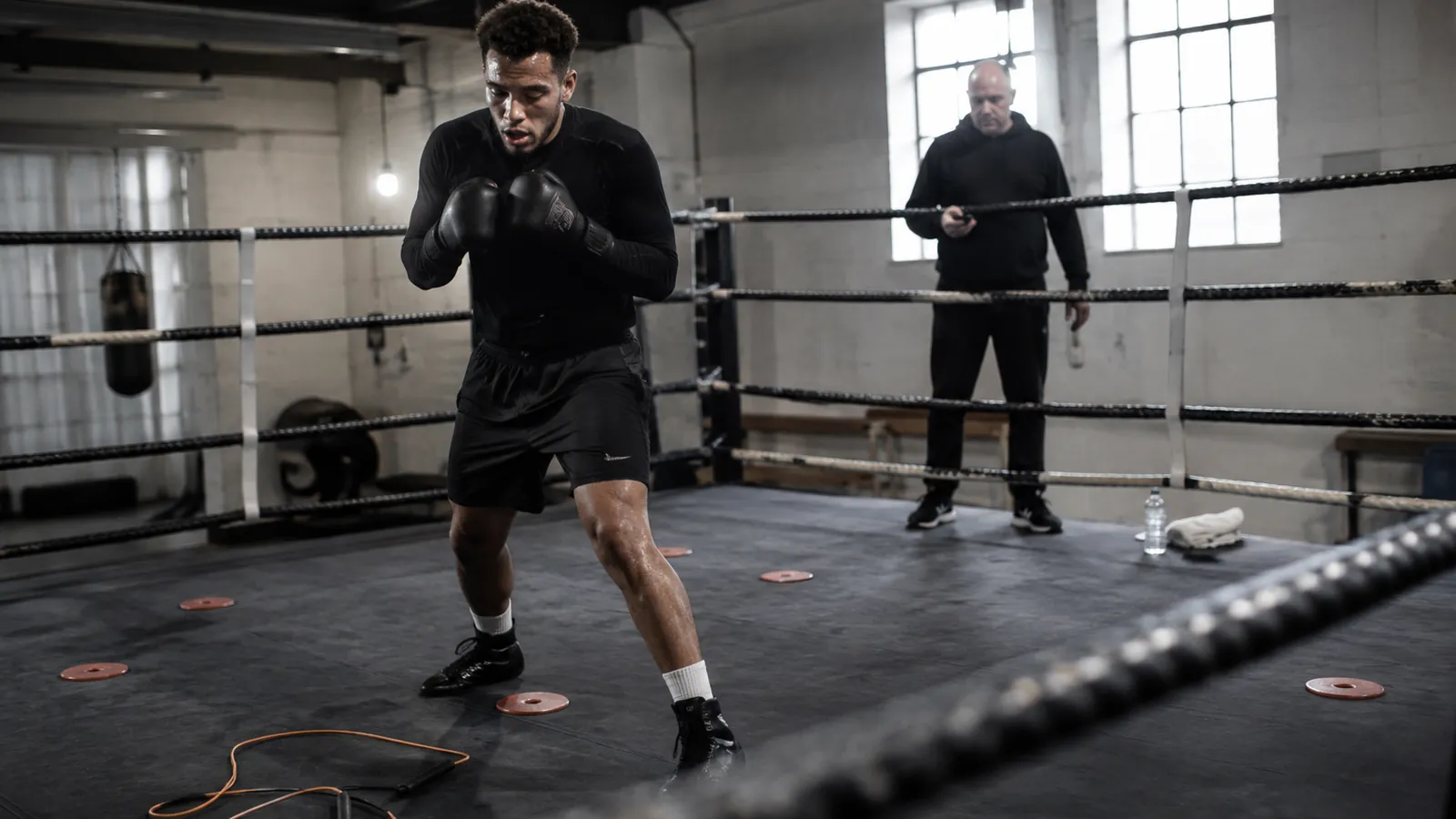
At Honour & Glory, a boxer learning to hold their shape under fatigue is doing more than improving fitness. They are learning to breathe properly, keep their guard organised, use the jab, move after punching and listen when a coach tells them to slow down. Those habits matter whether someone boxes recreationally, competes as an amateur, or simply wants to become fitter and more confident.
The exciting shots get attention. The quiet decisions win rounds.
A boxer who can complete six tough sparring rounds has achieved something useful. A boxer who can complete those rounds while staying relaxed, choosing their punches, recovering after a mistake and following instructions has developed something far more valuable.
That is why long sparring does not automatically equal fight readiness. The clock may look identical, but the energy demand is completely different.
Itauma can still become the fighter people thought he was
One defeat should not become a verdict on a 21-year-old heavyweight.
Itauma showed enough in the early rounds to confirm that his speed, punch selection and natural ability are real. The Independent’s analysis of his next move made the sensible point that his skills were sufficient for the level, even if his pace and gameplan were not. His own response after the bout, reported here, was also the right one: acknowledge the result, take the experience, come back.
The next stage should not be about proving that he can spar more rounds than anyone else. It should be about banking rounds, facing different kinds of pressure, and learning that a heavyweight fight can be won with a jab, a step, a clinch and a calm head as much as with a knockout.
That is not a retreat from ambition. It is how a young heavyweight becomes hard to beat when the fight stops going his way.
If you want to learn boxing in a structured, coach-led environment, book a trial at Honour & Glory Boxing Club.
H&G Team
Writer at Honour & Glory Boxing Club, a community boxing gym in Kidbrooke, South East London.
KEEP READING
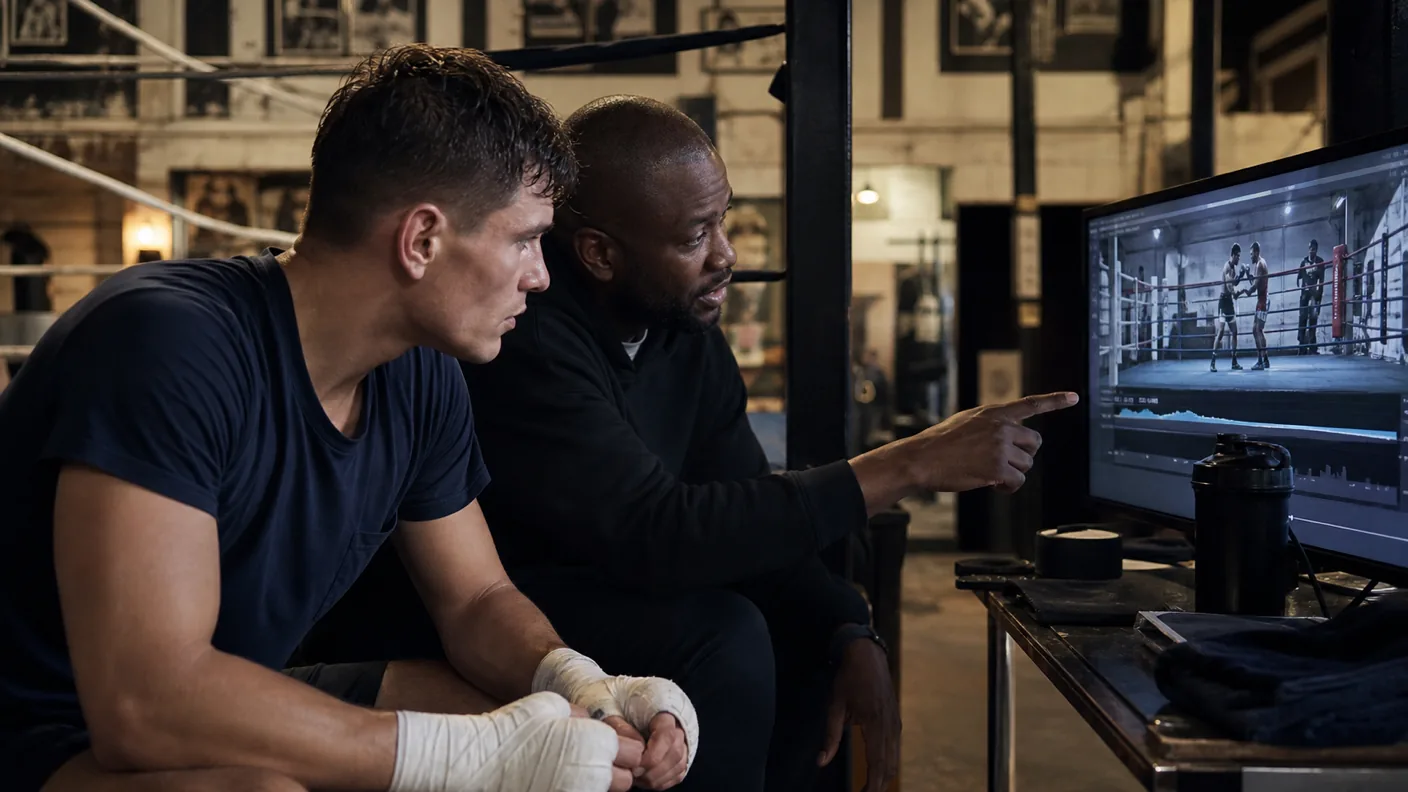
How to Analyse Boxing Sparring Footage
A coach-led method for reviewing sparring video, finding repeatable patterns and turning the footage into useful work for the next session.
Is Boxing Without Sparring Worth It?
Many people who box recreationally never spar and never compete. Is the training worthwhile without those elements? The honest answer from coaches and members.
How to Find a Sparring Partner in the UK
Finding a sparring partner at the right level is one of the harder practical problems in amateur boxing. Here is the realistic guide to how it actually works.
Was this page helpful?
It takes one tap, and it genuinely helps.
Choose your next step
Turn this article into the right action
Some readers are ready to book. Some need the class route first. Pick the route that matches what you actually want.