Katie Taylor answers Claressa Shields pound-for-pound debate
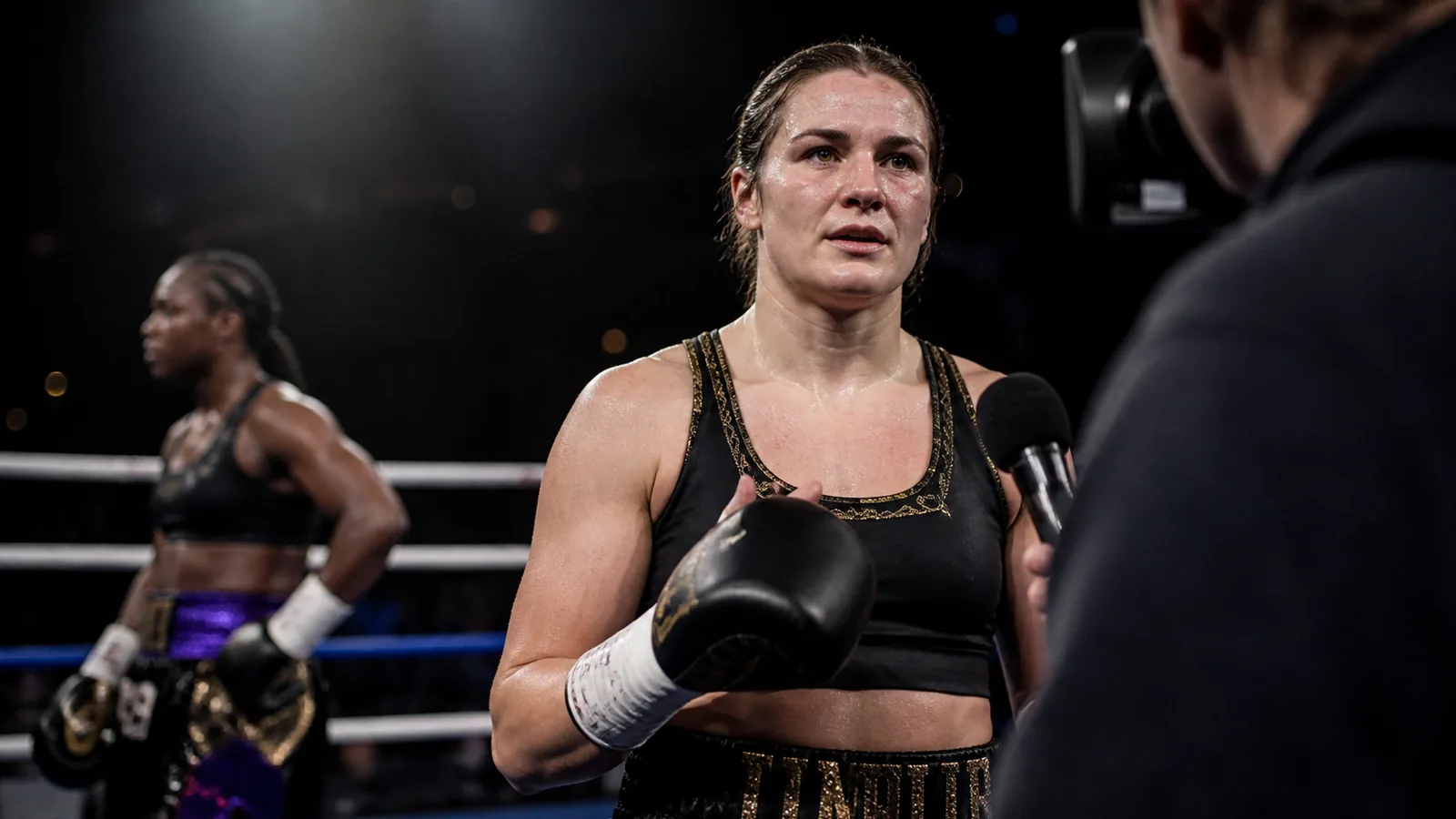
Katie Taylor Answers the Claressa Shields Pound-for-Pound Debate
The best answer to a pound-for-pound argument is usually not another list. It is a fighter speaking plainly about the other fighter.
Katie Taylor and Claressa Shields have spent years at the top of women’s boxing, regularly placed first and second depending on who is doing the ranking and what they value most. Shields has now put the relationship in the most sensible terms possible. Ahead of Taylor’s farewell at Croke Park, she told Sky Sports that the pair “joke and say we’re 1A and 1B, because we’re both just that good”.
That is the right answer. It is also more interesting than pretending there is a mathematical formula that can settle a debate between two great fighters who never met.
The latest discussion around Shields’ win over Kaye Scott has inevitably brought the argument back. Shields is the unbeaten American who has collected major titles from super-welterweight through to heavyweight. Taylor is the Irish Olympic champion, two-weight undisputed professional champion and the fighter who will close her career in front of a reported 80,000 people at Croke Park.
Both have a claim. Neither needs the other diminished to make it.
Taylor’s answer has always been in the work
Taylor has never built her career around winning a verbal contest. Her answer to most questions is preparation, then the next fight.
This week, with a farewell bout against Flora Pili ahead of her, Taylor has been clear that the occasion cannot distract from the job. “The most important thing is that I get my hand raised,” she told the Irish Examiner. That is very Taylor. Croke Park, a huge home crowd, retirement talk, history, gratitude: all of it matters, but none of it can win a round.
It also tells us why she belongs in this discussion. Pound-for-pound is meant to be about more than an unbeaten record or a highlight reel. It is about whether a boxer can make adjustments, handle pressure, fight the best available opponents and remain composed when a contest stops going to plan.
Taylor has done that repeatedly.
She lost her unbeaten professional record to Chantelle Cameron in 2023, then returned to win the rematch. She built one of the defining rivalries in women’s boxing with Amanda Serrano. She has won titles at lightweight and super-lightweight. And she has continued to take difficult fights long after her place in boxing history was secure.
That is a serious body of work. It is why even those who rank Shields first should have no trouble acknowledging Taylor’s case.
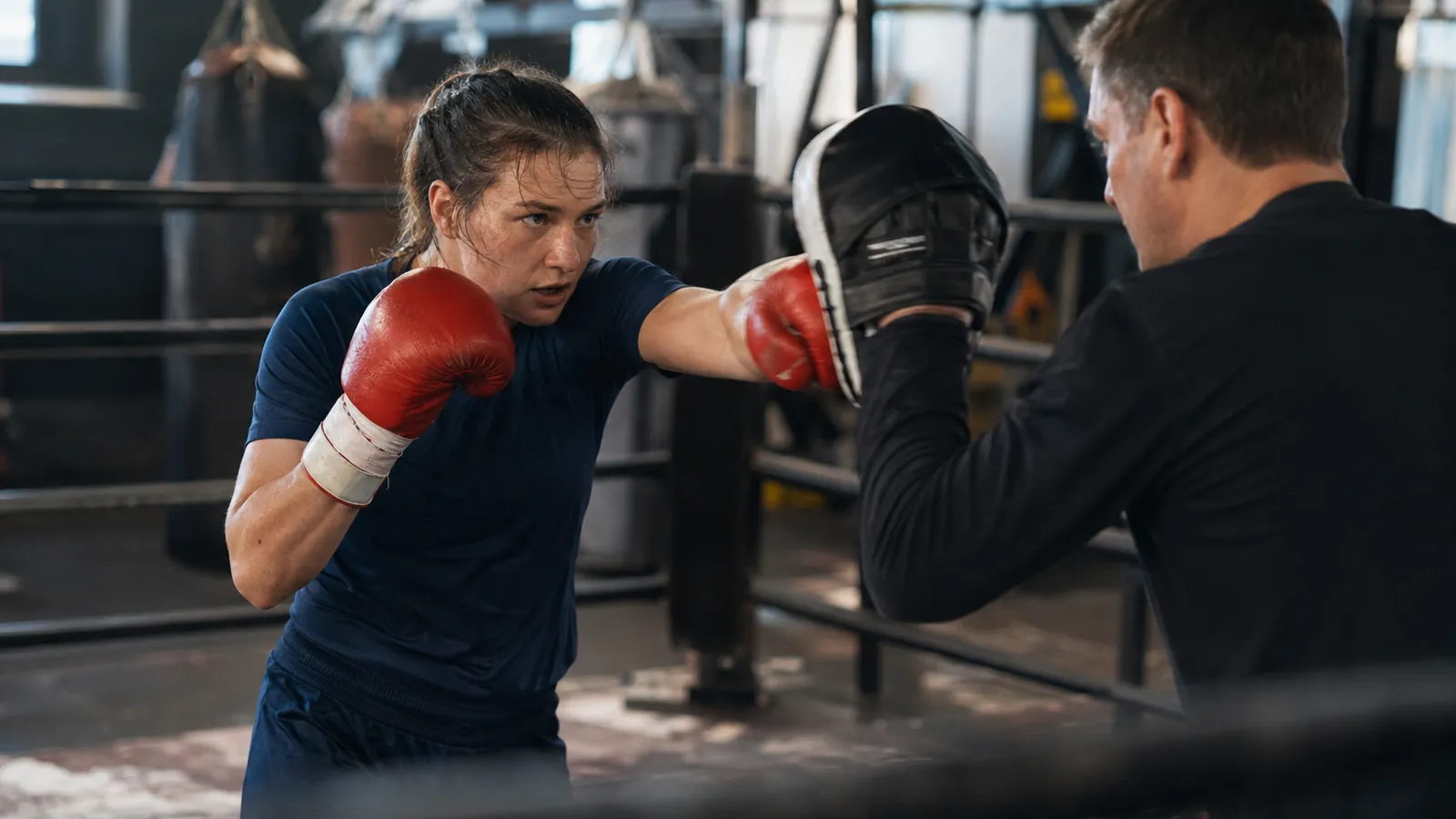
Shields has an equally serious claim
There is no sensible version of this debate that treats Shields as a product of hype.
Sky Sports’ earlier examination of the pair laid out the core argument. Shields won two Olympic gold medals, has won world titles across multiple weights, became undisputed on three occasions, and remains unbeaten as a professional.
That record is extraordinary.
The case for Shields is built on dominance. She has often made elite opponents look ordinary, and that creates a strange penalty in public debate. Close wins can appear more exciting because viewers remember the drama. A dominant win can be treated as evidence that the opponent was poor, rather than evidence that the winner was excellent.
That is unfair. As Sky Sports’ Andy Clarke put it when discussing the debate, perhaps Shields is simply so good that opponents cannot get near her.
Shields also has the weight-class argument on her side. Taylor’s professional career has been built at lightweight and super-lightweight. Shields has operated far higher, winning meaningful championships from 154lb to heavyweight. The two were never natural opponents, which is why the fantasy fight was never straightforward matchmaking.
Shields herself has now made that point without turning it into an excuse. She told Sky Sports she was not angry that the fight never happened: “We had weight classes for a reason.” She praised Taylor’s achievements and said both women had beaten the best in their own divisions.
That is not ducking an argument. It is a fighter understanding the sport properly.
The imagined fight should not decide the ranking
Boxing people often reduce pound-for-pound debates to one lazy question: who would win if they fought tomorrow?
That is not really what pound-for-pound means. If it were, size would always take over eventually.
A Taylor-Shields fight would have required a major compromise on weight. Taylor has previously said that the fight was unlikely because the gap was too large. The idea remains tantalising, but it cannot be used as a stick to beat either woman with.
The better question is this: what has each fighter done against the problems their own career presented?
Taylor’s problem was to turn elite amateur pedigree into a professional career that could fill major arenas, while taking on technically awkward rivals and pressure fighters in competitive divisions. She did it.
Shields’ problem was different. She had to create a body of work across divisions where the depth and commercial opportunities were not always equal to her ambition. She did not sit still waiting for perfect circumstances. She chased belts, moved through weight classes and kept adding to an already remarkable record.
Those are different careers. Comparing them is useful. Declaring one a fraud because she is not the other is not.
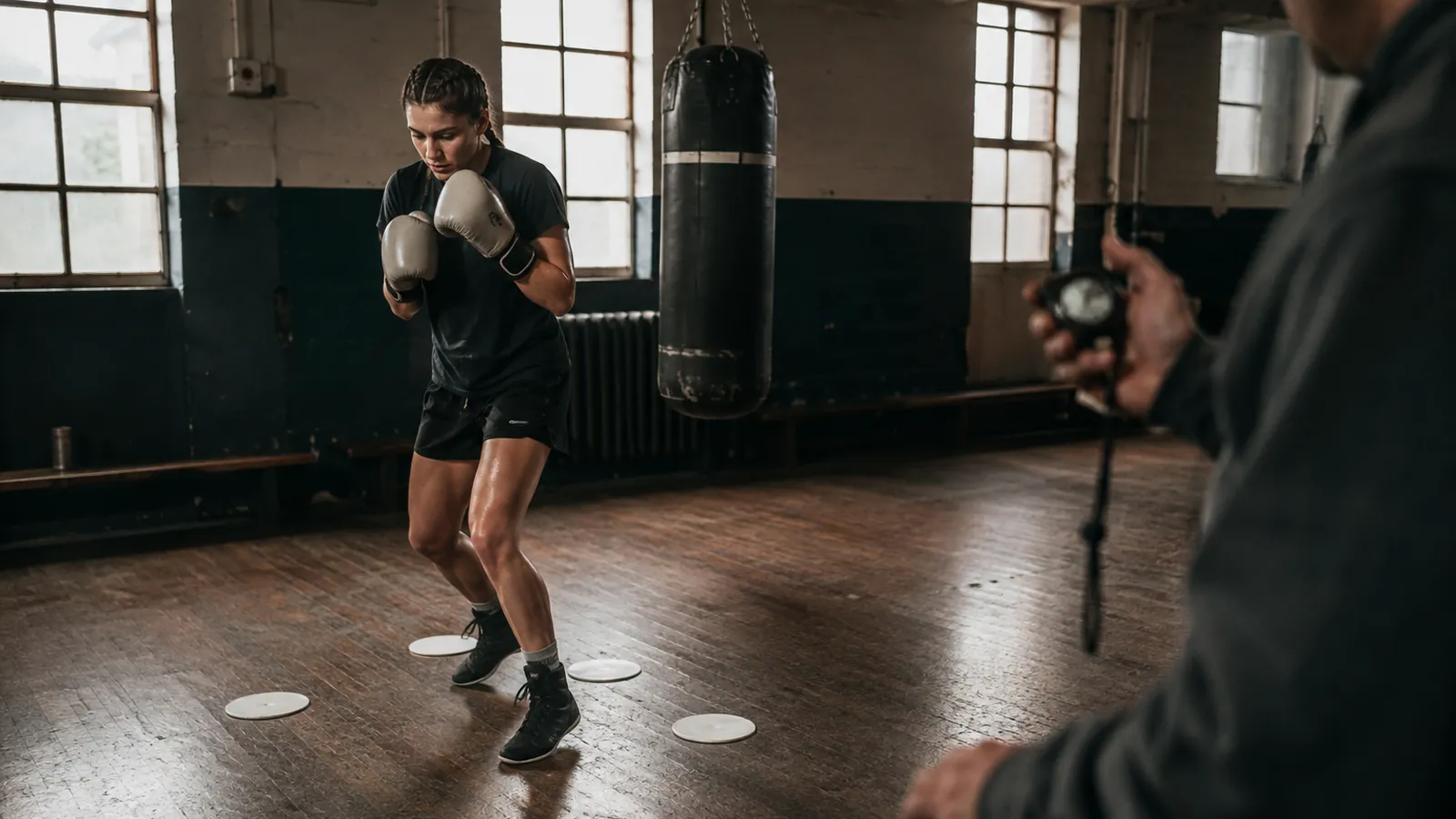
Why this matters now
Taylor’s Croke Park farewell gives the discussion an emotional edge, but it should not become a retirement-vote ranking. A great career does not become greater because the final week is sentimental.
Still, the scale of the occasion matters. Taylor has said she hopes the night inspires young girls to take up the sport and perhaps surpass what she has achieved. At her final public workout, she brought a young fan into the ring, gave her gloves and shared a small moment that captured the reach of Taylor’s career beyond belts and scorecards, as reported by Evoke.
That is not an argument for placing Taylor above Shields. It is an argument for understanding that greatness has more than one measure.
Taylor’s influence is visible in the places women’s boxing now occupies: headline bills, major venues, serious broadcast coverage and proper rivalries. Shields’ influence is visible in the standards she has set inside the ring, in the weight classes she has conquered, and in her refusal to let women’s boxing be treated as an afterthought.
Both moved the sport forward. Both forced boxing to pay attention.
Our view: 1A and 1B is not a cop-out
At Honour & Glory, we are happy to take a stance: Shields and Taylor are the two defining fighters of this era, and the urge to settle the debate with a permanent, universal number one misses the point.
If you value unbeaten dominance, multi-weight achievement and technical control, choose Shields.
If you value activity in competitive divisions, elite rivalries, resilience after defeat and the ability to make women’s boxing a major-event attraction, choose Taylor.
Neither choice is ridiculous. The mistake is acting as if the other case is weak.
BoxingScene’s assessment of the debate makes a fair broader point: pound-for-pound lists are inherently awkward when fighters work in different divisions and face different levels of opportunity. That does not mean the conversation is worthless. It means it needs honesty.
The Ring’s debate over Taylor and Shields shows how quickly rankings can become a proxy for promoter loyalties and personal preference. The fighters themselves have offered a better standard.
Respect the achievement. Watch the fights. Do not pretend a list can tell the whole story.
For boxers training in Kidbrooke, including those starting from age 7+, the useful lesson is not who sits first in an abstract ranking. It is how both women reached the conversation in the first place: years of drilling fundamentals, taking difficult tests, learning from setbacks and keeping their standards high after success.
Taylor’s last fight is a farewell. Shields’ next chapter is still being written. The pound-for-pound debate will keep going because boxing loves an argument.
But on this one, the fighters have already given us the most accurate answer.
1A and 1B.
H&G Team
Writer at Honour & Glory Boxing Club, a community boxing gym in Kidbrooke, South East London.
KEEP READING
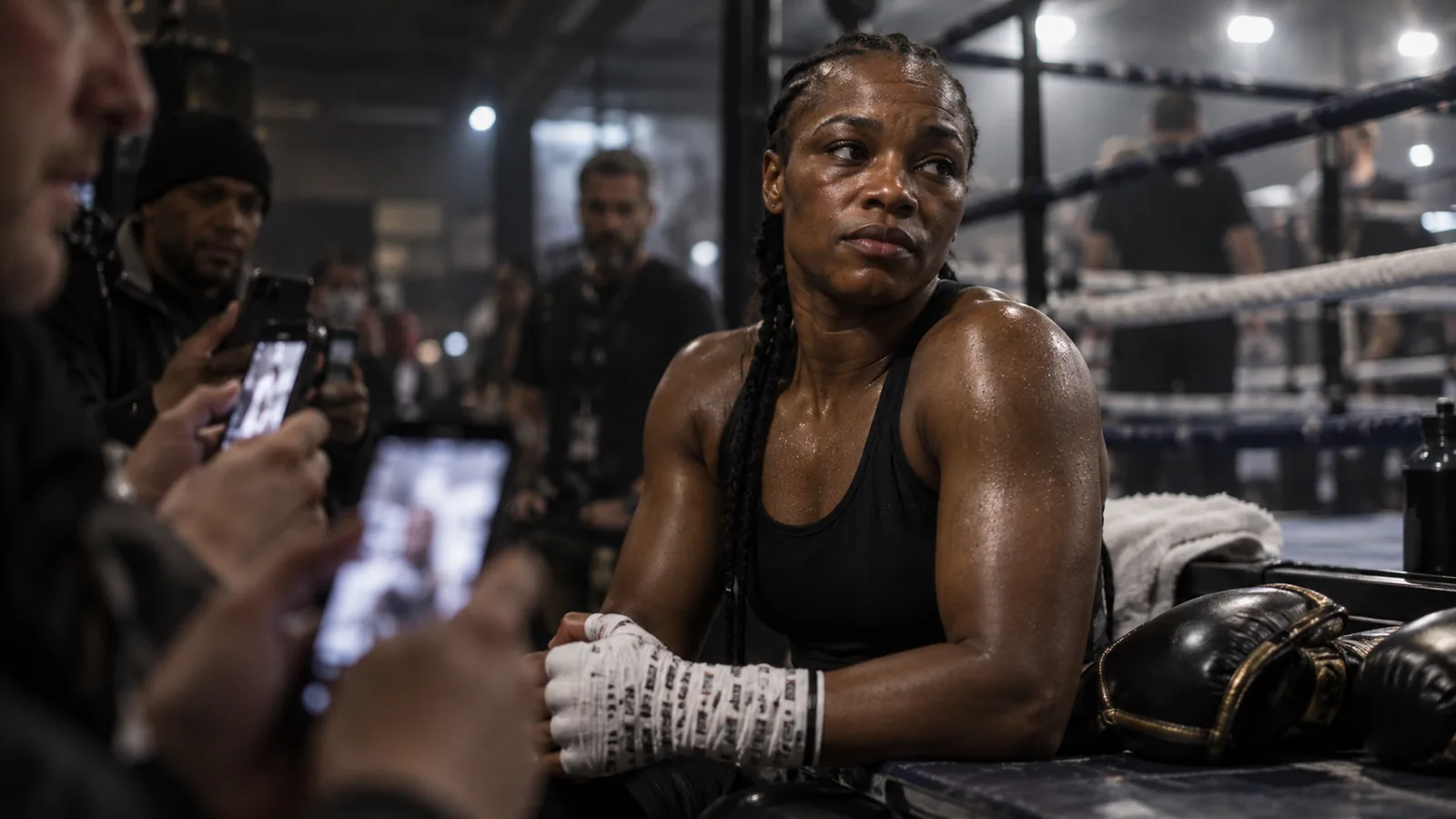
Claressa Shields’ comments backlash: when champions close the room
A focused look at the pressure on elite fighters to engage publicly, and why switching off comments can intensify rather than settle a boxing debate.
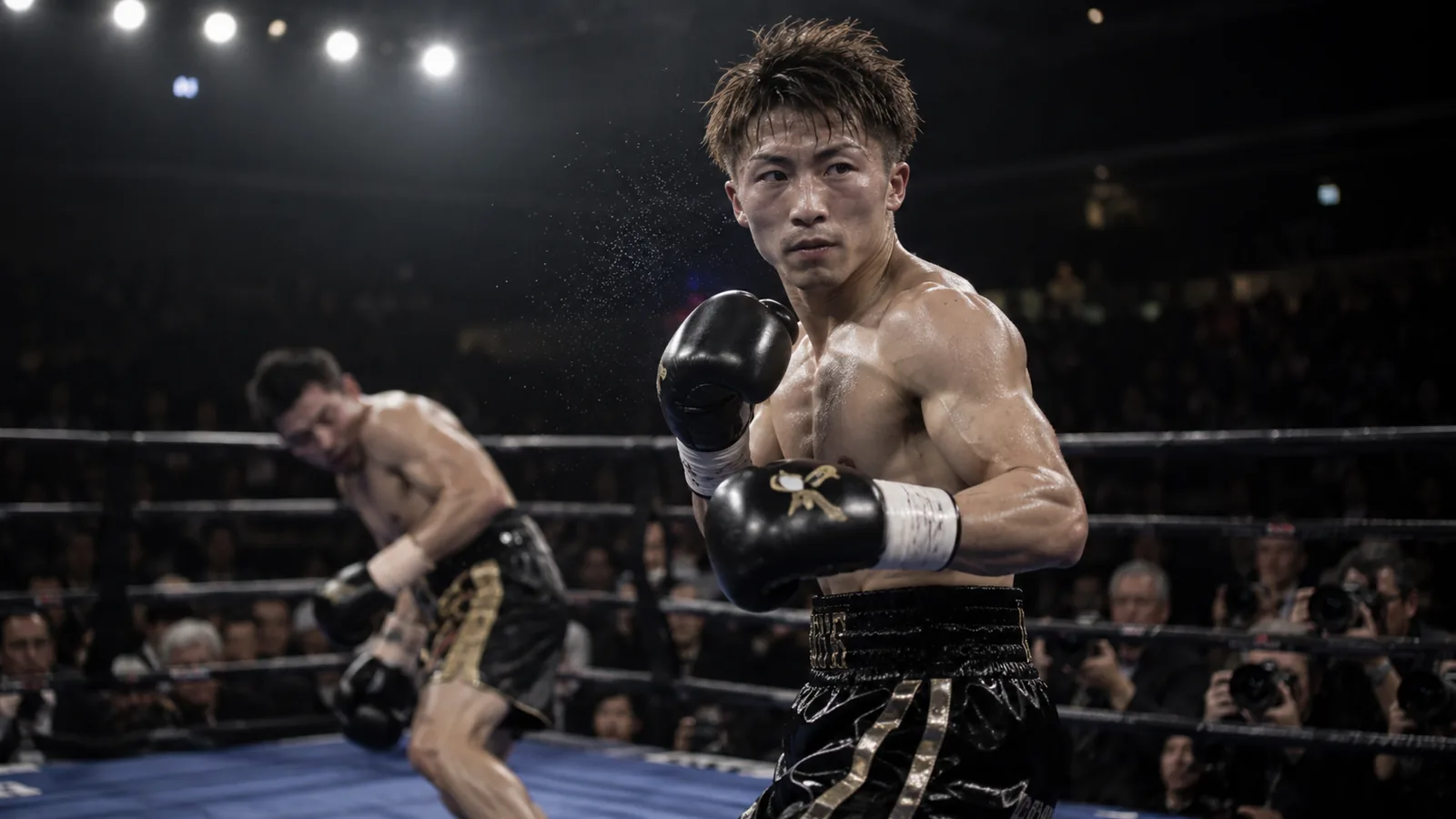
Naoya Inoue debate: why dominance still attracts criticism
Explore why elite fighters can be dismissed or judged more harshly precisely because they make difficult work look routine; separate substantive stylistic questions from reflexive backlash.
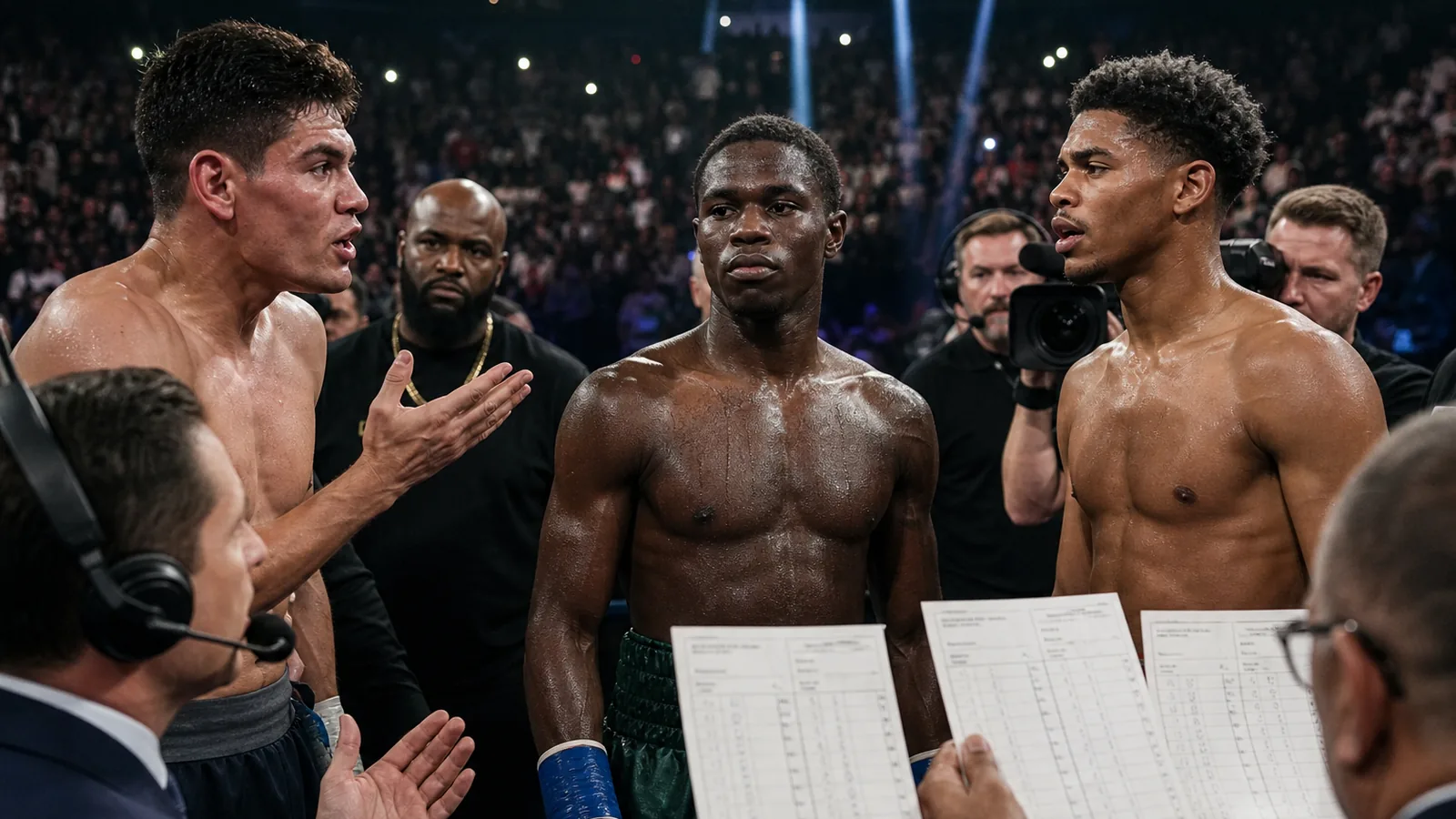
O'Shaquie Foster Debate: Navarrete, Ford and Shakur
Turn the current online debate into a judging-and-styles explainer: why Foster divides opinion, why Max Kellerman favours Navarrete, and how old Shakur Stevenson comments are being used in current fan arguments.
Was this page helpful?
It takes one tap, and it genuinely helps.
Choose your next step
Turn this article into the right action
Some readers are ready to book. Some need the class route first. Pick the route that matches what you actually want.