How to Prepare for Your First Amateur Boxing Bout in the UK
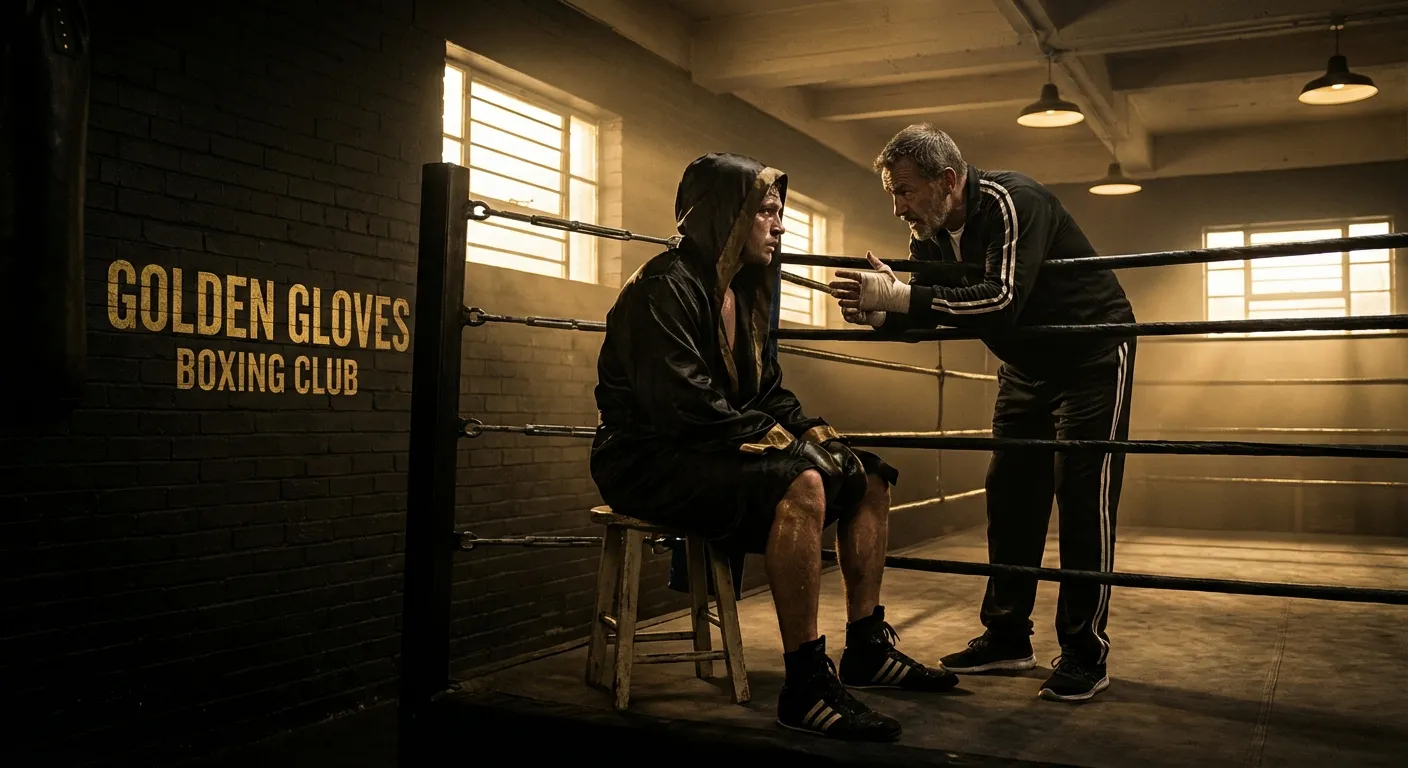
The ABA's competition rules set the requirements for Alliance shows. England Boxing's competition preparation guidance covers the equivalent medical, equipment, and weight requirements for England Boxing bouts.
Your first amateur boxing bout is one of the most significant things you can do in the sport. The preparation for it deserves the same care as the bout itself.
The Six-Week Preparation Period
Six weeks before a bout is when preparation becomes specific. Before this, you have been building general boxing skills. Now you are preparing for a specific contest.
Weeks 6-4: Intensity Build
Training volume increases. You are sparring more frequently - three to four times per week rather than one or two. The sparring partners should be at or above your level.
Conditioning increases. The aerobic base that will sustain you through three rounds needs to be fully established.
Technical work continues but with competition emphasis - the specific combinations and tactics you plan to use.
Weeks 4-2: Skill Refinement
Volume remains high but the emphasis shifts to quality over quantity in sparring. Fewer rounds, more tactical focus.
Strategy is developed with your coach. What is your plan? What are your strengths and how do you use them? What are your vulnerabilities and how do you protect them?
Video analysis if possible - watching your own sparring footage is one of the most effective learning tools available.
Weeks 2-1: Tapering
Training intensity reduces but sharpness is maintained. Shorter, faster, higher-quality sessions. Not lower effort but lower volume.
Your physical condition should be at its peak in this window. Rest before the final week to arrive recovered.
The Week of the Bout
Logistics: Confirm the venue, transport, weigh-in time, and what you need to bring. Every amateur boxing event has a specific schedule. Know it in advance.
Weight management: You should not be cutting weight. Competing at natural weight, your nutrition is normal through the week. Avoid heavy meals in the 24 hours before competing.
Equipment check: Gloves, headguard (if required), mouthguard, groin guard (for men), vest and shorts in club colours. All should be checked and packed in advance.
Sleep: Prioritise sleep through the competition week. Adrenaline may make sleep difficult the night before - this is normal. Even lying still resting is beneficial.
The morning of the bout: Light breakfast several hours before the weigh-in. Maintain hydration. Avoid caffeine in excess.
The Mental Preparation
Nerves before competition are normal and appropriate. They are the body providing the arousal that will help you perform.
The nervous system activation that produces butterflies is the same system that will accelerate your reaction time and sharpen your focus during the bout. Reframe nerves as preparation rather than as a sign of something wrong.
Your coach should brief you on the plan before the bout. Know your game plan clearly. Go in with a specific intention, not just "fight well."
After the Bout
Win or lose, your first competitive experience is primarily a learning opportunity. The gap between training and competition is real and always larger than people expect. This is normal and does not mean your training was wrong.
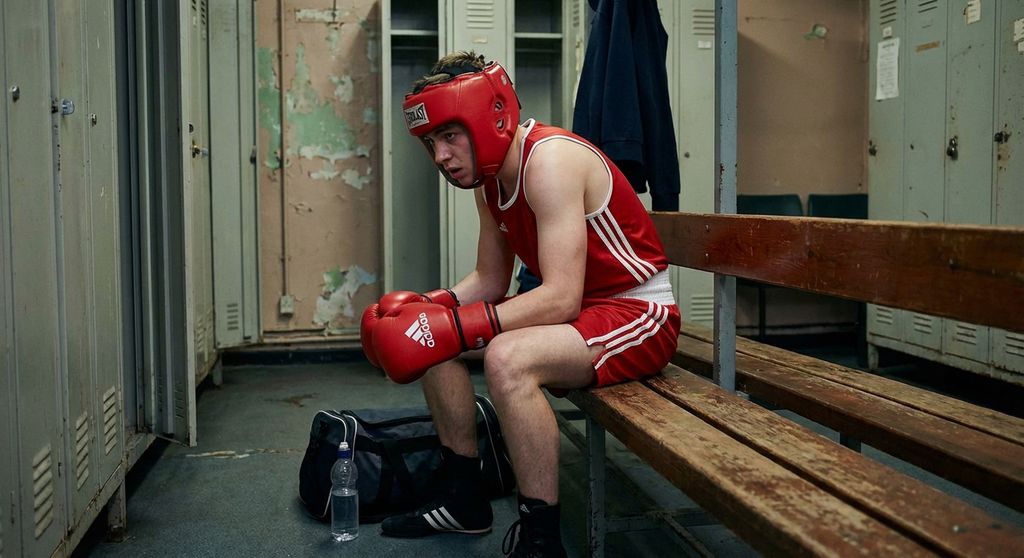
Debrief with your coach. What worked, what did not, what you will work on before the next competition. The first bout starts the competitive learning curve.
At Honour and Glory, the coaches prepare competitive boxers comprehensively. The journey from recreational training to competition readiness is one they have guided many times.

H&G Team
Writer at Honour & Glory Boxing Club, a community boxing gym in Kidbrooke, South East London.
KEEP READING
Why You Close Your Eyes in Boxing
Closing your eyes when punches come near is common for beginners. Here is how calm, coached drills help you keep seeing the work.
How to Train Like a Professional Boxer Without Going Pro
Professional boxers follow specific training structures that amateur and recreational boxers can learn from. Here is what pro training looks like and what elements are worth adapting.
Returning to Boxing After a Break: Your First Week Back
Missed a few weeks or months of boxing? Return with a sensible first week that rebuilds rhythm without trying to repay every lost round.
Was this page helpful?
It takes one tap, and it genuinely helps.
Choose your next step
Turn this article into the right action
Some readers are ready to book. Some need the class route first. Pick the route that matches what you actually want.