How to Train Like a Professional Boxer Without Going Pro
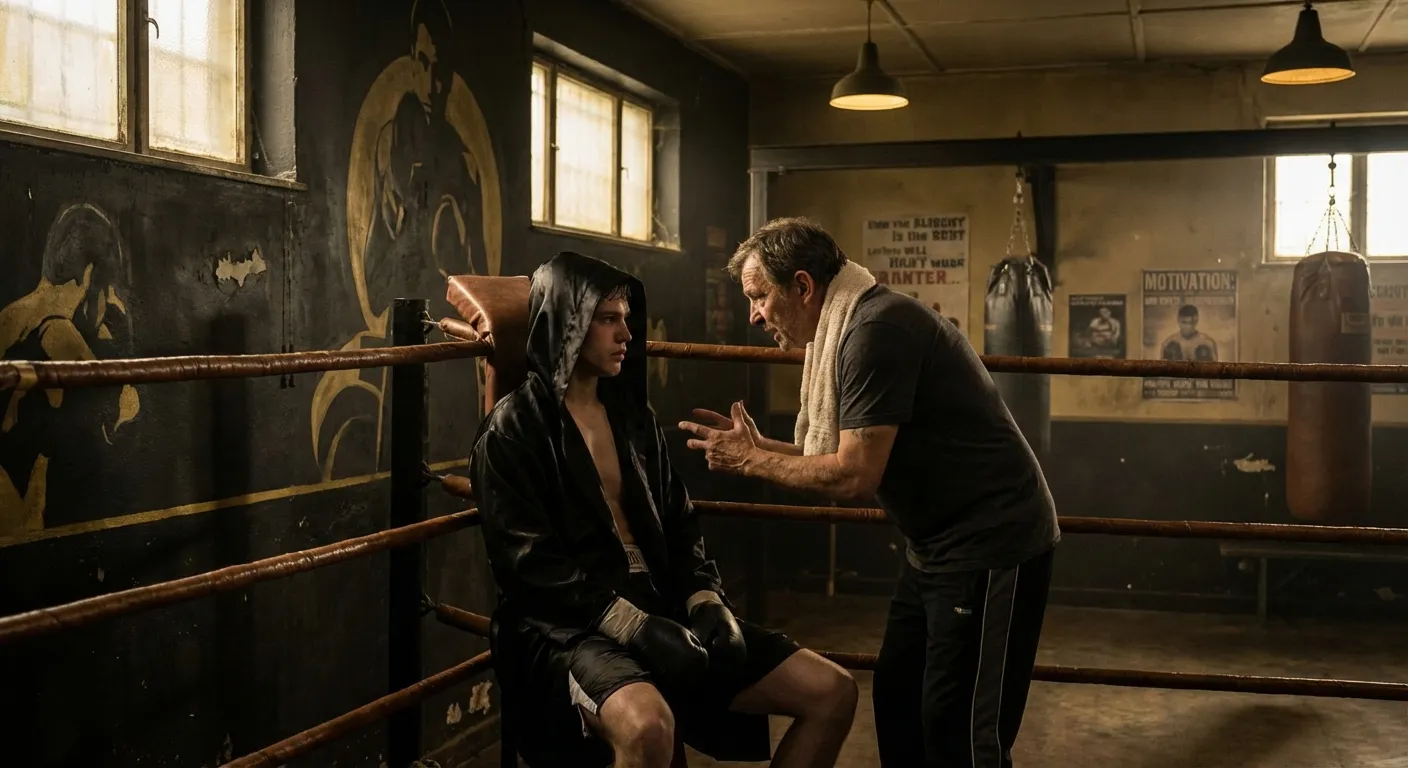
Boxing Science's work with GB Boxing documents the conditioning protocols used at elite amateur level. England Boxing's elite development pathway outlines the training standards expected at national squad level.
Professional boxing training is not a mystery. The structures that professional fighters use are visible in their documentaries, their coaches' interviews, and in the academic literature on boxing performance. What differs from recreational training is intensity and volume, not the fundamental approach.
The Professional Training Week
A professional preparing for a fight trains twice daily in camp, typically covering:
Morning session (60-90 minutes): Roadwork and physical conditioning. Running, cycling, or swimming. For some professionals, shadow boxing forms part of the morning work.
Afternoon session (90-120 minutes): Technical work. Bag work, pad work, sparring. The heavy bag for power and conditioning, the speed bag for timing, double-end bag for defence and accuracy, and several rounds of sparring.
This volume - typically twelve to sixteen rounds of technical work per session - is not appropriate for recreational or amateur boxers who also have jobs, families, and a recovery capacity that has not been built over years of professional training.
What Is Worth Adapting
The principles of professional training are worth understanding and adapting, even at lower volumes.
Periodisation. Professional training periodises - different phases emphasise different qualities. Early camp (twelve weeks out) focuses on conditioning. Mid-camp (six weeks out) focuses on technical work and sparring volume. Final camp (two weeks out) reduces volume and sharpens.
Recreational boxers can apply this in a smaller form. When fitness needs development, emphasis more conditioning. When competition is approaching, emphasis technique and controlled sparring.
The shadow boxing proportion. Professional boxers spend more time shadow boxing than most people expect - sometimes a third of their technical session time. Shadow boxing allows technique development without the physical demand of bag work. It is a more cognitively demanding practice than it looks.
Round structure. Professional sessions are organised around rounds of defined duration with defined rest. This mimics competition conditions and builds round-specific conditioning. Club training should mirror this structure rather than being unstructured time on equipment.
Pad work quality. The quality of pad work - how a good coach holds, moves, and calls combinations - matters more than the volume. Fifteen rounds of poor pad work is less valuable than six rounds of excellent pad work with a skilled coach.
The Shadow Boxing Priority
The element most worth emphasising for recreational boxers who want to improve fastest is shadow boxing.
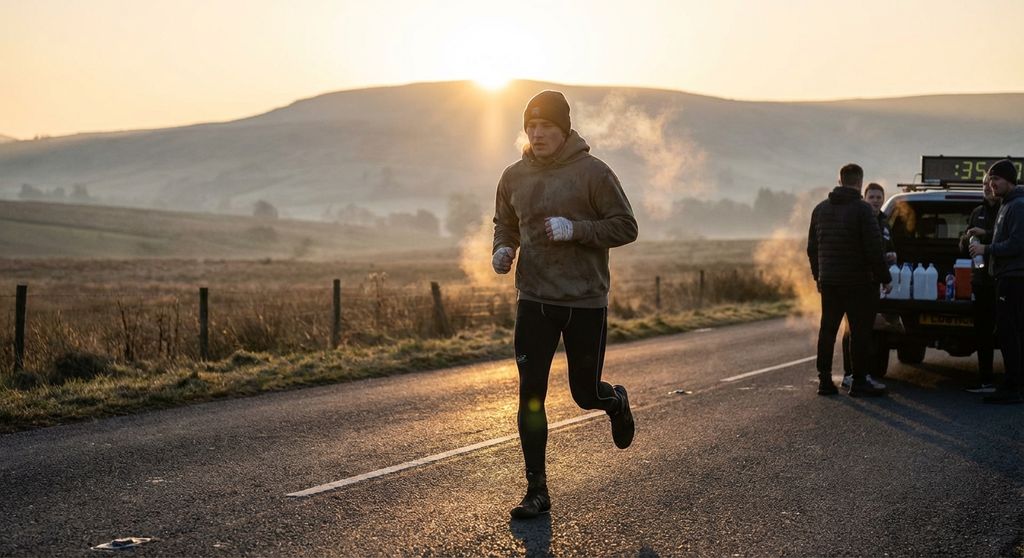
Three rounds of shadow boxing before a training session - performed with full attention to technique, footwork, and combinations - produces technique improvement that bag work and pad work reinforce but cannot create on their own.
Professional boxers work combinations in the shadow until they are automatic, then express them on pads and bags. Most recreational boxers work in the opposite order, trying to develop combinations on equipment and only occasionally shadow boxing.
The sequence that produces faster learning: shadow boxing the combination until the movement is clear, then expressing it on equipment.
At Honour and Glory, the coaches structure sessions with appropriate shadow boxing time. Come in and experience training that is built around how skill is actually developed.
H&G Team
Writer at Honour & Glory Boxing Club, a community boxing gym in Kidbrooke, South East London.
KEEP READING
How to Prepare for Your First Amateur Boxing Bout in the UK
The preparation for your first competitive amateur boxing bout involves technical, physical, and psychological elements. Here is the complete guide to the six weeks before competition.
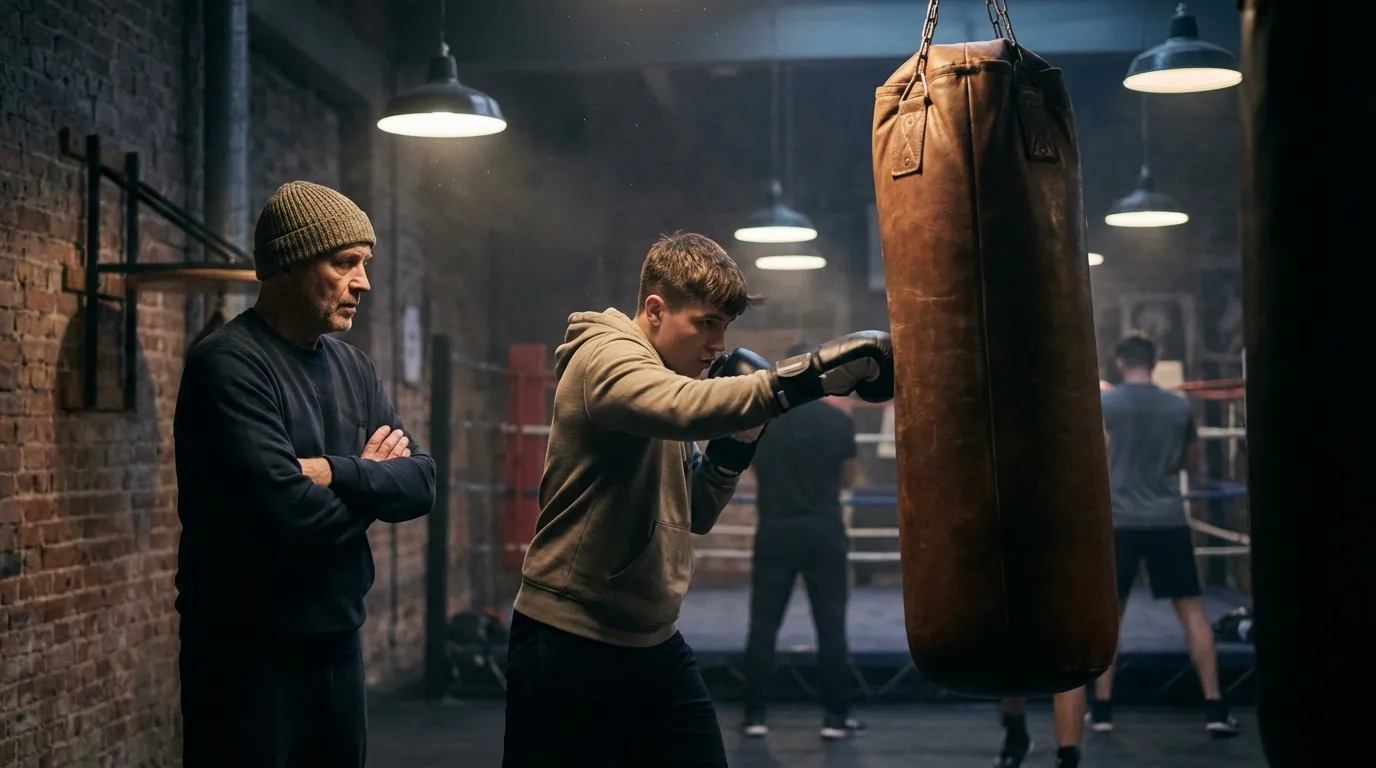
Boxing Combinations for Beginners
Learn the essential boxing combinations every beginner needs to know. From the basic 1-2 to more advanced sequences, these combos form the foundation of your offence.
Is Boxing Without Sparring Worth It?
Many people who box recreationally never spar and never compete. Is the training worthwhile without those elements? The honest answer from coaches and members.
Was this page helpful?
It takes one tap, and it genuinely helps.
Choose your next step
Turn this article into the right action
Some readers are ready to book. Some need the class route first. Pick the route that matches what you actually want.