How to Improve Your Head Movement: Drills That Help
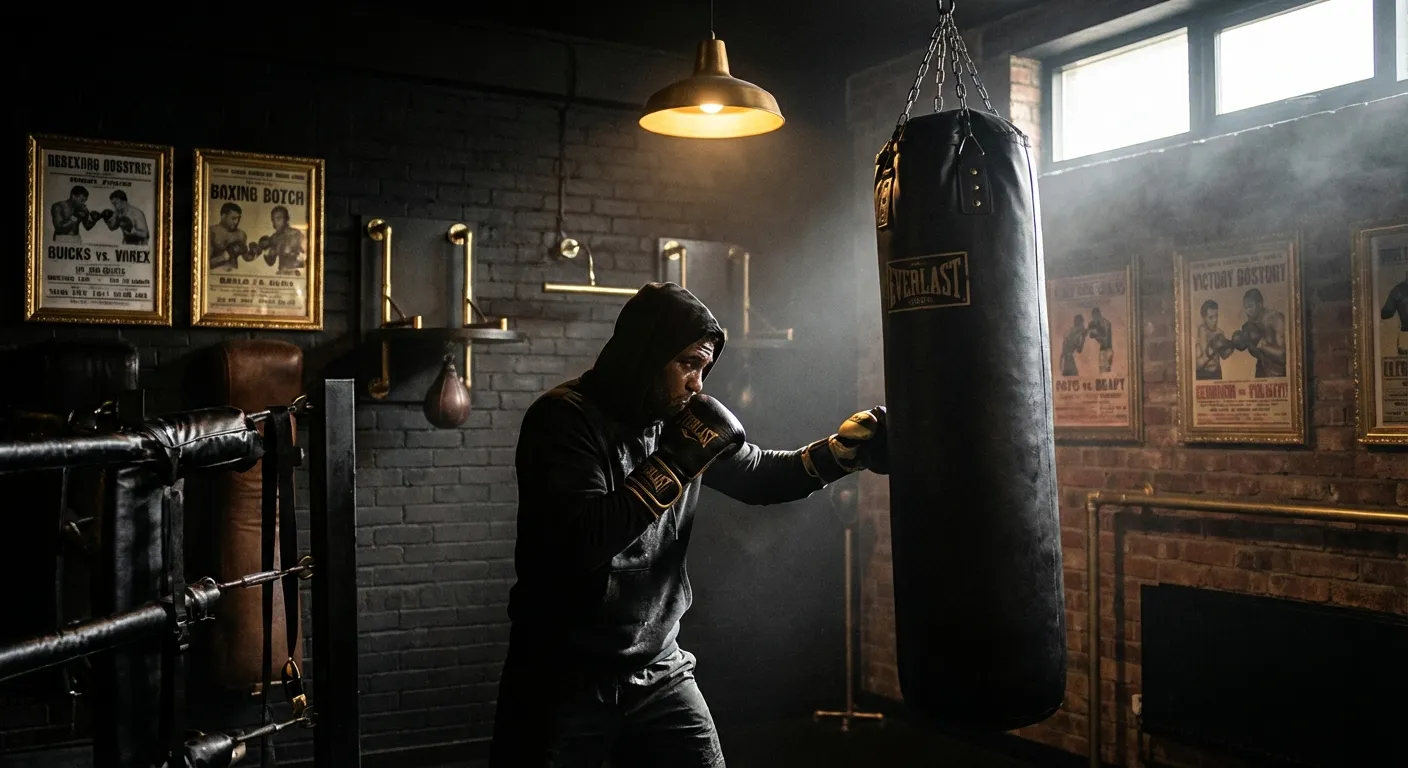
FightCamp's head movement drill guide covers the core defensive movement patterns. Title Boxing's head movement resource documents partner drill progressions from beginner to advanced.
Head movement is simultaneously one of the most important skills in boxing and one of the most poorly developed in recreational and amateur training. Most people practise it wrong, which is why most people who try to use it in sparring find it does not work.
Here is how head movement actually develops.
The Problem With How Most People Practise It
The common approach: the coach tells you to "move your head" and you nod it vaguely around your shoulders. This is not head movement. This is head nodding.
Real defensive head movement is offline movement - moving your head to a position where an incoming punch would miss. This requires knowing where the punch is going and moving to the position where it does not go.
Without a partner throwing real punches, practising head movement in isolation teaches the movement without the context. You develop the habit of moving your head, not the skill of moving it to the right place at the right time.
The Drills That Actually Work
The slip drill with a rope. A rope is hung at approximately head height across the gym. You move along the rope, slipping under it first to the left, then to the right, using your hips and core rather than bending your neck. This develops the body movement pattern of a real slip without requiring a partner.
Ball on a string. A tennis ball on a string hung from the ceiling or from a door frame. You hit it with your jab and then slip the rebound. The ball comes back at face level, unpredictably, and you must move to avoid it. This is the closest approximation to real timing training without a partner.
Partner shadow boxing (no contact). A training partner throws jabs in slow motion. You practice slipping each jab in the correct direction - outside a jab, move to the outside of the jab side. Inside a jab, move to the inside. This develops the direction and timing simultaneously.
The mirror drill. In front of a mirror, slip your own jab as you throw it. This develops the coordination of slipping as an offensive movement rather than as a purely defensive one - which is how it works in real boxing.
The Timing Component
Head movement fails in sparring for most people because the timing is wrong. They move after the punch rather than during it.
Real slip timing: you begin moving when you see the shoulder of the attacking arm rotate. Not when the punch lands, not when the arm extends - when the shoulder commits. This is very early and requires significant repetition to develop.
This is why live partner drills - where someone is actually throwing at you - are necessary at some stage. The body learns the timing signal from live repetition in a way that static drills do not fully develop.
The Footwork Component
Head movement without corresponding footwork is incomplete. If you slip a jab to the outside but do not move your feet to create a new angle, you have moved your head into the incoming cross.
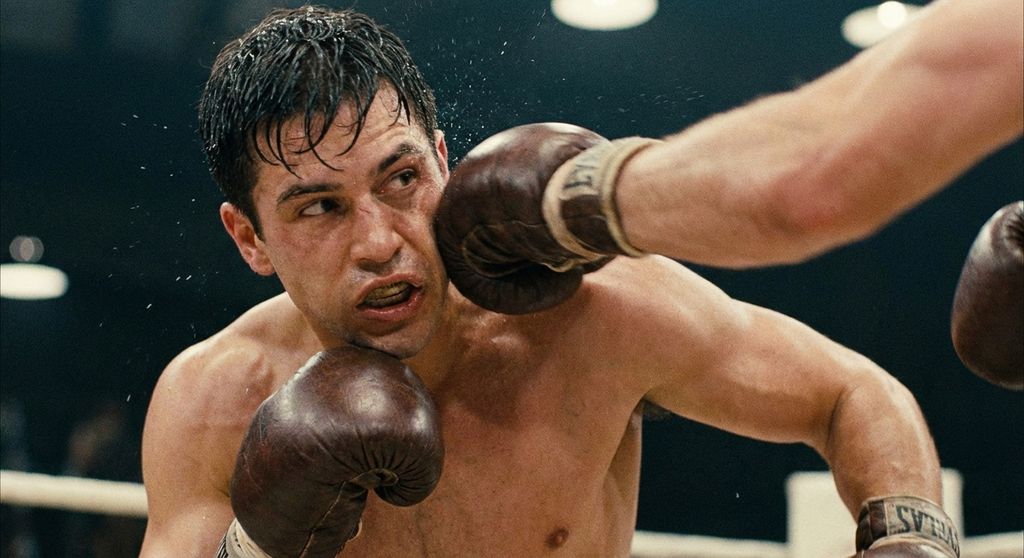
Real head movement always involves a footwork component that puts you at a new angle relative to the opponent. The slip to the outside of a jab is accompanied by a small step to the outside, creating the angle for the counter.
This integration - head movement coordinated with footwork - is the component most commonly absent in recreational training.
At Honour and Glory, the coaches work specifically on defensive skill development alongside offensive technique. Head movement is part of the curriculum, not an afterthought.
H&G Team
Writer at Honour & Glory Boxing Club, a community boxing gym in Kidbrooke, South East London.
KEEP READING
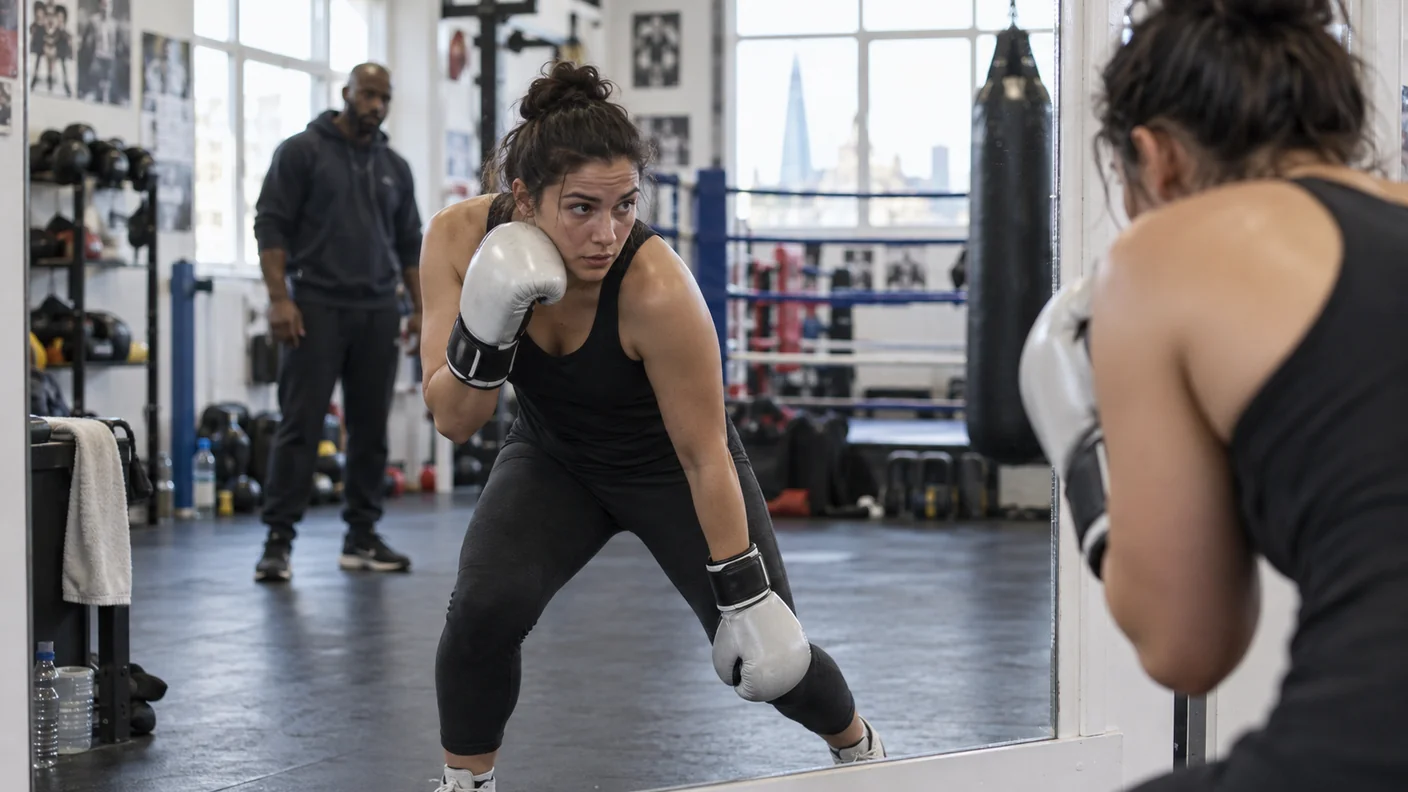
Knee-Touch Slip Drill for Better Head Movement
Use a knee-touch slip drill to find a smaller, balanced head movement before you add jabs, counters or partner cues.
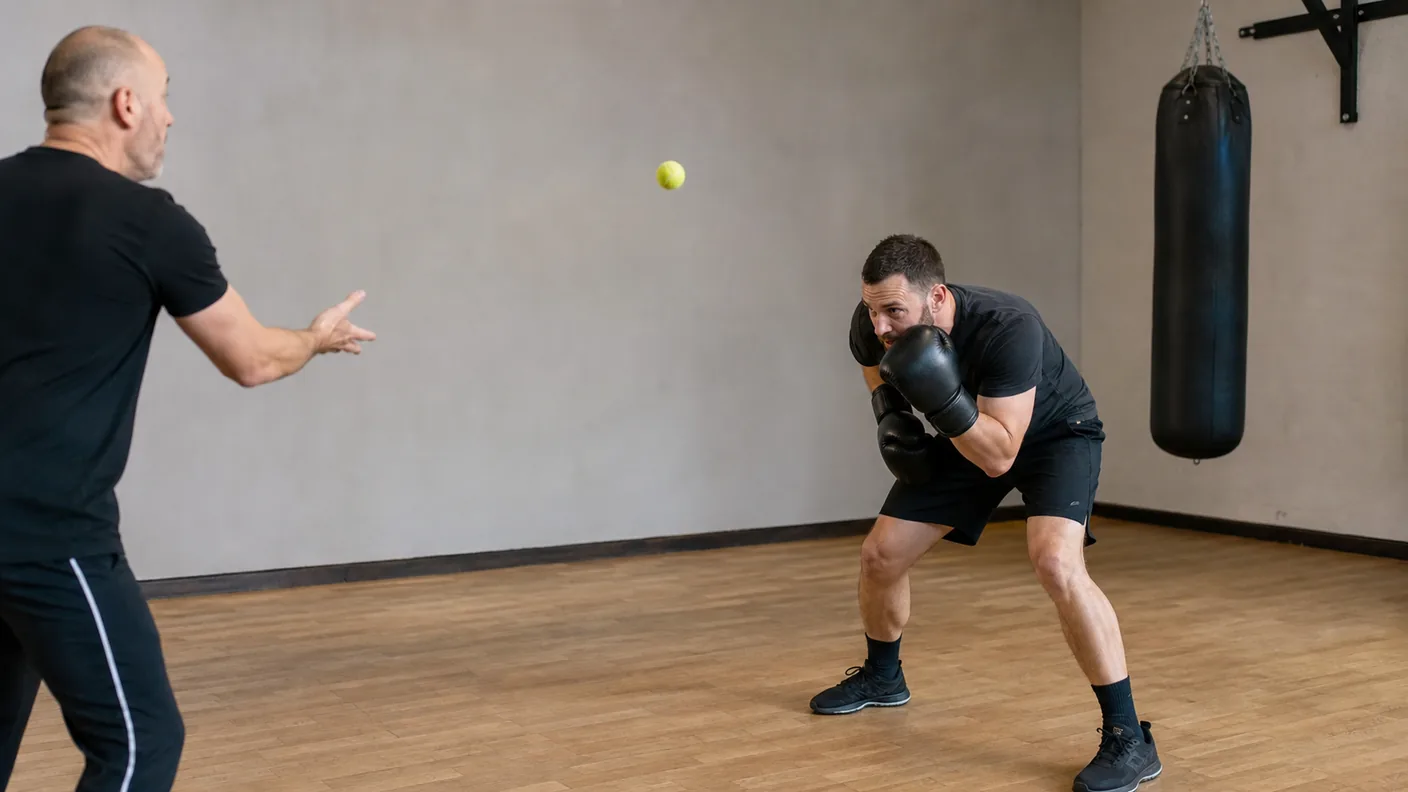
Tennis Ball Slip Drill for Boxing
Use a tennis ball slip drill to keep your eyes up, make smaller defensive movements and return to a balanced boxing stance.
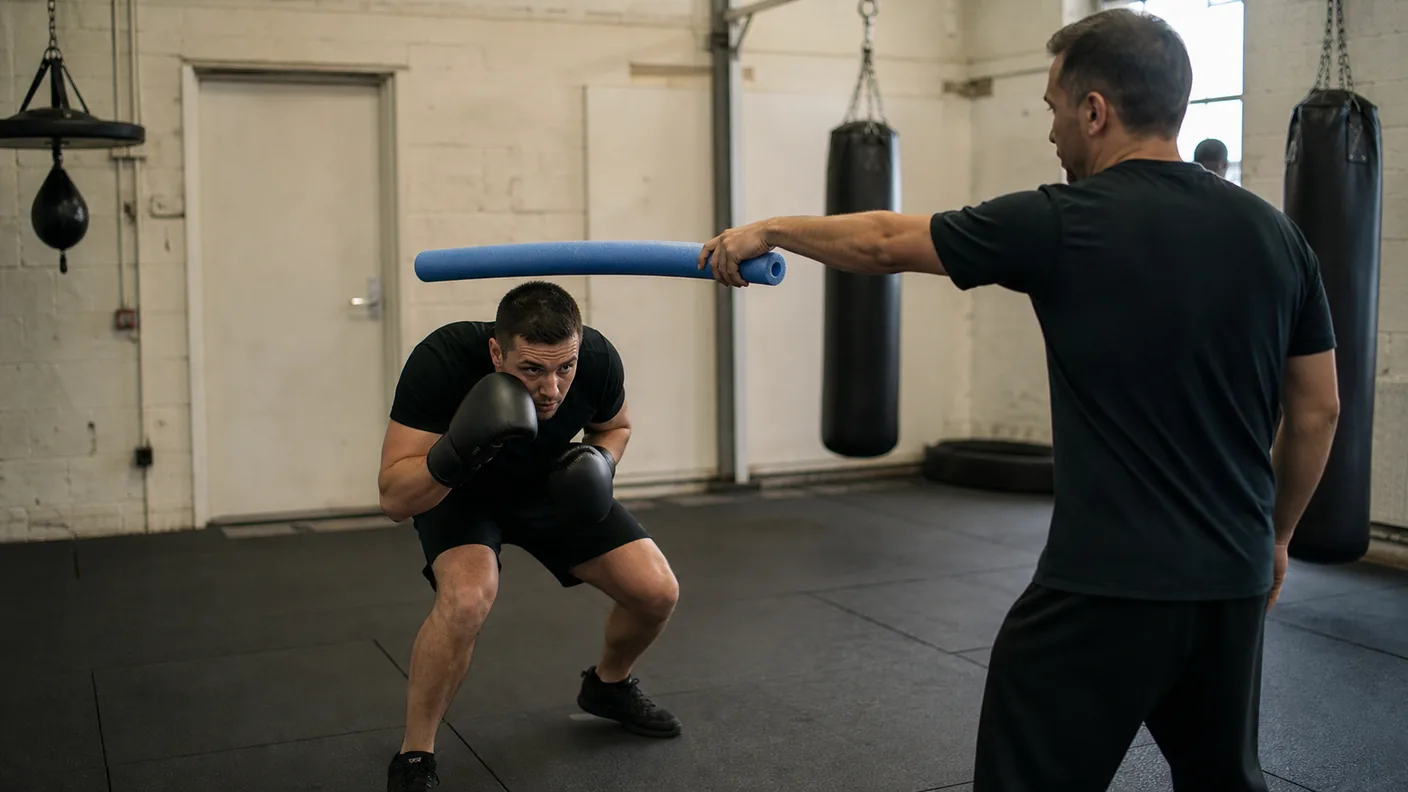
Roll Under Punches in Boxing Without Folding
Learn a compact boxing roll that uses the legs, keeps your eyes up and leaves you ready to hook, defend or move away.
Was this page helpful?
It takes one tap, and it genuinely helps.
Choose your next step
Turn this article into the right action
Some readers are ready to book. Some need the class route first. Pick the route that matches what you actually want.