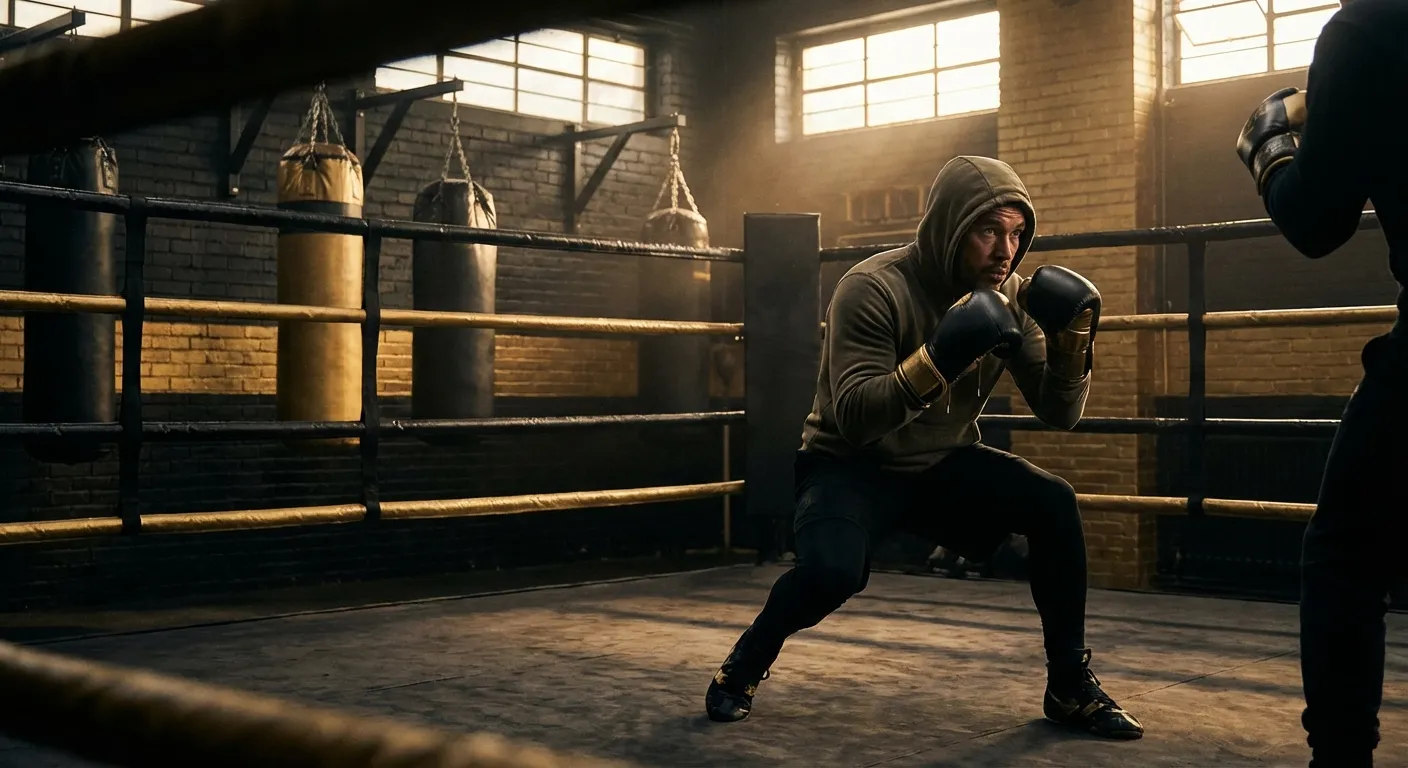
Boxing training research on head movement development covers the specific drills effective for building defensive reflexes at home. BOXRAW's defence drill guide provides six documented exercises for improving slipping, rolling, and blocking.
Defence is the neglected half of boxing training. Offence is visible and satisfying. Defence is subtle, requires a partner to develop properly, and produces results you only notice when something does not land on you.
Most home training focuses on offence because it is simpler without a partner. But there are several effective defensive drills you can do alone.
The Problem With Solo Defence Training
The honest limitation: real defensive skill comes from defending against real attacks. Slipping, rolling, and parrying are responses to specific threats. Without a partner throwing at you, you are training the movement pattern without the trigger.
That said, the movement pattern matters. Defensive movements that are not automatic under pressure are useless. Solo training builds the automation that partner work later puts to use.
Slip Rope Drills
A slip rope is a rope strung at head height across the gym. You move along it, slipping side to side beneath it as you go. Recreating this at home is simple: string a rope between two fixed points - two chairs, two hooks - at approximately head height.
Walk along the rope slipping left and right. The movement is from the waist, not the neck. Your feet stay planted, your hands stay up, and your torso moves laterally. The rope is the trigger: left side, slip right; right side, slip left.
This drills the mechanical habit of the slip without requiring someone to throw at you. Do this for 3 rounds of 3 minutes.
Shadowboxing With Defensive Focus
Standard shadowboxing focuses on offence. Defensive shadowboxing changes the emphasis: you spend 30-40% of each round imagining attacks coming at you and performing the defence before counter-attacking (source).
Visualise the attack specifically. Jab coming - slip left, counter right. Right hand coming - roll, come up with uppercut. Body shot coming - elbow down, return body shot.
The key is commitment. Defensive movements done half-heartedly in shadowboxing become half-hearted under pressure. Move fully, move quickly, return to guard immediately.
Head Movement Drills in the Mirror
Stand in front of a mirror in your boxing stance. Perform head movement patterns: slip left, slip right, roll under, bob left, bob right.
The mirror shows you immediately if your hands are dropping, if you are bending from the neck rather than the waist, or if your chin is rising during movements.
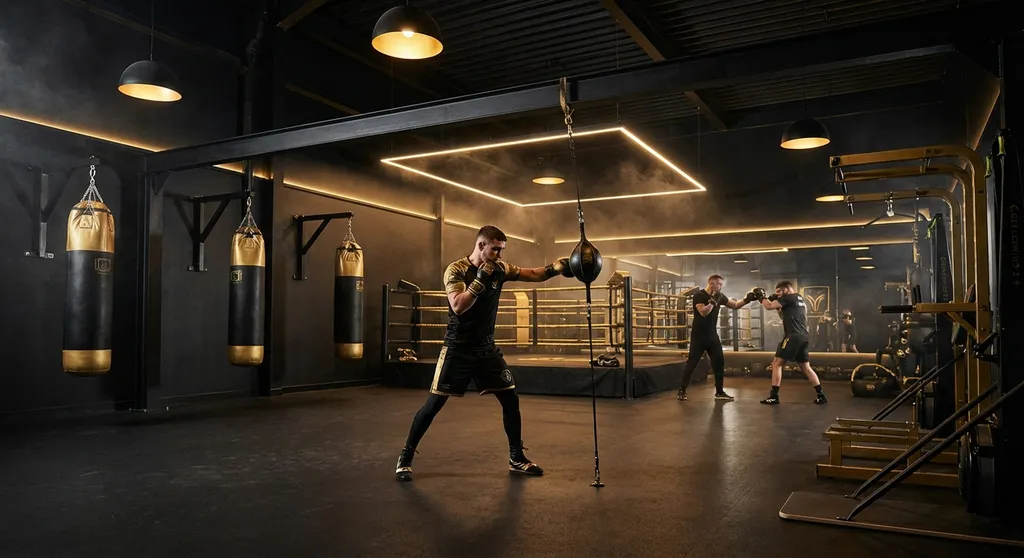
Spend 10 minutes on this before your main training session. Focus on keeping your guard tight during every movement. The guard should not change as the head moves.
The Pendulum Step
The pendulum step moves you in and out of range without committing to an attack. It is the foundation of distance management.
Step forward with the lead foot, step back with the rear foot - that is the out movement. Step forward rear foot, step forward lead foot - that is the in movement. Practice the transition between them until it is fluid.
Combine this with head movement: step back, slip, step back again. Or: step in, slip inside, step out. The step and the slip together create an angle and a range change simultaneously.
Drilling on the Wall
Stand facing a wall at punching distance. Your lead fist should nearly touch the wall. From this position, practice slipping punches that would come straight at your face.
The wall provides a visual reference for where your head is going. Slip left - your head should move away from the wall. Slip right - same. Roll - your head should dip down then come up on the other side.
This sounds simple and feels simple, but it trains the fundamental geometry of defensive movement without any equipment.
Making Home Drills Count
The value of home defensive work is in consistency. Short sessions done daily build habits more effectively than long sessions done occasionally.
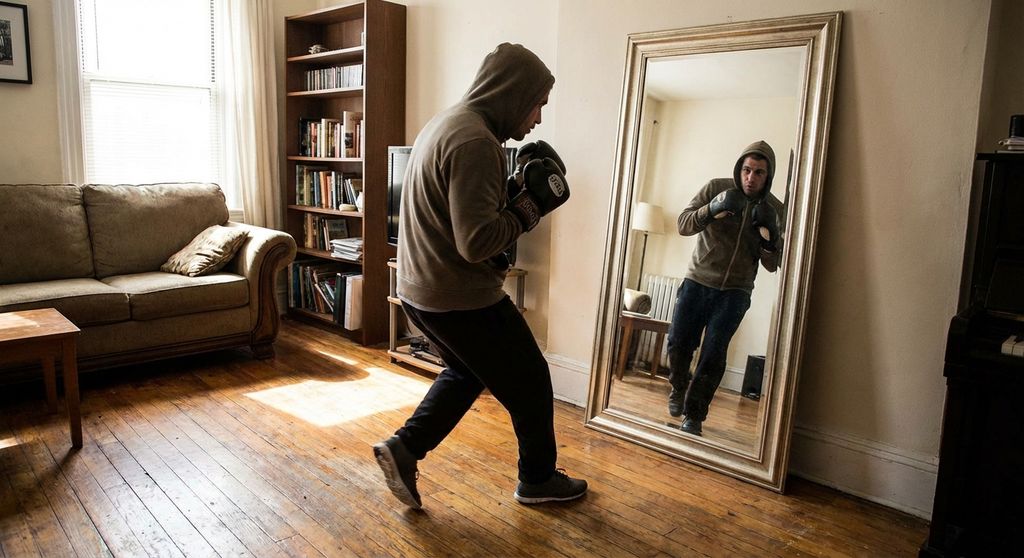
10 minutes of focused head movement and slip work before each training session, or on rest days, will make a meaningful difference over months of consistent practice.
At Honour and Glory's Adult Recreational class, the coaches focus specifically on defensive fundamentals in every session - slip-counter combinations, guard position, and distance management.
H&G Team
Writer at Honour & Glory Boxing Club, a community boxing gym in Kidbrooke, South East London.
KEEP READING
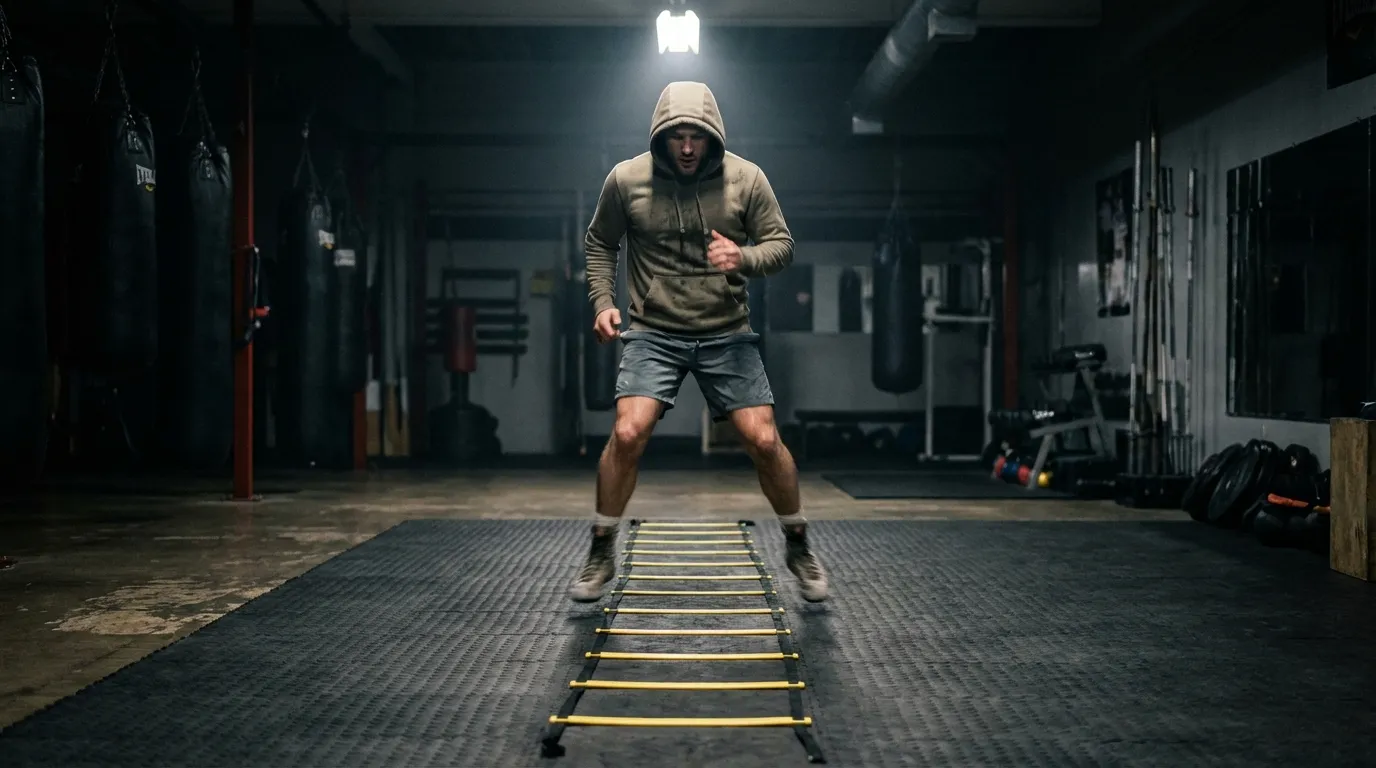
Boxing Footwork Drills at Home
Good footwork separates decent boxers from great ones. Here are practical boxing footwork drills you can practice at home with no equipment needed.
How to Improve Your Head Movement: Drills That Help
Head movement is the most difficult defensive skill in boxing. Here are the drills that actually develop it, why most people practise it wrong, and what coaches look for.
How to Improve Your Boxing Timing: Drills That Actually Work
Timing separates a boxer who looks good on the bag from one who performs under pressure. Here is how to build it properly.
Was this page helpful?
It takes one tap, and it genuinely helps.
Choose your next step
Turn this article into the right action
Some readers are ready to book. Some need the class route first. Pick the route that matches what you actually want.