How to Improve Your Boxing Timing: Drills That Actually Work
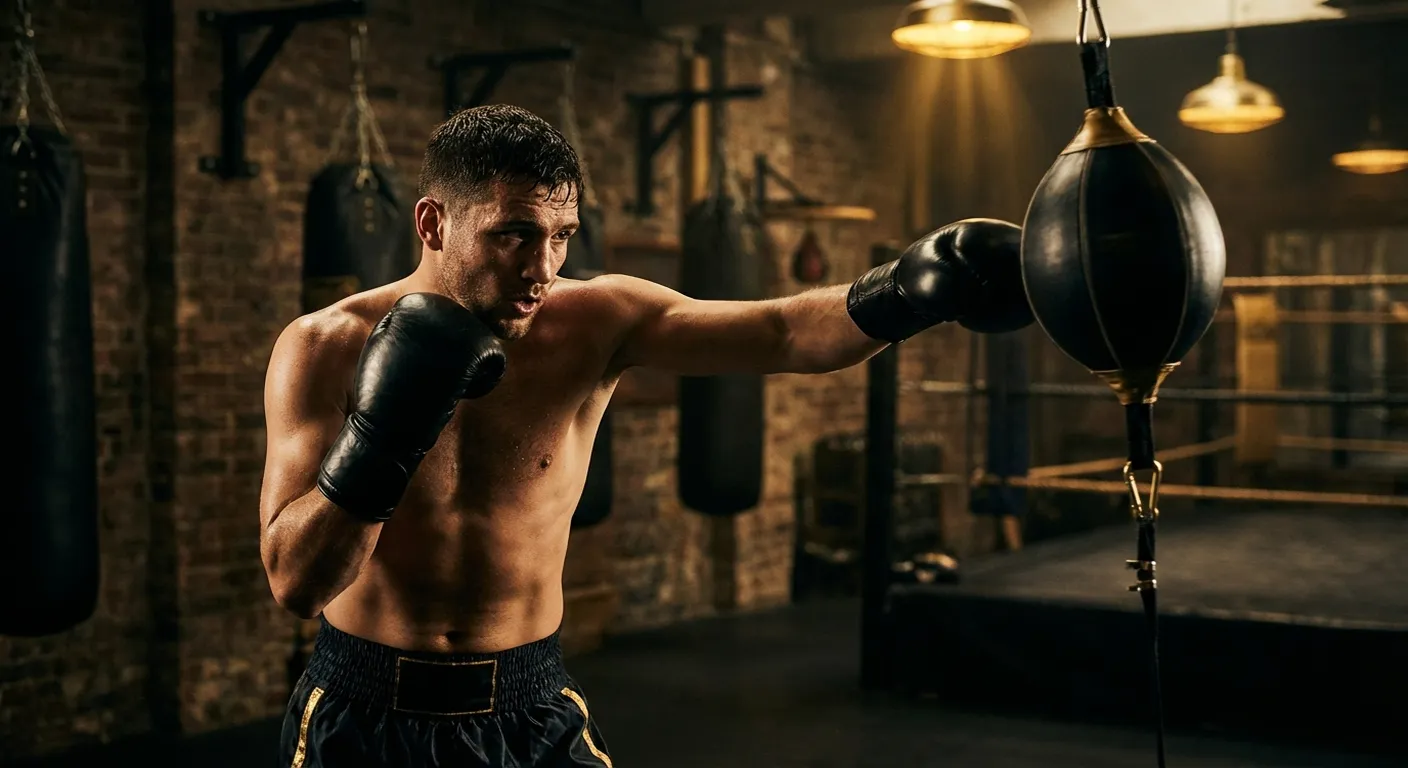
There is a saying in boxing gyms that has been repeated so many times it barely gets noticed anymore: speed wins fights, but timing wins knockouts. Anyone who has watched a lot of boxing understands what this means. The hardest punchers are not always the fastest. The fighters who make big men crumple are usually the ones who punch at exactly the right moment - when the opponent is leaning in, off balance, or momentarily absent. They are not hitting harder. They are hitting smarter.
Learning how to improve boxing timing is probably the most underrated goal a developing boxer can have. It is not as immediately satisfying as getting faster or stronger, and it takes longer to see the results. But when it clicks, everything else in your boxing starts to work better.
At Honour and Glory in Kidbrooke, timing is something coaches focus on from early in a boxer's development - not as an advanced concept reserved for competitors, but as a fundamental that shapes how every drill is run.
What boxing timing actually means
Timing in boxing has two sides, and people often conflate them.
The first is offensive timing: throwing your punch at the moment when it will land cleanest, hurt most, and leave you least exposed. A well-timed jab catches someone as they open up. A well-timed counter catches someone mid-punch when their weight is committed forward.
The second is defensive timing: moving your head, rolling, or stepping at exactly the right moment - not too early (which gives the game away), not too late (which means you eat the punch). Defensive timing is harder to develop because it requires you to read incoming punches precisely enough to react before they fully arrive.
Both are trainable. Neither comes from natural talent alone.
Why speed is not the same thing
A lot of beginners think timing is just about being fast. It is not. Research comparing elite boxers found that experienced fighters do not always have faster raw reaction times than novices in simple test conditions. What separates them is their ability to read complex situations and select the right response - anticipation built from thousands of rounds, not just quick reflexes.
A 2025 study in Frontiers in Physiology examining elite combat sports athletes confirmed that training-induced improvements in timing come primarily from pattern recognition and situational reading, not from changes in raw neural speed. In other words, you cannot shortcut this by doing reaction time apps. The specific situational reading required in boxing comes from boxing training itself.
That said, some drills build timing far more directly than others.
The double-end bag is your most honest tool
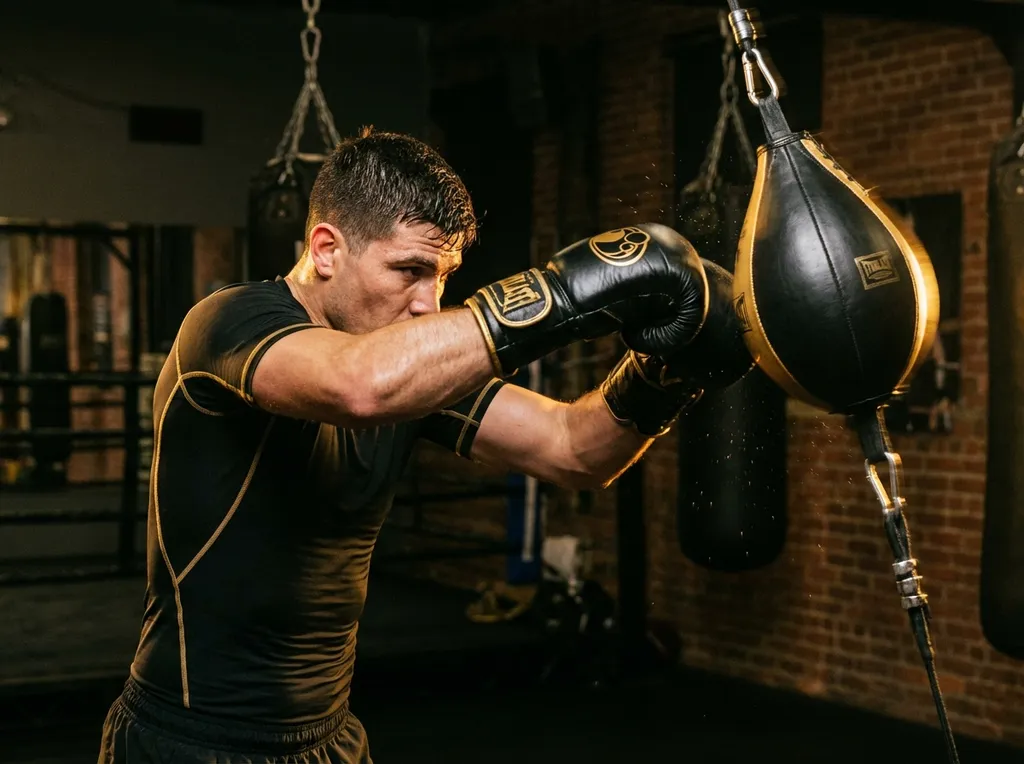
If you are serious about improving boxing timing, the double-end bag is the piece of equipment that rewards patience and punishes rushing more than anything else in the gym. Most beginners avoid it because it is humbling. The bag rebounds in ways that feel unpredictable, and early sessions can feel chaotic.
That discomfort is the point.
Unlike a heavy bag, the double-end bag does not reward power. It rewards precision and timing. You have to wait for the bag to come back into range, read its trajectory, and strike at the right moment. Too early and you miss or clip it awkwardly. Too late and it has already bounced out of position.
Start with single punches. Jab and wait. Let the bag return, then jab again. Do not rush combinations until you can land clean single shots consistently. Three rounds of patience on the double-end bag is worth more than ten frantic rounds of flailing at it. Once you can control single shots, work in two-punch combinations - again waiting for the right moment between each one. This is the same decision-making process you use in sparring.
We have a full guide to getting the most from the double-end bag if you want to go deeper on the specifics.
Shadow boxing with actual intent
Most people treat shadow boxing as a warm-up. They throw loose combinations, bounce around, and do not think particularly hard. That is fine for getting loose, but shadow boxing done with purpose is one of the best timing-building tools available - and it costs nothing.
The practice is to shadow box as if there is an opponent in front of you. Visualise them specifically. Are they moving toward you? Stepping back? About to throw? Your feet, guard, and punches should all respond to what that imaginary opponent is doing.
This sounds abstract but it works. The coaches at H&G often ask boxers to describe what their shadow boxing opponent is doing during a session. If you cannot answer, you are not working with enough intent.
Varying tempo within a round is also useful. Go slow and controlled for 30 seconds, then burst into a fast combination, then slow again. This kind of rhythm-breaking trains your brain to operate outside of fixed patterns - exactly what you need when facing real opponents who move unpredictably.
You can read more about the benefits of shadow boxing done properly - it covers a lot of the same principles.
Pad work where the coach varies the timing
Not all pad work is equal for developing timing. If your coach calls combinations and holds the pads perfectly still and predictably, you are building pattern recognition, not timing. That has its place early on, but it has a ceiling.
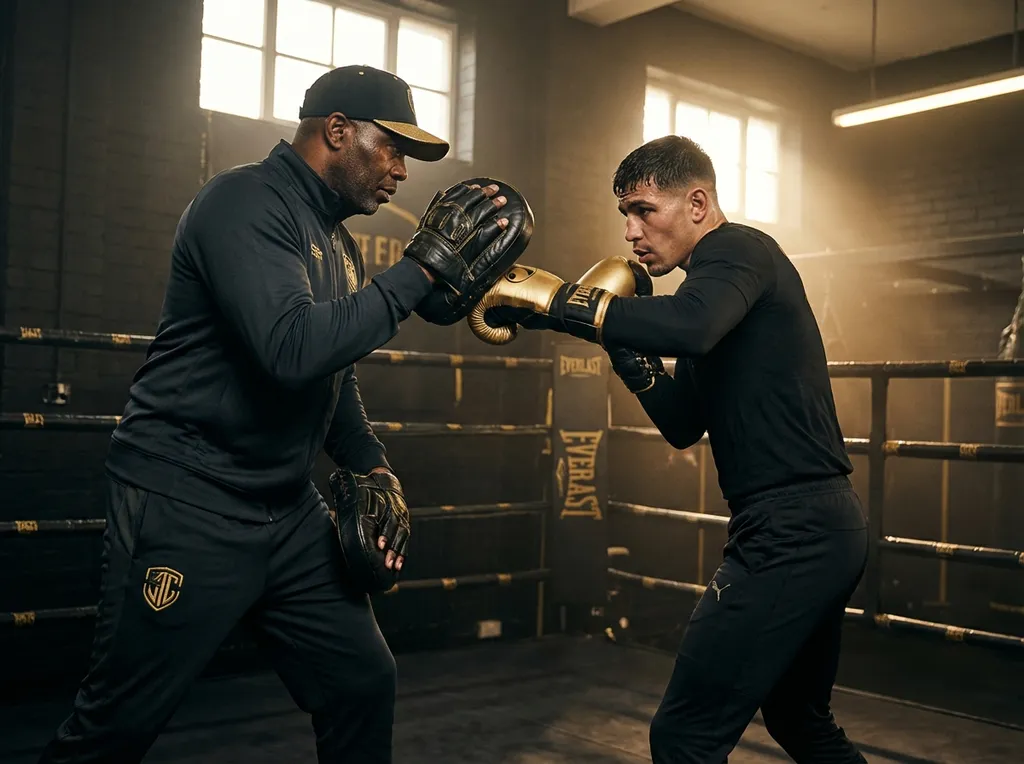
Good pad work for timing involves the pad holder feeding shots back at the boxer between combinations, pushing pads toward the face to force slips, varying the pace of calls, and occasionally not calling at all - letting the boxer choose when to throw. This turns pad work from a memorisation drill into a live decision-making exercise.
If you are at a point where you can execute combinations reasonably well, ask your coach to make sessions less predictable. The initial confusion is where the real development happens.
Controlled sparring with specific objectives
Nothing builds boxing timing like sparring. But the way you spar matters enormously.
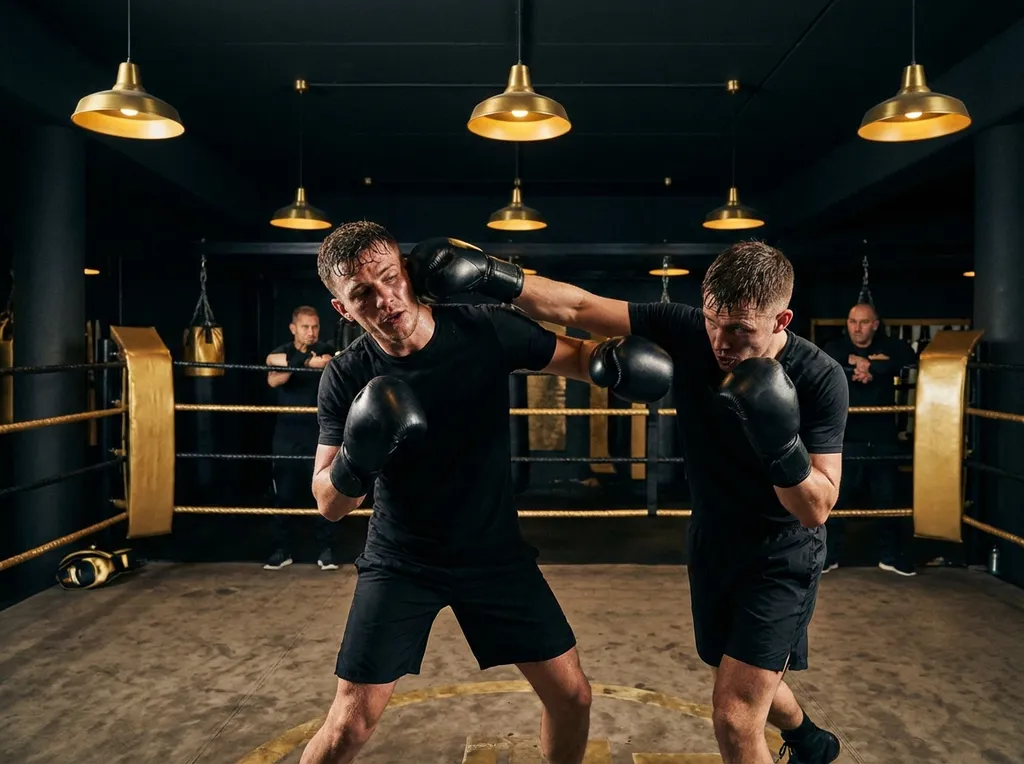
Hard sparring where both people are trying to win teaches you a lot, but it also tends to revert you to habits. You stop thinking and start reacting on instinct, which is not always the same thing as timed, deliberate movement. Controlled sparring - lighter contact, slower pace, with specific objectives - is often more useful for developing timing in the early and intermediate stages.
Set yourself a target for each round. "I am only going to throw counters off slipped punches this round." Or, "I am going to time my jab to land as my partner steps in." Having a specific timing objective forces awareness that gets lost in general sparring.
Sparring with people of different styles also builds timing faster than always working with the same partner. Every person has a different rhythm, and learning to read a new rhythm is exactly the adaptive skill you are trying to develop. There is useful practical advice in our guide to first-time sparring about how to set the right expectations and use the experience productively.
Reading shoulders and hips, not hands
One concrete technical habit that dramatically improves boxing timing is learning to watch the right things. Most beginners watch their opponent's hands. Experienced boxers watch the shoulders and hips.
Hands move at the end of a sequence. By the time the fist is moving toward you, there is very little time to react. But the shoulder rotates a moment before, and the hip shifts slightly before that. Reading those earlier signals gives you an extra fraction of a second - which, in boxing, is everything.
Practice this deliberately in sparring. Pick one session and focus only on watching your partner's lead shoulder. See if you can feel punches coming before they fully arrive. You will miss a lot at first. But this habit, built over months, is what gives experienced boxers that seemingly psychic quality of slipping shots they should not have seen coming.
Timing works both ways - breaking your opponent's rhythm
Improving your own timing is partly about breaking your opponent's rhythm.
Every boxer settles into a rhythm if allowed to. They throw at a certain pace, move in certain patterns, breathe in a certain way. Once you recognise that rhythm, you can exploit it - stepping in when they exhale, countering into their jab as it resets, timing a body shot when their elbow drops on the hook.
But you can also make it harder for opponents to time you. Changing your own rhythm - pausing mid-combination, throwing at irregular intervals, varying your jab between probing and hard - denies your opponent the reading time they need to land clean. The feint exists specifically for this purpose. Done well, a feint is not about trickery; it is about forcing your opponent to make a decision at the wrong moment.
A practical drill framework to take into your sessions
If you want a simple structure to work with over the next few weeks, this builds timing efficiently without overcomplicating things:
- Rounds 1-2: Double-end bag. Single punches only. No rushing. Work on waiting for the bag to come to you.
- Rounds 3-4: Shadow boxing with a visualised opponent. Vary tempo deliberately within each round.
- Round 5: Pad work with a deliberate timing focus. Ask your partner to vary when they call, and to occasionally feed a return shot for you to slip.
Three or four sessions a week with this kind of intent will produce visible improvement within four to six weeks. Not transformation - that takes years - but genuine, noticeable progress.
What good timing actually feels like
Most boxers cannot point to the moment their timing improved. It is a gradual shift where sparring starts to feel less frantic. Shots land on opponents who seemed hard to hit before. Defence stops being a panic response and becomes a choice.
You will notice your shots in sparring start to land cleaner. You will find yourself slipping punches before you have consciously decided to. The heavy bag will feel less like an effort and more like a conversation.
That is what timing does. It makes boxing feel less like fighting against something and more like moving with it.
At Honour and Glory, timing is built into how we run pad rounds, bag sessions, and sparring from the beginning. You do not need years of experience before it becomes part of your training - you just need a coach who treats it as a fundamental rather than an advanced topic. Claim a free trial session and see how we approach it from your first session.
H&G Team
Writer at Honour & Glory Boxing Club, a community boxing gym in Kidbrooke, South East London.
KEEP READING
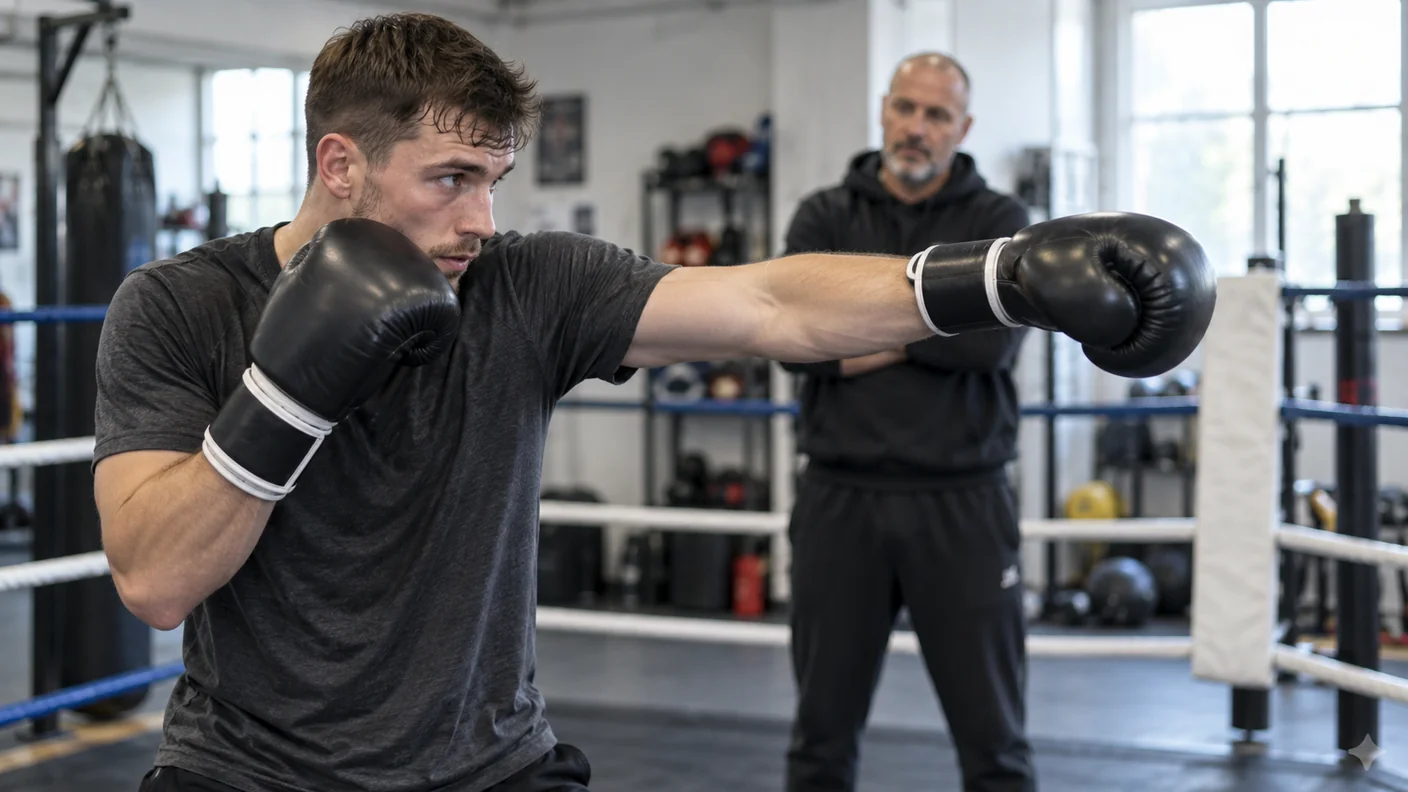
Slow Jab, Fast Cross: Boxing Timing
Use a measured jab and sharp cross to break predictable timing without losing your stance, guard or route out.
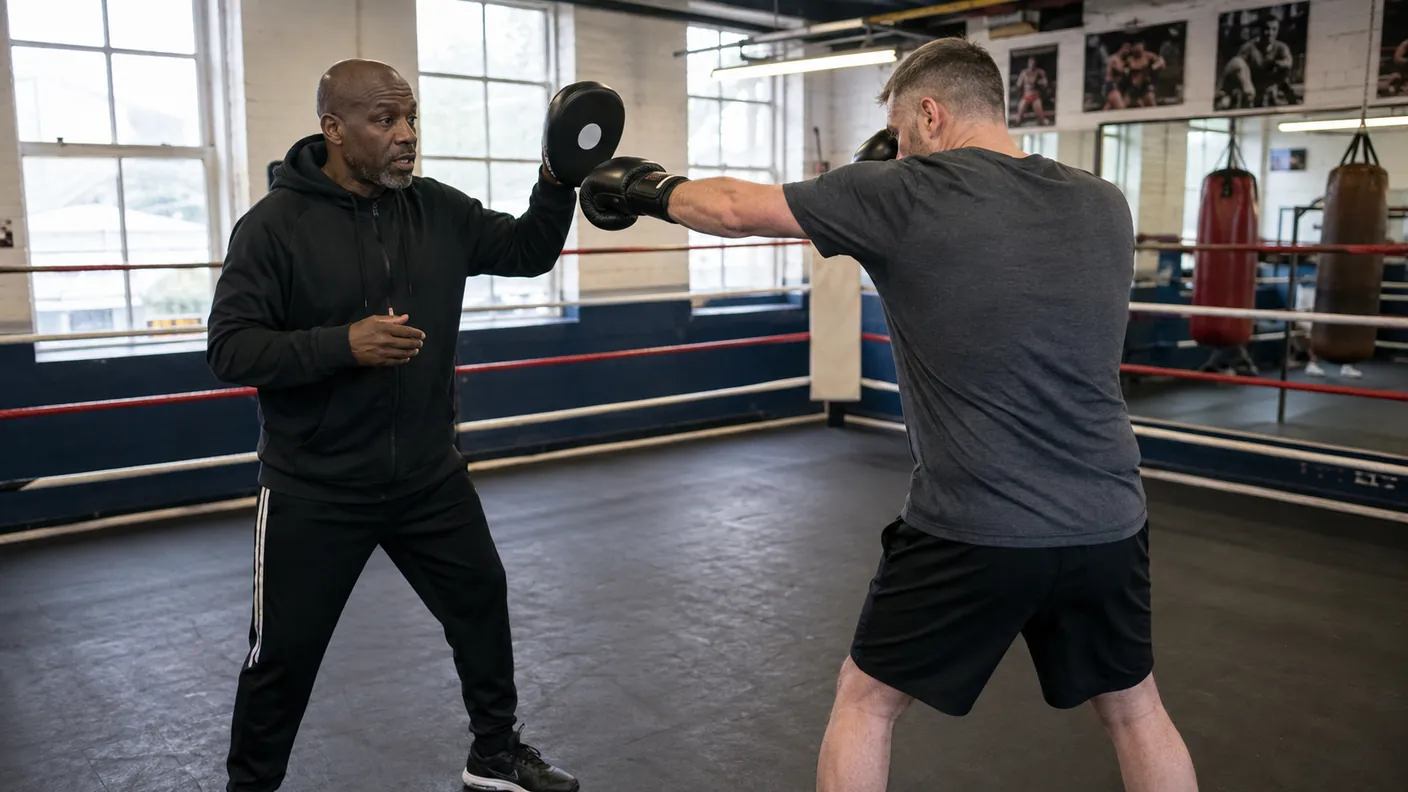
The Delayed Jab: A Simple Boxing Timing Drill
Use a small shoulder cue before the jab to change the rhythm, draw a reaction and keep your stance ready for the next decision.
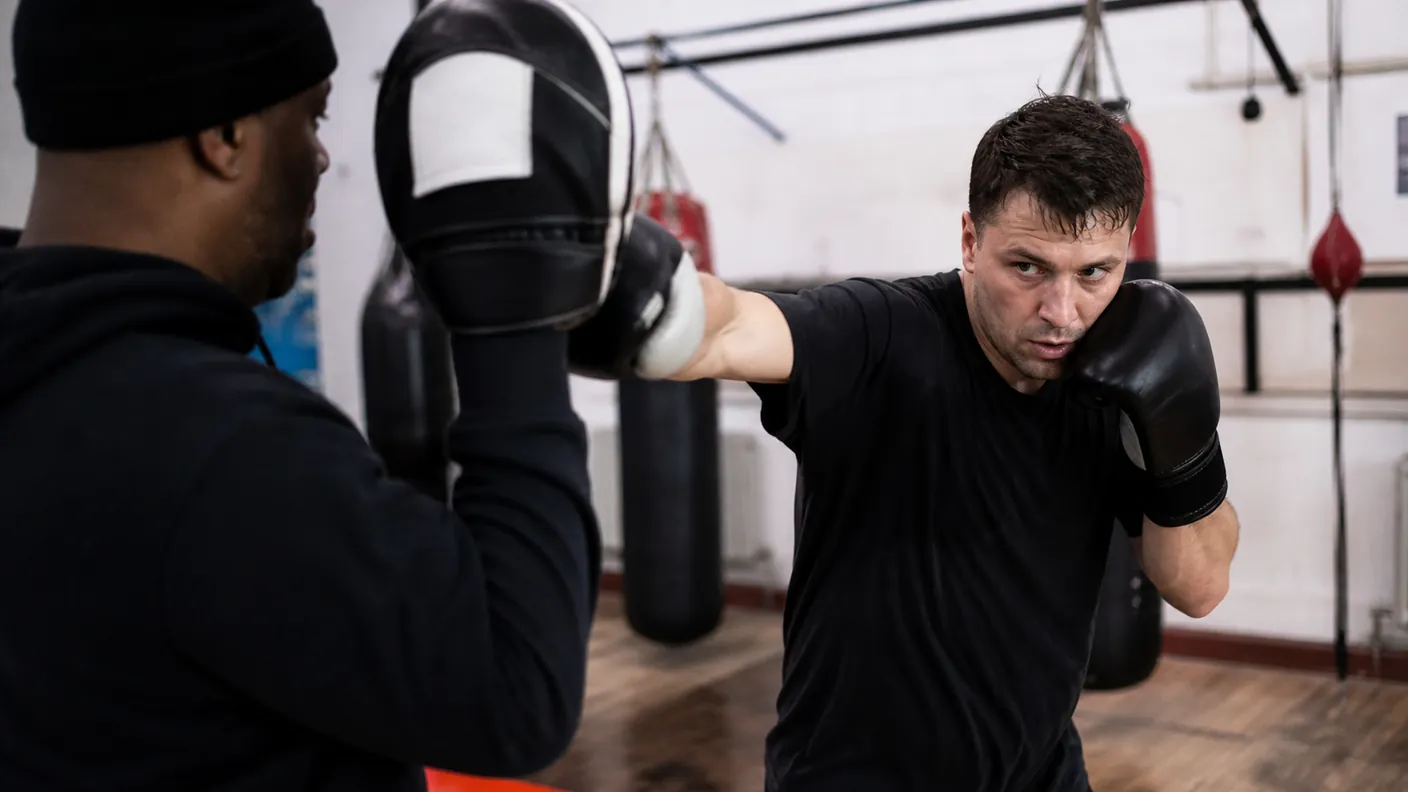
Overhand Right in Boxing: Timing, Range and Drills
Learn when an overhand right belongs, how to throw it without falling in, and how to practise the timing with controlled drills.
Was this page helpful?
It takes one tap, and it genuinely helps.
Choose your next step
Turn this article into the right action
Some readers are ready to book. Some need the class route first. Pick the route that matches what you actually want.