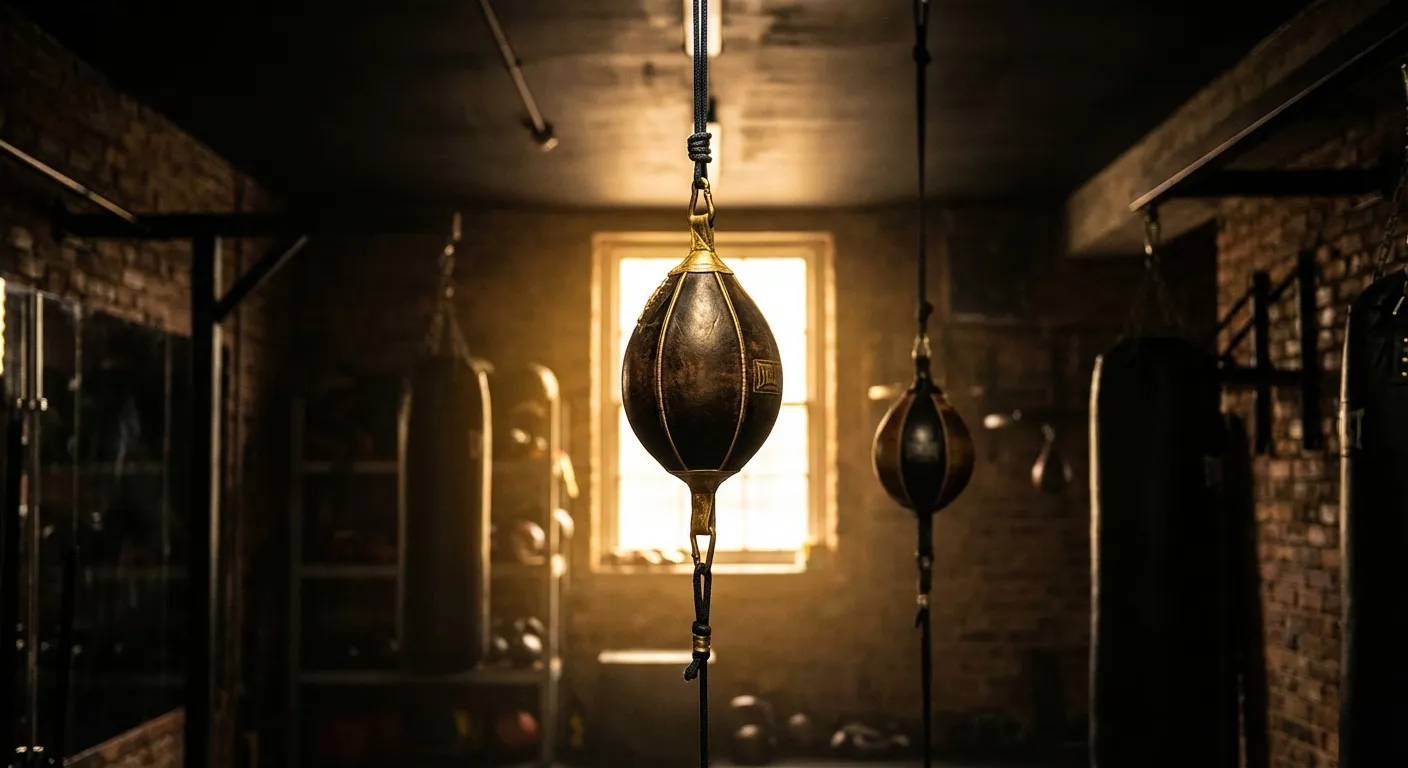
Every boxing gym has one. It hangs between floor and ceiling on elastic cords, bounces back faster than you expect, and makes you feel like a beginner all over again - even if you have been training for months. The double end bag does not lie.
Most beginners walk straight past it. They go for the heavy bag because hitting something that does not move feels productive. That is understandable. But if you want to get genuinely better at boxing - not just fitter - the double end bag is the piece of equipment you need to get comfortable with.
Here is what it actually does, how to use it, and why the coaches at H&G in Kidbrooke keep coming back to it.
What is the double end bag?
It is a small leather or synthetic ball - usually between four and nine inches across - attached to the ceiling and floor by elastic cords. When you hit it, it snaps back towards you almost immediately. The smaller the bag and the looser the cords, the faster and less predictable the rebound.
Unlike the heavy bag, which absorbs what you give it, the double end bag fights back. That is the point.
Why it is different from everything else
The heavy bag builds power and lets you practise combinations on something solid. The speed bag develops rhythm and shoulder endurance. The double end bag does something different: it forces you to box.
When the bag bounces back at you, your instinct has to kick in. You move your head, adjust your position, throw the next punch at the right moment. Do it wrong and the bag hits you in the face or swings off to one side and you lose the rhythm entirely. There is nowhere to hide.
That is why some coaches call it the most honest bag in the gym. Every lapse in timing, every sloppy punch, every moment of distraction - the bag tells you about it immediately.
The skills it develops:
Timing. Not just hitting something, but hitting it at the right moment. The bag's rebound has a natural rhythm. You learn to work with it rather than against it.
Accuracy. A nine-inch target moving unpredictably is harder to hit cleanly than a four-foot heavy bag. Your punches get sharper because they have to be.
Head movement. When the bag comes back at you, you slip or duck automatically. Over time that becomes instinct. That is the point.
Reflexes. The visual processing and reaction time required to track a moving target and respond appropriately builds the neural pathways that make you faster in sparring. Hayabusa's guide to double end bag training documents how consistent work on this bag improves hand-eye coordination more effectively than static bag work.
Footwork. You cannot just stand in front of it and blast away. You circle, angle, adjust. Your feet start moving properly without you having to think about it.
The beginner's mistake
Most beginners try to hit the double end bag like a heavy bag. They go for power, the bag flies off in every direction, they lose the rhythm, and they conclude the bag is useless or that they are terrible at boxing.
Neither is true. They are just approaching it wrong.
The key is that the double end bag rewards control, not power. Start with light, snapping punches - jabs mostly - and let the bag settle into a rhythm. Your job initially is to manage the bag's movement, not dominate it. Once you can keep it moving in a predictable pattern with single punches, add a second punch. Then combinations.
Think of it less like hitting and more like a conversation. You say something, the bag responds, you reply. When the timing is right it has a flow to it that feels genuinely satisfying.
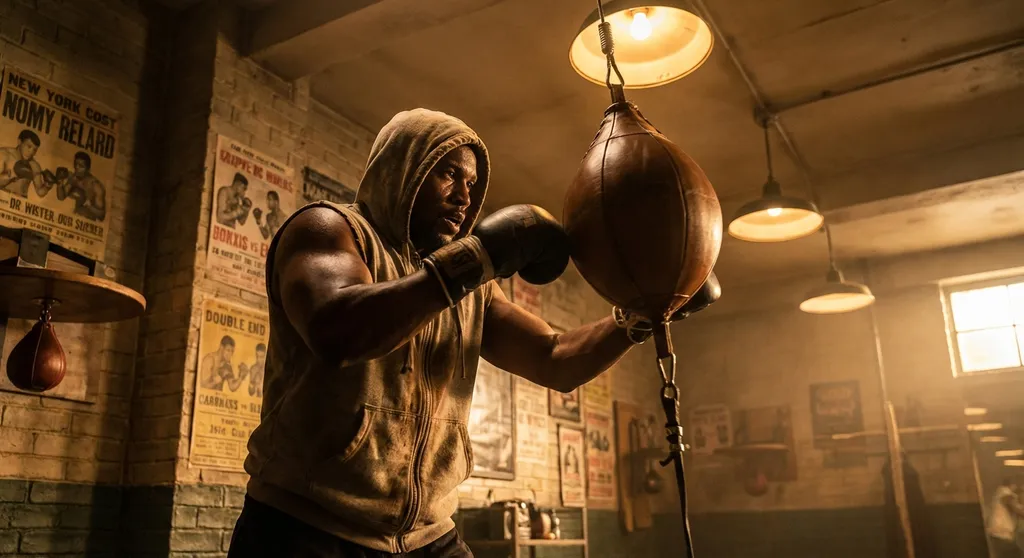
How to set it up for beginners
If your gym has one, ask your coach to show you the basics before you try it alone. The setup matters.
The centre of the bag should sit at roughly chin height. Taller boxers may prefer it slightly higher, shorter ones slightly lower - you want to be punching at approximately the level you'd be hitting an opponent's head and body.
Cord tension is the other variable. Tighter cords mean slower, more predictable movement - better for learning. Looser cords mean a faster, more erratic rebound. Start tight, loosen as you improve.
At H&G we set beginners up on a larger bag with firm tension, so they can get used to the rhythm without the bag flying unpredictably. Once you are landing combinations consistently, you move to something smaller and looser.
Basic drills to start with
Single jab drill. Stand in stance, throw a relaxed jab and let the bag return. Do not rush the second jab. Let it complete its rebound before you punch again. Do this for two minutes. You are building timing, nothing else.
Jab-cross. Once the jab drill feels natural, add the right hand. The rhythm is: jab, bag returns, cross, bag returns. Keep it slow and deliberate. Speed comes on its own once the timing is locked in.
Jab-cross-hook. Add the hook to the sequence. This is where footwork starts to matter - you will naturally want to step off to one side after the hook to reset your position.
Movement drill. After every combination, move. Circle left or right, change your angle, then re-engage the bag. This simulates actually boxing rather than standing in one spot punching.
The idea is always rhythm first, speed second, and power never really enters into it.
What to expect in the first few sessions
The honest answer: it will feel frustrating. The bag will go sideways, your timing will be off, you will hit it with the wrong part of your hand. That is normal.
Most people find it clicks after three or four proper sessions. The timing starts to feel natural, the bag behaves more predictably because you are hitting it better, and the rhythm takes over. Once it clicks, it stays. It is one of those motor skills that your body just learns and holds onto.
Progress after that is about increasing complexity - tighter cords, smaller bag, faster combinations, head movement integrated with punching - rather than starting from scratch each time.
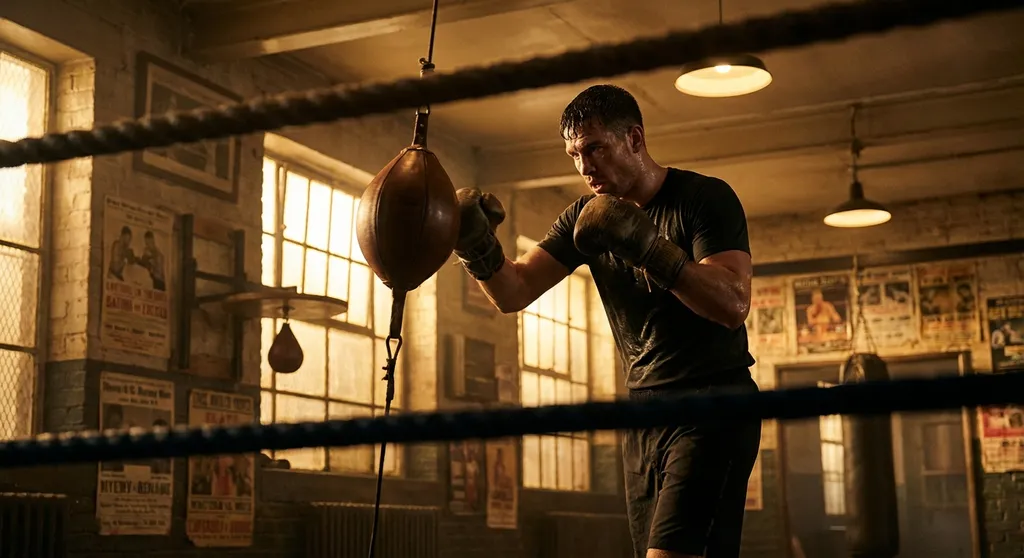
Who benefits most
The double end bag is useful for most people, but particularly:
People who have been training for a few months and want to develop proper boxing skills rather than just fitness. If you have got the basics of stance and the main punches down, this is the next step.
Anyone preparing for sparring. The unpredictable rebound is the closest thing to a real opponent you will face on the bags. The reflexes and head movement you develop here will show up when you get into a round.
Boxers who are technically solid but want sharper timing. Even experienced boxers spend time on the double end bag. It exposes timing issues that the heavy bag masks.
People doing boxing for fitness who want to feel more like an actual boxer. There is something genuinely satisfying about getting into a rhythm on it. The skill element makes it more engaging than just hitting a static target for half an hour.
One thing worth noting
The double end bag is not a substitute for pad work with a coach. Pads are where you learn combinations properly, get corrections on technique, and build boxing intelligence with another person involved. The bag is a tool you can use independently to reinforce things you have already learned. Evolve MMA's breakdown of double end bag benefits covers the specific reflexes it builds in detail.
Think of it this way: pads are class, double end bag is homework.
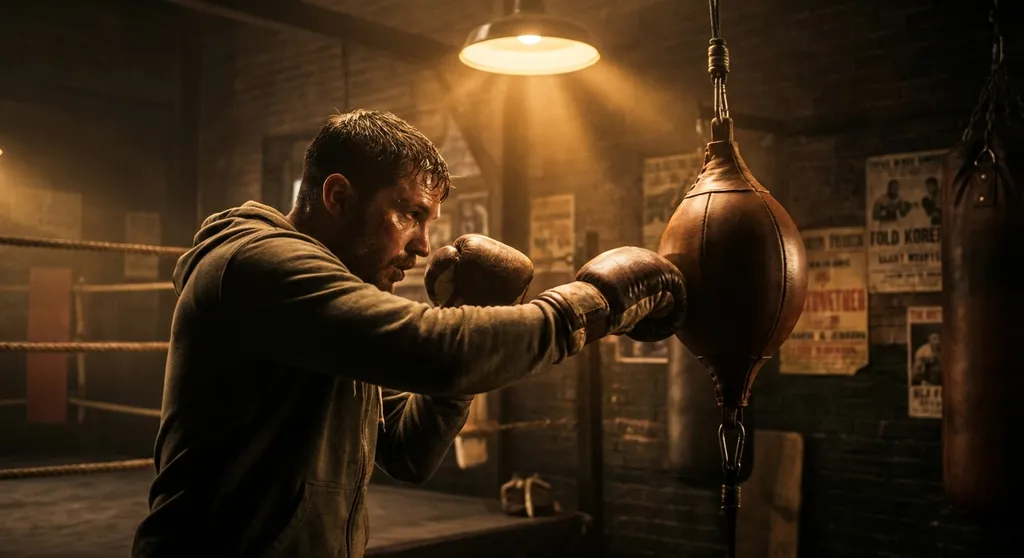
If you have not tried it and you are a few months into your training at H&G or anywhere else, ask your coach to walk you through the basics. Give it three sessions before you make any judgements. Most people come back for more.
---
Honour and Glory Boxing Club is based in Kidbrooke, Greenwich. We train beginners through to competitive amateurs. If you want to see what we are about, book a free trial session.
H&G Team
Writer at Honour & Glory Boxing Club, a community boxing gym in Kidbrooke, South East London.
Was this page helpful?
It takes one tap, and it genuinely helps.
Choose your next step
Turn this article into the right action
Some readers are ready to book. Some need the class route first. Pick the route that matches what you actually want.